Summary:
You noticed it a few weeks ago — a dark patch near the baseboard, a musty smell that won’t go away, or your kid’s cough that keeps coming back. You texted your landlord. They said they’d handle it. That was three weeks ago.
If that sounds familiar, you’re not alone — and you’re not out of options. Nassau County renters have legal protections around mold that most people don’t know exist, and the steps you take in the next few days can make a real difference. Here’s what you need to know before your landlord’s next excuse lands in your inbox.
What Nassau County Renters Need to Know About Mold and the Law
New York State takes mold in rental housing seriously — seriously enough to have passed a dedicated law in 2016 requiring that anyone performing mold assessment or remediation on a job exceeding 10 square feet hold a license issued by the New York State Department of Labor. That’s not a voluntary certification. It’s a legal requirement, and it applies to every landlord, maintenance crew, and contractor working in Nassau County.
New York’s warranty of habitability, under Real Property Law § 235-b, requires landlords to provide housing that is safe, sanitary, and fit for human habitation. Courts have consistently held that significant mold growth constitutes a breach of that warranty. When your landlord ignores your mold complaint in Nassau County, they may be violating state law — not just being a bad neighbor.
Mold Testing Contractors: Why You Need an Independent Licensed Assessor
Here’s the part most renters miss. When a landlord sends their own maintenance crew or a contractor they hired to “check it out,” that assessment serves the landlord’s interests — not yours. There’s no independent documentation, no licensed report, and nothing that holds up if you need to take the situation to Nassau County Housing Court or file a complaint with the New York State Division of Housing and Community Renewal.
Hiring your own licensed mold testing contractor changes that entirely. A licensed NYS DOL mold assessor produces a written report that documents exactly what’s present, where it is, how far it extends, and what species have been identified. That report is legally credible. A landlord can dispute your photos. They cannot as easily dispute a licensed assessor’s written findings.
This is especially important in Nassau County’s older rental housing stock — the mid-century apartment buildings in Hempstead, Freeport, and Elmont that were never built with modern moisture management in mind. Mold in these buildings rarely stops at the surface. It grows inside walls, above ceiling tiles, under flooring, and inside HVAC systems. A visual check by a maintenance worker won’t find it. Thermal imaging and moisture meters will.
When we conduct a mold assessment, we use both — not because it looks impressive, but because hidden mold is the norm in Nassau County’s aging building stock, and missing it means the problem comes back. An assessment that only looks at what’s visible isn’t worth the paper it’s printed on.
There’s another reason to move quickly. Mold establishes itself within 24 to 48 hours of a moisture event. Every day you wait for a landlord to respond is a day the colony grows, the remediation scope expands, and your health exposure continues. The window to contain this is real and it closes fast.
What Mold and Mildew Specialists Actually Do During a Remediation
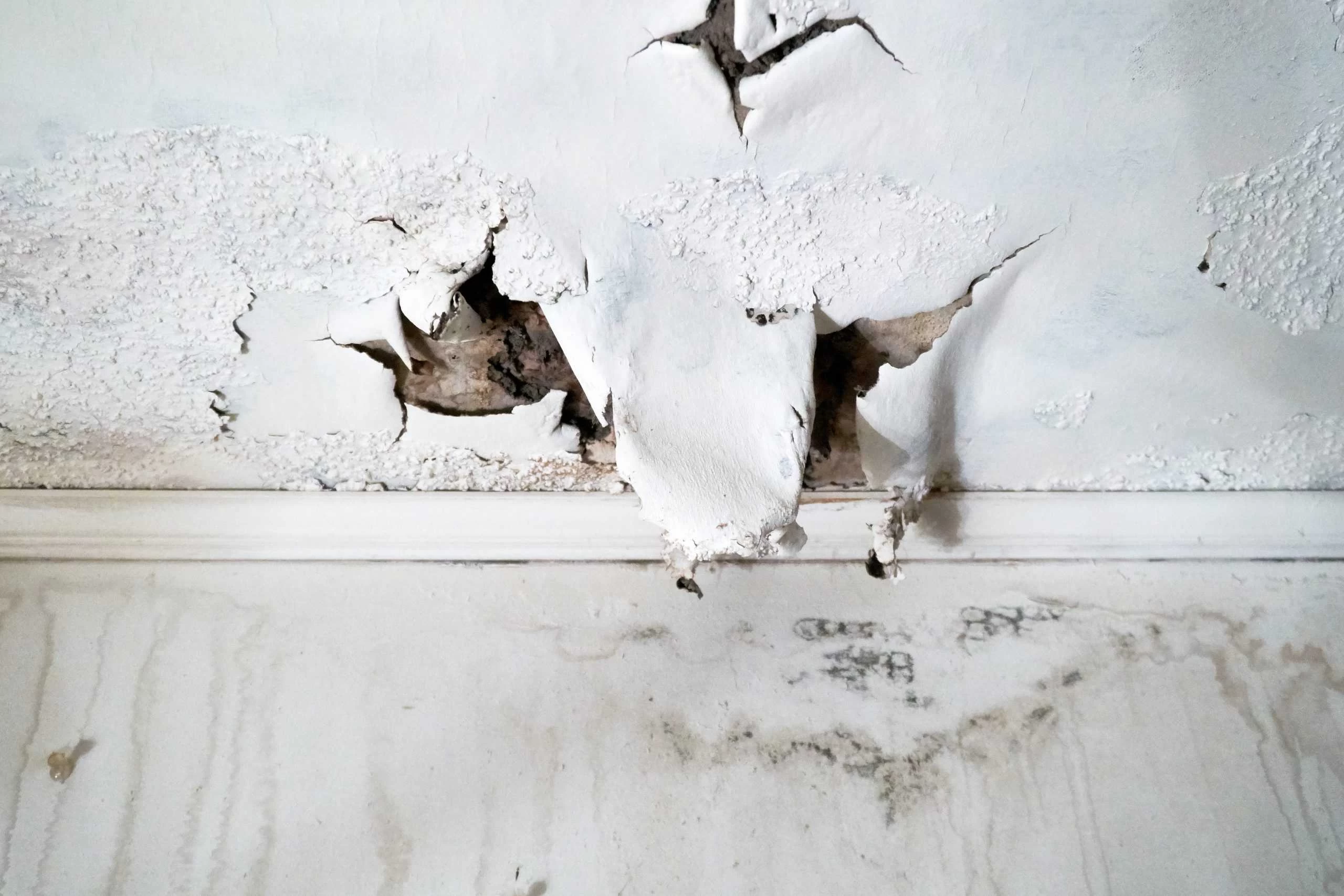
There’s a lot of confusion about what legitimate mold remediation looks like versus what landlords often pass off as remediation. Painting over mold is not remediation. Bleaching a surface is not remediation. Spraying an antimicrobial solution on visible growth without addressing the moisture source is not remediation. These approaches may make the problem invisible for a few weeks — and then it’s back, usually worse.
Real remediation, done by a licensed mold and mildew specialist following IICRC S520 standards, looks different. It starts with containment — sealing off the affected area to prevent spores from spreading through the rest of the unit during removal. HEPA-filtered vacuums remove mold colonies from affected materials. Porous materials that cannot be cleaned — drywall, insulation, sections of subfloor — are removed and disposed of properly. Antimicrobial solution is applied to treated surfaces. And critically, the moisture source driving the mold growth is identified and addressed, because mold without a moisture source cannot survive.
After remediation, clearance testing confirms the work was successful. This isn’t a visual inspection — it’s air quality testing that verifies spore counts have returned to normal levels. A contractor who considers the job done based on how things look is cutting a corner that matters.
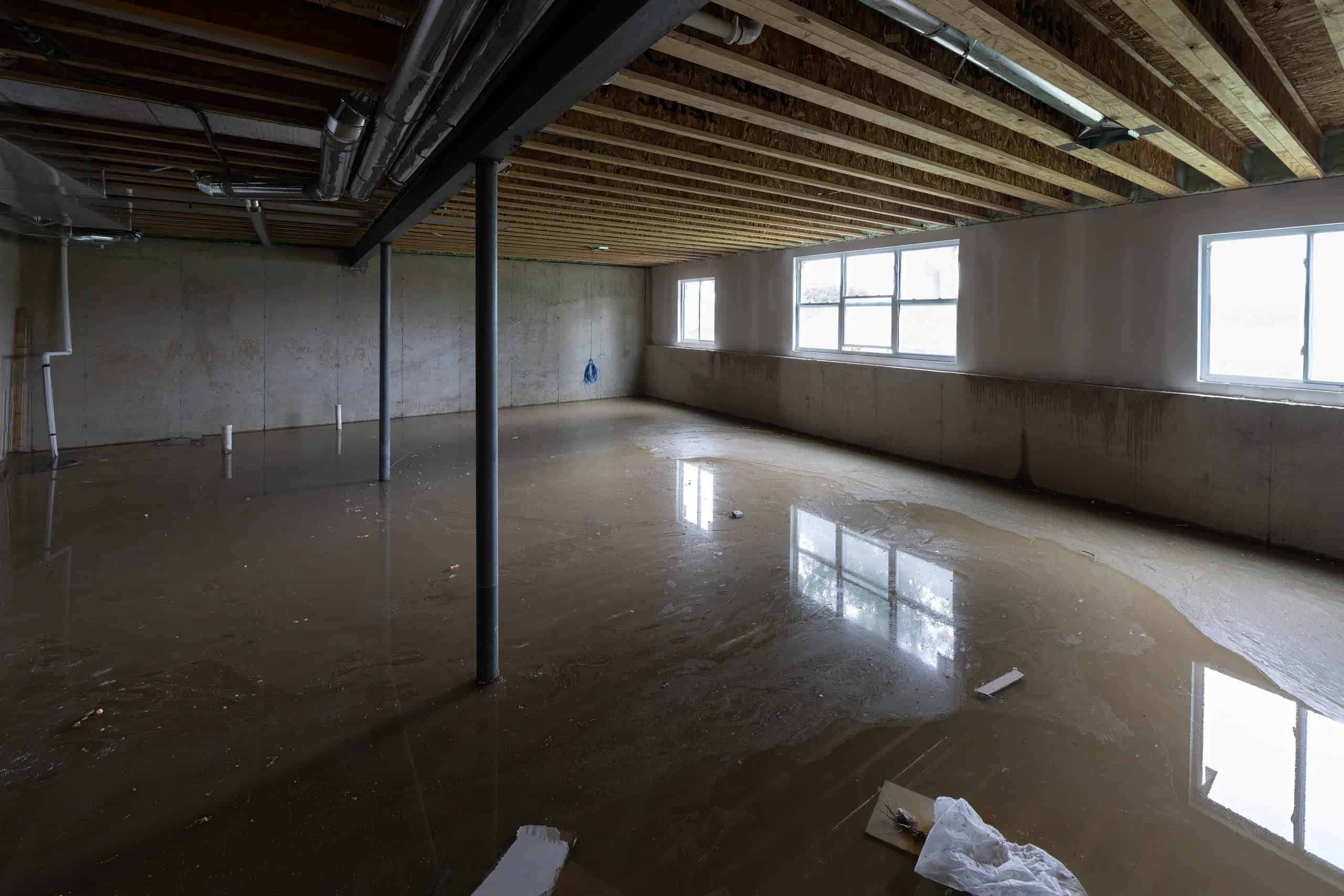
For Nassau County renters, this distinction is particularly important because of the county’s geography. The South Shore communities — Long Beach, Freeport, Oceanside, and Merrick — sit in low-lying flood zones with a notoriously high water table. Basement flooding during heavy rain is not a rare event here; it’s a recurring one. The remnants of Hurricane Ida in September 2021 flooded basements across the county. Many of those properties were never properly remediated. If your apartment is in a building that flooded two or three years ago and the landlord “took care of it,” a licensed assessment may tell a very different story.
Emergency Mold Inspection: When to Stop Waiting and Call for Help
There are situations where waiting for your landlord to respond is the wrong move — not just frustrating, but genuinely harmful. If you have children in the home, a family member with asthma or a respiratory condition, or visible mold growth that’s spreading, the risk of continued exposure is not theoretical.
There’s also a practical legal reason to act quickly. Landlords sometimes respond to mold complaints by sending someone to paint over the problem or bleach the surface before a proper assessment can occur. Once that happens, the visible evidence is gone. A licensed inspector can still find what’s underneath — but it’s harder, and your documentation window has narrowed. An emergency mold inspection creates a record before anyone has a chance to obscure what’s actually there.
Commercial Mold Remediation Company vs. a Landlord's Contractor: What's the Difference?
If your landlord does eventually send someone to remediate, you’re entitled to ask who that person is and whether they hold a valid NYS DOL Mold Remediator license. Under New York State’s 2016 Mold Law, any remediation job exceeding 10 square feet must be performed by a licensed remediator. That’s not a technicality — it’s the law, and unlicensed work is illegal regardless of who authorized it.
A commercial mold remediation company operating legally in Nassau County will hold that license, carry appropriate insurance, follow containment protocols, and provide documentation of the work performed. A landlord’s preferred handyman almost certainly will not. The difference matters because improperly performed remediation — work done without containment, without HEPA filtration, without addressing the moisture source — can actually spread mold spores to parts of the unit that weren’t previously affected.
It also matters for your legal position. If you later need to demonstrate in Housing Court that the landlord’s remediation was inadequate, you need documentation showing what was done and what standards were or weren’t followed. A licensed contractor’s work order and clearance report gives you that. A maintenance crew’s verbal assurance gives you nothing.
We hold both the NYS DOL Mold Assessor and Mold Remediator licenses, along with a Nassau County General Contractor license and IICRC certifications in Applied Microbial Remediation, Water Damage Restoration, and Applied Structural Drying. We’ve also held active contracts with Nassau County and multiple New York State agencies — which means we’ve met the compliance standards required for public procurement, not just residential work. That’s a level of vetting most contractors in this market haven’t gone through.
If you need financing to cover the cost of an independent assessment or remediation while you pursue reimbursement from your landlord, we offer financing up to $200,000 at 0% APR through Enhancify. We also handle direct insurance billing, so if your renter’s insurance covers testing or alternative living expenses, we manage that paperwork on your behalf.
Frequently Asked Questions About Mold in Nassau County Rental Units
**Can I withhold rent if my landlord won’t fix the mold in my Nassau County apartment?**
New York’s warranty of habitability gives tenants the right to seek rent abatement when a landlord fails to maintain habitable conditions — and courts have held that significant mold growth qualifies. The abatement is typically calculated as the difference between the fair market value of the unit in habitable condition and its value during the period of the habitability issue. You can raise this as a defense in Nassau County Housing Court or file a complaint with the New York State Division of Housing and Community Renewal. Before you take either step, a licensed mold assessment report documenting the conditions and the dates will significantly strengthen your position.
**What if my landlord says they already fixed the mold?**
“Fixed” means different things to different people. Under New York State law, legitimate mold remediation on a job over 10 square feet must be performed by a licensed NYS DOL Mold Remediator following proper containment and removal protocols. If your landlord sent a maintenance worker with a can of bleach and a paintbrush, that is not compliant remediation — and if the mold returns, you have grounds to pursue further action. An independent post-remediation inspection can confirm whether the work was actually done correctly.
**Do I need a mold inspection before I can take legal action?**
You don’t legally need one, but it makes a significant practical difference. Nassau County Housing Court judges and DHCR complaint reviewers respond to documented evidence. A licensed mold assessor’s written report — identifying species, mapping the extent of growth, and noting moisture readings — carries far more weight than photographs and a written complaint. It also protects you if the landlord disputes the severity of the problem. We’ve worked with Nassau County renters in exactly this situation, and the assessment report is almost always the document that moves things forward.
**Is mold worse in certain parts of Nassau County?**
Yes. The South Shore communities — Long Beach, Freeport, Oceanside, and Merrick — are in low-lying flood zones with a high water table, and basement flooding is a recurring reality rather than an occasional event. Buildings in these areas that were affected by Hurricane Sandy in 2012 or Hurricane Ida in 2021 and weren’t properly remediated at the time may still have active mold conditions today. Older multi-family buildings in Hempstead, Elmont, and Valley Stream also tend to have chronic moisture issues due to aging plumbing, inadequate ventilation, and below-grade units. If you’re renting in any of these Nassau County communities and you smell something musty or see any discoloration, it’s worth having someone take a proper look.
What Nassau County Renters Should Do Next About Mold
If there’s one thing worth taking from this page, it’s that the difference between a renter who gets results and one who stays stuck is almost always documentation. A licensed mold assessment report changes your legal position, strengthens your complaint, and gives you something concrete to point to — whether you’re dealing with a slow landlord, a housing court proceeding, or an insurance claim.
You have the right to hire an independent licensed assessor regardless of what your landlord says they’re going to do. You have the right to demand licensed remediation. And you have the right to pursue rent abatement if those standards aren’t met.
If you’re dealing with mold in a Nassau County rental and you’re not sure where to start, Green Island Group is available around the clock. We’re licensed, local, and we’ve been doing this work on Long Island for over 12 years.