Summary:
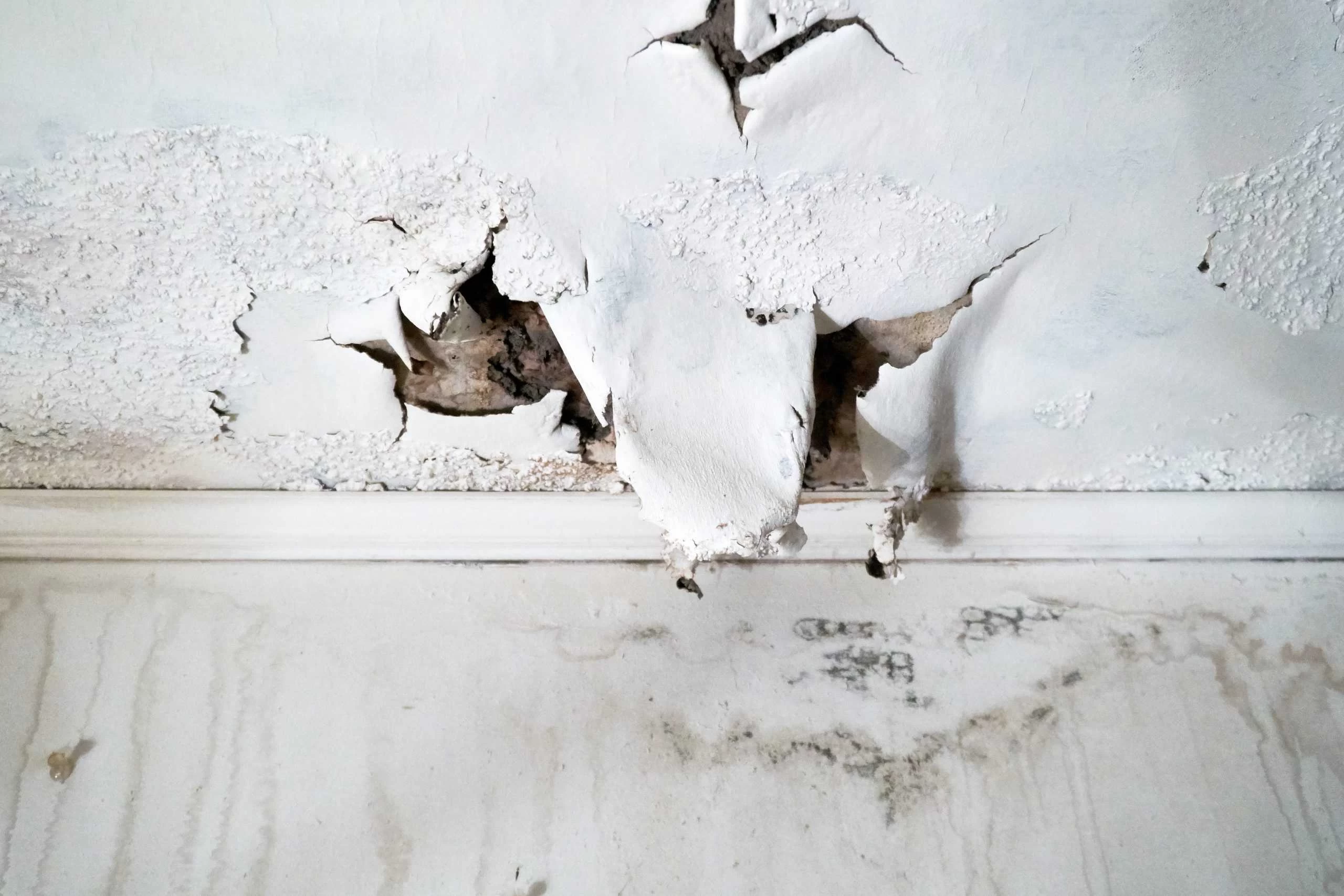
Most people don’t find mold — mold finds them. A musty smell that won’t go away. A family member who keeps getting sick for no obvious reason. A water stain on the ceiling from a leak you thought you fixed months ago. These aren’t random annoyances. They’re often the first signals of a mold problem that’s already taken hold somewhere you can’t see. In Nassau County, where humidity off the Atlantic stays high for months and a lot of the housing stock is pushing 60 or 70 years old, those signals show up more often than most homeowners expect. Here’s what to look for — and what to do about it.
Mold Inspection: What Professional Detection Actually Looks Like
A professional mold inspection is not someone walking through your home with a flashlight. It’s a systematic process that combines visual assessment with technology specifically designed to find moisture and mold growth in places you’d never think to look. The goal isn’t just to confirm what you can already see — it’s to find what you can’t.
We use moisture meters to measure water content inside building materials like drywall and wood. Readings above 16% are a red flag, even when the surface looks and feels completely dry. Thermal imaging cameras detect temperature differences inside walls and ceilings that point to hidden moisture — the kind that’s been sitting there long enough to grow something. Air sampling captures spore concentrations in the air and compares them against outdoor baseline levels, which tells us whether there’s an active mold source somewhere in the building. Surface sampling identifies specific mold species when visible growth is present.
No single method tells the whole story. That’s why a thorough inspection uses all of them together.
Black Mold Testing: What It Is and Why Visual ID Isn't Enough
Black mold gets a lot of attention, and for good reason — but the term gets used loosely in ways that create real confusion. When people say “black mold,” they usually mean Stachybotrys chartarum, a specific species associated with prolonged moisture exposure and serious health concerns. The problem is that not every dark-colored mold is Stachybotrys, and Stachybotrys itself doesn’t always look black. It can appear dark green, gray, or brown depending on the surface and the stage of growth.
You cannot identify Stachybotrys — or rule it out — by looking at it. The only way to confirm what species you’re dealing with is laboratory analysis of a collected sample. That matters because the remediation approach, the scope of the work, and the health precautions involved can all vary depending on what’s actually growing in your home.
There’s another thing worth understanding about black mold specifically: its presence almost always indicates a chronic moisture problem, not a recent one. Stachybotrys needs sustained dampness to establish itself. If it’s found in your home, it means moisture has been sitting somewhere long enough for a slow-growing, water-loving organism to take hold. That’s a signal about your building’s history, not just its current condition.
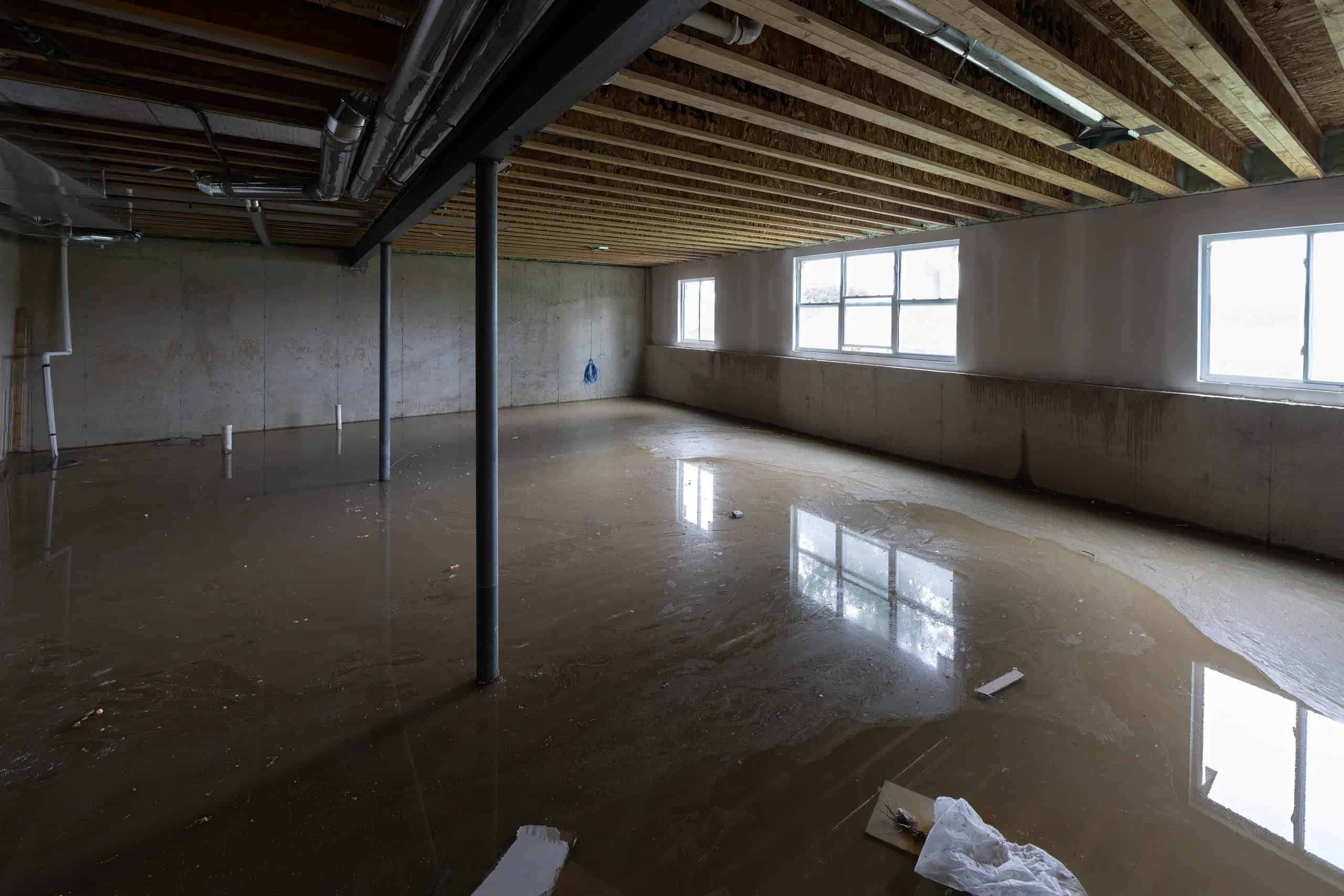
In Nassau County, this comes up frequently in homes along the South Shore — communities like Long Beach, Oceanside, Freeport, and Merrick — where the combination of high water tables, proximity to the bay, and the lingering effects of Hurricane Sandy in 2012 created conditions that allowed mold to establish itself in wall cavities and under flooring. More than a decade later, some of those homes still have unresolved moisture problems that never got properly addressed. Black mold testing in those situations isn’t just about confirming a suspicion — it’s about understanding the full scope of what happened and what still needs to be fixed.
Why DIY Mold Test Kits Fall Short of a Real Assessment
DIY mold test kits are widely available and inexpensive, and they do technically detect mold — but that’s a low bar, because mold spores exist naturally in the air everywhere. The question a useful mold test has to answer isn’t “is mold present?” It’s “is there an active indoor mold source, where is it, what species is it, and how serious is the problem?” A petri dish sitting on your kitchen counter for 48 hours cannot answer any of those questions.
What DIY kits miss is context. They can’t tell you whether the spore levels in your home are elevated compared to outdoor baseline levels. They can’t locate the source. They can’t detect mold growing inside a wall cavity or under a subfloor. They can’t identify species with the specificity needed to determine health risk or guide a remediation approach. And critically, they don’t produce the kind of documented, lab-verified results that hold up for insurance claims or real estate disclosures.
Under New York State Labor Law Article 32, which has been in effect since January 2016, anyone performing mold assessment for compensation in New York must hold a valid NYSDOL Mold Assessor license. This law also requires that the assessor and the remediator be separate parties — the same company cannot legally do both, specifically to prevent the conflict of interest that comes from a contractor inspecting their own work. That separation exists to protect you.
This matters in practical terms. If you’re buying or selling a home in Nassau County, a DIY kit result won’t satisfy the mold disclosure requirements that went into effect in June 2023 under New York’s updated Property Condition Disclosure Statement. And if you’re filing an insurance claim, an unlicensed inspection report may not be accepted at all. Professional testing isn’t just more accurate — in New York, it’s the only version that carries legal weight.
Early Warning Signs Nassau County Homeowners Tend to Overlook
Some mold warning signs are obvious. Visible dark growth on a bathroom ceiling or basement wall is hard to miss. But the signs that tend to go unaddressed the longest are the subtle ones — the ones that feel easy to explain away or put off until later.
A persistent musty or earthy smell, especially in a basement, crawl space, or room with limited ventilation, is one of the most reliable indicators of hidden mold growth. If the smell intensifies when the HVAC system runs, that’s a specific red flag — it can mean mold has established itself in the ductwork and is being distributed through the home every time the system kicks on. Respiratory symptoms that improve when you leave the house and return when you come back are another signal worth taking seriously, particularly for children and older adults who tend to show effects first.
Nassau County's Coastal Climate and Why Mold Risk Here Is Different
Nassau County’s geography creates a mold risk profile that’s genuinely different from inland markets, and it’s worth understanding why. The Atlantic Ocean and Long Island Sound keep outdoor humidity elevated for months at a time — regularly above 60%, which is the threshold at which mold growth accelerates. When ambient humidity stays that high, indoor surfaces take longer to dry after any moisture event, and that extended drying window is exactly what mold needs to get started.
Salt air compounds the problem in ways that aren’t obvious at first. It affects how building materials respond to moisture, accelerates certain types of corrosion, and changes the dynamics of how structures dry after water intrusion. A remediation approach that works well in an inland market may need to be adjusted for a home three blocks from the water in Long Beach or Port Washington.
Then there’s the housing stock. A significant portion of Nassau County’s homes were built during the post-World War II suburban boom — Levittown, developed in the late 1940s, is the most famous example, but the same construction era applies across much of Hempstead, Hicksville, Massapequa, and dozens of other communities. These homes were built before modern vapor barriers, moisture-resistant building materials, and the ventilation standards we take for granted today. Their wall cavities, crawl spaces, and attic assemblies can trap moisture in ways that newer construction typically doesn’t.
Add to that the high water table in South Shore communities, where basements and crawl spaces sit in chronically damp soil conditions regardless of surface weather, and you have a combination of factors that makes proactive mold detection genuinely important — not just something to think about after you already smell something.
Mold Health Risks: What the Research Actually Says
The health effects of mold exposure are real and well-documented. The Institute of Medicine found sufficient evidence as far back as 2004 to link indoor mold exposure to upper respiratory symptoms, cough, and wheeze in otherwise healthy people — and to more serious outcomes in people with asthma, compromised immune systems, or conditions like hypersensitivity pneumonitis. The World Health Organization reinforced this in 2009, recognizing damp indoor environments as a significant global health concern. More recent research has also suggested a potential link between early mold exposure and asthma development in children who may be genetically susceptible.
What makes this complicated in practice is that symptoms often look like something else — a persistent cold, seasonal allergies, unexplained fatigue, recurring headaches. People spend months treating the symptoms without ever identifying the source. The pattern that tends to point toward indoor mold is symptoms that improve when you’re outside or away from home for an extended period and return or worsen when you’re back inside.
It’s also worth knowing that there are no federal EPA standards for acceptable indoor mold spore concentrations. There’s no number you can test against to determine whether your home is “safe.” What professional air sampling measures is whether indoor spore levels are significantly elevated compared to outdoor baseline levels — and whether the species present indoors suggest an active growth source. That’s a judgment that requires a trained assessor with the right equipment, not a kit and a chart.
For Nassau County families — especially those in older homes, flood-affected neighborhoods, or homes with a history of water damage — getting a professional assessment is less about confirming a worst-case scenario and more about having accurate information. Knowing what’s actually in your home is the only way to make a real decision about what to do next.
When to Schedule a Professional Mold Inspection in Nassau County
If something feels off — a smell you can’t locate, symptoms that follow you home, a water event that you thought dried out on its own — trust that instinct. Mold doesn’t get smaller on its own, and the 24 to 48 hours after water exposure is when intervention actually changes the outcome. Waiting to see if it gets worse almost always means a bigger problem and a higher cost.
The good news is that a professional inspection gives you real answers, not just reassurance. You’ll know what’s there, where it is, what species you’re dealing with, and what it will take to resolve it. That information is worth having whether you’re planning to stay in your home for decades or preparing to list it under New York’s current mold disclosure requirements.
We’ve been working in Nassau County and across Long Island for over 12 years. If you have questions or want to schedule an inspection, reach out — we’re available 24 hours a day, every day of the year, and we offer financing up to $200,000 at 0% APR so cost doesn’t have to be the reason you put this off.