Summary:
Why the 24-48 Hour Window Matters for Mold Prevention
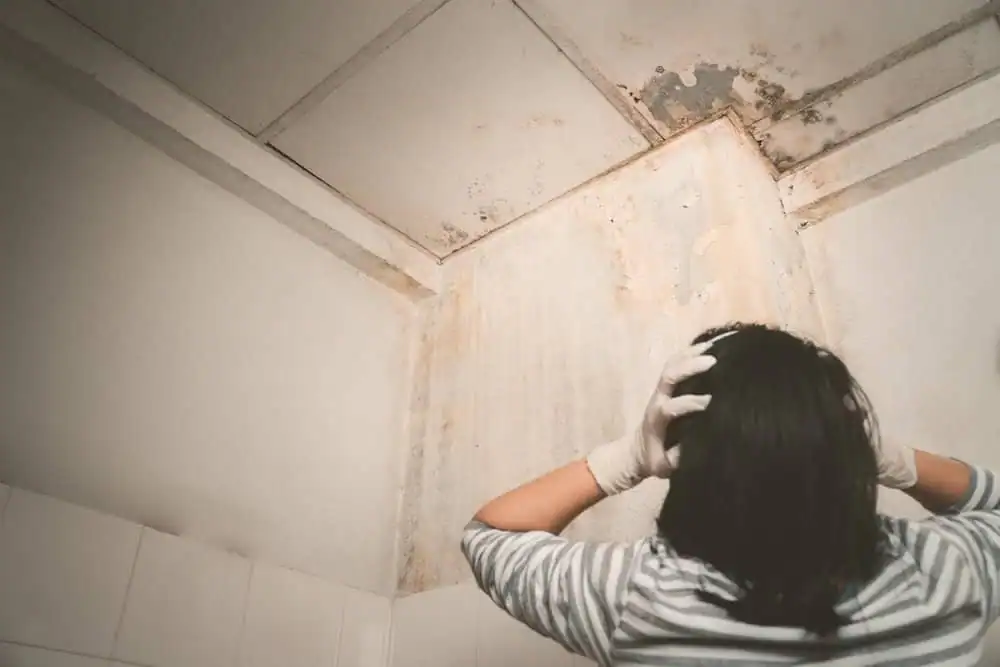
The EPA and CDC both confirm the same timeline: mold can begin developing on wet surfaces within 24 to 48 hours after water exposure. At that early stage, you won’t see anything yet. The spores are microscopic.
But they’re there. And they’re multiplying.
It usually takes 18 to 21 days for mold colonies to become visible. By then, the problem has already spread through your walls, insulation, and anywhere else moisture has settled. That’s why the first two days after water damage are critical—not just for drying what you can see, but for eliminating moisture in places you can’t.
Long Island homes face an added challenge. High humidity during summer months and salt air from coastal areas both accelerate mold growth. What might take three days in a drier climate can happen in 36 hours here. That’s especially true in basements, crawl spaces, and wall cavities where airflow is limited.
How Mold Grows in Long Island Homes After Water Damage
Mold spores are everywhere—in outdoor air, indoor air, on surfaces. That’s normal. They only become a problem when they land on something wet and have enough time to establish colonies.
When water damage happens, whether from a burst pipe or storm flooding, those spores immediately have the moisture they need. Add in organic materials like drywall, wood framing, insulation, or carpeting, and you’ve created the perfect environment for mold to thrive.
Temperature matters too. Mold grows fastest between 70 and 90 degrees—exactly the range most Long Island homes maintain year-round. Combine that with our humid summers, and you understand why we emphasize speed in professional water damage restoration.
Here’s what actually happens in the hours after water damage. Within the first 24 hours, water migrates through porous materials. Drywall absorbs moisture like a sponge. Insulation becomes saturated. Wood framing starts to swell. Carpeting and padding hold water against the subfloor.
During hours 24 to 48, mold spores begin colonizing these wet surfaces. You still won’t see anything, but the biological process has started. The spores are attaching, germinating, and beginning to spread.
After 48 hours, if moisture remains, mold colonies start growing exponentially. They release more spores into the air, which settle on other damp surfaces and start new colonies. This is when the problem shifts from prevention to remediation—and the cost jumps significantly.
The challenge for homeowners is that most of this happens behind walls, under floors, and in other hidden spaces. You might dry the visible surfaces and think you’re done, while moisture trapped in wall cavities or insulation continues feeding mold growth for weeks.
That’s why we focus on finding and eliminating hidden moisture, not just removing standing water.
What Makes Nassau and Suffolk County Homes More Vulnerable
Nassau and Suffolk County homes deal with specific factors that make mold prevention more challenging than in other regions.
The coastal climate creates consistently high humidity levels, especially from June through September. When outdoor humidity stays above 60%, any moisture inside your home takes longer to dry naturally. That extended drying time gives mold more opportunity to establish itself.
Salt air from the Atlantic Ocean and Long Island Sound doesn’t just affect metal and paint. It creates a corrosive environment that complicates the drying process and affects building materials differently than inland areas. We account for this when choosing drying methods and replacement materials.
Many Long Island homes were built decades ago, before modern moisture barriers and building codes. These older homes often have construction methods that trap moisture in wall cavities, under floors, and in attic spaces. Water can travel through these older systems and settle in places that are difficult to access and dry.
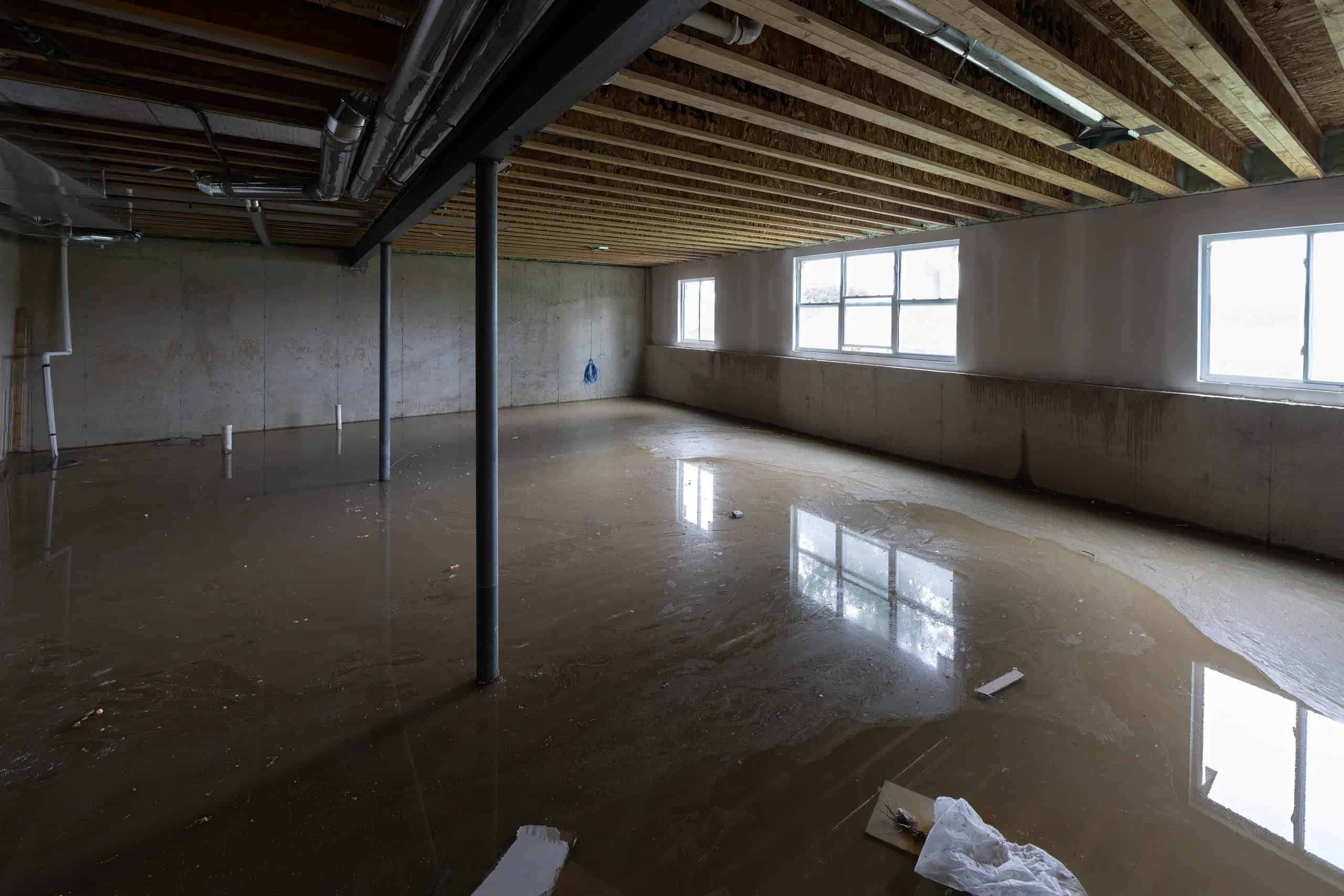
Basements are particularly problematic. A significant number of Nassau and Suffolk County homes have basements that sit close to the water table. These spaces are naturally prone to moisture issues even without active flooding. When water damage occurs, basements become priority areas for professional drying because they’re already at higher risk.
Storm patterns matter too. Long Island experiences nor’easters, hurricanes, tropical storms, and heavy rainfall events that can overwhelm drainage systems and push water into homes through multiple entry points. These aren’t isolated incidents—they’re recurring challenges that make professional water damage restoration a necessary service rather than an occasional need.
The combination of these factors means that DIY drying approaches rarely work effectively here. Consumer-grade fans and dehumidifiers simply aren’t powerful enough to handle the moisture load, especially in the humid conditions that persist for months each year.
We use industrial-grade equipment specifically designed for these challenging conditions. We understand how moisture behaves in coastal climates and which materials are most at risk in Long Island’s specific environment.
Industry Best Practices That Actually Prevent Mold Growth
Professional water damage restoration follows proven protocols refined over decades of field experience. These aren’t theoretical approaches—they’re the methods that actually prevent mold growth in real homes under real conditions.
The process starts with rapid response. Every hour of delay increases the risk of mold colonization. We aim to arrive within hours of your call, not days. That speed matters because the 24-48 hour window includes travel time, assessment time, and equipment setup time.
Once on site, we conduct a thorough assessment using tools that homeowners don’t have access to. Moisture meters measure water content in materials. Thermal imaging cameras detect temperature differences that indicate hidden moisture. These tools reveal the full extent of water damage, including areas that look dry but are actually saturated.
How Thermal Imaging Finds Hidden Moisture Before Mold Starts
Thermal imaging technology has changed how we approach water damage. These cameras don’t detect water directly—they detect temperature differences on surfaces. But those temperature differences reveal exactly where moisture is hiding.
When water evaporates, it creates a cooling effect. Wet materials appear cooler than dry materials on a thermal image. This allows our technicians to see moisture patterns through walls, ceilings, and floors without cutting holes or causing additional damage to your home.
This technology is especially valuable in Long Island homes where water can travel through older construction methods and settle far from the original leak or flood source. A pipe burst on the second floor might create moisture problems in first-floor walls or even the basement. Thermal imaging reveals these hidden moisture paths.
The cameras show the full extent of water migration, which helps us determine which materials need immediate attention and which areas require monitoring. This prevents the common problem of drying visible surfaces while missing moisture that’s trapped behind finished walls or under flooring.
Nassau County homes built decades ago often have architectural features that create hidden spaces where moisture can accumulate. Thermal imaging finds these problem areas without requiring destructive investigation. You get accurate information about where moisture exists without unnecessary demolition.
We combine thermal imaging with moisture meters to confirm findings. The camera shows where to look; the moisture meter measures exactly how wet the material is. This two-step approach ensures nothing gets missed.
For Long Island homeowners, this technology means faster, more complete drying. Instead of guessing where moisture might be hiding, we know exactly which walls, floors, and ceilings need attention. That precision prevents mold growth by eliminating moisture in all affected areas, not just the obvious ones.
The investment in thermal imaging pays for itself by preventing the much higher cost of mold remediation. Finding and drying hidden moisture during the initial response is exponentially cheaper than discovering mold colonies weeks or months later.
When Saturated Materials Need Replacement vs. Industrial Drying
Consumer dehumidifiers from hardware stores remove maybe 50 to 70 pints of moisture per day. Industrial dehumidifiers used in professional water damage restoration remove 150 to 285 pints per day. That’s not a minor difference—it’s the difference between materials drying within the critical 48-hour window or staying wet long enough for mold to establish.
We use LGR (low-grain refrigerant) dehumidifiers that create extremely dry air conditions. These units don’t just remove moisture from the air—they pull moisture out of materials like drywall, wood framing, and insulation. The equipment runs continuously, monitored by our technicians who adjust settings based on moisture readings.
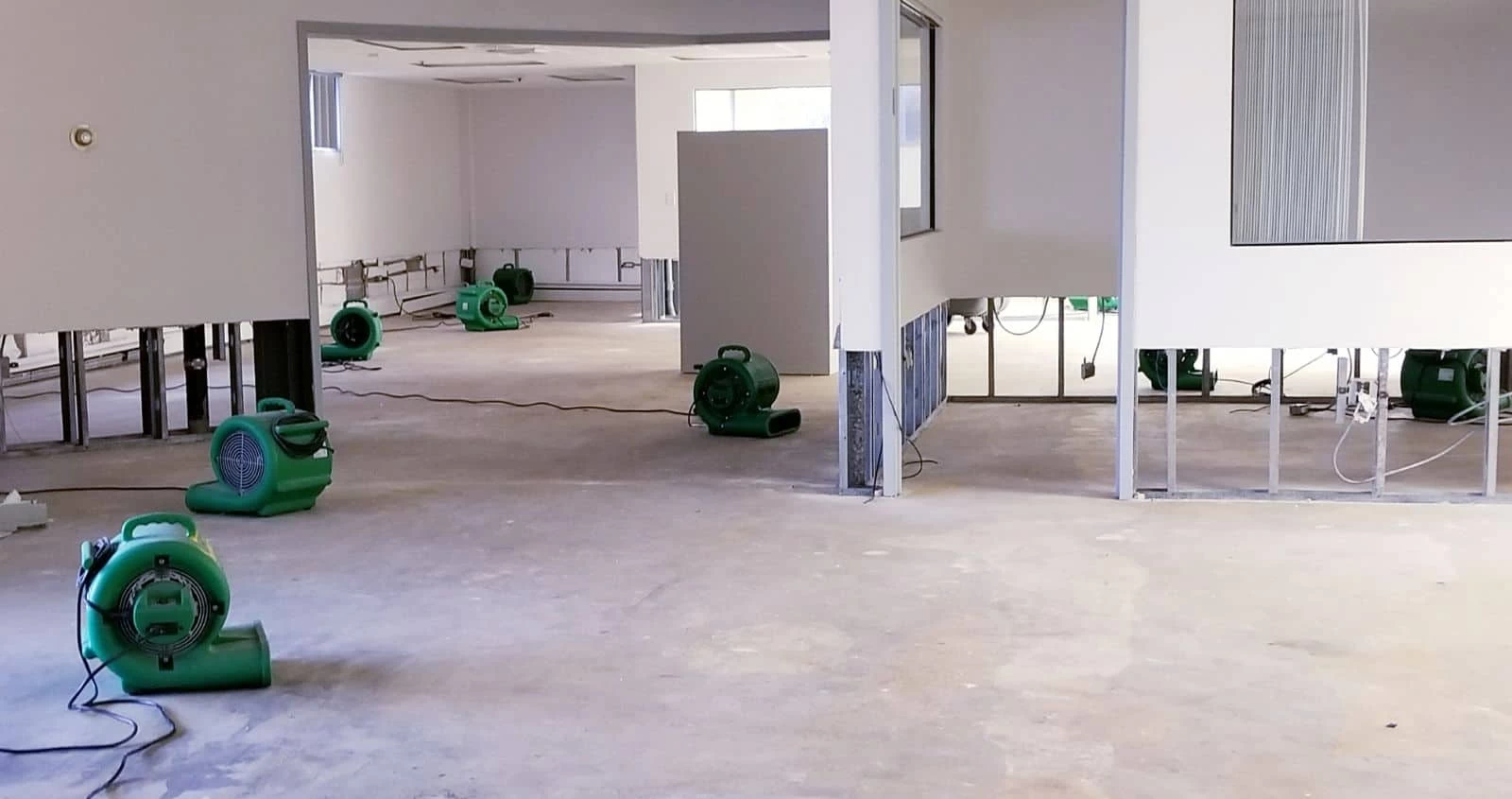
Air movers work alongside dehumidifiers to create proper airflow. These aren’t household fans—they’re industrial units that move thousands of cubic feet of air per minute. The airflow accelerates evaporation from wet surfaces, and the dehumidifiers capture that moisture before it can settle elsewhere or be reabsorbed.
The drying process typically takes three to five days for most water damage scenarios, depending on the extent of saturation and the materials involved. Our technicians monitor moisture levels daily, adjusting equipment placement and settings to optimize drying conditions.
But not everything can be saved, even with industrial equipment. Some materials are too saturated or too contaminated to dry effectively.
Insulation is one of the most common materials that requires replacement. Cellulose insulation, made from recycled paper products, absorbs water readily and becomes a perfect breeding ground for mold. Even if you could dry it completely, it rarely returns to its original thickness and insulating properties. Fiberglass insulation doesn’t absorb water, but the paper or foil facing attached to batts does. Once saturated, fiberglass loses its loft and can lose up to 40% of its insulating value even after drying.
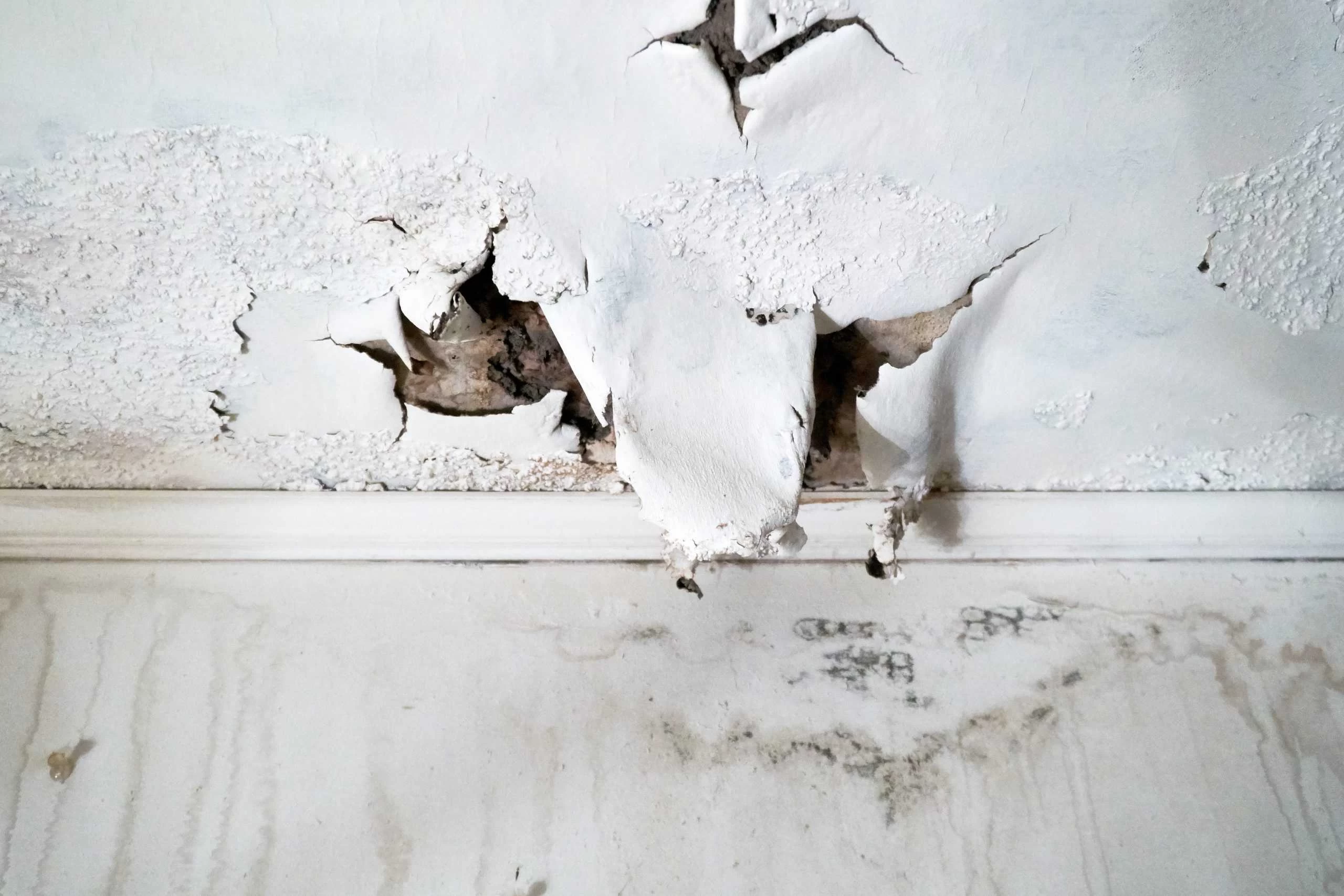
Drywall can sometimes be saved if it’s dried within 48 hours and the water source was clean. But drywall that’s been wet for more than two days, or that’s been exposed to contaminated water from sewage or flooding, needs replacement. The material becomes soft, loses structural integrity, and provides ideal conditions for mold growth even after surface drying.
Carpeting and padding are judgment calls that depend on the water source and how quickly drying begins. Clean water from a supply line that’s extracted within hours might allow carpet to be saved. But padding almost always needs replacement—it’s too dense to dry effectively and holds moisture against the subfloor, creating mold risk.
We make these material decisions based on industry standards, not guesswork. We understand which materials can be salvaged and which ones create ongoing mold risk if left in place. This expertise prevents the common homeowner mistake of trying to save materials that will cause problems later.
For Long Island homes, material decisions also account for the coastal climate. Materials that might be salvageable in a dry climate often need replacement here because our humidity makes complete drying more difficult. We factor in these regional considerations when determining what stays and what goes.
The goal isn’t to maximize demolition—it’s to eliminate mold risk completely. Sometimes that means replacing materials that look fine on the surface but are holding moisture internally. Other times it means using specialized drying techniques to save materials that homeowners assumed were ruined.
This is where professional assessment makes the biggest difference. Our technicians have seen thousands of water damage scenarios and know from experience which materials will dry successfully and which ones will become mold sources later. That knowledge protects your home and your family from problems that might not appear for weeks or months.
Protecting Your Home from Mold After Water Damage Strikes
Water damage creates a narrow window for effective mold prevention. The 24-48 hour timeframe isn’t negotiable—it’s based on how quickly mold spores colonize wet surfaces under the humid conditions that exist in Nassau and Suffolk County homes.
We use thermal imaging to find hidden moisture, industrial dehumidification to dry materials completely, and expert assessment to determine which materials need replacement. These aren’t optional upgrades—they’re the proven methods that actually prevent mold growth in Long Island’s challenging coastal climate.
Every hour you wait increases the risk and the cost. What starts as water extraction and drying can become mold remediation and reconstruction if moisture remains hidden in walls, floors, or insulation.
If water damage has affected your home, Green Island Group provides 24/7 emergency services throughout Nassau and Suffolk County. We understand the specific challenges Long Island homeowners face and have the equipment and experience to prevent mold before it starts.