Summary:
When you’re looking at mold in your basement or behind your drywall, the last thing you want is a contractor who hands you a vague “100% satisfaction guarantee” and calls it protection. What does that actually mean? What happens if the mold comes back?
These are the right questions — and in New York State, there are real legal answers. Before any licensed mold contractor can start work in your home, the law requires specific written documentation. Understanding what that looks like, and what it protects you from, is the difference between a job done right and one you’ll be paying for twice.
What Is a Licensed Mold Remediation Contractor in New York?
New York State enacted Article 32 of the Labor Law on January 1, 2016 — the first statewide mold licensing law in the country. It didn’t happen in a vacuum. It was a direct response to the wave of mold remediation fraud that swept through Nassau County and surrounding communities in the aftermath of Hurricane Sandy.
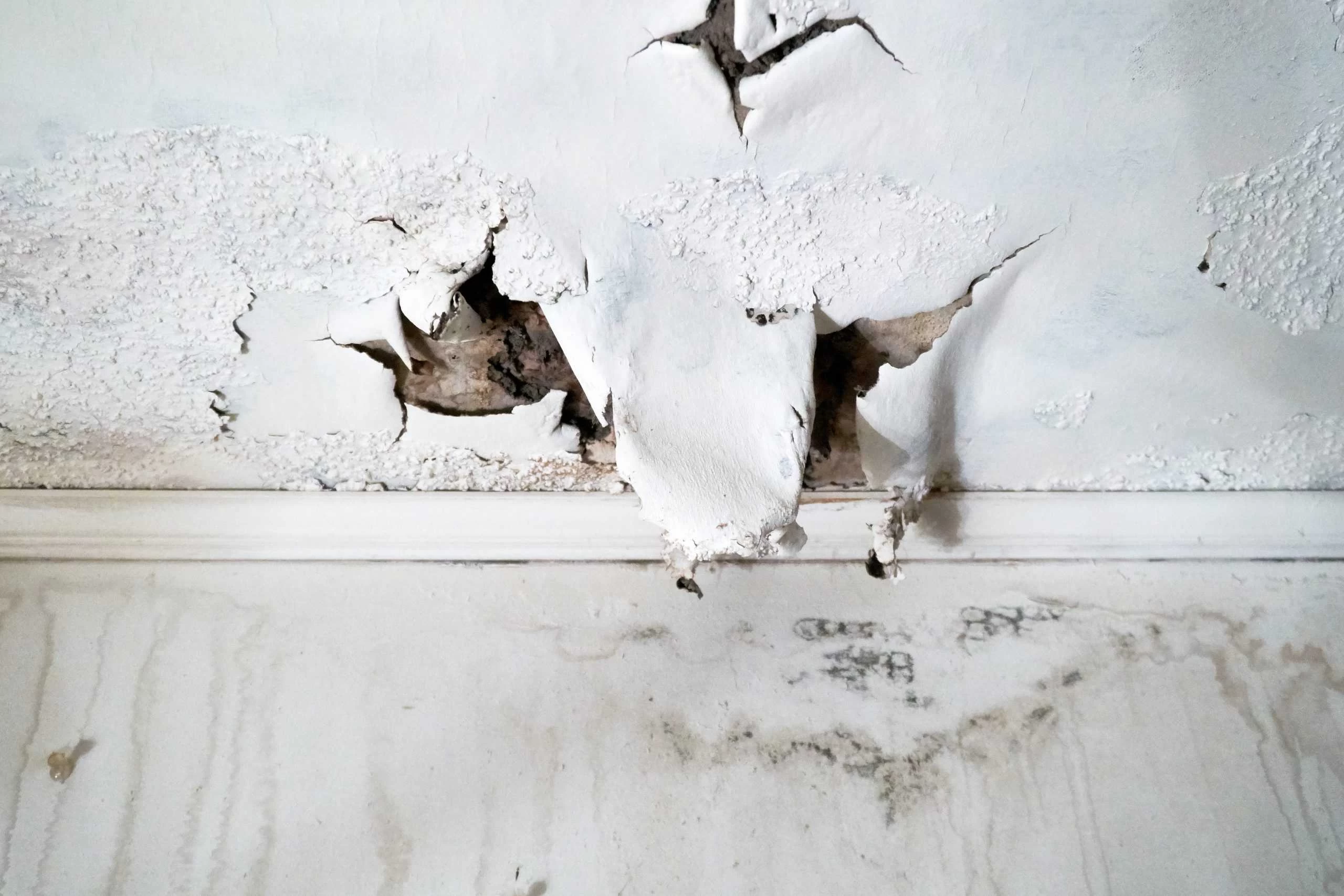
Homeowners who had already been through the worst paid contractors to fix their mold problems, and in too many cases, the mold came back within months because the work was incomplete, unlicensed, or both. Under Article 32, any mold remediation project covering 10 square feet or more requires a licensed NYS Department of Labor Mold Remediation Contractor. Not just someone with a pressure washer and a can of bleach — a contractor who has completed approved training, passed state requirements, and holds a license that must be renewed every two years.
That license is verifiable on the NYSDOL’s public database. If a contractor can’t give you their license number, that’s your answer.
Licensed Mold Remediation Contractor: What That Actually Means
The word “certified” gets used loosely in this industry. You’ll see it on trucks, websites, and business cards — but it can mean anything from a legitimate IICRC credential to a self-issued designation that required nothing more than a form submission.
At the company level, the credentials that actually matter are the ones that require external vetting. The NYS DOL Mold Remediation Contractor license is the legal baseline — without it, the work is illegal. Beyond that, IICRC certification in Applied Microbial Remediation (AMRT) reflects specific technical training in mold assessment, containment, and removal protocols. The IICRC’s S520 Standard for Professional Mold Remediation, updated in 2024, is the national benchmark for how this work should be done.
There’s also a structural certification question that most homeowners in Nassau County don’t think to ask: is the company also licensed to handle asbestos and lead paint? A large portion of Nassau County’s housing stock was built before 1980. That means Cape Cods in Levittown, colonials in Massapequa, and hi-ranch homes in Oceanside almost certainly contain regulated materials — asbestos floor tiles, pipe insulation, lead-based paint — that become a problem the moment mold remediation disturbs them.
A mold contractor who isn’t also licensed for asbestos abatement and lead handling under USEPA and NYS DOL requirements can’t legally finish the job if those materials turn up. That creates a mid-project stoppage, additional costs, and a gap in your protection. We hold the NYS DOL Mold Remediation Contractor license, IICRC certifications in AMRT, WRT, and ASD, USEPA Lead and RRP certifications, and NYS DOL Asbestos Handler licensing — all under one contractor. In Nassau County’s older housing stock, that matters more than most homeowners realize until it’s too late.
Reputable Mold Remediation Companies: Building Credibility Through Verification
Reputation in this industry is easy to claim and hard to verify — unless you know what to look for. A company that’s been operating for 12 years and has completed over 5,000 projects across New York State has a track record that can be checked. One that was licensed last year and has three Google reviews cannot offer the same.
Government contracts are one of the most reliable external signals of a contractor’s credibility. We hold active contracts with the NYS Office of General Services, the NYS Office of Mental Health, the NYS Office of People with Developmental Disabilities, the Dormitory Authority State of New York, the NYS Office of Parks Recreation and Historic Preservation, and both Nassau and Suffolk County governments. These aren’t relationships you get by submitting a form — they require independent vetting of licensing, insurance, and operational capability.
The same standard the state applies to its own facilities is the standard we bring to your home. NYS and NYC M/WBE Certification is another external credential worth noting. It’s issued by the NYS Office of General Services and requires documented verification of business ownership, financial standing, and operational capacity. It’s not self-reported.
For a Nassau County homeowner trying to figure out which contractors are legitimate and which are not, these externally verified credentials are the clearest signal available. One more thing worth understanding: the NYSDOL has increased enforcement activity in 2025 for Article 32 compliance. That means the risk of hiring an unlicensed contractor — and the consequences of doing so — are higher right now than they’ve been in recent years.
Verifying a contractor’s license before signing anything isn’t just good practice. In Nassau County’s current enforcement environment, it’s essential.
What New York's Mold Law Actually Requires in Writing Before Work Begins
Here’s the part most homeowners don’t know — and that most contractors don’t volunteer. Under Section 945 of New York’s Labor Law, before any licensed mold remediation project of 10 square feet or more can begin, a licensed NYS Mold Assessor must produce a written remediation plan. Not a verbal walkthrough. Not a handshake agreement. A written document.
That plan must specify the rooms and areas where work will be performed, the estimated quantities of materials to be cleaned or removed, the methods to be used, the PPE requirements for workers, the proposed clearance procedures and criteria, occupant notification requirements, the estimated cost and timeframe, and — critically — the identified moisture source and who should address it. All eight elements, in writing, before a single piece of containment goes up.
What Voids a Mold Remediation Guarantee — and Who's Responsible If Mold Returns
This is the question that matters most, and it’s the one most homeowners only think to ask after the mold comes back.
A legitimate mold remediation guarantee covers the contractor’s workmanship — specifically, whether the remediation was performed completely and correctly in the areas specified in the written work plan. What it does not cover is mold that returns because the underlying moisture source was never fixed. That distinction is not fine print. It’s the central logic of how these guarantees work.
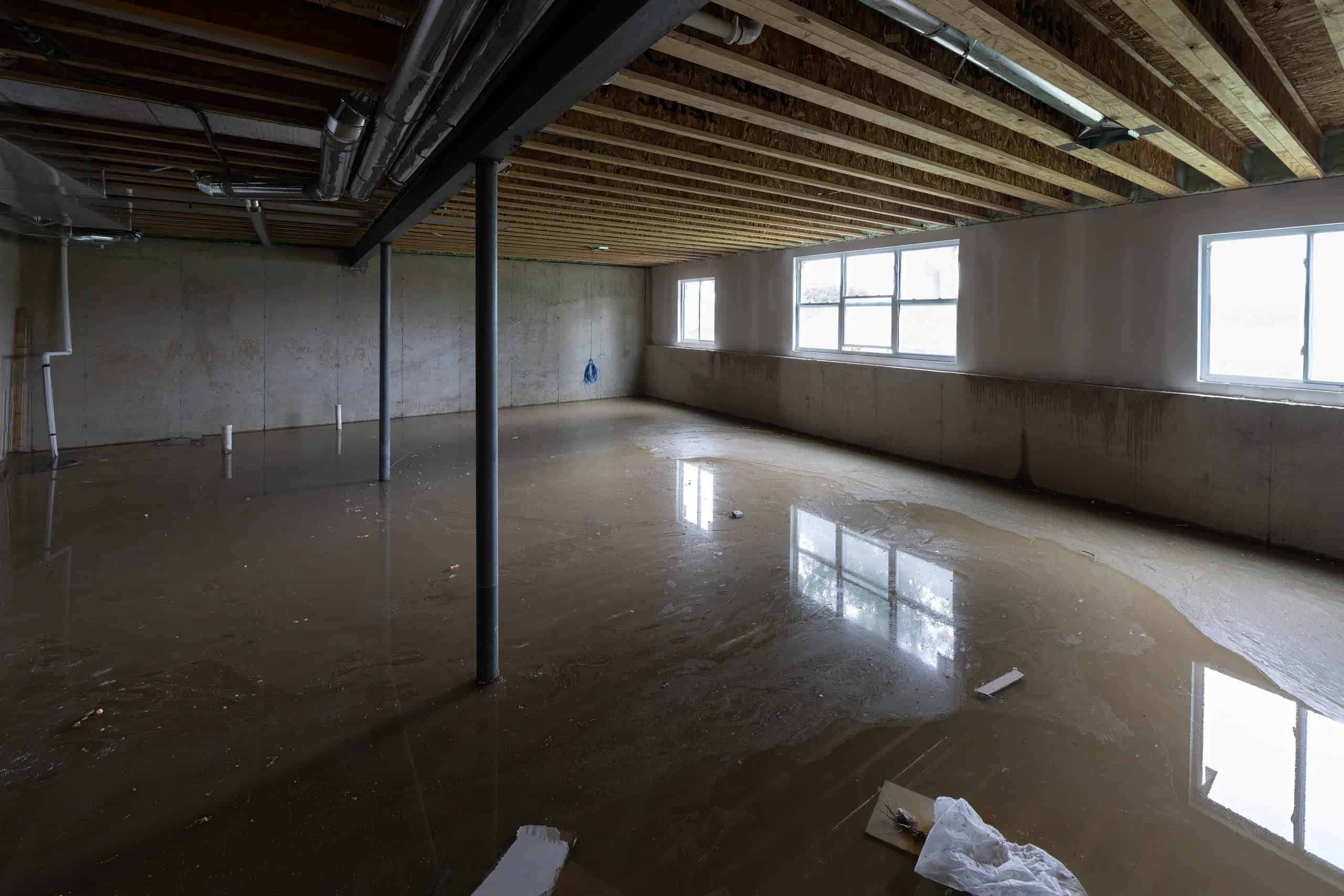
If your basement flooded because of a failed sump pump and the mold was remediated but the sump pump was never replaced, the moisture problem didn’t go away — it just hasn’t triggered new growth yet. When it does, that’s not a failure of the remediation. It’s a failure to address the root cause. The Section 945 written work plan is specifically required to identify the moisture source and recommend who should address it. That requirement exists precisely to prevent this scenario — or at least to make clear in writing whose responsibility it is.
Nassau County’s conditions make this especially relevant. The county sits between the Atlantic Ocean and Long Island Sound, with average summer relative humidity above 70%. The water table in Long Island’s sandy, permeable soil is naturally high, which means groundwater finds its way into below-grade spaces — basements, crawl spaces — more readily than in most other markets. For homeowners in South Shore communities like Long Beach, Freeport, or Oceanside, where storm surge and bay flooding are recurring realities, mold remediation without addressing drainage or waterproofing is a temporary fix at best.
The other thing that voids a guarantee quickly: incomplete work driven by budget constraints. When a homeowner can’t afford the full scope of remediation and the contractor cuts corners to fit a number, the underlying problem doesn’t get resolved. That’s one reason we offer financing up to $200,000 at 0% APR through Enhancify — not as a sales pitch, but because incomplete remediation is the primary driver of mold recurrence, and cost shouldn’t be the reason a job gets done halfway.
The Post-Remediation Clearance Test: The Only Objective Proof the Job Was Done Right
Every mold remediation contractor will tell you the job went well. The clearance test is the only way to know for certain that it did — and under New York State law, it’s not optional.
After remediation is complete, a licensed Mold Assessor — a separate licensed entity from the contractor who did the work — must conduct a post-remediation assessment. This assessor evaluates whether the underlying moisture cause has been addressed and whether mold is reasonably unlikely to return from the remediated area. Containment cannot be removed until the assessor issues written clearance. That’s the law under Article 32, not a best practice some contractors choose to follow.
This mandatory separation between assessor and remediator is one of the most important consumer protections in the law — and one of the most commonly violated. It’s illegal in New York State for the same company to perform both the mold assessment and the mold remediation on the same property. If a contractor offers to handle your testing and your remediation under one roof, they’re describing an arrangement that Article 32 specifically prohibits. The conflict of interest is obvious: a contractor who grades their own work has no incentive to find problems.
For Nassau County homeowners, this separation matters in practical terms. The written clearance from an independent assessor is your documentation that the job met the legal standard — not the contractor’s word, not a satisfaction form they hand you at the end. It’s the closest thing to an objective, third-party guarantee that exists in this industry, and it’s already built into what New York law requires.
Any contractor telling you clearance testing is unnecessary, optional, or an extra cost is either uninformed or hoping you won’t push back. We facilitate the independent clearance process as a standard part of our scope, not an upsell. The clearance assessment happens before containment comes down — because that’s what the law requires and because it’s the only way to know the work was actually finished.
How to Choose a Mold Remediation Contractor in Nassau County You Can Actually Trust
The short version: ask for the license number, confirm the written work plan is provided before work starts, and verify that an independent assessor — not the same contractor — will conduct the post-remediation clearance test. Those three things are legally required in New York State. If a contractor can’t deliver all three, the guarantee they’re offering has nothing behind it.
Nassau County’s housing stock, its coastal conditions, and its post-Sandy regulatory history make this market different from most. The law that governs mold remediation here exists specifically because of what happened to homeowners in this county. That context is worth understanding before you sign anything.
If you’re dealing with mold in your home and want to talk through what the process actually looks like — what the written work plan covers, what clearance testing involves, and what our licensing means for your specific situation — Green Island Group is available 24/7 and handles insurance billing directly, so there’s no paperwork on your end to get started.