Summary:
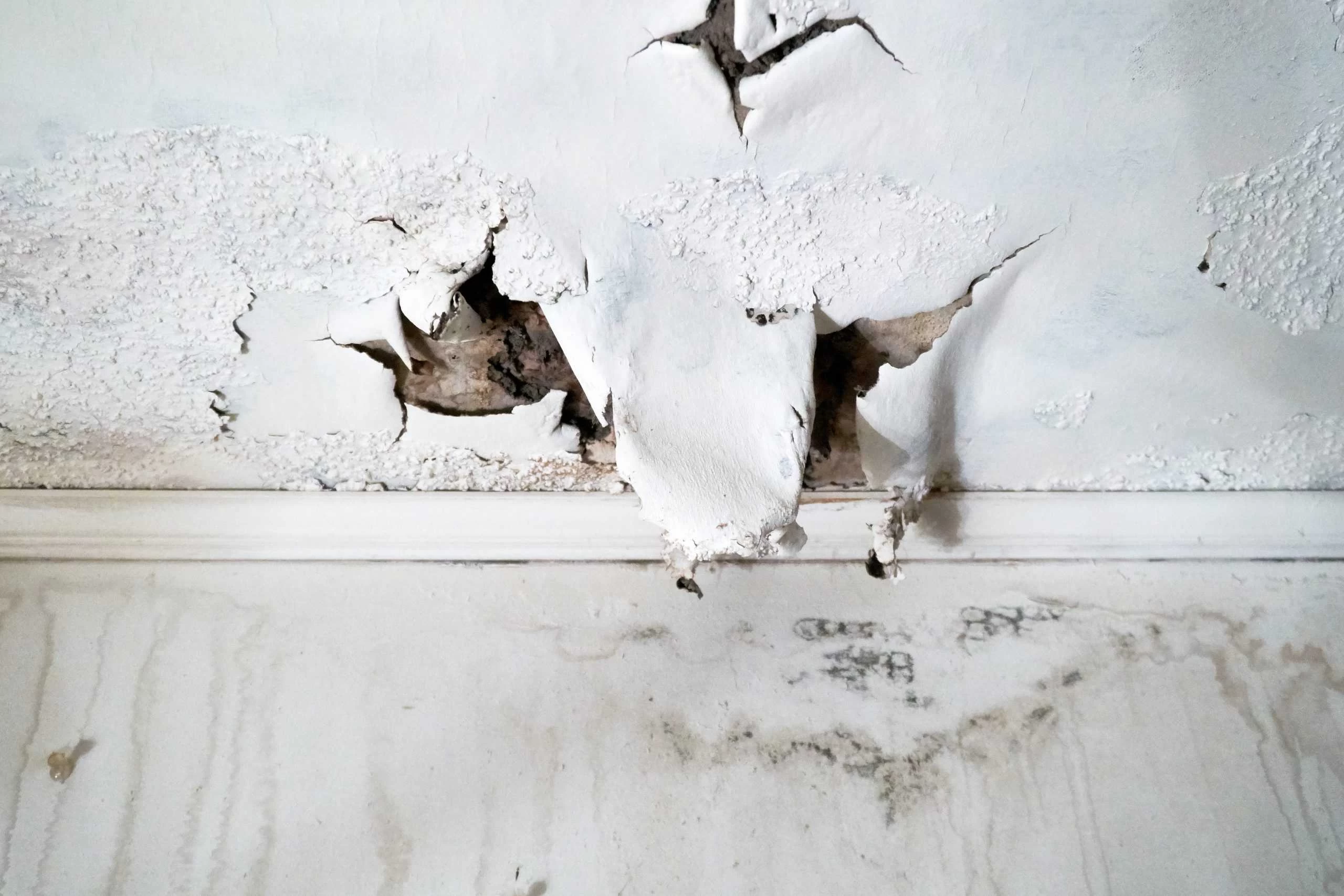
You noticed a smell first. Maybe a dark spot behind the vanity or along the basement wall. You’re not sure if it’s serious, whether to call someone, or what that call is even going to cost you. That uncertainty is exactly where most Nassau County homeowners get stuck — and it’s where problems get worse while decisions get delayed. This guide explains what professional mold remediation actually involves, what New York State law requires of any contractor you hire, and what the process looks like from the first inspection to the final clearance test.
Mold Clean Up: Why the Process Matters More Than the Product
A lot of people reach for bleach first. It’s understandable — bleach is cheap, it’s immediate, and it looks like it’s working. The problem is that bleach doesn’t penetrate porous materials like drywall, wood framing, or insulation, which is exactly where mold takes root. You’re killing what’s on the surface and leaving everything underneath intact. Within weeks, sometimes days, it’s back.
Real mold clean up is a structured process, not a product. It involves containment so spores don’t spread to unaffected areas, controlled removal of contaminated materials, treatment of structural surfaces, and verified air quality testing after the work is done. Each step exists for a reason, and skipping any one of them is the most common reason homeowners end up calling a second contractor to fix what the first one missed.
Professional Mold Removal vs. DIY: What Changes When a Specialist Gets Involved
When a professional mold remediation specialist arrives, the first thing they’re doing isn’t grabbing a brush — it’s assessing what you’re actually dealing with. Moisture meters, thermal imaging cameras, and visual inspection of wall cavities, attic spaces, and HVAC systems tell a trained eye things that aren’t visible from the surface.
In Nassau County, where the average single-family home is about 73 years old, that matters a lot. Homes built before 1978 often contain asbestos-containing materials and lead paint, and disturbing those materials during mold remediation without the proper licensing creates a second problem on top of the first.
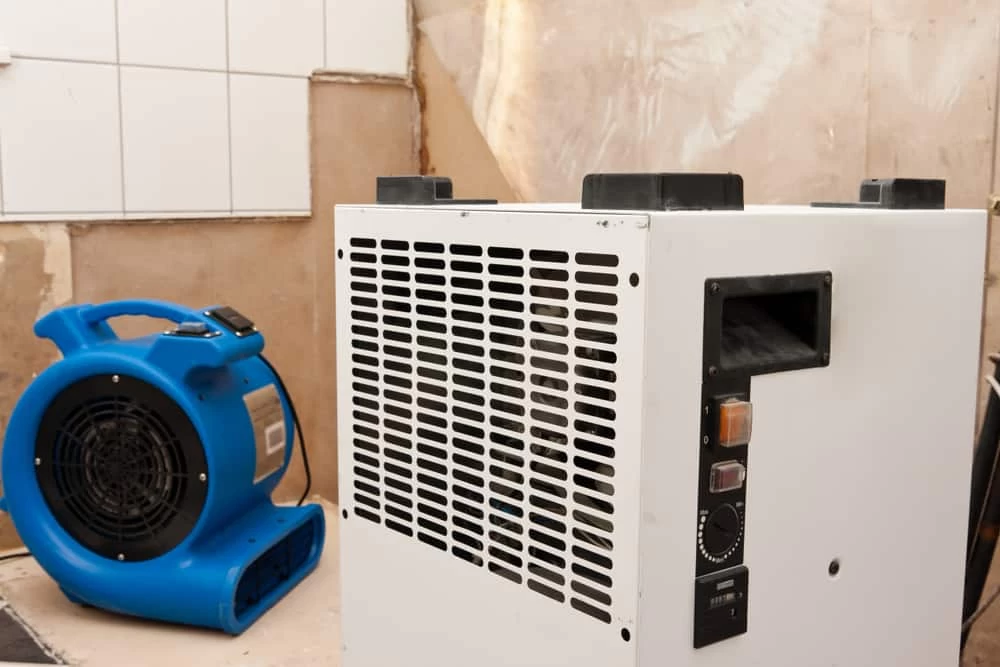
A mold remediation specialist brings equipment that isn’t available at a hardware store. Commercial dehumidifiers that can handle a saturated subfloor. HEPA air scrubbers that maintain negative air pressure inside a containment zone, pulling air outward so spores can’t escape into the rest of the house. Water extractors designed for structural materials, not just standing water. The difference between professional equipment and consumer equipment isn’t marginal — it’s the difference between actually drying a wall cavity and creating conditions where mold grows back faster than before.
There’s also a legal dimension that most homeowners aren’t aware of. Under New York State’s Article 32 — one of the only mandatory mold remediation licensing laws in the entire country — any project covering 10 square feet or more requires a licensed NYS Department of Labor Mold Assessor to inspect the property and produce a written remediation work plan before any work begins. The remediator cannot deviate from that plan. After the work is done, the same licensed assessor must return to conduct a post-remediation clearance test confirming the mold is actually gone. This isn’t optional, and it isn’t a formality — it’s the law, and it exists specifically to protect you.
Home Mold Remediation in Nassau County: Why Local Conditions Change the Equation
Nassau County sits between Long Island Sound to the north and the open Atlantic to the south. That dual-coast geography means coastal humidity is a year-round factor, not just a summer inconvenience. During summer months, humidity in communities like Long Beach, Oceanside, Wantagh, and Freeport regularly exceeds 60 percent — the threshold at which mold can begin growing within 24 to 48 hours of water exposure.
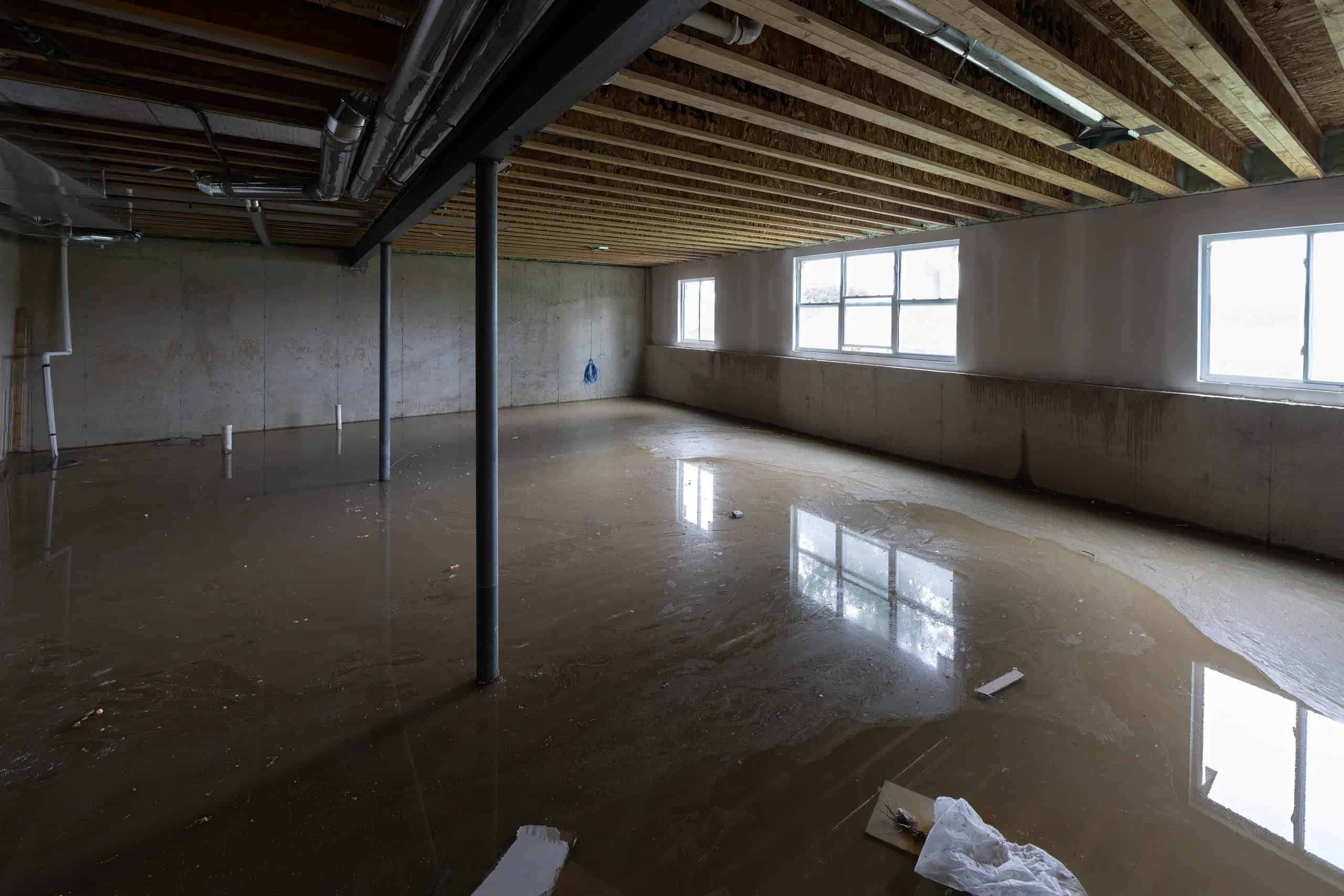
On the south shore, where much of the post-World War II development happened on formerly swampy land, chronic basement dampness isn’t unusual. It’s baked into the geography. Long Island’s sandy, permeable soil and relatively high water table mean groundwater finds its way into below-grade spaces more readily than in areas with clay-heavy soil.
A basement that stays dry through a mild winter can take on water during a heavy spring rain or a coastal storm in a way that surprises homeowners who’ve never seen it happen before. Hurricane Sandy’s 2012 flooding of south shore Nassau County communities is still a reference point in this industry — not just because of the immediate damage, but because a significant number of properties were remediated quickly and incompletely, leaving underlying moisture issues that have quietly fed mold growth ever since.
For house mold removal in this environment, the moisture source isn’t always obvious. It might be a slow roof leak that’s been saturating attic insulation for months. It might be condensation forming on cold pipes inside a wall cavity. It might be groundwater wicking up through a foundation slab. Finding the actual source — not just the visible mold — is what determines whether the remediation holds. Treating the surface without fixing what’s feeding it is like mopping a floor while the faucet is still running.
Mold Mitigation: The Six Steps NY Law Requires
Here’s how a properly conducted mold remediation job unfolds — the sequence that New York State’s Article 32 and the IICRC S520 professional standard both require. Understanding these steps is useful not just as background knowledge, but as a framework for evaluating any contractor you’re considering. If someone can’t explain all six of these steps clearly, that’s a signal worth paying attention to.
The process begins with an independent assessment by a licensed NYS DOL Mold Assessor — someone who is legally required to be separate from the company doing the remediation. That assessor produces a written work plan. Then the remediator establishes containment using 6-mil polyethylene sheeting sealed with duct tape and sets up HEPA air scrubbers to maintain negative pressure inside the work zone.
Contaminated materials — drywall, insulation, wood framing — that can’t be cleaned are removed and double-bagged. Remaining structural surfaces are HEPA-vacuumed, wet-wiped, and treated with antimicrobial agents. Air scrubbing continues throughout and after the work. Finally, the independent assessor returns for post-remediation verification — air and surface sampling that confirms clearance. If it fails, the remediator is responsible for re-cleaning.
Mold Testing and Remediation: Why the Assessor and Remediator Must Be Different Companies in New York
This is the part of New York’s mold law that surprises most homeowners. Under Article 32, the company that inspects your property and writes the remediation work plan cannot be the same company that does the remediation. They must hold separate licenses, and the assessor must operate independently. The reason is straightforward: if the same contractor is diagnosing the problem and billing for the solution, there’s a built-in financial incentive to find more mold than actually exists — or to write a scope of work that benefits the remediator rather than the homeowner.
Mold inspection and removal in New York is designed as a two-party system specifically to prevent that conflict of interest. The assessor’s job is to document what’s there, define the scope of work, and verify the outcome — with no financial stake in how much remediation gets done. The remediator’s job is to execute the plan, nothing more. If they find something unexpected inside a wall cavity, they stop and call the assessor before proceeding.
For mold testing contractors specifically, this means you should be asking two separate questions: who is performing the assessment, and are they licensed by the NYS Department of Labor as a Mold Assessor? You can verify a contractor’s license on the NYS DOL website — it’s a public record. Any contractor who tells you they handle both assessment and remediation under the same license is either misinformed about Article 32 or hoping you are. Either way, it’s a problem. The post-remediation clearance test — the final step that confirms the mold is actually gone — must also be conducted by the independent assessor, not the remediator who did the work.
Mold and Mildew Specialist vs. General Contractor: The Licensing Question Nassau County Homeowners Should Ask First
Not every contractor who offers mold services in Nassau County is legally qualified to perform them. New York State’s Article 32 makes it unlawful to advertise or perform mold remediation without a valid NYS DOL Mold Remediation license. The license must be displayed at the work site. It requires documented training, proof of liability insurance with a minimum of $50,000 in coverage, and renewal every two years. These aren’t bureaucratic formalities — they’re the baseline that separates a qualified mold and mildew specialist from someone who watched a YouTube video and bought a respirator.
Nassau County’s home improvement contractor licensing requirements add another layer. The Nassau County Office of Consumer Affairs actively enforces contractor licensing requirements, and the NY Attorney General’s office specifically notes that unlicensed contractors operating in Nassau County can be reported. If you’re getting a mold removal quote and the contractor can’t produce a valid NYS DOL Mold Remediation license number, that’s your answer.
Beyond the legal minimum, IICRC certifications — specifically the Applied Microbial Remediation Technician (AMRT) credential — represent an additional layer of technical training that goes beyond what the state license requires. The IICRC’s S520 standard, now in its fourth edition as of 2024, is the professional benchmark for mold remediation work in residential, commercial, and institutional buildings. When you’re evaluating a certified mold remediation company, asking whether their technicians hold AMRT certification alongside their NYS DOL license tells you a lot about how seriously the company takes the work. A certified mold remediation contractor that holds both isn’t just checking boxes — it’s operating at a level most competitors in this market don’t reach.
Mold Remediation Estimate in Nassau County: What to Expect and Who to Call
Mold remediation cost in Nassau County typically runs between $14 and $28 per square foot, depending on the scope, the location of the mold, and whether hazardous materials like asbestos or lead are present in the affected area. A 500-square-foot remediation project can range from $7,100 to $14,200. A 1,000-square-foot project from $14,200 to $28,500. Those numbers reflect local contractor data specific to Nassau County, not national averages — and they move based on what’s actually behind your walls.
The most important thing you can do before signing anything is confirm that the contractor holds a valid NYS DOL Mold Remediation license, uses an independent licensed assessor, and includes post-remediation clearance testing as a standard part of the job — not an add-on. If any of those three things are missing, keep looking.
We’ve been doing this work across Nassau County, Suffolk County, and Queens for over 12 years, with more than 5,000 completed mold remediation projects in New York State. We hold every license the job requires — in-house, no subcontracting — and we handle insurance billing directly so you’re not managing a claims process on top of everything else. If you’re dealing with mold and want a straight answer about what you’re looking at, reach out to us.