Summary:
Mold is one of those problems that’s easy to put off. You notice a musty smell in the basement, or a dark spot behind the toilet, and you tell yourself you’ll deal with it later. But mold doesn’t pause while you wait. In Nassau County’s humid coastal climate — sitting between Long Island Sound to the north and the Atlantic to the south — moisture has every opportunity to find its way into your home and stay there. This page covers what to watch for, what it means for your health and your home’s value, and what a legitimate remediation process actually looks like.
Mold Inspection: What the Process Actually Involves
A mold inspection is not someone walking through your house with a flashlight. A licensed mold assessor uses moisture meters and thermal imaging cameras to detect elevated moisture levels inside wall cavities, beneath flooring, and in other spaces you can’t see from the surface. They collect air samples, swab samples, and sometimes bulk material samples, which are then sent to a laboratory for analysis.
Under New York State’s Article 32 law — which took effect in 2016 — the assessor who inspects your home and writes the remediation protocol must be a separate, licensed professional from the company that performs the actual removal. This isn’t a technicality. It’s a consumer protection measure designed to prevent the conflict of interest that comes when the same company profits from finding more mold than actually exists. We navigate this with separate licensed teams, so you get the legal protection of Article 32 without the headache of coordinating two different companies on your own.
Black Mold Testing: What It Tells You and What It Doesn't
“Black mold” gets a lot of attention, and for good reason — Stachybotrys chartarum, the species most people are referring to, produces mycotoxins that can cause serious respiratory and neurological symptoms, particularly in children, elderly individuals, and anyone with a compromised immune system. But here’s what most people don’t realize: the color of mold is not a reliable indicator of how dangerous it is.
Air sampling and laboratory analysis are what actually identify the species present in your home. A professional will collect air samples from both the affected area and an outdoor baseline location. The lab compares the two. If indoor spore counts are significantly elevated above outdoor levels, or if specific toxigenic species are identified, that shapes the remediation protocol. Swab and tape lift samples can also identify what’s growing on a specific surface, though air sampling gives a more complete picture of what’s actually circulating through your living space.
One thing worth knowing: no legitimate assessor will guarantee “complete mold elimination.” Mold spores exist naturally in the air everywhere. The goal of remediation is to bring indoor levels back to normal — consistent with what’s found outdoors — not to create a sterile environment. Any contractor who promises total elimination is either misinformed or selling you something. What clearance testing confirms is that the remediation was done correctly and that levels have returned to an acceptable baseline. That’s the standard we work to, and it’s the standard the New York State Department of Labor expects.
For Nassau County homeowners specifically, it’s worth understanding that the average single-family home here is about 73 years old. Pre-1978 construction frequently contains asbestos-containing materials — in insulation, joint compound, floor tiles, and pipe wrapping. When mold remediation requires opening walls or removing structural materials, there’s a real chance of encountering asbestos. Most mold-only companies have to stop work and bring in a separate abatement contractor at that point. We hold both NYS DOL Mold and NYS DOL Asbestos licenses, which means we can keep the project moving without that interruption.
What Mold Experts Look for That You'd Probably Miss
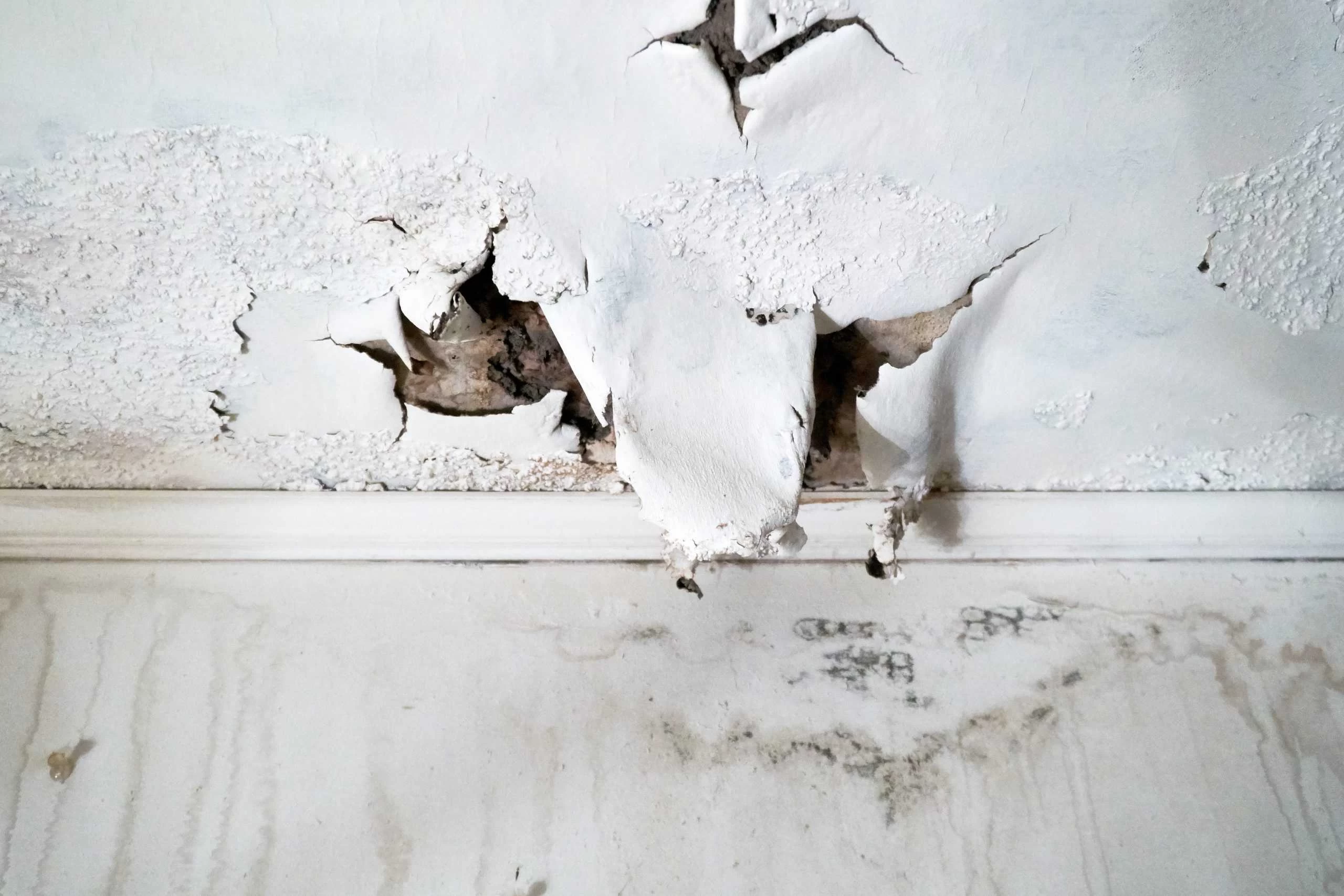
The warning signs most people notice — visible discoloration, a persistent musty smell, or peeling paint — are often late-stage indicators. By the time mold is visible on a surface, it’s typically been growing behind that surface for some time. What trained mold experts are looking for is the moisture signature that precedes visible growth.
Thermal imaging cameras detect temperature differentials in walls and ceilings that indicate moisture accumulation. A wet area behind drywall will show up as a cooler region on a thermal image even when the surface looks completely dry. Moisture meters give numerical readings that confirm whether materials have absorbed enough water to support mold growth — typically above 16–20% moisture content for wood framing. Together, these tools let a thorough inspector map the full extent of a moisture problem, not just the part that’s already visible.
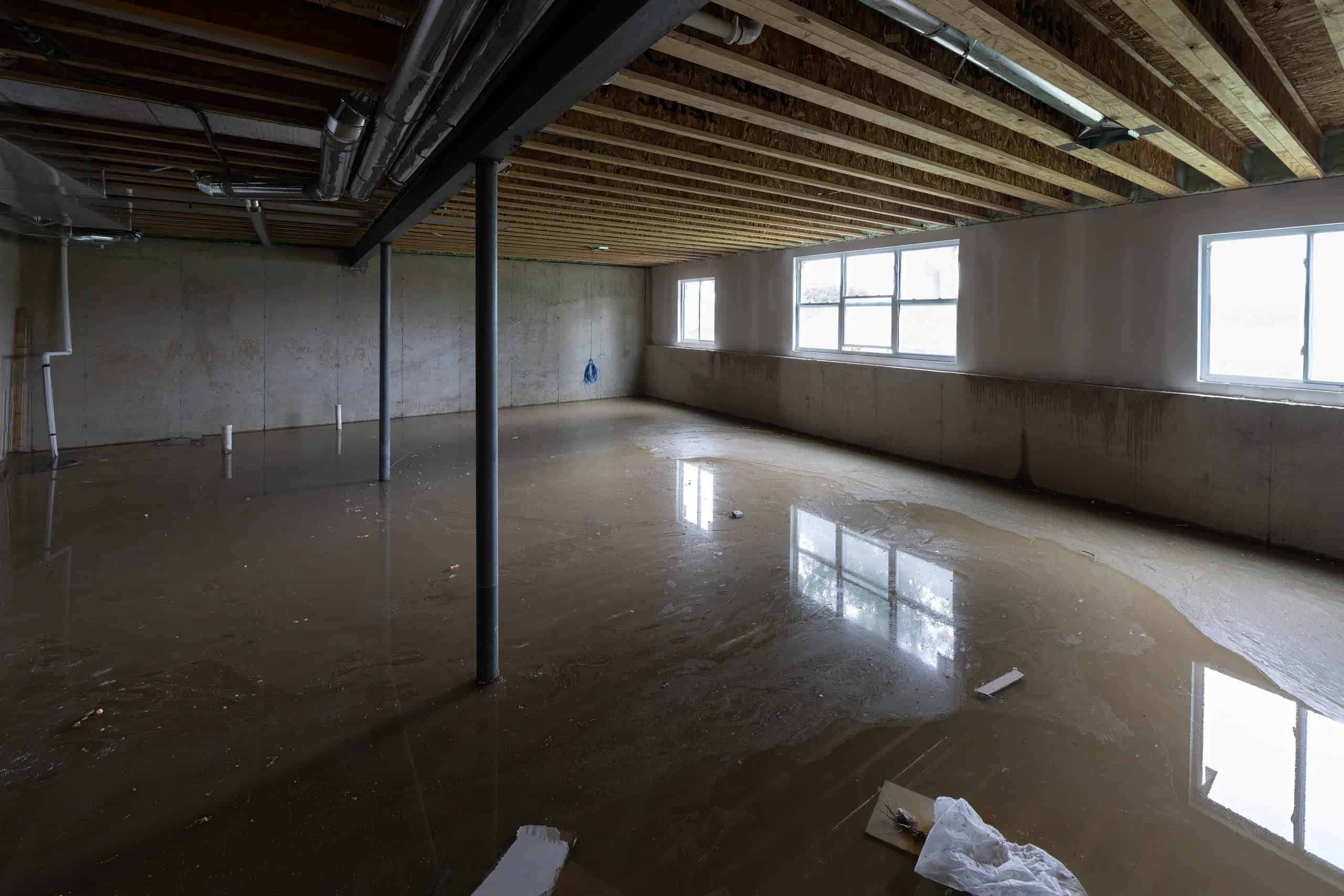
There are also location-specific patterns worth knowing. Attics in Nassau County homes are a frequent mold site because of inadequate ventilation combined with heat and humidity rising from the living space below. Basement mold is extremely common given Long Island’s sandy, permeable soil and relatively high water table — groundwater finds its way into below-grade spaces more readily here than in areas with clay-heavy soil. Crawl spaces are another common problem area, particularly in older homes where vapor barriers were never installed or have deteriorated over decades. South shore communities like Freeport, Oceanside, Long Beach, and Island Park carry additional risk from Hurricane Sandy’s legacy — more than a decade later, some of those homes still have residual moisture issues in their foundations and structural framing that continue to generate mold problems.
If you’re noticing any of the following, it’s worth having an inspection done: a musty or earthy smell that doesn’t go away, unexplained respiratory symptoms or worsening allergies in household members, water stains on ceilings or walls, condensation on windows or pipes, or a history of flooding or water intrusion in the basement. None of these individually proves you have a mold problem. But each one is a signal that moisture is present — and where moisture is present long enough, mold follows.
Professional Mold Removal: What Happens After the Inspection
Once a licensed assessor has written the remediation protocol, the actual removal process begins. Containment comes first — plastic sheeting and negative air pressure systems seal off the work area to prevent mold spores from spreading to other parts of the home during removal. HEPA-filtered air scrubbers run continuously throughout the project, capturing airborne spores before they can resettle.
Porous materials — drywall, insulation, wood framing — that have been contaminated beyond surface level are physically removed and disposed of according to the protocol. Non-porous surfaces are cleaned with antimicrobial solutions. The moisture source is identified and addressed, because without fixing what caused the mold, remediation is temporary. When the work is complete, the independent licensed assessor returns to conduct post-remediation clearance testing. That test result is your confirmation that the job was done correctly.
Crawl Space Mold Remediation: A Tougher Job Than It Looks
Crawl spaces are one of the more challenging mold environments to remediate, and they’re more common in Nassau County’s older housing stock than most people realize. Limited access, poor ventilation, and direct contact with soil create conditions that are almost ideal for mold growth — particularly when vapor barriers are absent, deteriorated, or improperly installed.
The remediation process in a crawl space involves the same core steps as any other area — containment, HEPA filtration, physical removal of contaminated materials, antimicrobial treatment — but the physical constraints make the work more labor-intensive. Technicians are often working in tight, low-clearance spaces with limited airflow, which affects both equipment positioning and personal protective equipment requirements. After remediation, encapsulation is often recommended: a heavy-duty vapor barrier installed across the soil and up the walls to prevent future moisture intrusion. In some cases, a dedicated crawl space dehumidifier is also part of the long-term solution.
One thing homeowners often don’t account for is what happens when crawl space mold has spread to floor joists or subfloor sheathing. These are structural materials, and when they’ve been significantly degraded by mold, they may need to be replaced — not just treated. That’s where having a licensed general contractor on the same team as your mold remediator matters. We hold Nassau County, Suffolk County, and NYC General Contractor licenses, which means we can handle structural repairs in-house rather than stopping the project to bring in a separate contractor. For homeowners dealing with a crawl space that has years of accumulated moisture damage, that continuity makes a real difference in how quickly the project gets resolved.
Mold Remediation and Restoration: Why Removal Is Only Half the Job
A lot of mold companies stop at remediation. They remove the contaminated materials, treat the surfaces, pass clearance testing, and leave. What they leave behind is a home with missing drywall, exposed framing, and no insulation — technically mold-free, but not livable. The homeowner then has to find and coordinate a separate contractor to put everything back together.
We don’t operate that way. As a full-service remediation and restoration company, we handle the entire recovery — from initial assessment through final restoration. That means once the remediation is complete and clearance testing confirms the space is clean, we rebuild: new drywall, insulation, finishing, and whatever else the scope of work requires. One company, one project manager, one timeline. For Nassau County homeowners who’ve already been through the stress of discovering mold, not having to manage multiple contractors through a recovery is a meaningful relief.
This full-service model also matters when a mold project uncovers something unexpected. In Nassau County’s older homes, that often means asbestos. It can also mean structural damage that requires selective demolition — removing specific contaminated framing members while preserving the surrounding structure. Because we hold licenses for mold remediation, asbestos abatement, demolition, and general contracting simultaneously, we can respond to whatever the project reveals without stopping, re-bidding, or waiting for another company to become available. Restoration and remediation companies that can genuinely do all of this under one roof are not common. Most specialize in one piece of the process. The difference becomes very clear when a project gets complicated.
How to Find a Reputable Mold Remediation Company in Nassau County, NY
The most important thing you can verify before hiring anyone is their NYS Department of Labor mold license. In New York, performing mold remediation without a license is illegal — and the penalties for unlicensed work fall on the contractor, but the cost of re-remediation often falls on you. Ask for license numbers. Look them up. A reputable company won’t hesitate to provide them.
Beyond licensing, look for IICRC certification, documented insurance (both liability and workers’ compensation), a written scope of work before any contract is signed, and a clear explanation of how post-remediation clearance testing will be handled. If a company is offering free mold testing or pressuring you to sign before you’ve seen a detailed proposal, those are reasons to pause.
If you’re dealing with a mold situation in Nassau County — whether it’s a musty basement in Massapequa, attic mold in a Roslyn colonial, or water damage fallout in a post-Sandy home on the south shore — we’re available 24 hours a day, seven days a week. We’ve been doing this work for over 12 years, and we carry every license this kind of project can require. Reach out when you’re ready to get a clear answer about what you’re dealing with.
—
**Frequently Asked Questions**
**What are the health risks of mold exposure?** Mold exposure can cause nasal congestion, throat irritation, coughing, wheezing, and eye or skin irritation. For people with asthma, allergies, or compromised immune systems — including young children and elderly adults — reactions can be significantly more severe. Stachybotrys (black mold) produces mycotoxins that have been linked to neurological symptoms and serious respiratory illness. If household members are experiencing unexplained respiratory symptoms that improve when they’re away from home, that’s worth taking seriously.
**Do I need a mold specialist, or can any contractor handle this?** In New York State, mold assessment and remediation are licensed activities regulated under Article 32. You need a company that holds a current NYS DOL Mold Remediation Contractor license — and the assessment must be performed by a separately licensed mold assessor. Nassau County homeowners should verify license status before signing anything. A general handyman or unlicensed contractor cannot legally perform mold remediation in New York, regardless of how confident they sound.
**Does homeowners insurance cover mold?** It depends on the cause. Insurance typically covers mold that results from a sudden, accidental water event — a burst pipe, an appliance failure, or a roof leak from a storm. It generally does not cover mold from long-term neglect, gradual leaks, or flooding (which requires separate flood insurance). Many policies also impose mold sub-limits of $5,000–$10,000, even when the underlying water damage is covered. In Nassau County, where many south shore homes experienced flood damage during Hurricane Sandy, the distinction between storm-related flooding and covered water damage is particularly important to understand. Document everything, and if you’re unsure how your policy applies, we can help you understand what your claim documentation should include.
**What is a remediation and restoration company, and why does it matter?** A remediation company removes the problem. A restoration company rebuilds what was damaged. Most contractors specialize in one or the other, which means after remediation you’re often left with gutted walls and the task of finding and scheduling a separate reconstruction contractor. We handle both — removing contaminated materials, passing clearance testing, and then putting the property back together. For homeowners who want a single point of accountability through the entire recovery process, that distinction matters quite a bit.