Summary:
Finding mold in your home is unsettling. Finding out later that the company you hired wasn’t licensed to remove it — that’s a different kind of problem entirely. New York State has some of the strictest mold remediation laws in the country, and Nassau County homeowners are right in the middle of an active enforcement environment. Before you call anyone, it helps to understand what the law actually requires, why it was written the way it was, and what a qualified black mold removal contractor looks like in practice. That’s exactly what this page covers.
What New York State Law Actually Requires for Black Mold Removal
New York’s Article 32 of the Labor Law took effect on January 1, 2016, making it the first statewide mold licensing law in the country. It was a direct response to what happened after Superstorm Sandy, when thousands of Long Island homeowners — many of them right here in Nassau County — were taken advantage of by contractors who had no training, no accountability, and no business touching a mold problem.
The law applies to any mold project covering 10 square feet or more. At that threshold, the work must involve licensed professionals. Not just insured, not just experienced — specifically licensed by New York State for mold work.
Why NY Law Requires Two Separate Companies for Mold Assessment and Remediation
This is the part most homeowners don’t know, and it matters a lot. Under Article 32, the company that assesses your mold problem cannot be the same company that removes it. That’s not a technicality — it’s a core consumer protection built into the law.
Here’s why it exists: if one company inspects your home, writes the scope of work, and then charges you to complete that scope, there’s an obvious financial incentive to find more mold than is actually there. The law eliminates that conflict by requiring a licensed Mold Assessor to conduct the inspection independently, write a formal Mold Remediation Plan, and then return after the work is done to verify it was completed correctly. A separate licensed Mold Remediation Contractor executes the plan in between.
That post-remediation clearance step is important. It’s not optional, and it’s not something the remediation company can perform on its own work. The original assessor has to come back, test the air, and confirm the space is clean before the project is considered complete.
For Nassau County homeowners, this means the process has three distinct phases: independent assessment, licensed remediation, and independent clearance. If a contractor offers to handle all of it under one roof, that’s not a convenience — it’s a violation of state law. The NYS Department of Labor has been escalating enforcement since the law passed, and the Metro district that covers Nassau County is one of the most active.
When you’re vetting contractors, ask to see their NYS Mold Remediation License number. A legitimate company will give it to you without hesitation. You can verify it directly through the NYS DOL. If a contractor can’t produce it, or offers to do the inspection and the removal for one flat fee, walk away.
Mold from Water Damage Health Risks: Why the Law Doesn't Give You Much Time
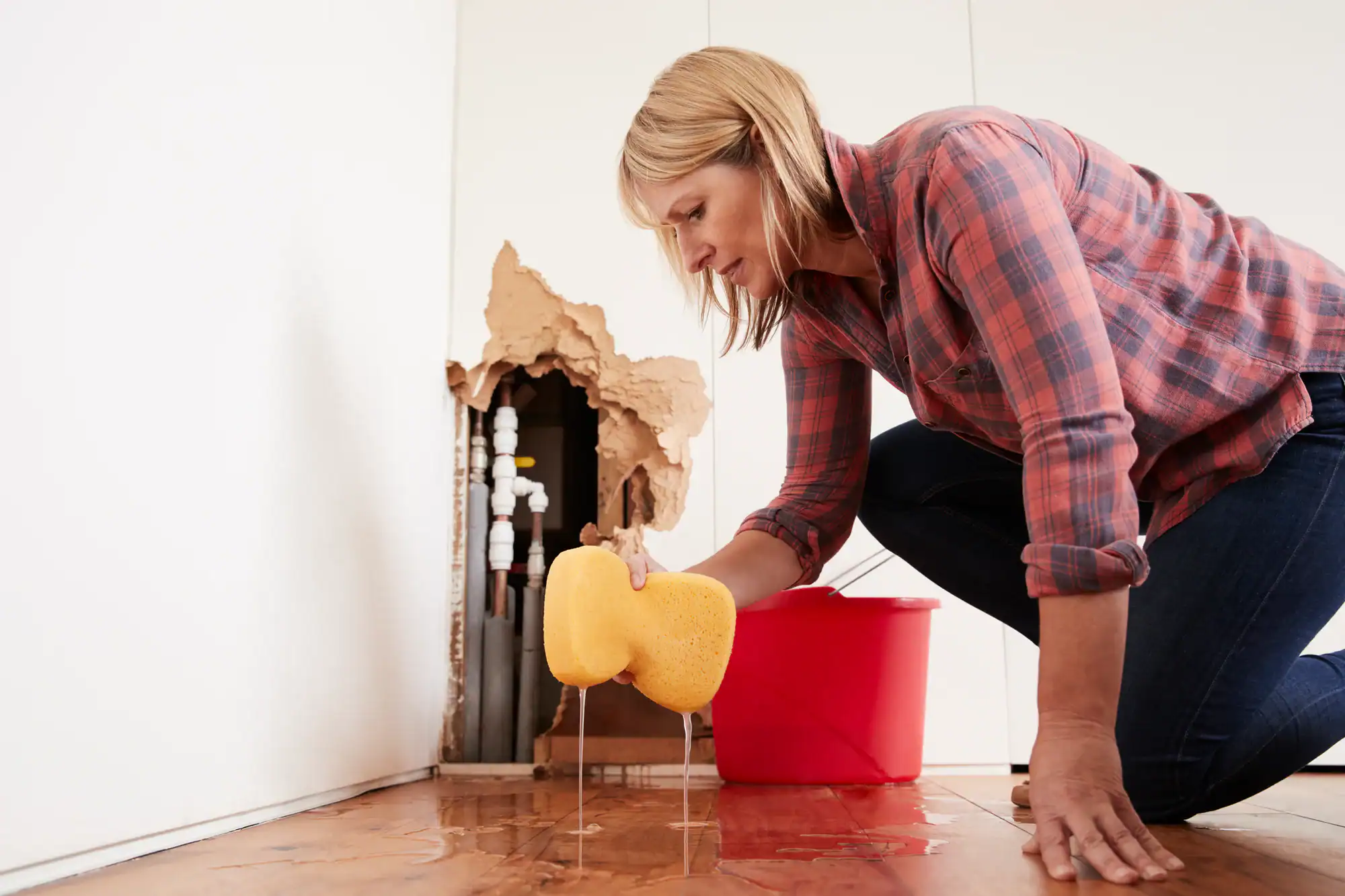
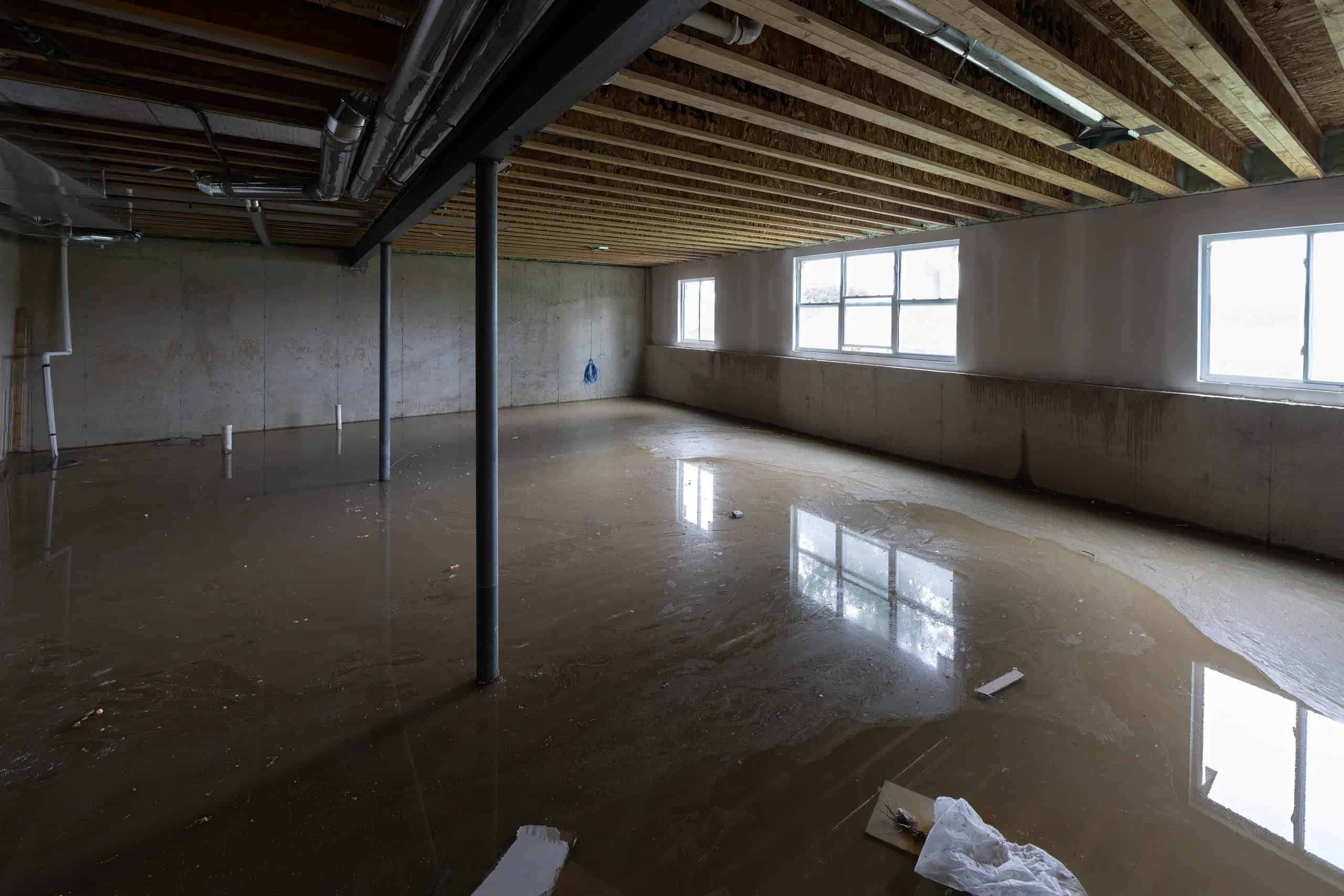
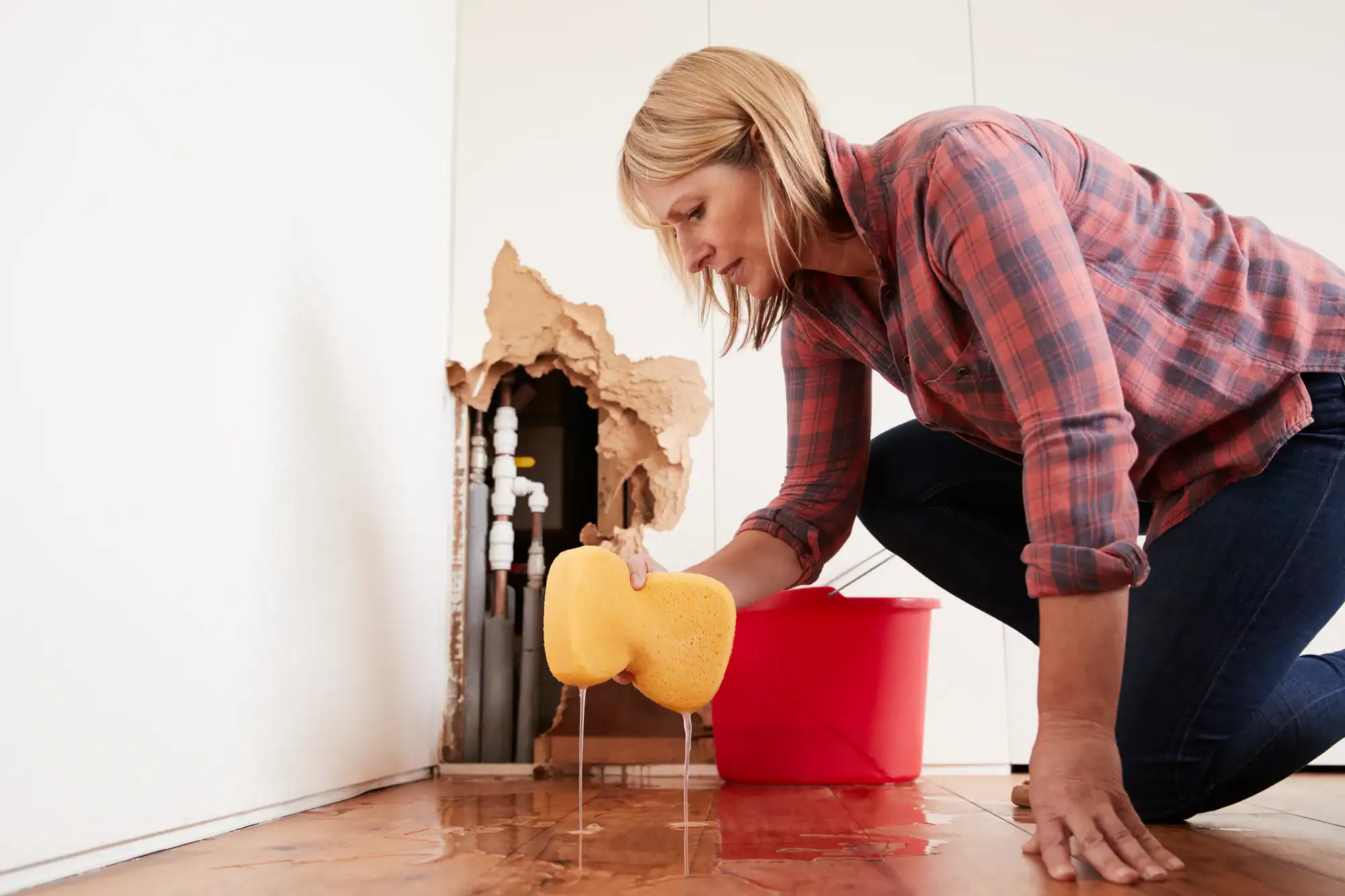
The health case for acting quickly is well-documented. Mold begins colonizing wet surfaces within 24 to 48 hours of water intrusion. After that window closes, colonies grow exponentially — spreading to adjacent materials, releasing spores into the air, and making the remediation scope significantly larger and more expensive.
Black mold specifically, the kind formally known as Stachybotrys chartarum, requires at least 48 hours of continuous moisture to establish. It favors high-cellulose materials like drywall, wood framing, and fiberboard — which happen to be the primary building materials in Nassau County’s post-war housing stock. Homes built in Levittown, Massapequa, Freeport, and Oceanside during the 1950s and 1960s weren’t built with modern vapor barriers or moisture-resistant materials. A slow plumbing leak or a flooded basement can create the right conditions faster than most people expect.
The health effects of mold are real and well-researched. Short-term exposure causes respiratory distress, persistent coughing, eye irritation, and skin reactions. For people with asthma — and mold is linked to 4.6 million U.S. asthma cases annually — even low-level exposure can trigger serious symptoms. Research shows that properly removing mold from a home can reduce asthma symptoms by 25 to 45 percent. For children, elderly residents, and anyone with a compromised immune system, the risks are more serious still.
Long-term exposure has been associated with cognitive difficulties, chronic fatigue, and in people with weakened immune systems, fungal lung infections that require medical treatment. The World Health Organization formalized mold as a global public health concern in 2009. The CDC’s guidance on indoor mold has been consistent for decades: the right response is physical removal by qualified professionals, not surface-level treatment or masking the problem.
This is why the 24 to 48-hour window matters so much. The longer moisture sits, the more mold you have. The more mold you have, the more of your home needs to come out. And the more that comes out, the more you need a contractor who can put it back together — not just one who removes it and hands you a bill.
What Full-Service Mold Remediation and Restoration Actually Looks Like in Nassau County
There’s a meaningful difference between a company that removes mold and a company that restores your home after mold removal. Most homeowners don’t realize that distinction exists until they’re standing in a gutted basement wondering who’s going to rebuild it.
Black mold removal often means removing drywall, insulation, wood framing, and flooring — whatever has been compromised. That’s necessary. But it leaves a gap that a mold-only company isn’t equipped to fill. We handle the entire project, from emergency water extraction through mold remediation through structural repairs and finished restoration, without handing you off to a second or third contractor.
Mold Remediation and Restoration Companies: What the Full Process Should Include
A proper mold remediation project in Nassau County follows a defined sequence. It starts with an independent mold assessment — conducted by a licensed assessor who is not affiliated with the remediation company. That assessor uses moisture meters, thermal imaging cameras, and air sampling to identify the full scope of the problem, including mold that isn’t visible on the surface. Hidden mold behind walls, under floors, and in ceiling cavities is common, especially in older homes where plumbing has been leaking slowly for months.
The assessor produces a written Mold Remediation Plan that defines exactly what needs to be done. The remediation contractor works from that plan — containing the affected area with plastic sheeting and negative air pressure to prevent spores from spreading, removing contaminated materials, applying EPA-registered antimicrobial treatments, and running HEPA-filtered air scrubbers throughout the process. Industrial dehumidification equipment runs continuously to eliminate the moisture that allowed mold to grow in the first place.
After the remediation is complete, the original assessor returns for a clearance inspection. Air samples are taken, results are compared against acceptable thresholds, and only when the space passes does the project move to the restoration phase. That’s when drywall goes back up, insulation is replaced, flooring is reinstalled, and the space looks and functions the way it did before the problem started.
For Nassau County homeowners dealing with post-Sandy flood damage, winter pipe bursts in Levittown or Hicksville, or storm surge intrusion in Long Beach or Oceanside, this end-to-end capability matters. The coastal geography here — bounded by the Atlantic to the south and the Long Island Sound to the north — creates humidity levels and storm exposure that make moisture intrusion a recurring reality, not a one-time event. Working with restoration and remediation companies that understand this environment, and are equipped to handle everything from the emergency response through the finished repair, saves time, money, and a significant amount of stress.
Nassau County Homes and Asbestos: Why Your Mold Contractor's Credentials Matter More Than You Think
There’s a complication that comes up regularly in Nassau County mold projects that most contractors aren’t prepared for. The county’s housing stock is predominantly pre-1980 construction — and homes built before the early 1980s frequently contain asbestos in insulation, floor tiles, pipe wrapping, and joint compound. When mold remediation requires opening walls or removing flooring in a home built in Merrick, Valley Stream, or Garden City in the 1950s or 1960s, there’s a real possibility of encountering asbestos.
If the contractor doing the mold work isn’t licensed for asbestos abatement, the project stops. You’re now coordinating two separate companies, dealing with scheduling delays, and navigating a situation that could have been handled in one continuous project by a contractor with both credentials. That disruption adds cost and time that most homeowners aren’t anticipating.
This is one of the less-discussed reasons why credentials matter beyond the basic Article 32 mold license. We hold both mold remediation and asbestos abatement capabilities, so we can keep the project moving without interruption if asbestos is discovered — and in Nassau County’s older neighborhoods, that’s not an edge case. It’s a genuine possibility on a significant percentage of projects.
Beyond asbestos, there’s the insurance question. Many Nassau County homeowners assume mold removal is covered under their homeowners policy. The reality is more complicated. Coverage typically applies only when mold resulted from a sudden, covered event — like a burst pipe — and was addressed promptly. Slow leaks, high humidity, and deferred maintenance are generally excluded. We work directly with insurance carriers, submit documentation on your behalf, and understand how to frame a claim correctly. That kind of coordination is part of what separates a full-service remediation and restoration company from a contractor who just shows up with a HEPA vacuum.
How to Choose the Right Black Mold Removal Contractor in Nassau County, NY
The short version: verify the NYS Mold Remediation License, confirm the company doesn’t perform both assessment and remediation on the same project, and make sure they can handle what comes after the mold is gone.
Nassau County has specific conditions — aging housing stock, coastal humidity, post-Sandy flood history, and an active regulatory enforcement environment — that make this decision more consequential than it might be in other markets. The right contractor understands all of that before they walk through your door.
We’ve been doing this work in Nassau and Suffolk Counties for over 12 years, completing more than 5,000 restoration projects across New York State. If you’re dealing with a mold problem and want to talk through what the process actually looks like for your home, reach out — we’re available 24 hours a day, every day of the week.