Summary:
You don’t usually find mold until it’s already been there for a while. By the time there’s a visible patch on the wall or a persistent musty smell in the basement, the problem has typically been growing quietly — behind drywall, under flooring, inside insulation — for weeks or longer. That’s the part most homeowners don’t realize until it’s too late.
If you’re here because something happened — a wet basement, a slow leak, water after a storm — you’re in the right place at the right time. This page covers what mold prevention actually looks like in practice, what the inspection process involves, and what Nassau County homeowners specifically need to know about living in one of the more mold-prone environments in New York.
Mold Prevention Methods That Actually Work
Mold needs three things to grow: moisture, a surface to feed on, and time. Remove any one of those, and mold can’t take hold. The challenge is that moisture is the hardest variable to control — especially in Nassau County, where humid summers, high water tables, and older home construction create conditions that work against you.
The most effective mold prevention methods all come back to moisture management. Keeping indoor humidity between 30 and 50 percent is the baseline. Once levels climb above 60 percent — which happens easily in Nassau County basements during July and August — mold spores that have been sitting dormant on surfaces start to activate. A decent hygrometer costs less than twenty dollars and tells you exactly where your home stands.
Ventilation matters just as much. Bathrooms, kitchens, and laundry areas generate significant moisture with everyday use, and if that moisture has nowhere to go, it accumulates in walls and ceilings. Running exhaust fans consistently, not just occasionally, makes a real difference over time.
Mold From Water Damage Health Risks Nassau County Families Should Know
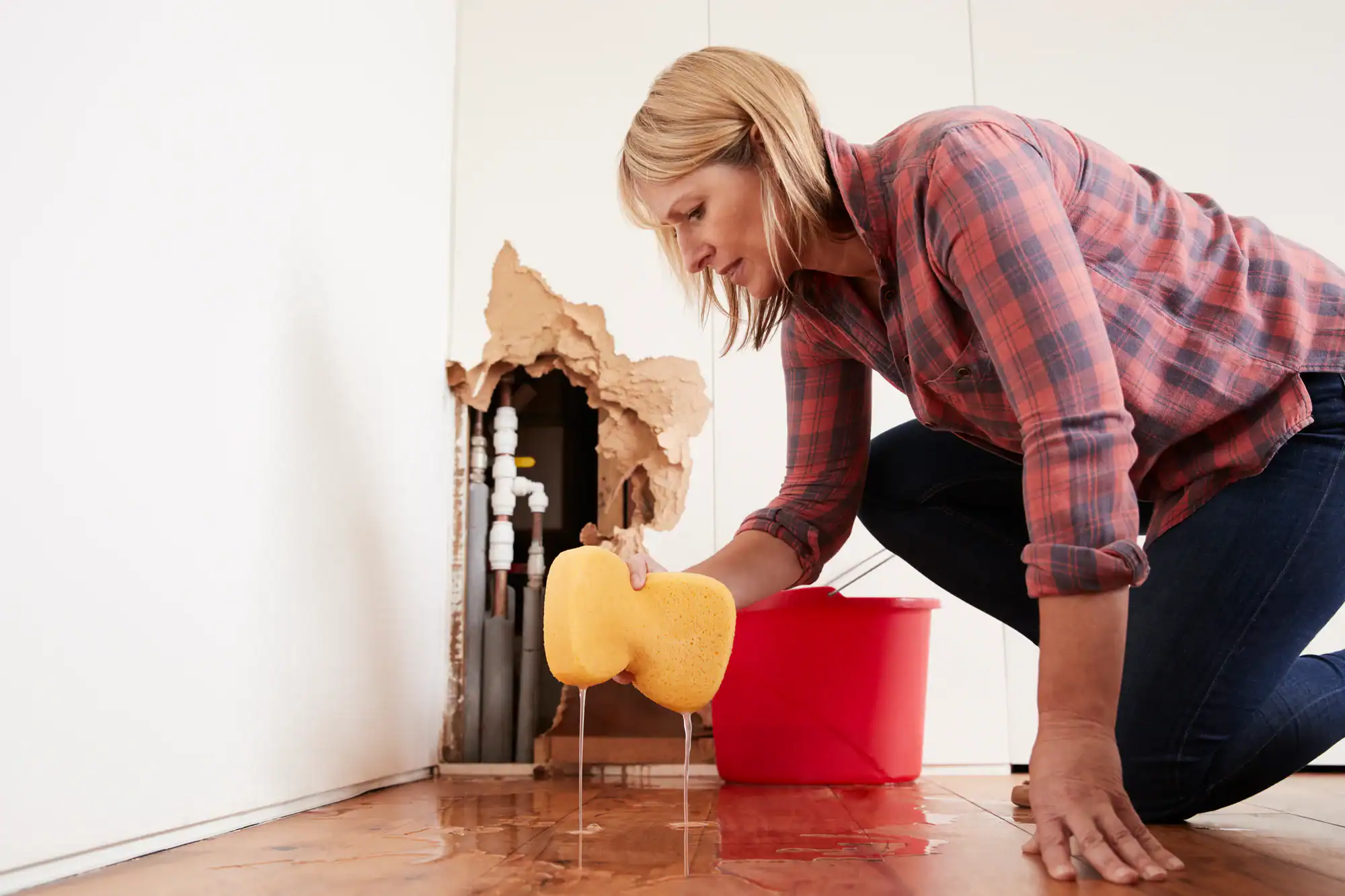
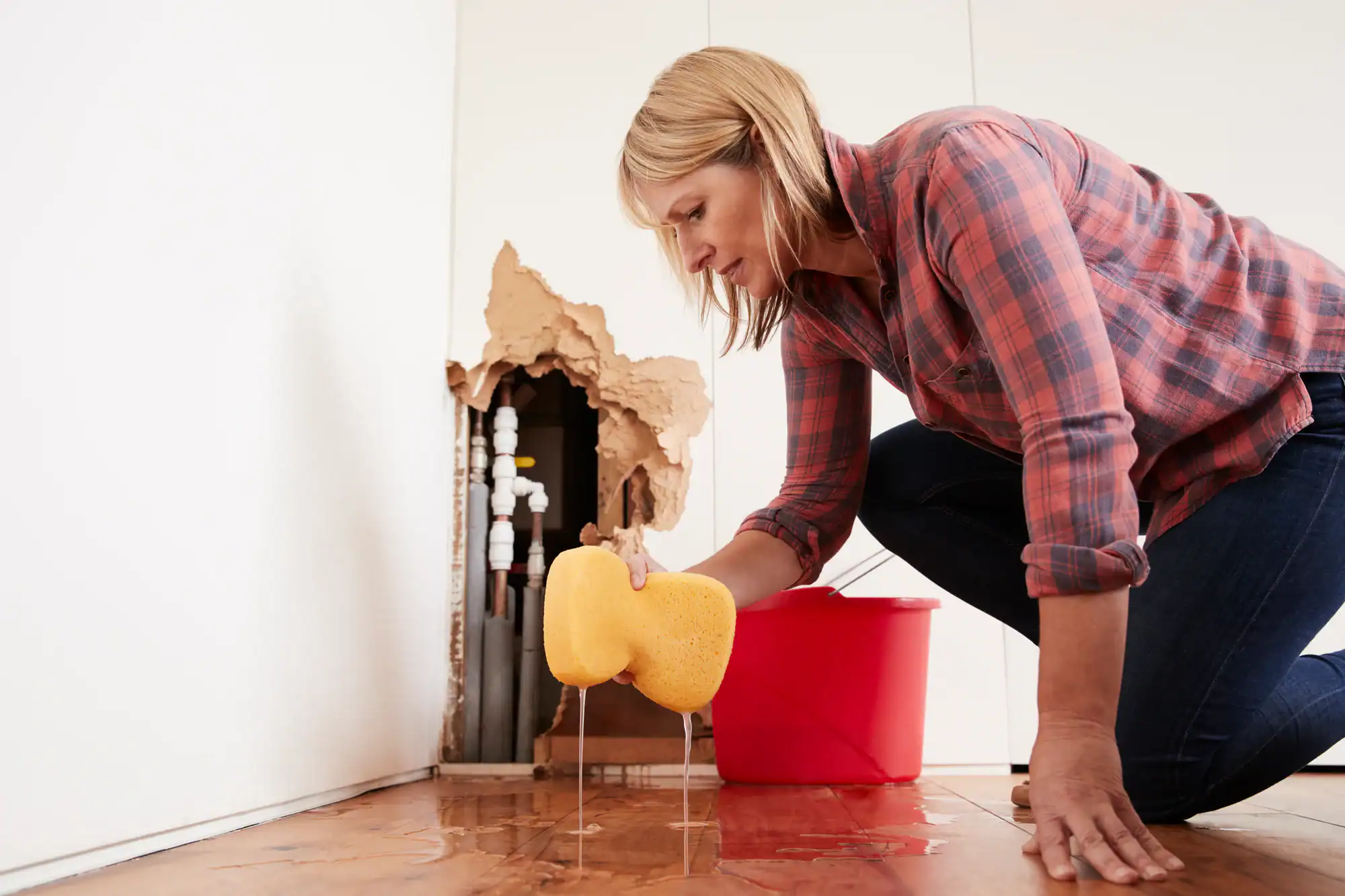
Water damage and mold are connected in a way that most people underestimate. The EPA’s guidance is clear: water-damaged areas need to be dried within 24 to 48 hours to prevent mold growth. That’s not a general suggestion — it’s the actual biological timeline. Mold spores begin activating within the first 24 hours of exposure to moisture. By hour 48, what started as a drying job has often become a remediation project.
For Nassau County families, this matters because the health consequences of mold exposure are real and well-documented. The CDC identifies mold as a cause of stuffy nose, sore throat, coughing, wheezing, burning eyes, and skin irritation. For people with asthma or mold allergies, reactions can be significantly more severe. Research published through the National Institutes of Health found that mold exposure was statistically linked to new-onset asthma, particularly in children.
Kids and immunocompromised individuals are the most vulnerable. Mold spores released into the air of a home don’t stay in one room — they circulate through HVAC systems, settle into furniture, and get breathed in continuously. The danger isn’t just an acute reaction to a large exposure; it’s the cumulative effect of low-level exposure over weeks or months while the mold goes undetected.
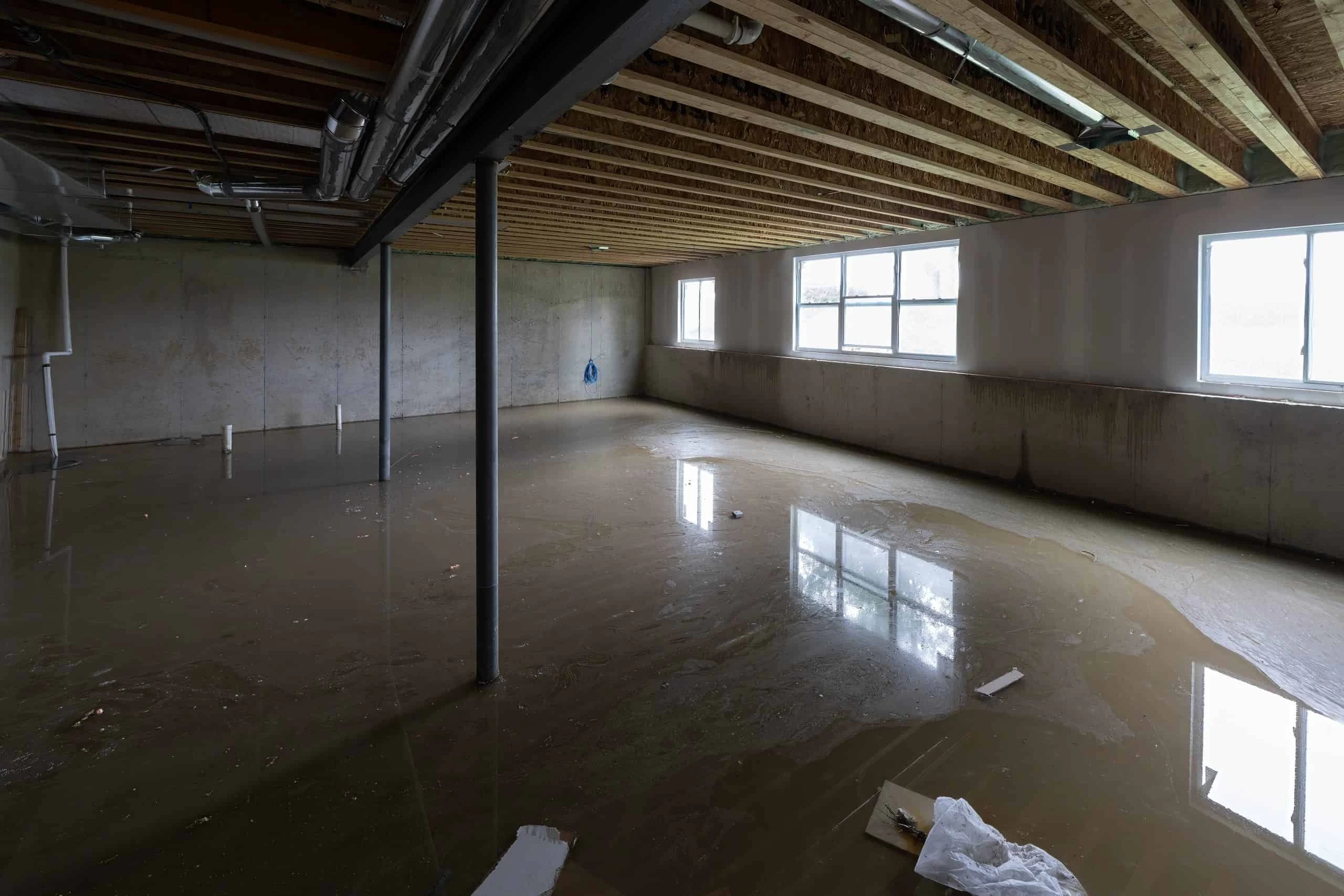
This is why the 24 to 48 hour window isn’t something to wait out. If your home took on water — from a storm, a burst pipe, a backed-up drain, anything — the clock starts immediately. South Shore communities in Nassau County like Long Beach, Freeport, Oceanside, Wantagh, and Massapequa see this scenario regularly, especially after nor’easters or heavy rain events that overwhelm drainage systems. Many of these homes were built in the postwar era without modern vapor barriers or waterproofing, which means water finds its way in and has nowhere to go once it does.
Mold from water damage isn’t just a structural issue. It’s a health issue. And the longer it sits, the more expensive and complicated it becomes to resolve.
What Nassau County Homes Are Up Against With Moisture and Mold
Nassau County has a specific set of conditions that make mold prevention harder than in most other markets. Understanding them helps you know where to focus your attention.
The housing stock is one factor. A significant portion of Nassau County homes were built between the 1940s and 1960s during the postwar suburban expansion. Those homes were not built with the moisture management systems that are standard today — no proper crawl space encapsulation, minimal vapor barriers, older plumbing that develops slow leaks over time. A home that looks perfectly fine on the surface can be quietly accumulating moisture inside its walls for years.
The geography adds to it. The South Shore — Long Beach, Freeport, Baldwin, Merrick, Bellmore, Seaford, Massapequa — sits at low elevation between the Atlantic Ocean and the bays. These areas have high water tables and are classified as repetitive-loss flood zones, meaning they’ve flooded before and they’ll flood again. Hurricane Sandy left a lasting mark on these communities, and many homes that were affected still have underlying moisture management challenges that never got fully resolved.
Even inland communities like Levittown, Hempstead, Hicksville, and Valley Stream aren’t immune. High water tables affect basement conditions regardless of proximity to the coast. And Nassau County’s coastal position between the Atlantic and Long Island Sound means ambient humidity stays elevated throughout the summer, making it harder to keep indoor humidity in the safe range without active intervention.
Crawl space encapsulation, basement waterproofing, proper drainage grading, and industrial-grade dehumidification aren’t luxuries in this environment — they’re the difference between a home that stays dry and one that quietly develops a mold problem you won’t discover until it’s already significant.
The Mold Inspection Process: What to Expect When You Call a Professional
One of the most common reasons homeowners delay calling a professional is not knowing what the process actually looks like. There’s a fear that one phone call turns into an expensive, disruptive project — and that fear keeps people waiting until the problem is much worse than it needed to be.
A mold inspection is not a commitment to remediation. It’s an assessment. The goal is to determine whether mold is present, where it is, how extensive it is, and what’s causing it. What happens after that depends entirely on what’s found.
In New York State, the mold inspection process is also governed by law — which is worth understanding before you hire anyone.
How a Professional Mold Assessment Actually Works
A thorough mold inspection starts with a visual survey of the property — not just the areas where mold is visible or suspected, but the full home. Basements, crawl spaces, attics, bathrooms, around windows, inside closets on exterior walls. Mold tends to grow where moisture collects, and an experienced inspector knows where to look.
From there, moisture mapping using professional-grade meters and thermal imaging identifies moisture hidden inside walls, under flooring, and in structural materials that would be completely invisible to the naked eye. This step is critical. A visual inspection alone can miss significant mold growth that’s been quietly developing inside a wall cavity for months. Thermal imaging shows temperature differentials that indicate wet materials — even when there’s no visible sign of water damage on the surface.
Air sampling is another common component. Spore trap samples are collected from inside the home and compared against outdoor baseline levels. If indoor spore counts are elevated — particularly for mold species associated with water damage — that’s a strong indicator of an active mold problem even in the absence of visible growth.
All of this gets compiled into a written assessment that documents findings and, if remediation is needed, outlines the scope of work required. That written plan then guides the remediation process.
One important detail specific to New York State: under NYS Labor Law Article 32, the company that performs the mold assessment cannot be the same company that performs the remediation on the same project. This separation of duties is required by law and is designed to protect homeowners from conflicts of interest — a contractor who assesses and remediates has a financial incentive to find more mold than may actually exist. When you’re hiring in Nassau County, ask any company you speak with how they handle this requirement. A licensed contractor will have a clear answer.
When to Call for a Mold Inspection in Nassau County, NY
There’s a version of this question that’s easy to answer: if you can see mold or smell it consistently, call now. But the more useful version of the question is about the situations where mold might be present but hasn’t made itself obvious yet.
You should consider a professional inspection if your home took on water and wasn’t professionally dried within 48 hours. Consumer-grade fans and dehumidifiers don’t have the capacity to dry structural materials — the wood framing, the drywall, the subfloor — the way industrial equipment does. If you dried the visible water yourself and moved on, there’s a reasonable chance moisture remained trapped in materials that are now developing mold you can’t see yet.
You should also consider an inspection if you’re buying or selling a home in Nassau County. New York amended its Property Condition Disclosure Statement in June 2023 to require sellers to disclose indoor mold. If you’re selling, a proactive inspection protects you legally and financially. If you’re buying, a standard home inspection is visual only — it does not include air sampling or moisture mapping, and it will not catch hidden mold. An independent mold assessment before closing is a reasonable precaution for any older Nassau County home.
Persistent allergy symptoms, especially in children, are another indicator worth taking seriously. If someone in your home has had ongoing respiratory issues, congestion, or worsening asthma that doesn’t track with typical seasonal patterns, the indoor environment is worth evaluating. Mold exposure doesn’t always produce dramatic symptoms — sometimes it just looks like a cold that won’t fully resolve.
Finally, if your home is in one of Nassau County’s South Shore flood zones — Long Beach, Oceanside, Freeport, Baldwin, Merrick, Bellmore, Wantagh, Seaford, Massapequa — and it experienced any flooding in the past few years without a full professional drying and assessment afterward, it’s worth having someone take a look. The combination of low elevation, high water tables, and older construction in these communities creates conditions where mold can establish itself and persist long after the visible water is gone.
Mold Prevention in Nassau County Starts With Knowing Where You Stand
The most important thing to understand about mold is that it’s a moisture problem first. Fix the moisture, and mold doesn’t have what it needs to grow. Ignore it — or address it incompletely — and mold will come back regardless of what was done to remove it.
For Nassau County homeowners, the combination of coastal humidity, aging homes, high water tables, and seasonal flooding means the risk is real and ongoing. The good news is that most mold problems, caught early, are manageable. The ones that become expensive and disruptive are almost always the ones that went unaddressed for too long.
If you’ve had water in your home recently, noticed a persistent smell, or just want to know where your home stands before summer humidity peaks, we’ve been helping Nassau and Suffolk County homeowners answer that question for over 12 years. Reach out — the earlier you know, the more options you have.