Summary:
Nassau County homeowners don’t need to be reminded that storms here are serious. Sandy flooded entire neighborhoods across the south shore. Gloria made direct landfall right here in 1985. And nor’easters roll through every winter like they own the place. The question isn’t whether another major storm is coming — it’s whether your home will be ready for it. This guide covers what storm damage prevention actually looks like for Long Island homes: what to do before the season starts, how to respond when a storm is active, and what the first 48 hours after a storm can mean for your property’s long-term health.
Hurricane Damage Prevention Strategies for Nassau County Homes
Hurricane season officially runs June through November, but Nassau County’s peak danger window is August through October — when Atlantic storms gain strength over warm water and track directly toward Long Island. That’s a narrow window, which means the time to prepare is earlier than most people think.
The foundation of hurricane damage prevention is your roof, your trees, and your windows. A roof that was fine last winter may have loose flashing, cracked shingles, or compromised seals that will fail under sustained wind. Getting a professional inspection before peak season — not after the first storm — is one of the highest-return investments a Nassau County homeowner can make.
What Nassau County Homes Need Before Hurricane Season Starts
Start with the exterior. Gutters clogged with debris from last fall’s leaves can’t move water away from your foundation during a heavy rain event — and Nassau County storms routinely drop several inches of rain in a matter of hours. Clean gutters and properly pitched downspouts are unglamorous but genuinely protective.
Trees are the other major variable. Mature trees are part of what makes neighborhoods like Oyster Bay and Merrick so appealing, but a large limb over your roof is a liability when winds pick up. Arborists generally recommend removing branches within six feet of the roofline and having any large, aging trees assessed for structural integrity before storm season begins. This isn’t overcaution — it’s the kind of thing you’ll wish you’d done if a nor’easter drops a 40-year-old oak through your living room ceiling.
Windows and doors deserve attention too. Plywood is a last-resort option, but properly installed storm shutters offer significantly better protection and can be deployed quickly when a named storm is approaching. If you’re in a south shore community like Long Beach, Oceanside, or Freeport — areas that took direct hits from Sandy’s storm surge — this is especially worth investing in. The barrier island geography of Long Beach in particular creates storm surge dynamics that mainland Nassau communities don’t face in the same way.
One thing Nassau County homeowners often overlook: the financial preparation side. The New York Department of Financial Services specifically names Nassau and Suffolk counties in its hurricane deductible guidance. Depending on your insurer, your deductible for hurricane damage could be 1% to 5% of your dwelling’s insured value. On a $600,000 home — which is not unusual in Nassau County — that’s $6,000 to $30,000 out of pocket before your insurance pays a single dollar. Review your policy now, not while standing in a flooded basement. And if you don’t have a separate flood insurance policy, understand that standard homeowners insurance does not cover flood damage. Many Nassau County homeowners learned this the hard way after Sandy.
How to Document Your Home Before a Storm Hits
Pre-storm documentation is one of the most practical things you can do, and almost no one does it until after they’ve had a bad claims experience. Walk through your home with your phone and record video of every room — open closets, pan across ceilings, get close-ups of appliances, electronics, and anything of value. Do the same outside: your roof from the ground, your fence, your HVAC unit, your detached garage if you have one.
Store these files somewhere that isn’t your home — cloud storage, email to yourself, a shared folder with a family member. If your home is damaged and your laptop is destroyed in the same storm, locally stored photos don’t help you much with an insurance adjuster.
This matters more in Nassau County than many people realize because of those hurricane deductibles. When the deductible threshold is high, insurance companies scrutinize claims carefully. An adjuster who can compare your pre-storm documentation against post-storm damage has a much clearer picture of what actually happened — and you have a much stronger position in the claims process. It also speeds things up considerably, which matters when you’re trying to get restoration work started before mold sets in.
Nassau County OEM recommends registering your cell phone with the Notify Me® emergency alert system so you receive real-time updates when storm conditions are changing. That same advance notice gives you time to do a final walkthrough, move valuables off the floor, and make sure your documentation is complete before conditions deteriorate.
Storm Damage Preparation: What to Do in the Days Before and During a Storm
When a storm is 48 to 72 hours out, the preparation window shifts from long-term improvements to immediate protective actions. Know your evacuation zone. Nassau County has established Coastal Evacuation Routes marked with blue and white signs — if you’re in a south shore community and local authorities issue an evacuation order, take it seriously. The storm surge risk along Nassau’s south shore bays is not theoretical.
Inside the home, move important documents, medications, and irreplaceable items to upper floors or waterproof containers. Know where your utility shutoffs are before you need them. Gas, water, and electricity shutoffs are not intuitive under pressure, and the wrong move at the wrong moment creates a secondary emergency on top of the storm itself.
Emergency Storm Response: What to Do While the Storm Is Active
Once a storm is actively moving through Nassau County, your job is to stay safe — not to manage property. Resist the urge to go outside to check on the roof, move a car, or assess a downed tree. Wind speeds during a strong nor’easter or tropical system can make outdoor conditions genuinely dangerous even when conditions appear to be improving temporarily. The calm of a hurricane’s eye is one of the most dangerous moments because people step outside and are caught off guard when the back wall of the storm arrives.
If you lose power, avoid using generators indoors or in attached garages. Carbon monoxide poisoning is a leading cause of storm-related deaths in the Northeast, and it’s entirely preventable. Keep generators at least 20 feet from windows and doors, and use battery-powered CO detectors if your home’s detectors depend on electricity.
If you smell gas after a storm has passed through, don’t flip any switches, don’t use your phone inside the home, and get everyone out immediately before calling your utility provider from outside. This applies even if you don’t see any obvious damage — underground gas lines can be compromised by flooding or ground movement without any visible sign above grade.
Once it’s safe to move around outside, do a careful exterior walkthrough before entering any structure that sustained visible damage. Compromised foundations, weakened load-bearing walls, and downed power lines on or near the structure are all reasons to wait for a professional assessment before going back in. Nassau County OEM coordinates with local emergency services during major storm events — their guidance on re-entry and safety assessments is worth following rather than making independent calls about structural safety.
Post-Storm Assessment: When to Call a Restoration Professional
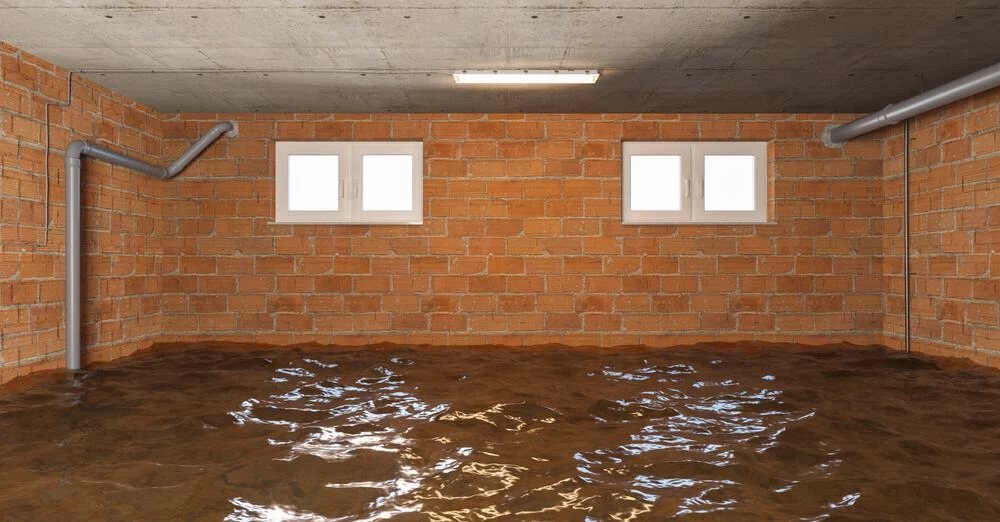
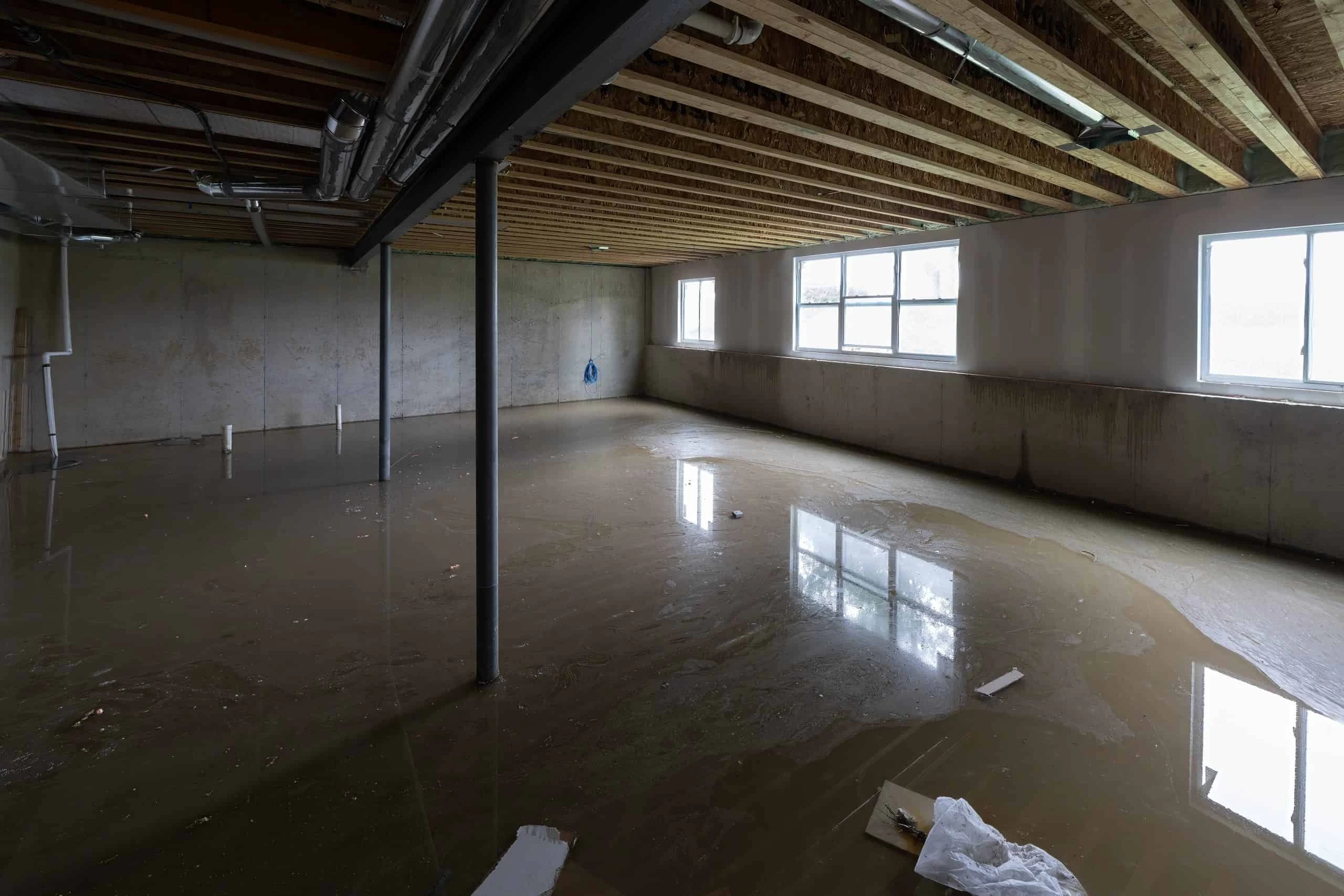
The 48 hours after a storm clears are often more consequential than the storm itself. Mold begins growing within 24 to 48 hours of water intrusion — and in Nassau County’s humid late-summer and early-fall climate, that window can be even shorter. Water that entered through a roof penetration, a failed window seal, or a flooded basement doesn’t announce itself. It travels along rafters, pools inside wall cavities, and saturates insulation long before any visible sign appears on your ceilings or walls.
This is where DIY cleanup has real limits. Consumer-grade fans and dehumidifiers can move surface moisture, but they can’t extract water from inside structural assemblies. Only industrial drying equipment — combined with thermal imaging and moisture meters — can confirm that a structure is genuinely dry rather than just dry on the surface. Skipping this step is how a $10,000 remediation becomes a $50,000 mold and reconstruction project six months later.
There’s also a hazard specific to Nassau County’s older housing stock that’s worth knowing about. A significant portion of the county’s homes were built during the post-WWII suburban expansion — Levittown, the first planned suburb in America, is right here in Nassau County, along with large swaths of 1940s and 1950s construction throughout communities like Massapequa, Garden City, and Merrick. Homes built before 1980 may contain asbestos in insulation, floor tiles, or ceiling materials. When storm damage requires tearing out walls or flooring, disturbing those materials without proper containment is a serious health risk and a regulatory violation under USEPA standards. If your home is older and you’re facing significant structural damage, this is a real consideration — not an edge case.
After any storm that brought water into your home — whether from rain, storm surge, or a backed-up sewer — a professional assessment is worth making before assuming everything is fine. The cost of that assessment is trivial compared to the cost of discovering hidden damage after it’s had weeks to develop.
Storm Damage Prevention Only Goes So Far — Here's What Comes Next
Good preparation genuinely reduces your risk. A well-maintained roof, clean gutters, protected windows, and solid pre-storm documentation can make a meaningful difference in both the damage you sustain and the insurance claim process that follows. But Nassau County’s storm history — from the 1938 hurricane to Sandy to every nor’easter in between — makes one thing clear: prevention has limits.
When a storm gets through, the speed and quality of the response matters enormously. Water damage compounds fast. Mold doesn’t wait. And the decisions made in the first 48 hours after a storm often determine whether a home needs a few repairs or a full restoration.
If you’re dealing with storm damage — or want to make sure your home is genuinely ready before the next system rolls through — we’re available 24 hours a day, every day of the year. We’ve been working in Nassau and Suffolk County for over 12 years, we handle insurance documentation directly, and we’re typically on-site within an hour. You shouldn’t have to figure this out alone.