Summary:
Why Nassau County Homes Need Professional Water Damage Restoration
Nassau County isn’t your average suburban area when it comes to water damage risk. Nassau is particularly vulnerable to hurricanes and other tropical storms, as well as nor’easters and other coastal storms. Due to its location, the county is often referred to as “Ground Zero” for storms in the Northeast.
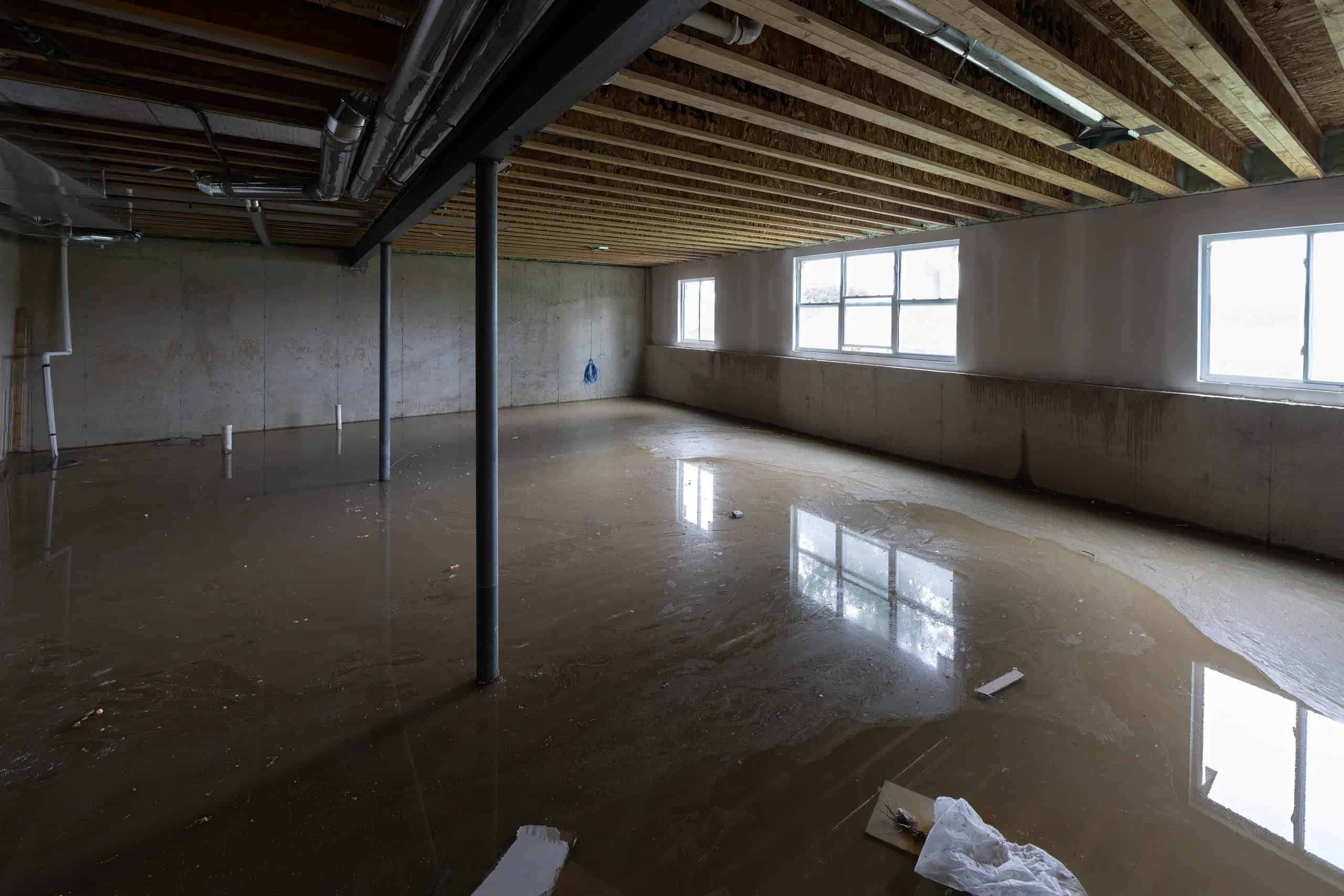
But storms aren’t the only threat. Aging infrastructure means older homes can have leaky pipes or outdated plumbing that’s prone to failure, while Long Island’s high water table makes basements particularly susceptible to flooding. These factors create a perfect storm of water damage risks that demand professional expertise.
The stakes are higher here than in most places. Over 1.3 million residents in Nassau County rely on groundwater as their sole source of potable drinking water. When contamination or structural damage occurs, it’s not just about property—it’s about protecting your family’s health and your community’s water supply.
Common Water Damage Causes in Nassau County Homes
Heavy rainfall, storms, burst pipes, or plumbing issues can lead to unexpected water intrusion, causing extensive property damage and disrupting daily life. Common causes of water damage in Nassau County homes include burst pipes, plumbing leaks, roof leaks, flooding from heavy rainstorms or hurricanes, appliance malfunctions, and sewer backups.
What makes Nassau County different is the intensity and frequency of these events. Flooding is one of the most common causes of water damage in Nassau. In fact flooding can occur even without a hurricane present. Heavy rains lead to storm drains clogging and cause some streets to flood. Flash floods may also happen if sewers back up due to the heavy rainfall. Hurricanes are another cause for flooding as a result of strong winds and storm surges that drive salt water inland from the sea.
Your home’s age plays a crucial role too. Many Nassau County properties were built decades ago, before modern building codes addressed water intrusion. These older homes often have basement vulnerabilities, outdated plumbing systems, and insufficient drainage—all recipes for water damage disasters.
The seasonal weather patterns here create additional challenges. Winter freeze-thaw cycles can crack foundations and burst pipes, while spring storms can overwhelm drainage systems that worked fine during dry periods. Cold weather in Nassau County can lead to frozen pipes that burst, causing extensive water damage.
Understanding these local risks helps explain why professional water damage restoration isn’t optional in Nassau County—it’s essential for protecting your investment and your family’s safety.
The Hidden Dangers of DIY Water Damage Cleanup
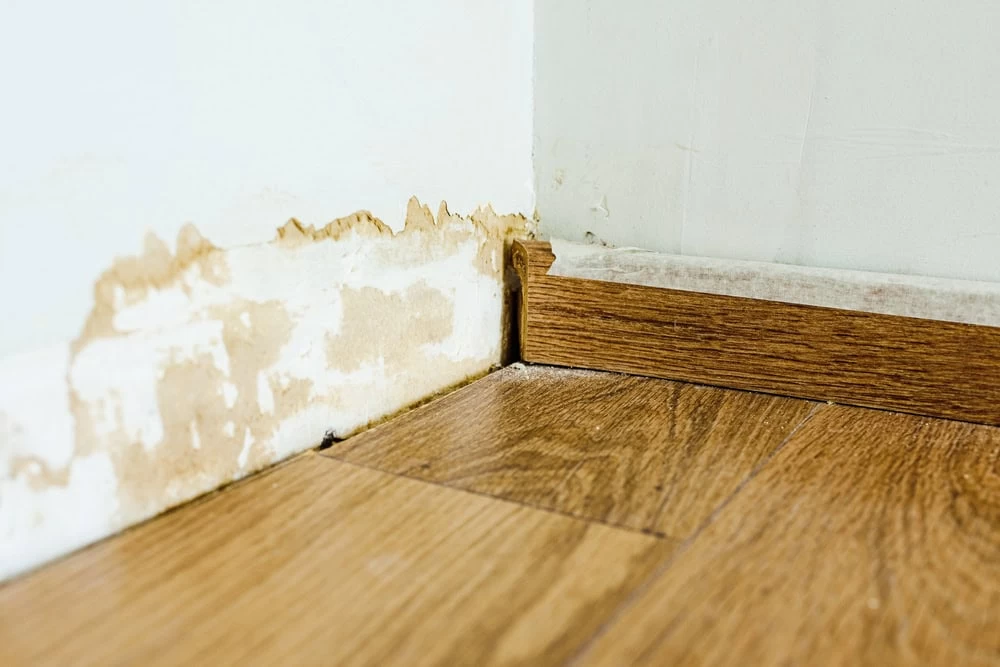
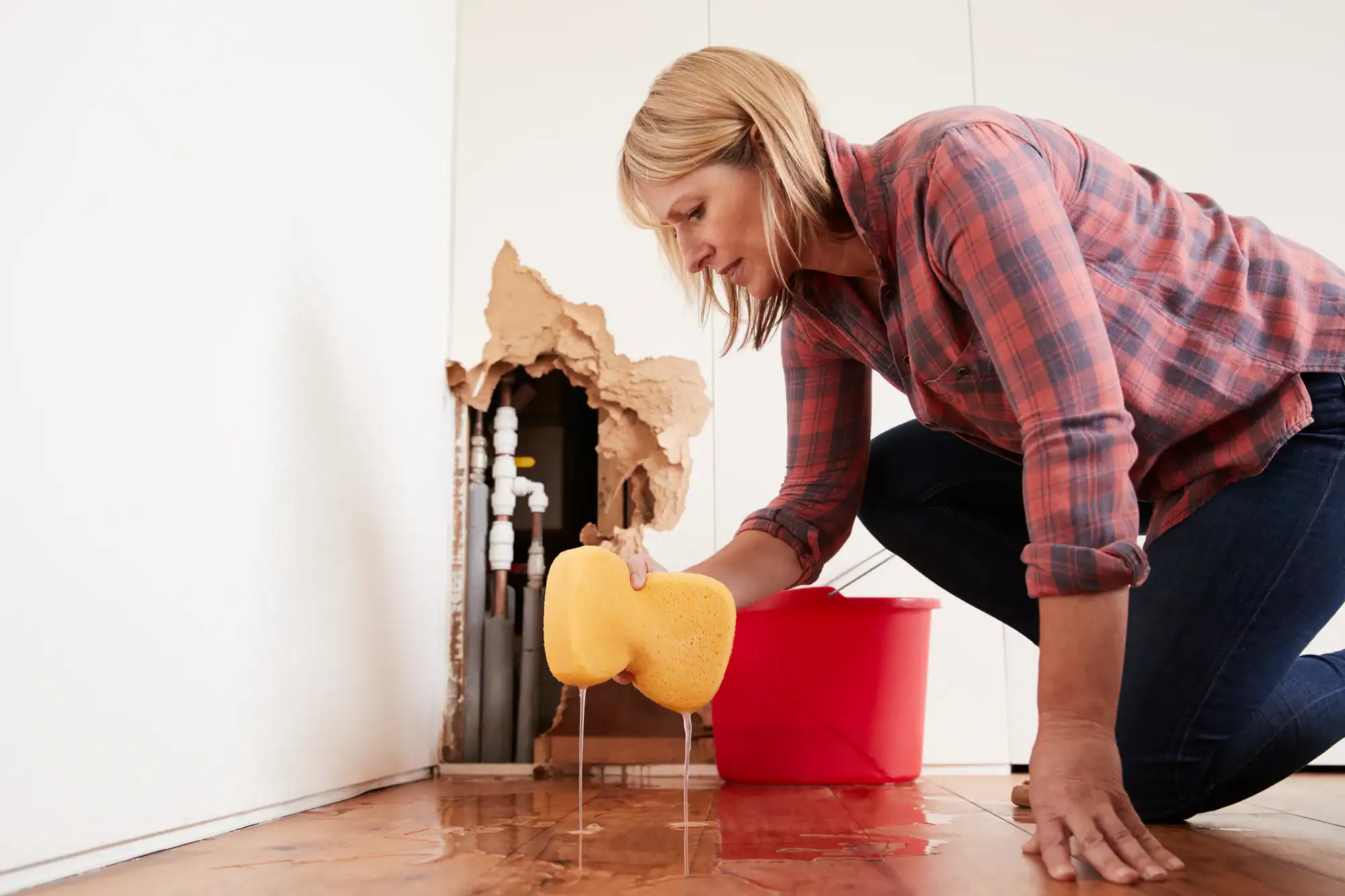
You might think grabbing a mop and some fans will handle water damage, but that approach can cost you thousands more in the long run. The longer water sits, the more extensive the damage becomes. Acting within the first 24 to 48 hours is crucial to prevent mold growth, structural issues, and further damage to your property.
Professional water damage restoration involves much more than removing visible water. Proper water damage cleanup involves much more than simply removing standing water. It requires specialized equipment, techniques, and expertise to ensure that all moisture is removed and the affected areas are properly dried and sanitized. We use industrial-grade dehumidifiers, air movers, and other advanced tools to ensure a thorough and efficient cleanup process.
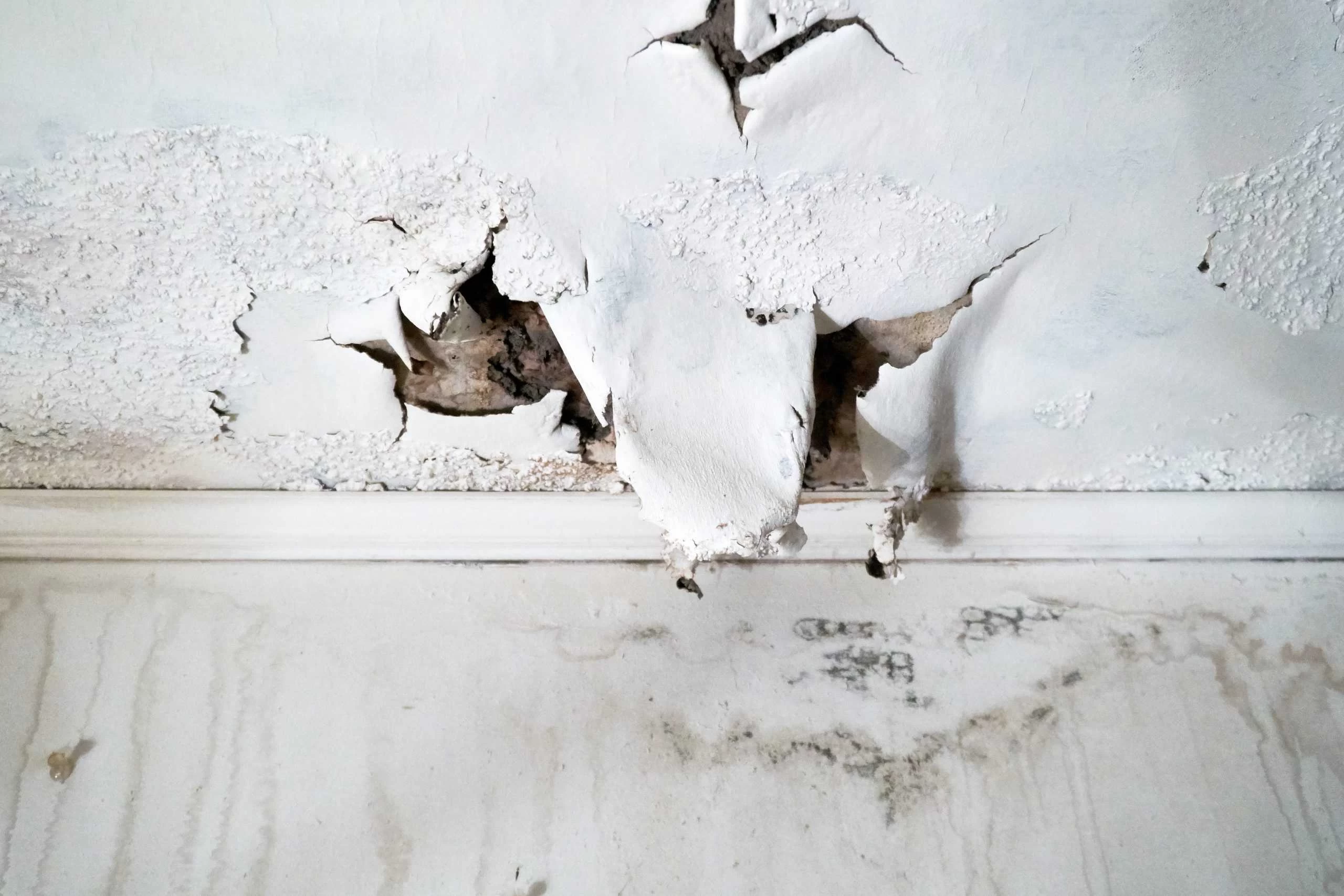
The health risks alone make professional help essential. If water damage is not cleaned up and dried out properly, it can lead to mold growth or hazardous materials. And mold can cause a variety of health problems, including respiratory problems, skin rashes, and headaches. Mold spores are also known to trigger asthma attacks.
There’s also the contamination factor. Flood waters carry dangerous debris, sewage, toxic chemicals, pesticides, fertilizer, pet waste, and germs that spread infectious diseases. Without proper protective equipment and sanitization procedures, you’re exposing your family to serious health hazards.
Insurance complications add another layer of complexity. Many insurance companies require professional documentation and specific restoration procedures to honor claims. Attempting DIY cleanup can actually void your coverage, leaving you responsible for thousands in damages that should have been covered.
The bottom line: water damage restoration requires specialized knowledge, equipment, and safety protocols that only trained professionals possess. In Nassau County’s challenging environment, cutting corners on water damage cleanup isn’t just risky—it’s potentially catastrophic.
How Professional Water Damage Restoration Works
Professional water damage restoration follows a systematic approach designed to minimize damage and prevent long-term problems. Emergency Response: We arrive promptly to assess the situation and secure the area. Water Extraction: We use powerful pumps and vacuums to remove standing water. Drying and Dehumidification: We utilize industrial-grade dehumidifiers and air movers to thoroughly dry the affected areas.
The process doesn’t end with water removal. Water damage restoration involves removing standing water, drying and dehumidifying the affected areas, assessing the extent of the damage, repairing or replacing damaged structures, addressing mold growth if present, and sanitizing the space. The goal is to restore the property to its pre-damage condition, ensuring safety, functionality, and a healthy environment for the occupants.
Professional restoration companies bring specialized equipment that makes all the difference. Advanced moisture detection tools identify hidden water pockets that could cause problems later. Industrial-grade extraction equipment removes water faster than any consumer-grade equipment could manage.
Emergency Response and Initial Assessment
When water damage strikes your Nassau County home, the clock starts ticking immediately. We are available 24 hours a day, 7 days a week, nights, weekends, and holidays. In order to minimize damage after water loss, it is best to contact us immediately. We pride ourselves on reaching the property within the hour.
The initial assessment determines everything that follows. We evaluate not just the visible damage, but potential hidden problems that could emerge later. We check for structural integrity issues, electrical hazards, and contamination risks that untrained eyes might miss.
This assessment phase involves advanced diagnostic tools. Moisture meters detect water in walls, floors, and ceilings where it’s not visible. Thermal imaging cameras identify temperature variations that indicate moisture problems. Air quality testing determines if contamination or mold spores are present.
Documentation during this phase is crucial for insurance claims. We photograph and document all damage, creating the detailed records insurance companies require. We also provide written estimates and restoration plans that help expedite the claims process.
The emergency response also includes immediate steps to prevent further damage. This might involve tarping damaged roofs, boarding up broken windows, or shutting off utilities to prevent electrical hazards. These protective measures can save thousands in additional damage costs.
Speed matters enormously in this phase. When water invades your home, quick action can mean the difference between minor repairs and major reconstruction. Timely water damage restoration is vital in Nassau County, where floods of this kind can happen at any time. Since this kind of damage usually occurs in stages over a prolonged period (except for cases such as burst tanks or pipes), acting early is a good idea.
Advanced Drying and Restoration Techniques
Professional water damage restoration goes far beyond what homeowners can accomplish with household equipment. We use industrial-grade dehumidifiers, moisture meters, and high-powered air movers to completely dry your property and prevent further damage. This equipment operates at levels that consumer-grade tools simply cannot match.
The drying process requires careful monitoring and adjustment. We track moisture levels throughout the restoration process, adjusting equipment placement and settings based on real-time readings. This scientific approach ensures complete moisture removal, preventing the mold growth that can occur when even small amounts of moisture remain.
Different materials require different drying approaches. Hardwood floors need specialized drying mats to prevent warping and cupping. Carpets may need pad replacement and antimicrobial treatment. Drywall often requires controlled drying to prevent cracking and maintain structural integrity.
Advanced restoration techniques also address contamination concerns. The goal is to restore the property to its pre-damage condition, ensuring safety, functionality, and a healthy environment for the occupants. This involves antimicrobial treatments, odor control measures, and sometimes complete material replacement when contamination is severe.
The reconstruction phase brings everything together. We can handle everything from minor repairs to complete rebuilds, ensuring that your home not only looks like the damage never happened but is actually stronger and more resilient than before.
Quality control throughout the process ensures lasting results. We conduct final inspections, moisture testing, and air quality checks before considering the job complete. This thoroughness prevents callback situations and ensures your home is truly restored to a safe, healthy condition.
Protecting Your Nassau County Home with Professional Expertise
Water damage in Nassau County isn’t just about removing water—it’s about understanding the unique challenges our area faces and responding with the expertise those challenges demand. From hurricane-force storms to aging infrastructure and high water tables, your home faces risks that require professional-grade solutions.
The choice between DIY cleanup and professional restoration often determines whether you’re dealing with a temporary inconvenience or a long-term disaster. Professional water damage restoration protects your investment, your family’s health, and your peace of mind during one of the most stressful situations a homeowner can face.
When water damage strikes your Nassau County home, don’t gamble with your family’s safety or your property’s value. Contact Green Island Group immediately for the professional water damage restoration expertise that Nassau County homeowners trust and depend on.