Summary:
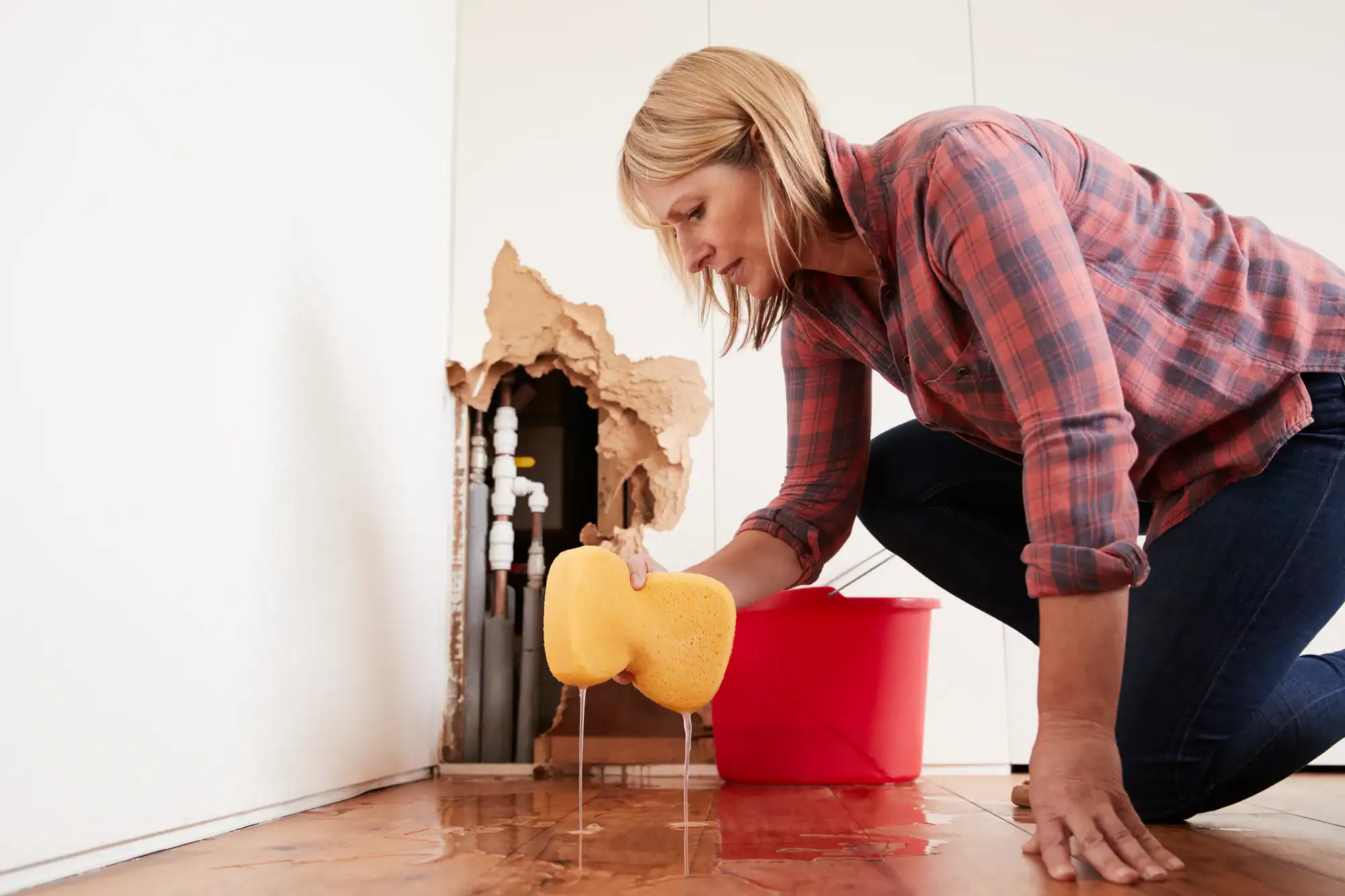
Water doesn’t wait. A pipe bursts at 2 AM, a sump pump fails during a storm, or a slow leak behind the wall finally makes itself known — and suddenly you’re dealing with something that feels completely out of control. If you’re in Nassau County, you already know the drill. The South Shore floods. The water table is high. The homes are old. And when water gets in, it doesn’t just sit there — it moves through walls, soaks into subfloors, and sets the stage for mold within 24 to 48 hours.
This page covers the full picture: what water damage restoration actually involves, what it costs, how insurance fits in, and what to look for when you’re choosing who to call.
Water Damage Restoration Process: Step-by-Step
Restoration isn’t just drying things out. It’s a structured process that starts with stopping the damage and ends with your home back to the condition it was in before water ever entered the picture. Most homeowners are surprised by how many steps are involved — and how much can go wrong when any one of them gets skipped.
The process begins with an emergency assessment. That means moisture meters and thermal imaging cameras, not just a visual walkthrough. Water hides behind drywall, under flooring, and inside ceiling cavities — places you’d never think to look. From there, industrial extractors pull standing water, and commercial dehumidifiers and air movers work together to dry the structure from the inside out.
Daily moisture readings track progress until target levels are reached. Then comes the repair phase: replacing drywall, flooring, insulation, and any structural material that absorbed too much water to be saved. In Nassau County’s older homes, this phase often reveals materials that need special handling — which is why we manage it all in-house rather than handing off to separate contractors.
Restoration Water Damage Experts: What Certifications Actually Mean
When you’re searching for a contractor in a water damage situation, certifications matter more than most people realize — not because they’re impressive on paper, but because they define what a contractor is legally and technically qualified to do.
The IICRC (Institute of Inspection Cleaning and Restoration Certification) sets the international standard for water damage restoration. Their S500 protocol classifies water into three categories — clean water from a supply line, gray water from appliances or toilets, and black water from sewage or flooding — and four classes of damage based on how deeply materials have been saturated. A contractor following IICRC standards isn’t just going through the motions; they’re working from a documented, ANSI-accredited framework that insurers recognize and building departments reference.
In New York State, there’s another layer. Any contractor performing mold remediation on a residential property must hold a NYS Department of Labor Mold Remediation License. Any demolition work in a pre-1980 home requires compliance with asbestos survey and abatement regulations, which means a NYS DOL Asbestos Contractor License. This matters enormously in Nassau County, where the majority of the housing stock was built between 1945 and 1975.
A water damage project in Levittown, Hempstead, or Merrick has a real chance of encountering asbestos floor tiles, asbestos pipe insulation, or lead-based paint the moment demolition begins. We hold all of it — NYS DOL Asbestos Contractor License, NYS DOL Mold Remediation License, EPA Lead RRP Certification, and IICRC Certification — under one roof. That means if we open a wall in a 1960s Massapequa ranch and find something that needs to be addressed before restoration can continue, we handle it ourselves. No stopping work. No calling in a separate abatement contractor. No adding weeks to your timeline.
Burst Pipe Repair Services and Common Causes of Water Damage
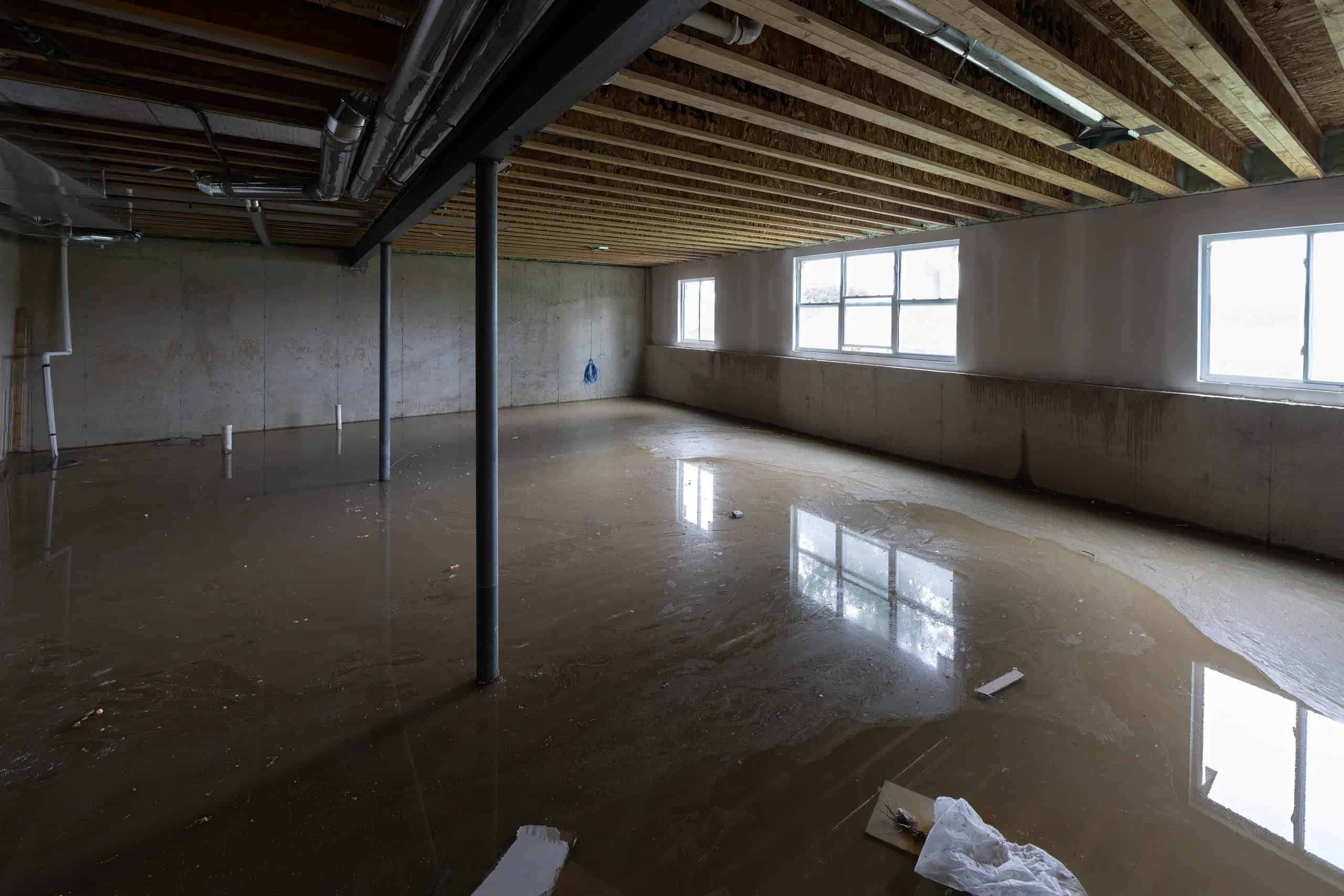
Burst pipes are the most common emergency call we receive, especially from January through March when frozen pipes in uninsulated walls and attics let go without warning. But they’re far from the only cause. Sump pump failures during extended power outages — a regular occurrence during nor’easters on Long Island — send water flooding into basements across Nassau County every winter and spring.
Appliance failures from washing machines, dishwashers, and water heaters account for a steady stream of calls year-round. And then there’s the slow leak: the supply line behind a wall that’s been dripping for months before a soft floor or a musty smell finally gives it away. Each cause produces a different type of water damage, and the category matters. A clean water pipe burst is a different restoration scenario than a sewage backup, which involves Category 3 contaminated water and requires full decontamination protocols — not just drying.
Long Beach and the barrier island communities along Nassau’s South Shore face an additional variable: when storm surge brings ocean water into a home, that’s saltwater contamination, which accelerates corrosion and requires specific treatment approaches. The other thing worth understanding is the timeline. Mold can begin forming within 24 to 48 hours of water intrusion. In Nassau County’s coastal humidity environment, that window can be even shorter. A pipe that bursts while you’re commuting into the city on the LIRR and sits undetected for six or eight hours before you get home has already done more damage than the water itself suggests. That’s why response time isn’t just a convenience — it’s a direct factor in how much the job ultimately costs and how far the damage spreads.
Water Damage Restoration Cost: What Nassau County Homeowners Are Actually Paying
The honest answer is that costs vary significantly depending on how much water got in, how long it sat, what materials were affected, and whether any hazardous materials are involved. National averages from Angi and HomeAdvisor put the typical range at $1,382 to $6,378, with an average around $3,836 to $3,864. Minor situations can come in under $450. Major flooding with structural damage can reach $10,000 to $16,000 or more. Post-hurricane or extensive storm damage restoration can run $10,000 to $50,000 and beyond.
Per square foot, clean water damage typically runs $3.75 to $7.00. Gray water from appliances or overflows runs $4.00 to $8.00 per square foot. Black water and sewage situations run higher because full material removal is required. These aren’t estimates we invented — they’re consistent with industry data and what we see in the field across Nassau and Suffolk counties.
Water Damage Ceiling Repair Cost and Floor Repair: Breaking Down the Numbers
Two of the most common repair questions we hear involve ceilings and floors — because those are usually where the damage shows up first and most visibly.
Ceiling water damage repair typically runs $400 to $1,500 per affected area, depending on the extent of saturation, whether the drywall needs full replacement or just patching, and whether the source of the water (a leaking roof, an upstairs bathroom overflow, a burst pipe in the ceiling cavity) has already been addressed. Leaving a water-damaged ceiling without proper drying first is one of the most common mistakes homeowners make — the surface may look fine while the framing above it is still holding moisture.
For floors, the numbers depend on what’s underneath. Drywall repair runs $2 to $5 per square foot. Subfloor replacement runs $5 to $15 per square foot. If structural framing has been compromised, that range climbs to $15 to $30 per square foot. In Nassau County’s older housing stock, subfloor damage is especially common because many homes were built with materials that absorb moisture quickly and don’t release it easily.
Water damage carpet cleaning is worth addressing separately, because carpet is one of the most misleading materials in a water damage scenario. It can feel dry on the surface while the padding underneath and the subfloor below it are still saturated. If carpet got wet with clean water and was dried within 24 to 48 hours, it may be salvageable. Gray or black water contact almost always means replacement — not cleaning — for health and safety reasons. We assess each situation honestly rather than defaulting to the more expensive option, but we also don’t cut corners when contamination is involved.
Drywall Water Damage Repair Contractors: Why the Rebuild Matters as Much as the Drying
A lot of restoration companies stop at the drying phase. They extract the water, run the equipment, declare the structure dry, and hand you back a home with exposed framing, missing insulation, and a checklist of repairs you now have to coordinate yourself. That’s not restoration — that’s half a job.
Full water damage restoration means returning your home to its pre-loss condition. That includes replacing drywall, reinstalling insulation, repairing or replacing flooring, addressing any structural damage, and finishing everything so the affected area looks and functions the way it did before water entered the picture. We handle all of it under one contract. One crew, one timeline, one invoice — not four separate contractors you’re responsible for scheduling and coordinating.
This matters especially in Nassau County, where water damage projects in pre-1978 homes frequently involve asbestos or lead discovery mid-project. When a separate remediation contractor has to be called in, the rebuild stalls. With us, it doesn’t. We hold every required license in-house, so if something is found during demolition, we address it and keep moving. Homeowners in Garden City, Rockville Centre, and Great Neck have gone through this exact scenario — a straightforward-looking water damage repair that uncovered asbestos floor tiles or pipe insulation — and the difference between a contractor who can handle it and one who can’t is measured in weeks and thousands of dollars.
We also offer financing up to $200,000 at 0% APR through Enhancify, which matters when the damage exceeds your coverage or when you don’t carry a separate flood policy. No local competitor offers financing at that level, and it removes a significant barrier for homeowners who want the job done right but are facing an unexpected cost.
Long Island Water Damage Restoration: Why Local Experience Changes Everything
Nassau County isn’t a generic market. The high water table, the aging housing stock, the South Shore’s exposure to coastal flooding, and the legacy of events like Hurricane Sandy — which damaged or destroyed 74,736 structures in Nassau County alone — create a specific set of challenges that a franchise dispatching from out of state simply isn’t equipped to navigate the way a contractor who has worked here for over 12 years is.
We’ve handled water damage restoration across Nassau County since 2012, through multiple nor’easters, through Sandy’s aftermath, and through the everyday emergencies that don’t make the news but matter just as much to the families dealing with them. We respond 24/7, we bill insurance directly, and we carry every license required to take a job from emergency extraction through complete structural repair without stopping.
If you’re dealing with water damage right now — or want to understand your options before the next storm season — Green Island Group is ready to help.