Summary:
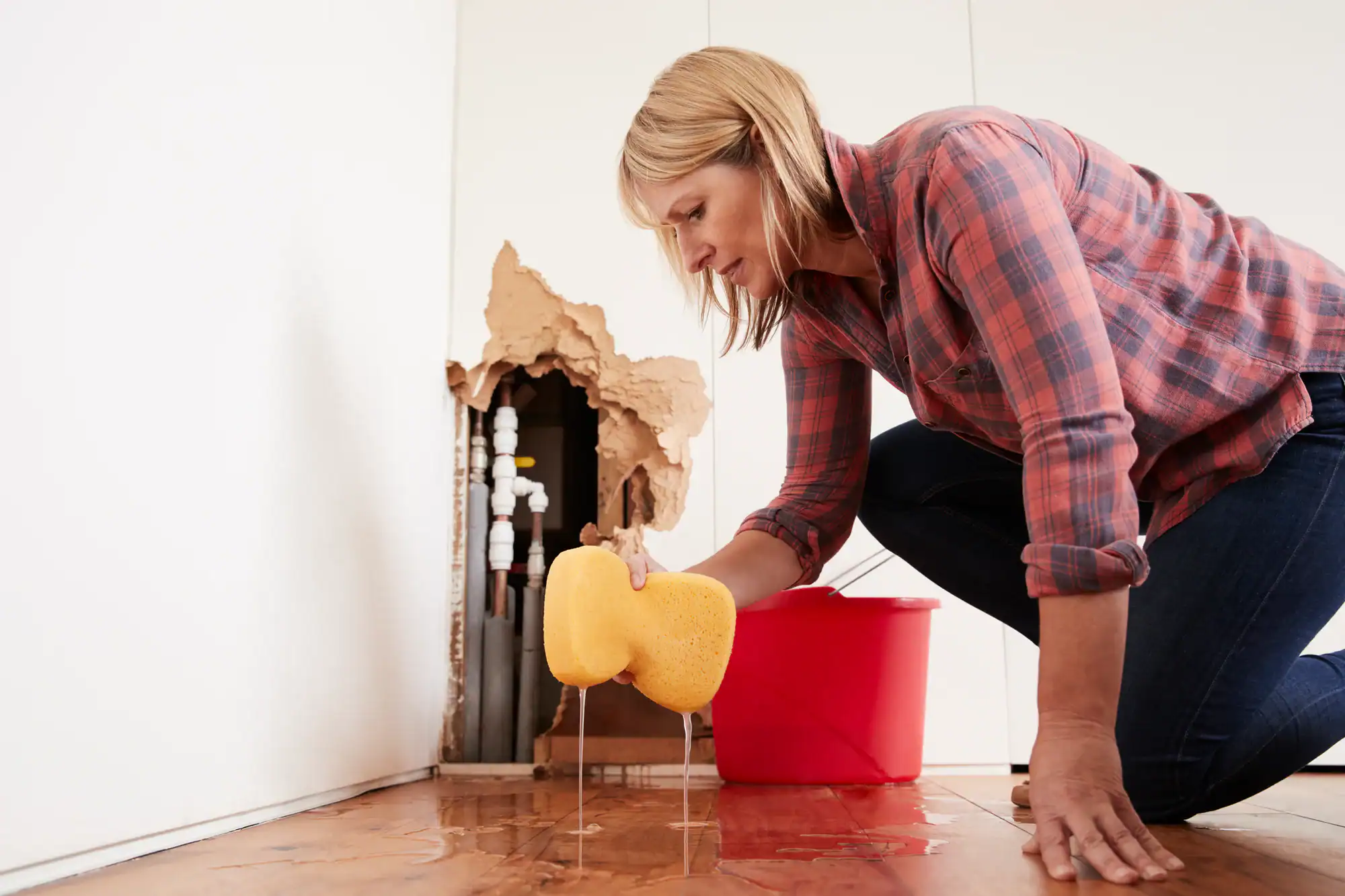
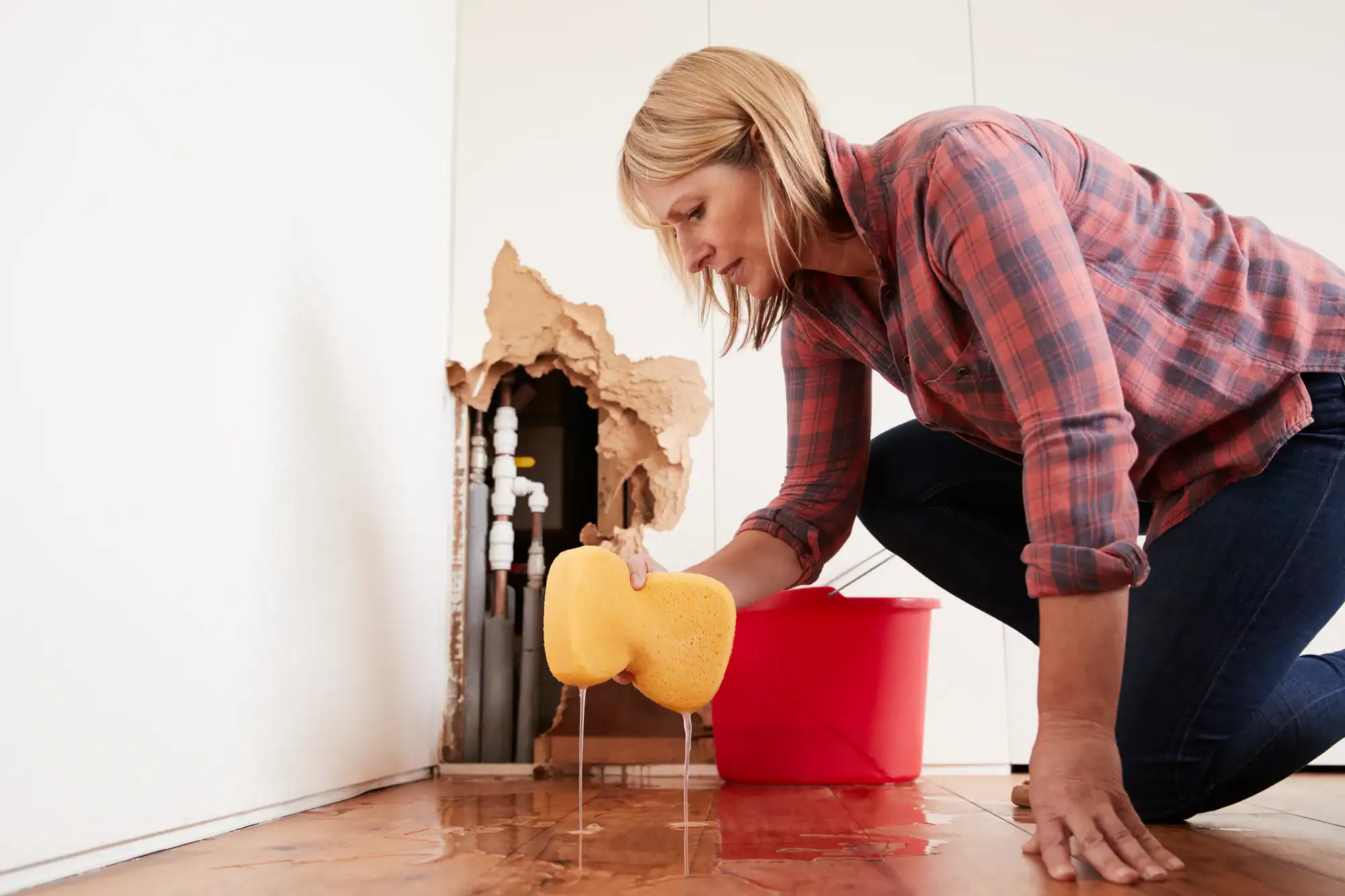
Water damage doesn’t wait for a convenient time. A pipe bursts at 2 a.m. A nor’easter pushes water into your basement. You come home to a soaked ceiling and no idea where to start. In Nassau County, where over 300,000 residents live in flood zones and most homes were built before 1980, this is not a rare situation — it’s a when, not an if.
What happens in the first few hours determines whether you’re looking at a manageable repair or a months-long ordeal. This page explains what proper water damage restoration actually involves, how the insurance side works, and what you should know before you call anyone.
Water Mitigation vs. Water Restoration: What's the Difference?
These two terms get used interchangeably, but they describe different phases of the same process. Water mitigation is everything we do to stop the damage from spreading — extracting standing water, setting up drying equipment, preventing mold from taking hold. Restoration is what comes after: repairing walls, replacing flooring, rebuilding what was damaged.
You need both, and they have to happen in the right order. Skipping straight to repairs without completing a proper drying phase is one of the most common mistakes homeowners make — and it’s how you end up with mold inside your walls six weeks later.
Emergency Water Damage Services: What Should Happen in the First Hours
The first hours after water enters your home are the most critical. Mold spores can begin activating within 24 to 48 hours on damp materials — and in Nassau County’s coastal humidity, that window can feel even shorter. The goal in those early hours is not to make things look dry. It’s to stop the damage from compounding.
A proper emergency water damage response starts with a full assessment — not just a visual walkthrough, but moisture mapping using thermal imaging cameras and professional-grade hygrometers. These tools detect water that has migrated into wall cavities, under subfloors, and inside structural members. You cannot find this moisture with your eyes, and you cannot dry what you haven’t located.
After assessment comes extraction. Industrial water extractors pull standing water far more effectively than anything you’d rent from a hardware store. Then comes the drying phase — commercial dehumidifiers and high-velocity air movers set up strategically to pull moisture out of the structure itself, not just the air in the room. This phase typically runs three to five days for most residential jobs.
Finally, antimicrobial treatments are applied to affected surfaces to prevent mold and bacterial growth from establishing before the drying is complete. Every step gets documented — drying logs, moisture readings, photographs — because that documentation matters when you file your insurance claim.
When we respond to a water emergency in Nassau County, we aim to be on-site within an hour of your call. Not because it’s a good marketing line, but because the math on water damage is unforgiving. Every hour of delay increases both the scope of damage and the cost of fixing it.
Emergency Water Clean Up in Nassau County's Older Homes
There’s a layer to water damage restoration in Nassau County that most national restoration content never mentions: the age of the housing stock. A significant portion of homes here — particularly in communities like Levittown, Uniondale, Hempstead, and Merrick — were built in the post-World War II era. That means they’re 70 to 80 years old, and many contain asbestos insulation, asbestos floor tiles, and lead paint.
This matters enormously when water damage occurs. Restoration work that disturbs walls, flooring, or insulation in a pre-1978 home can expose your family to asbestos fibers or lead dust if the contractor isn’t properly licensed to handle it. In New York State, asbestos abatement requires a specific NYS Department of Labor license — separate from a general contractor’s license, and separate from a mold remediation license.
We hold both, along with USEPA Lead and RRP certifications. That’s not a checkbox — it’s the difference between a remediation that’s legally compliant and one that creates a new hazard while fixing the original one. When water damage opens up walls in an older Nassau County home, we assess for these materials before the restoration work begins.
This is also where the single-vendor model matters. When one company handles water extraction, structural drying, mold remediation, asbestos abatement, and full reconstruction, nothing falls through the cracks between contractors. There’s no gap where a mitigation company hands off to a general contractor who doesn’t know what the previous crew found inside the walls. You have one point of contact, one chain of accountability, and one team that knows the full picture of your property.
Water Damage Claim Home Insurance: What's Covered and What Isn't
Insurance coverage for water damage is genuinely confusing, and the confusion costs Nassau County homeowners money every year — either because they assume they’re covered when they’re not, or because they don’t file claims they’re entitled to.
The core principle in most homeowners policies is this: sudden and accidental water damage from inside your home is typically covered. Gradual damage, maintenance failures, and flooding from external sources typically are not. Everything else falls somewhere in between, and the details of your specific policy determine which side of that line your situation lands on.
Does Homeowners Insurance Cover Flooding from Rain in Nassau County?
This is one of the most common questions we hear from homeowners after a storm, and the answer matters a lot on Long Island’s South Shore. Standard homeowners insurance does not cover flooding — meaning water that enters your home from the ground up due to heavy rain, storm surge, or rising water tables. That type of damage requires a separate flood insurance policy, typically through the National Flood Insurance Program (NFIP).
After Hurricane Sandy reclassified large portions of Nassau County as high-risk flood zones, many homeowners were required to purchase flood insurance for the first time. If you live in Island Park, Long Beach, Oceanside, Freeport, Baldwin, or anywhere along the South Shore, there’s a reasonable chance your property sits in a designated flood zone — and if you have a federally backed mortgage, flood insurance isn’t optional.
What homeowners insurance may cover is rain-related water damage that enters through a storm-damaged roof or a compromised opening in the structure. If a nor’easter tears off shingles and water gets in through the gap, that’s a different scenario than groundwater flooding — and it may be covered. The distinction comes down to where the water came from and how it entered your home.
If you’re not sure which category your damage falls into, we can help you sort through that before you file a claim. Getting the framing right from the start reduces the chance of a denial.
Does Home Insurance Cover Water Damage from a Leaking Pipe?
Generally, yes — with an important caveat. Homeowners insurance typically covers water damage caused by a sudden and accidental pipe failure, like a pipe that freezes and bursts during a January cold snap, or a supply line that ruptures without warning. That’s the kind of event policies are designed for.
What most policies won’t cover is a slow leak that’s been dripping inside a wall for months and gradually rotted out the subfloor. Insurers treat that as a maintenance issue — something that could have been caught and fixed before it became a major loss. If there’s evidence that the damage was gradual rather than sudden, a claim can be denied on those grounds.
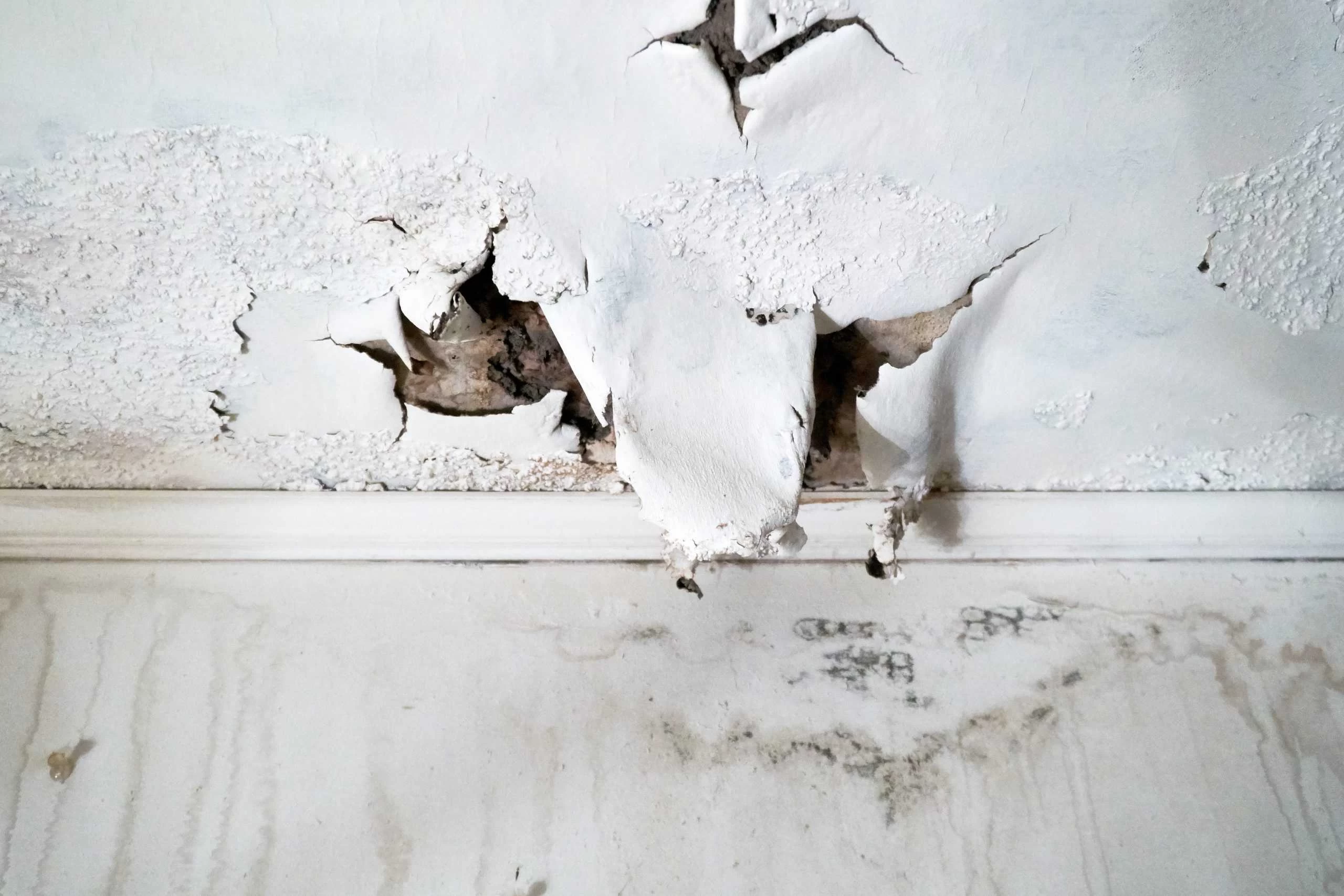
This distinction becomes especially relevant in Nassau County’s older homes, where aging plumbing is common. Galvanized steel pipes — standard in homes built before the 1960s — corrode from the inside out over decades. By the time a leak becomes visible, significant hidden water damage may already exist behind walls or under flooring.
That’s why we use thermal imaging as a standard part of our assessment process, not an add-on. Finding hidden water damage early gives you documentation of when damage was discovered, which supports your insurance claim. It also means we’re treating the full scope of the problem, not just the part you can see. A restoration company that only addresses visible damage is leaving the job half done — and leaving you exposed to mold, structural deterioration, and a future claim that’s harder to make because the original damage wasn’t properly documented.
Water Damage Restoration in Nassau County: What to Do Next
If there’s one thing to take away from all of this, it’s that water damage compounds quickly and quietly. The visible part — the wet floor, the stained ceiling — is rarely the full picture. The real risk is what’s happening inside your walls, under your subfloor, and in the structural materials you can’t see.
Acting fast matters. So does hiring someone with the right licenses for New York State, the right equipment for the job, and the ability to handle everything from emergency extraction through final reconstruction without handing you off to a different company at every stage.
We’ve been doing this work in Nassau County for over 12 years, across more than 5,000 completed projects — from pipe bursts in Levittown to post-Sandy rebuilds in Island Park. If you’re dealing with water damage right now, or you want to understand your situation before you make any decisions, reach out to us. We’re available around the clock, and we’ll give you a straight answer.