Summary:
Water Damage Prevention for Long Island Homes
Water damage destroys more Long Island homes than any other disaster. Fifteen percent of Long Island residents live in flood zones, and 34% of all properties face flood risk in the next 30 years. This isn’t just a coastal problem anymore.
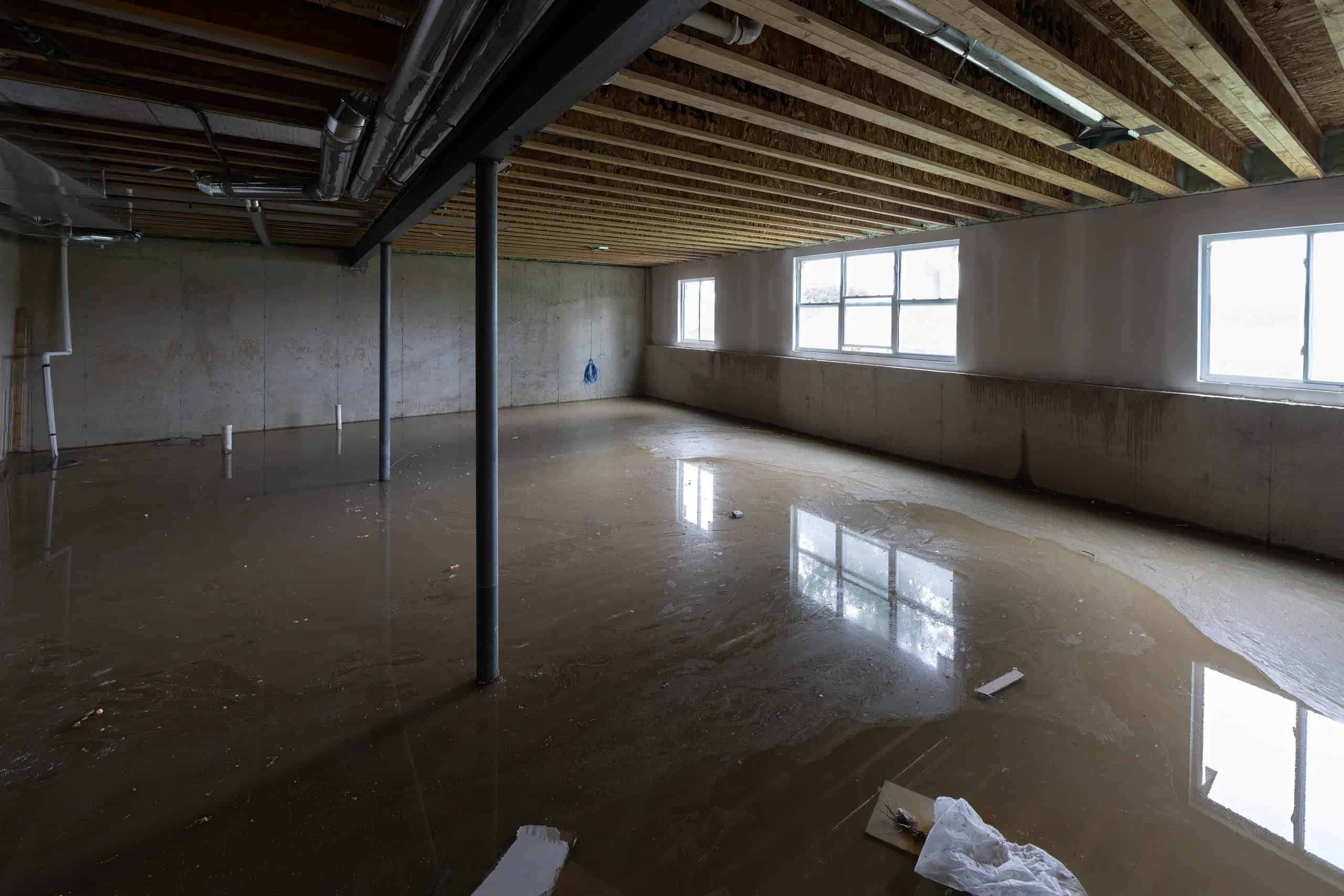
You need to understand how water infiltrates your home. Water finds its way through the smallest foundation cracks and gaps. Your basement becomes ground zero during our storm season.
Start with a foundation inspection. Walk your basement perimeter and examine every wall and floor surface. Seal even tiny cracks before the next storm hits. This single step prevents thousands in water damage restoration costs.
Basement Waterproofing That Actually Works
Your basement needs comprehensive protection beyond basic maintenance. Professional basement waterproofing using interior sealants, exterior waterproofing, and drainage systems like French drains provides the most effective flood prevention. These aren’t DIY projects – they require the expertise that we bring to every restoration project.
Sump pumps are essential for Long Island homes prone to basement flooding, automatically removing water that collects under your foundation, but you must test them regularly and install battery backup for power outages. Don’t discover your sump pump failed during the next storm.
Proper grading slopes away from your foundation at a minimum of six inches over ten feet. This fundamental principle directs water away from your home rather than toward it. Many Long Island homeowners miss this critical factor.
Window wells become water entry points during storms, requiring durable covers that also block debris, pests, and leaves. Backwater valves prevent sewage backup into your basement – crucial if you’re in a high-risk flood zone or connected to older sewer systems.
If you store items in your basement, never place boxes, furniture, or electronics directly on floors – use shelving, plastic bins, or risers to protect belongings from even minor water intrusion. Even without major flooding, excess humidity after storms creates hidden mold growth, making dehumidifiers essential for maintaining stable moisture levels and protecting your air quality.
Exterior Water Management and Gutter Maintenance
Your exterior water management system determines whether storms cause minor problems or major disasters requiring residential restoration services. Check your downspouts by removing debris from gutters and positioning them to direct water away from your house. Gutter guards prevent clogs and keep water flowing away from your home instead of pooling on your roof.
Clean, debris-free gutters reduce fire risks and prevent additional fuel for potential fires, while understanding gutters’ role in fire prevention helps you adopt proactive maintenance. During wildfires or ember attacks, gutters can spread fire, but well-maintained gutters intercept embers and prevent debris ignition.
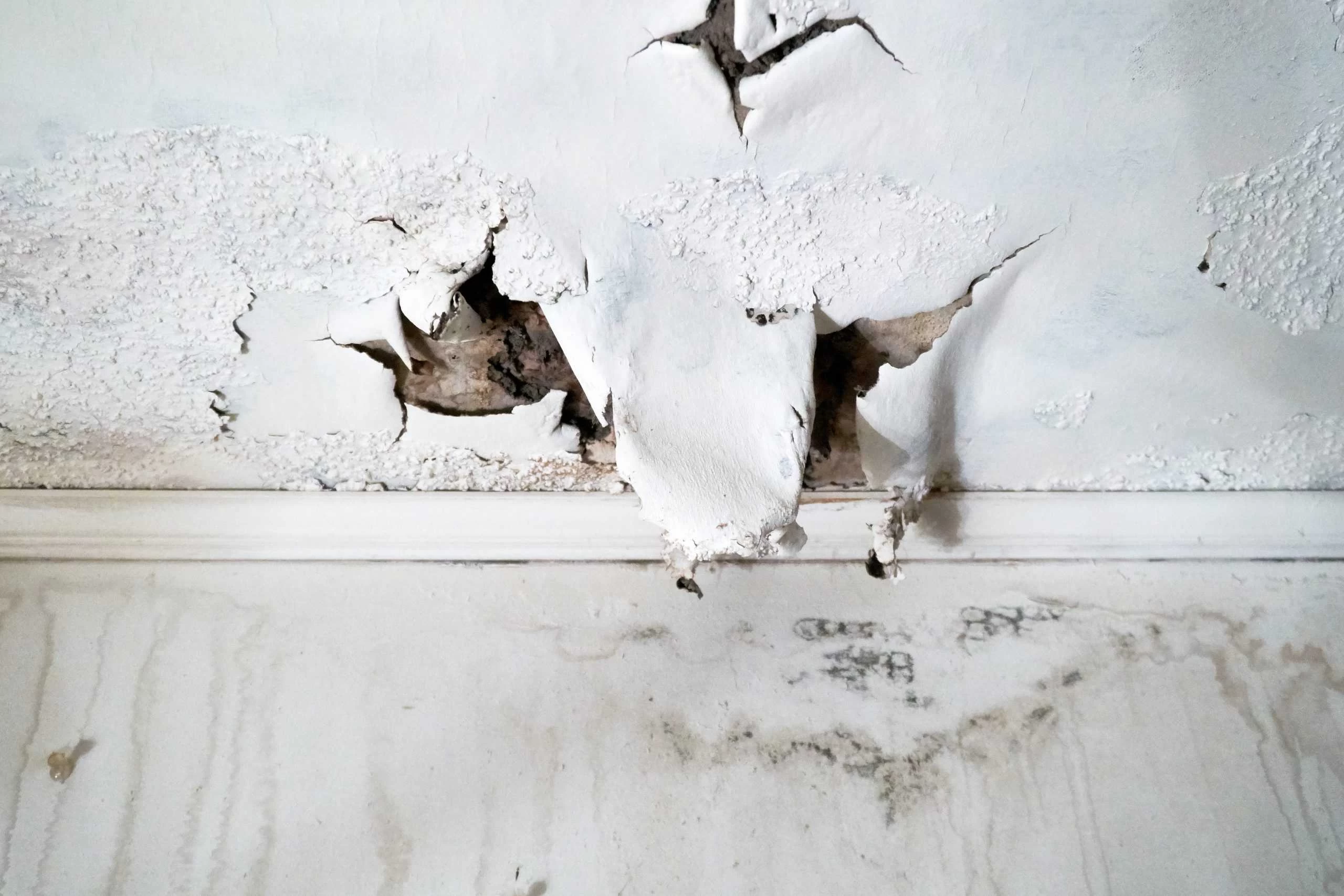
Water seepage after heavy rain in previously dry areas often means your waterproof cement floors and basement walls have deteriorated, requiring water sealant application. Make sure water drains away from your building – settled soil directing water toward your foundation worsens seepage, especially when saturated ground channels rainwater down foundation walls through cracks.
Trim trees and roots near your home that could damage your foundation or interfere with underground drainage – poorly placed shrubs and garden beds can hold water against your house. If you see puddles near your foundation after rain, add soil, gravel, or landscaping to encourage proper water flow away from your home.
Fire Prevention Strategies for Long Island Homes
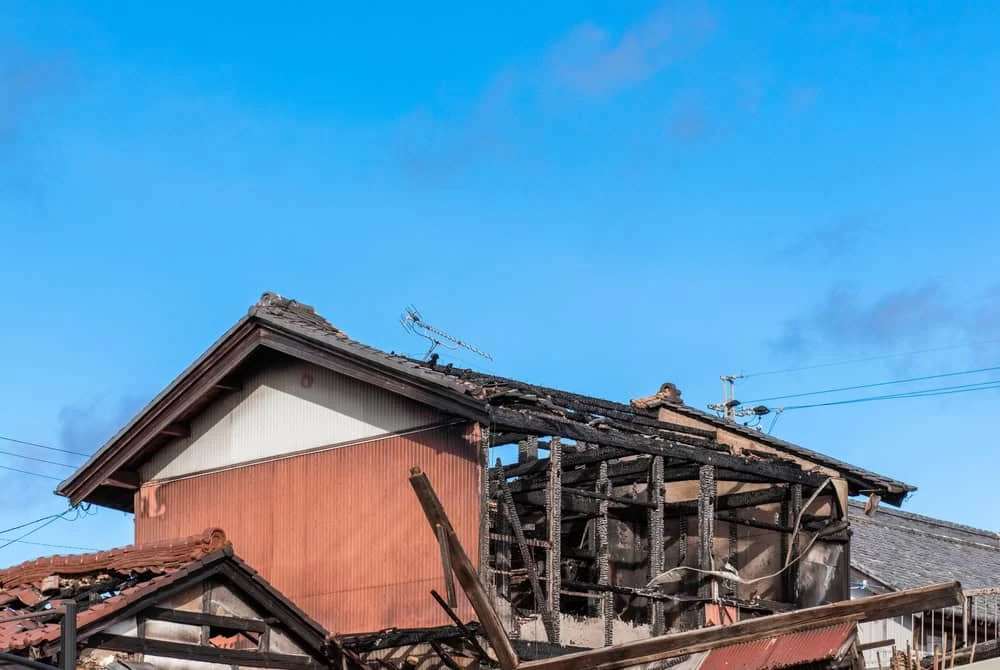
Fire prevention requires multiple layers of protection addressing both obvious and hidden risks throughout your Long Island home. Fire spreads incredibly fast – small flames become major fires in under 30 seconds, with thick black smoke filling your house in minutes. Most fires start in homes and spread rapidly, giving you as little as two minutes to escape.
Install smoke alarms on every level of your home, inside bedrooms and outside sleeping areas, test them monthly, and change batteries when they stop working. Place smoke alarms in every sleeping room and outside separate sleeping areas, interconnecting them so when one sounds, they all sound.
Detection systems are crucial, but preventing ignition sources before they become problems saves lives and property.
Kitchen Fire Prevention and Appliance Safety
Your kitchen presents the highest fire risk, but simple preventive measures dramatically reduce danger. Stay in the kitchen when frying, grilling or broiling food, turn off the stove if you leave even briefly, and wear short, close-fitting sleeves when cooking. Never leave burning candles, burners, or grills unattended – extinguish candles and turn off cooking appliances if you must leave, keeping flames away from curtains, tablecloths, and oven mitts.
Inspect appliance hoses and faucets annually, checking hoses leading to water heaters, dishwashers, washing machines and refrigerator icemakers. Use electricity safely by unplugging smoking or unusual-smelling appliances immediately, replacing cracked electrical cords, using only one cord per outlet, avoiding cords under rugs, and never tampering with fuse boxes.
Keep a fire extinguisher in your kitchen and contact your local fire department for proper use and maintenance training. Smother oil and grease fires with baking soda or salt, or cover flames with a lid – never use water on grease fires.
Keep portable heaters at least three feet from anything that can burn, away from children and pets, and turn them off when leaving home or sleeping. Protect children by storing matches and lighters out of reach and maintaining three feet distance from hot appliances like space heaters and stovetops.
Home Maintenance for Fire Prevention
Long-term fire prevention requires systematic maintenance of your home’s structural systems. Check plumbing and heating pipes for cracks and leaks, making repairs immediately. Install emergency pressure release valves in your plumbing system to protect against freezing pipe pressure that can cause bursts.
Caulk and seal windows against water seepage, and inspect your roof for missing, damaged or aging shingles. Check sprinkler and irrigation systems to ensure they’re not causing water damage to walls and foundations – water damage creates electrical hazards that increase fire risk.
Remove leaves and debris from areas close to your Long Island home to reduce fire danger, especially important during New York’s annual brush burning ban from March 16 through May 14 when wildfire conditions peak.
Plan your escape route with two ways out of each room, share the plan with everyone in your family and guests, including an outside meeting place. Practice fire drills ensuring children, older adults, and people with disabilities get assistance, install bright stairway lighting, remove clutter for quick escape, and install handrails on both sides of stairs.
You have only two minutes to escape a fire, so create and practice your emergency escape route at least twice yearly. Working smoke alarms plus regularly practiced escape plans save lives – discuss plans with family members and practice them twice per year.
Building Your Long Island Home Protection Strategy
The most effective approach combines these preventive measures into a systematic protection plan designed for Long Island’s unique challenges. The cost of prevention is always less than the cost of repair, so take action today to protect your home. Long Island storm season is unpredictable, but your preparation doesn’t have to be – take these steps now for peace of mind.
Create regular maintenance schedules, emergency preparedness plans, and arrange professional inspections. Check plumbing and appliances regularly, install moisture detectors in high-risk areas, fix leaks immediately, keep gutters clear, and ensure proper drainage away from your foundation. When disasters strike despite your best prevention efforts, having a trusted local home restoration company ready to respond makes the difference between minor repairs and major reconstruction.
Your home represents your family’s security and your biggest investment. Don’t leave its protection to chance when proven preventive measures can shield you from Long Island’s most common property restoration challenges. For comprehensive protection and expert guidance, consider consulting with experienced professionals who understand Long Island’s unique risks and have successfully completed thousands of restoration projects across Nassau and Suffolk counties.