Summary:
Category 1 Water Damage: Clean Water Sources
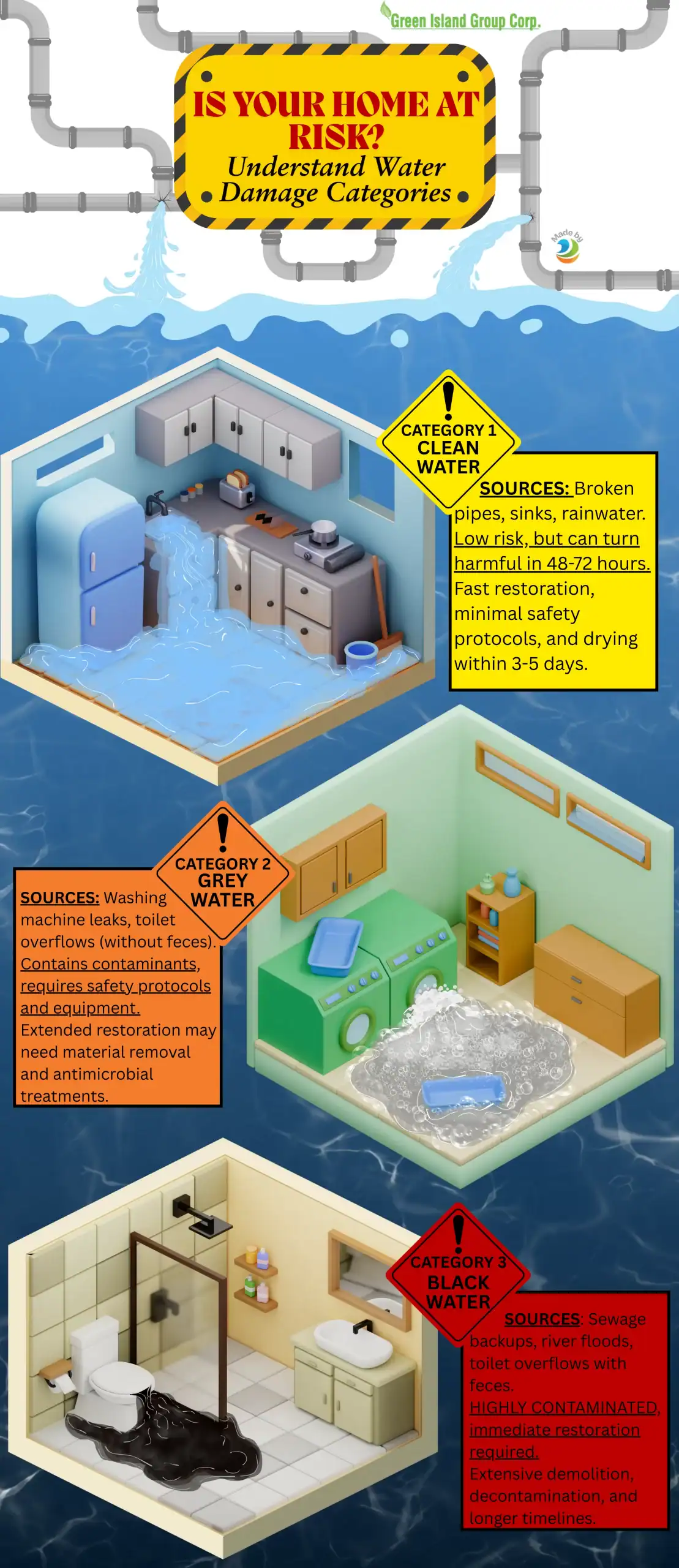
Category 1 water damage comes from clean water sources like broken supply lines, overflowing sinks, or rainwater that hasn’t mixed with contaminants. This is the most manageable type of water damage restoration that restoration services handle on Long Island.
The water itself doesn’t pose immediate health risks, but time changes everything. Clean water becomes Category 2 within 48-72 hours as it sits and begins growing bacteria. That’s why even “clean” water damage requires immediate restoration services attention on Long Island, especially during New York’s humid summers when conditions accelerate bacterial growth. Water damage restoration professionals understand these time-sensitive factors that affect your property’s recovery timeline.

How Category 1 Water Damage Affects Your Restoration Services Timeline
Category 1 water damage restoration moves fastest because safety protocols are minimal and restoration services can focus entirely on extraction and drying. Long Island restoration services teams can typically begin water extraction immediately without extensive protective equipment or containment procedures.
The restoration services process starts with water extraction using truck-mounted equipment, followed by moisture detection to map affected areas throughout your Long Island property. Industrial dehumidifiers and air movers then work around the clock to bring moisture levels back to normal. Most Category 1 water damage restoration situations on Long Island can reach proper drying levels within 3-5 days if restoration services address the damage immediately.
Materials like hardwood floors, drywall, and insulation get evaluated based on saturation levels rather than contamination concerns. Porous materials that absorbed clean water can often be saved with proper drying techniques from professional restoration services, keeping your restoration costs for water damage on Long Island lower than other categories. However, extensive damage may require demolition of severely affected structural elements.
The key advantage of Category 1 damage is speed. Without contamination concerns, restoration services can focus entirely on moisture removal and prevention of secondary damage like mold growth. However, any delays that allow clean water to sit and stagnate will bump your Long Island situation into Category 2, changing the entire restoration services approach and potentially requiring mold remediation.
Common Category 1 Water Sources in Long Island Homes
Category 1 water damage restoration moves fastest because safety protocols are minimal and restoration services can focus entirely on extraction and drying. Long Island restoration services teams can typically begin water extraction immediately without extensive protective equipment or containment procedures.
The restoration services process starts with water extraction using truck-mounted equipment, followed by moisture detection to map affected areas throughout your Long Island property. Industrial dehumidifiers and air movers then work around the clock to bring moisture levels back to normal. Most Category 1 water damage restoration situations on Long Island can reach proper drying levels within 3-5 days if restoration services address the damage immediately.
Materials like hardwood floors, drywall, and insulation get evaluated based on saturation levels rather than contamination concerns. Porous materials that absorbed clean water can often be saved with proper drying techniques from professional restoration services, keeping your restoration costs for water damage on Long Island lower than other categories. However, extensive damage may require demolition of severely affected structural elements.
The key advantage of Category 1 damage is speed. Without contamination concerns, restoration services can focus entirely on moisture removal and prevention of secondary damage like mold growth. However, any delays that allow clean water to sit and stagnate will bump your Long Island situation into Category 2, changing the entire restoration services approach and potentially requiring mold remediation.
Category 2 and 3 Water Damage: Contaminated Water Restoration Services
Category 2 and 3 water damage involve contaminated water that requires specialized restoration services, safety protocols, and often more extensive restoration work, including potential demolition. These categories determine not just how restoration services proceed, but what materials can be saved versus what must be removed entirely from your Long Island property.
Category 2 water contains significant contamination that could cause illness if consumed. Category 3 water is grossly contaminated and poses serious health risks through contact or inhalation. The contamination level drives every restoration service decision, from safety equipment to disposal requirements, often necessitating dumpster rental for contaminated materials removal from Long Island properties.
Category 2 Water Damage: Gray Water Restoration Services
Category 2 water, often called “gray water,” comes from sources like washing machine overflows, dishwasher leaks, toilet overflows without feces, or sump pump failures. This water contains chemical, biological, or physical contaminants that make restoration services more complex for Long Island properties.
The contamination level means restoration services must use protective equipment and establish containment procedures to prevent cross-contamination to unaffected areas of your Long Island home. Air filtration equipment removes airborne contaminants during the water damage restoration, and specialized restoration services may be required.
Material evaluation becomes more critical with Category 2 damage requiring restoration services assessment. Porous materials like carpet, carpet padding, and insulation typically require demolition and replacement rather than restoration. Drywall may be salvageable if contamination didn’t penetrate deeply, but restoration services make these decisions based on moisture readings and contamination assessment. Dumpster rental often becomes necessary for proper disposal of contaminated materials from Long Island properties.
The timeline for restoration services is longer for Category 2 damage than for Category 1 damage due to the necessary safety protocols and the more extensive material removal involved in demolition processes. Antimicrobial treatments become standard procedure to eliminate bacteria and prevent future growth that might require mold remediation. Restoration services must also follow specific disposal requirements for contaminated materials, often coordinating dumpster rental services for Long Island clients.
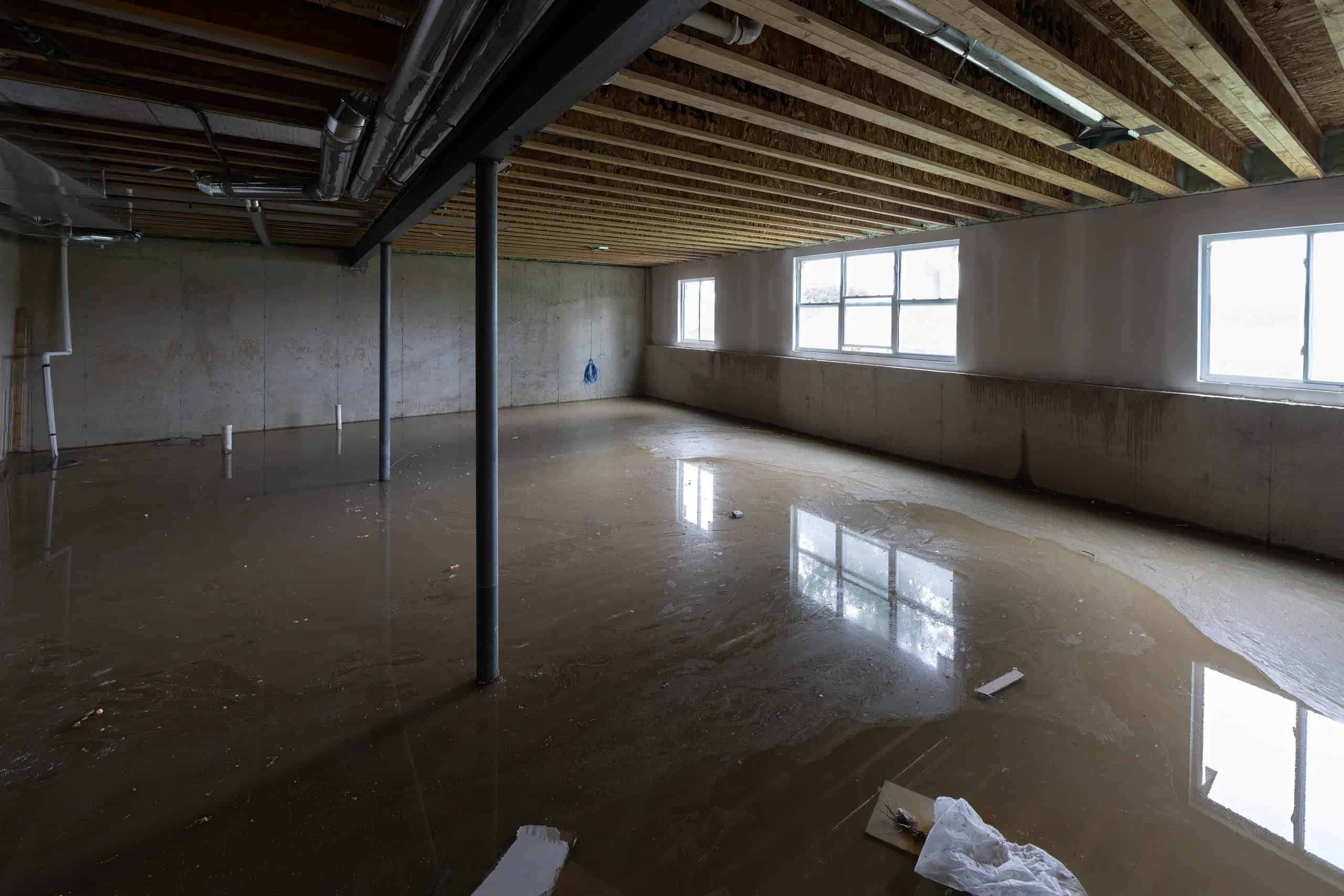
Category 2 situations can escalate to Category 3 if contaminated water sits for extended periods or if additional contamination sources mix with the original water. This is why immediate professional restoration services assessment is pivotal for any water damage involving appliances, plumbing fixtures, or basement flooding on Long Island, potentially preventing the need for more extensive services like sewage cleanup.
Category 3 Water Damage: Black Water Emergency Restoration Services
Category 3 water damage represents the most serious contamination level, involving water that’s grossly contaminated with pathogenic agents, toxic chemicals, or other harmful substances. Sources include sewage backups requiring sewage cleanup, flooding from rivers or streams, and toilet overflows containing feces—all requiring immediate restoration services intervention on Long Island.
This contamination level requires immediate professional restoration services with full protective equipment, containment procedures, and specialized disposal protocols. Long Island homes affected by Category 3 water damage need encompassing safety measures through restoration services to protect both workers and occupants from health risks, often requiring extensive demolition and dumpster rental for contaminated materials.
The restoration services approach for Category 3 damage is aggressive and thorough. All porous materials that contacted contaminated water must be removed through demolition and disposed of according to local regulations, requiring dumpster rental coordination. This typically includes flooring, drywall up to 12–24 inches above the water line, insulation, and any soft furnishings on your Long Island property.
Structural materials like framing lumber get evaluated individually by restoration services, but most require antimicrobial treatment or replacement. The restoration services process includes multiple rounds of disinfection using EPA-approved antimicrobials designed for sewage cleanup. Air quality testing often becomes necessary before occupants can safely return to Long Island properties after restoration services complete the work.
Category 3 restoration services timelines are the longest due to safety requirements, extensive material removal through demolition, and thorough decontamination procedures including sewage cleanup protocols. However, attempting to shortcut the process or handle Category 3 damage without professional restoration services creates serious health risks and potential liability issues. Insurance companies also require professional documentation for Category 3 claims to verify proper contamination protocols were followed by qualified restoration services.
Choosing the Right Water Damage Restoration Services Approach
Understanding water damage categories helps you make informed decisions when disaster strikes your Long Island property. The contamination level determines everything from immediate safety concerns to final restoration services costs, and professional assessment through qualified restoration services on Long Island provides the right approach for your specific situation.
Time remains the critical factor regardless of category. Even clean water becomes contaminated water if left standing, and contaminated drinking water creates health hazards that worsen with every hour of delay. Professional restoration services have the training, equipment, and experience to assess contamination levels accurately and implement appropriate protocols, whether that involves water damage restoration, mold remediation, sewage cleanup, or demolition with coordinated dumpster rental services.
When water damage affects your Long Island property, contact professional restoration services immediately for assessment and encompassing restoration services, including water damage restoration, mold remediation, and any necessary demolition work with proper dumpster rental coordination.