Summary:
Understanding the Health Risks of Mold, Smoke, and Water Damage
The health impacts of property damage go far beyond what you can see on the surface. Each type of damage creates its own set of health hazards that can affect your family immediately and for years to come.
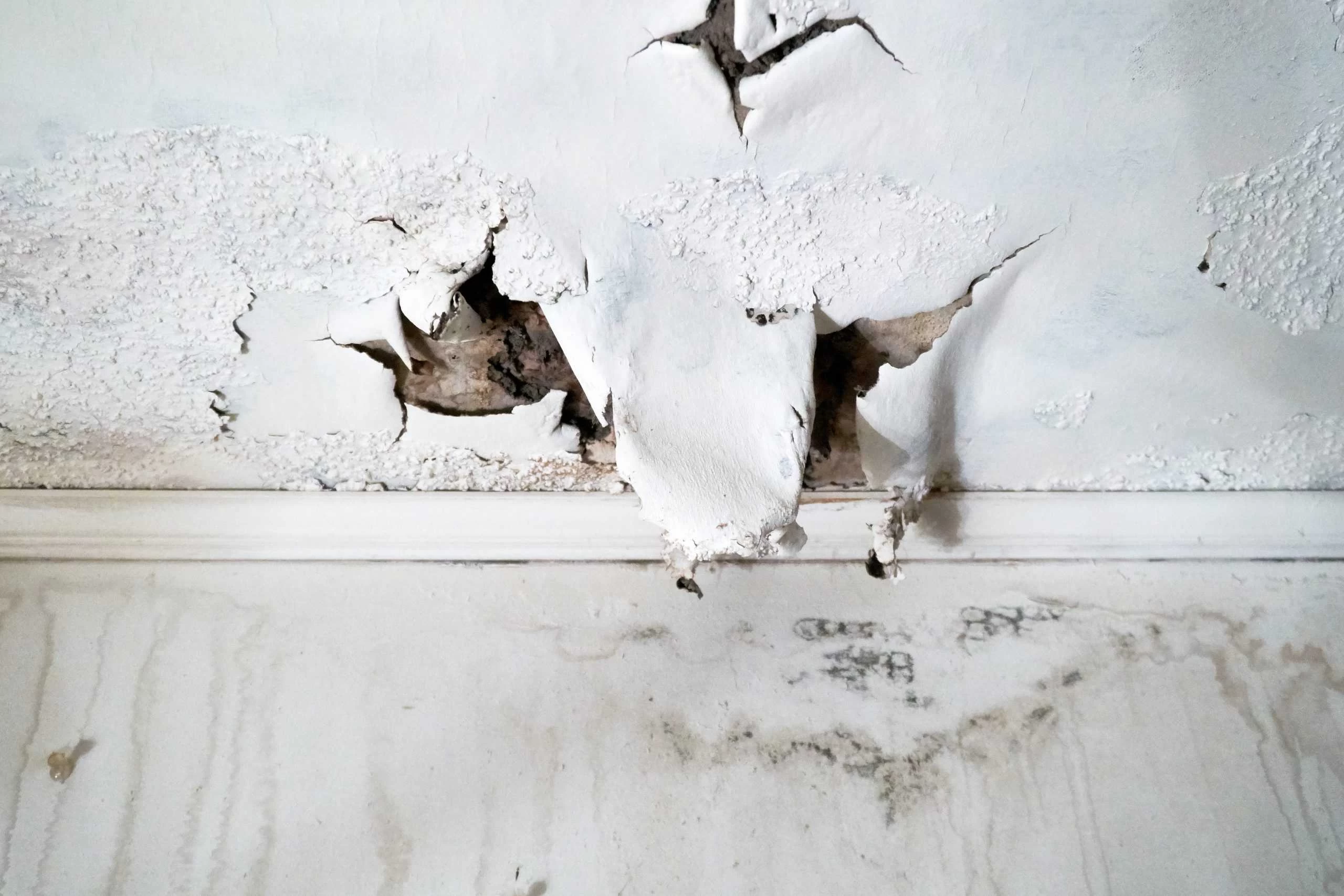
Mold exposure is particularly dangerous because spores become airborne and invisible to the naked eye. Water damage creates the perfect breeding ground for harmful bacteria and pathogens. Smoke damage leaves behind toxic particles that continue causing problems long after the fire is extinguished.
What makes these situations especially concerning is how quickly they develop and spread throughout your home, often in areas you can’t easily inspect or clean yourself.
How Mold Growth Affects Your Health After Water Damage
Mold doesn’t wait around. It can begin growing within 24 to 48 hours after water exposure, and once it takes hold, the health consequences can be severe and long-lasting.
The most common symptoms include watery eyes, runny nose, sneezing, itching, coughing, and wheezing. But for many Long Island residents, especially during our humid summers, the problems go much deeper. Mold exposure can trigger difficulty breathing, persistent headaches, and chronic fatigue that affects your daily life.
People with asthma face even greater risks. Mold can trigger severe asthma attacks that require immediate medical attention. Children, elderly family members, and anyone with compromised immune systems are particularly vulnerable to serious respiratory infections.
What’s especially troubling is that mold often grows in hidden areas like inside walls, under flooring, and in HVAC systems. You might be breathing in harmful spores for weeks or months before you even realize there’s a problem. The musty odor that many people associate with mold is actually just one indicator, and by the time you smell it, the contamination has likely spread significantly.
The health effects can persist long after exposure ends. Some people develop permanent respiratory sensitivities or chronic sinus problems. That’s why addressing water damage immediately isn’t just about protecting your property—it’s about protecting your family’s long-term health.
Smoke and Soot Health Hazards That Linger After Fires
Smoke damage creates health risks that many people underestimate because they assume the danger ends when the fire is out. Unfortunately, smoke particles and soot continue affecting your health long after the flames are extinguished.
Smoke contains hundreds of toxic chemicals and particles that penetrate deep into your home’s materials. These microscopic particles become airborne every time you walk across a carpet, sit on furniture, or even open a door. You’re essentially living in a cloud of toxic dust that gets stirred up with normal daily activities.
The immediate health effects include throat irritation, coughing, and breathing difficulties. But prolonged exposure to smoke residue can cause more serious respiratory problems, especially for people with existing conditions like asthma or COPD. Children are particularly vulnerable because their respiratory systems are still developing.
What makes smoke damage especially insidious is how it penetrates materials you might not think to clean or replace. Smoke particles embed themselves in drywall, insulation, carpeting, and even inside your HVAC system. Every time your heating or cooling system runs, it can circulate these harmful particles throughout your entire home.
Professional restoration is crucial because standard cleaning methods can’t remove these embedded particles. Attempting to clean smoke damage yourself often just moves the contamination around rather than eliminating it. The specialized equipment and techniques we use are designed to capture and remove these particles at the molecular level, ensuring your indoor air quality is truly restored.
How Professional Restoration Services Protect Your Health
Professional restoration goes far beyond cleaning up visible damage. It’s a comprehensive process designed to eliminate health hazards and prevent future problems that could affect your family for years.
We use specialized equipment like HEPA filtration systems, industrial-grade dehumidifiers, and advanced air scrubbers that remove contaminants you can’t see or smell. We understand how different types of damage spread through your home and know where to look for hidden problems.
Our process also involves testing and monitoring to ensure that contamination levels return to safe standards before your family moves back in. This scientific approach provides the peace of mind that comes from knowing your home is truly safe.
Advanced Equipment and Techniques for Safe Remediation
Modern restoration technology has revolutionized how we address health hazards in damaged homes. The equipment we use today can detect and eliminate contamination that would be impossible to address with standard cleaning methods.
HEPA filtration systems capture particles as small as 0.3 microns, which includes most mold spores, bacteria, and smoke particles. These systems create negative pressure environments that prevent contamination from spreading to clean areas of your home during the restoration process.
Thermal imaging cameras detect hidden moisture that could lead to mold growth weeks or months later. This technology allows us to identify problem areas behind walls, under flooring, and in other locations that aren’t visible during a standard inspection.
Ozone generators and hydroxyl machines work at the molecular level to break down odor-causing compounds and neutralize harmful particles. These technologies don’t just mask odors—they eliminate the source of contamination that causes ongoing health problems.
Industrial dehumidification equipment removes moisture much faster than standard home dehumidifiers, preventing the conditions that allow mold and bacteria to thrive. The faster moisture is removed, the lower the risk of secondary health hazards developing.
Professional-grade antimicrobial treatments create protective barriers that prevent future contamination. These treatments are applied after cleaning and drying to ensure that harmful microorganisms can’t regain a foothold in your home.
Why DIY Cleanup Often Makes Health Problems Worse
Many well-intentioned homeowners try to handle cleanup themselves, not realizing they might be making health risks worse rather than better. Without proper equipment and techniques, DIY efforts often spread contamination rather than eliminating it.
Disturbing mold without proper containment releases thousands of additional spores into your home’s air. These spores settle in new areas, creating multiple contamination sites instead of just one. People who attempt mold cleanup without professional equipment often end up with respiratory problems from the massive spore exposure during their cleanup efforts.
Smoke damage cleanup presents similar challenges. Scrubbing soot-covered surfaces without proper techniques can grind particles deeper into materials or send them airborne. Standard household cleaning products aren’t designed to neutralize the complex chemical compounds found in smoke residue.
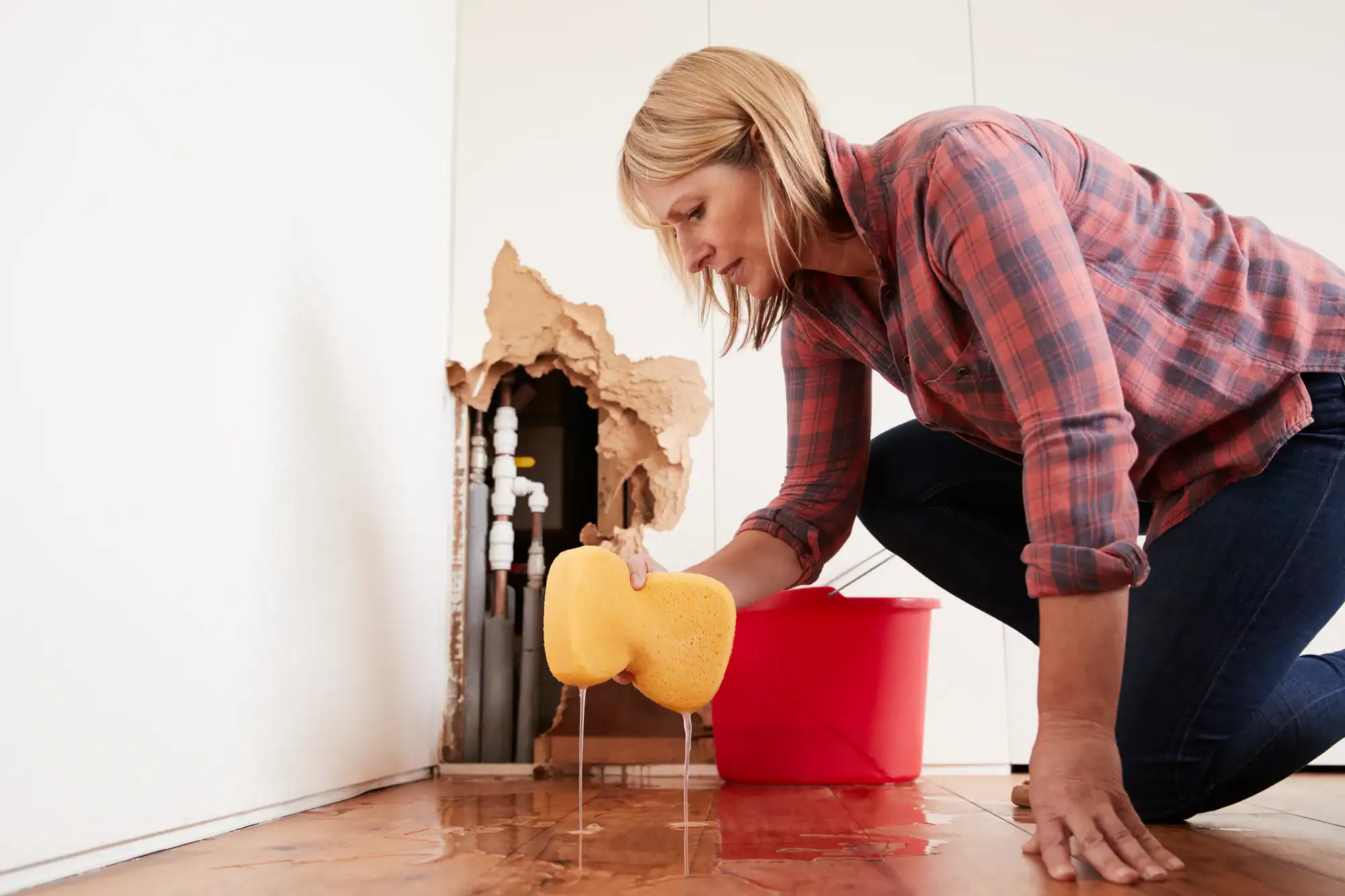
Water damage cleanup requires more than just removing standing water and running fans. Without proper moisture detection equipment, hidden water pockets remain behind walls and under flooring. These hidden moisture areas become perfect breeding grounds for mold and bacteria, creating health hazards that don’t become apparent until weeks later.
Insurance companies often require professional restoration for good reason. They understand that improper cleanup can lead to larger claims down the road when health problems develop or contamination spreads. Professional restoration provides documentation that the job was done correctly, protecting both your health and your insurance coverage.
The specialized training that we receive covers not just cleaning techniques, but also safety protocols that protect both workers and homeowners. We understand how to properly contain contamination, use personal protective equipment, and dispose of contaminated materials safely.
Protecting Your Long Island Home and Family's Health
The health risks associated with mold, smoke, and water damage are too serious to ignore or handle improperly. Quick professional intervention is your best defense against both immediate health hazards and long-term complications that could affect your family for years.
Professional restoration services provide the expertise, equipment, and techniques necessary to eliminate health hazards completely rather than just addressing surface damage. The investment in proper restoration pays dividends in protecting your family’s health and preventing costly problems down the road.
When disaster strikes your Long Island home, don’t take chances with your family’s health. Contact Green Island Group for professional restoration services that prioritize both property recovery and health protection.