Summary:
Prioritize Safety First Before Assessing Any Damage
Before you do anything else, make sure everyone in your household is safe. Turn off electricity to affected areas if there’s any water present—water and electricity create deadly combinations. If you smell gas, leave immediately and call the gas company from outside your home.
Check for structural damage like sagging ceilings, cracked walls, or compromised floors. Don’t enter areas that look unstable. Your safety matters more than assessing damage or salvaging belongings. If you have any doubts about structural integrity, stay out until restoration services professionals can evaluate the situation. Long Island’s older homes, particularly those built before 1978, may contain asbestos or lead-based materials that become hazardous when disturbed by water damage or fire damage.
Stop the Source of Damage When Possible
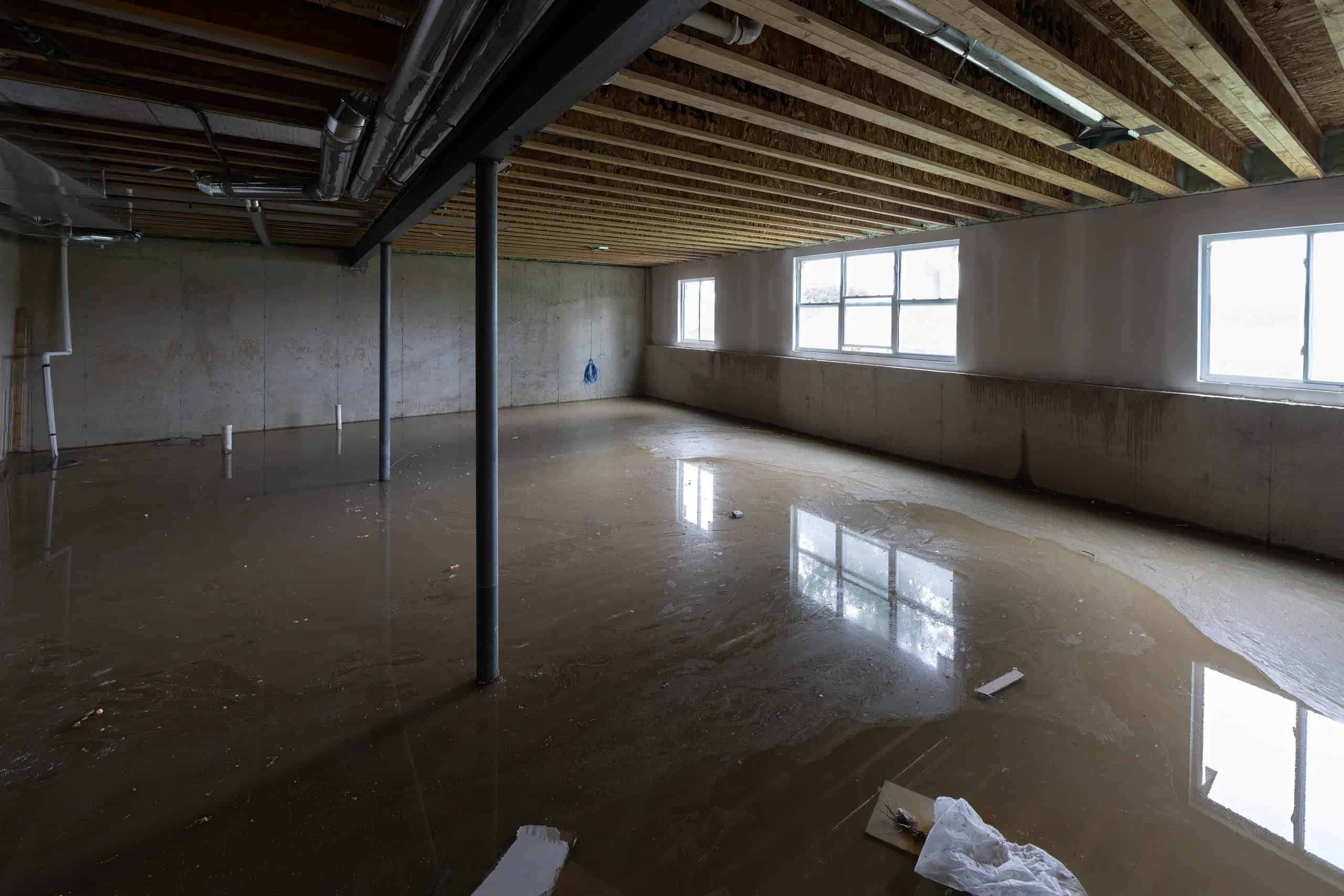
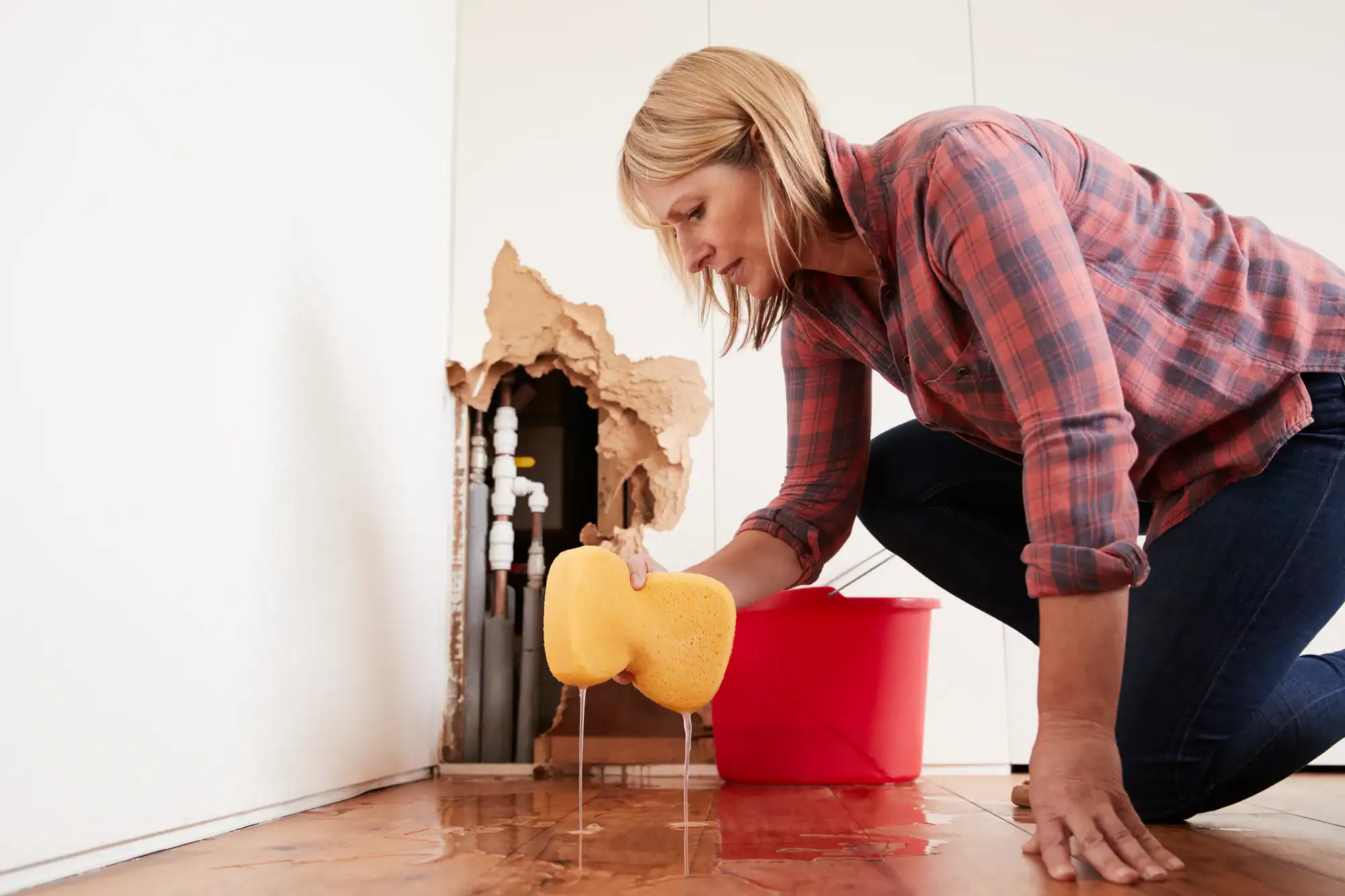
If you’re dealing with water damage restoration needs, locate and stop the source if you can do so safely. Turn off the main water supply if pipes have burst. For roof leaks from storm damage: place buckets to catch dripping water and move furniture away from the affected area.
In fire restoration situations, make sure the fire department has declared the area safe before re-entering. Never assume it’s safe just because flames aren’t visible—smoke damage and structural damage can pose serious risks hours after a fire.
For storm damage repairs, don’t attempt to remove large debris or repair structural damage yourself. Focus on preventing additional water intrusion by covering broken windows with plywood or tarps if you can do so safely from inside your home. Long Island’s coastal location means storm damage often includes wind-driven rain that can penetrate deep into wall cavities.
Document everything with photos and videos before you start moving items or making temporary repairs. Insurance companies need this evidence, and it protects you if there are disputes later about the extent of damage requiring restoration services.
Protect Your Belongings and Prevent Secondary Damage
If you’re dealing with water damage restoration needs, locate and stop the source if you can do so safely. Turn off the main water supply if pipes have burst. For roof leaks from storm damage: place buckets to catch dripping water and move furniture away from the affected area.
In fire restoration situations, make sure the fire department has declared the area safe before re-entering. Never assume it’s safe just because flames aren’t visible—smoke damage and structural damage can pose serious risks hours after a fire.
For storm damage repairs, don’t attempt to remove large debris or repair structural damage yourself. Focus on preventing additional water intrusion by covering broken windows with plywood or tarps if you can do so safely from inside your home. Long Island’s coastal location means storm damage often includes wind-driven rain that can penetrate deep into wall cavities.
Document everything with photos and videos before you start moving items or making temporary repairs. Insurance companies need this evidence, and it protects you if there are disputes later about the extent of damage requiring restoration services.
Contact Your Insurance Company and Document Everything
Call your insurance company as soon as it’s safe to do so. Many insurers have 24-hour claim reporting lines, and early reporting can speed up the entire process. Be prepared to provide basic information about what happened, when it occurred, and the general extent of damage you can see.
Ask your insurance company about emergency repairs and what expenses they’ll cover while you wait for an adjuster. Some policies cover temporary housing, emergency water removal, dumpster rental for damaged belongings, or board-up services. Understanding your coverage helps you make informed decisions about immediate next steps and which restoration services are covered under your policy.
Proper Documentation Techniques for Insurance Claims
Take extensive photos and videos from multiple angles, showing both wide shots of entire rooms and close-ups of specific damage. Include photos of serial numbers on damaged appliances and electronics—insurance companies often need this information for replacement value calculations when planning kitchen remodeling or bathroom remodeling projects after damage.
Don’t just photograph obvious damage. Document areas that might have hidden damage too, like walls adjacent to water damage or rooms next to fire-damaged areas. Professional restoration services will find issues you might miss, such as sewage backup in basement areas or contamination requiring sewage cleanup services.
Keep all receipts for emergency expenses like temporary housing, meals, emergency supplies, dumpster rental costs, or immediate repairs needed to prevent further damage. Most insurance policies reimburse costs, but you need documentation to get reimbursement.
Write down exactly what happened while it’s fresh in your memory. Include dates, times, weather conditions, and any relevant details. Information helps insurance adjusters understand the cause and can affect coverage decisions, particularly for Long Island homes where storm damage repair claims are common due to nor’easters and hurricane activity.
Create a detailed inventory of damaged personal property room by room. Include descriptions, purchase dates if you remember them, and estimated replacement costs. Taking time for this process is vital, as it’s necessary for getting fair compensation for your belongings and planning any necessary bathroom remodeling or kitchen remodeling work.
When to Call Professional Restoration Services
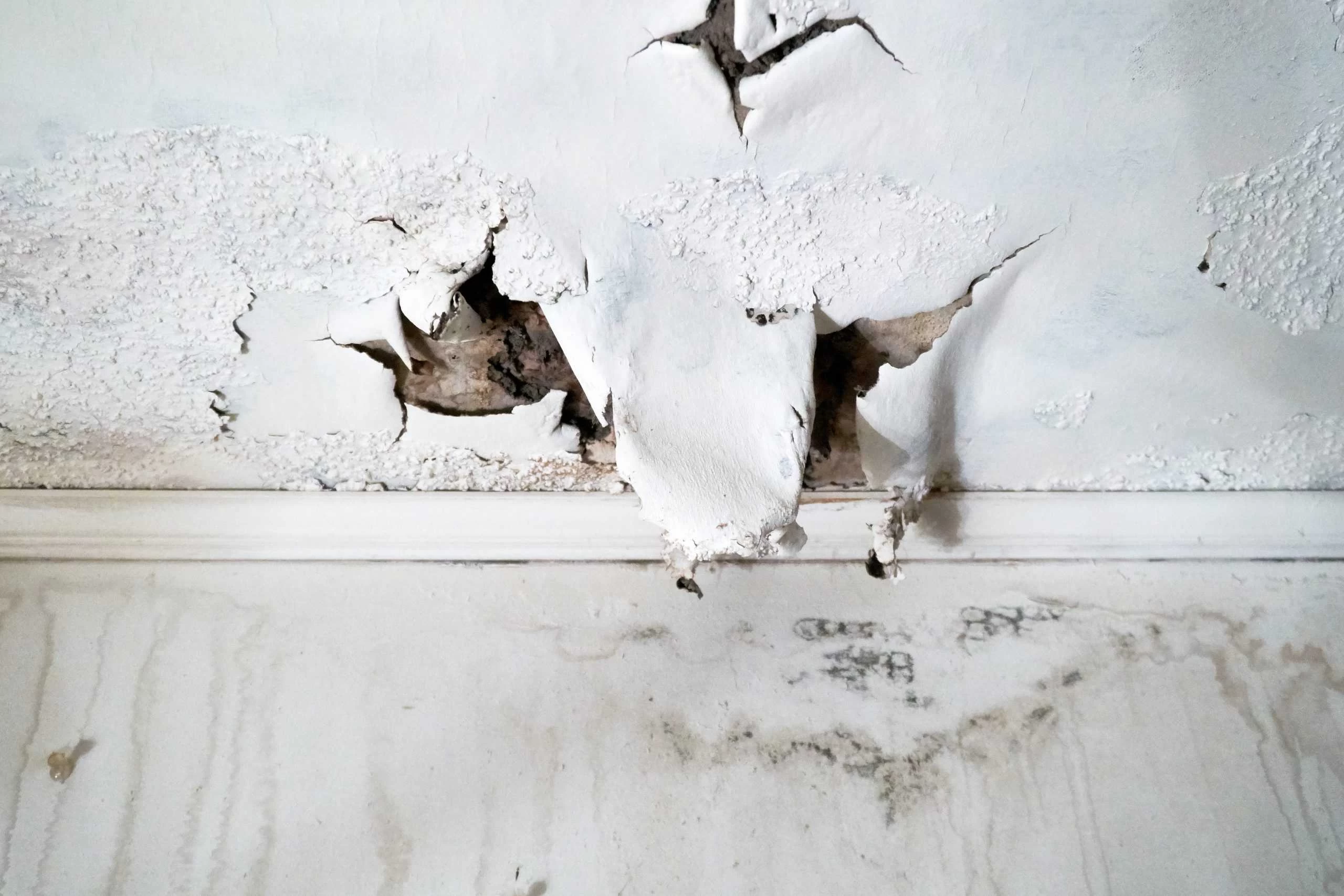
Don’t wait to call professional restoration services, especially for water damage restoration. Mold can start growing within 24-48 hours in Long Island’s humid climate, and what starts as a water damage claim can quickly become a much more expensive mold remediation project requiring specialized equipment and techniques.
Professional restoration services companies have specialized equipment that removes moisture from places you can’t reach—inside walls, under flooring, and in structural materials. They also have moisture meters and thermal imaging cameras that detect hidden water damage before it becomes a bigger problem requiring extensive demolition work.
For fire damage restoration, professional services can assess structural integrity, remove smoke odors, and clean soot using techniques that won’t cause additional damage. They understand which items can be restored versus what needs replacement and can coordinate demolition and dumpster rental services when structural elements cannot be saved.
Look for restoration services companies that work directly with insurance companies and understand the claims process. We work with insurance companies to help document damage for your claim while beginning immediate mitigation work to prevent further damage. Our Long Island restoration services include everything from initial assessment through complete reconstruction, including bathroom remodeling and kitchen remodeling when spaces require full renovation.
Emergency restoration services should be available 24/7, because damage doesn’t wait for business hours. Professional teams can quickly assess whether you need water damage restoration, fire damage restoration, mold remediation, sewage cleanup, or specialized services like asbestos removal and lead abatement in older Long Island homes.
Taking Quick Action Protects Your Long Island Home Investment
The steps you take in the first few hours after discovering damage determine how much of your home and belongings can be saved. Focus on safety first, document everything thoroughly, and don’t hesitate to call for professional help immediately. Long Island’s notable climate and housing stock require specialized knowledge of local conditions and building materials.
Remember that your insurance policy likely covers emergency mitigation services, so acting quickly doesn’t just protect your property—it often saves money in the long run by preventing secondary damage that’s pricier to repair. Professional restoration services can coordinate all aspects of recovery, from initial damage assessment and demolition to final reconstruction, including bathroom remodeling and kitchen remodeling projects.
When you’re ready for professional restoration services, we provide complete damage restoration throughout Long Island, from emergency response through total reconstruction. Our services include water damage restoration, fire damage restoration, mold remediation, storm damage repair, smoke damage repair, sewage cleanup, and specialized services like asbestos removal and lead abatement. Taking the right immediate steps puts you in the best position for a successful recovery.