Summary:
How Untreated Water Damage Leads to Serious Health Problems
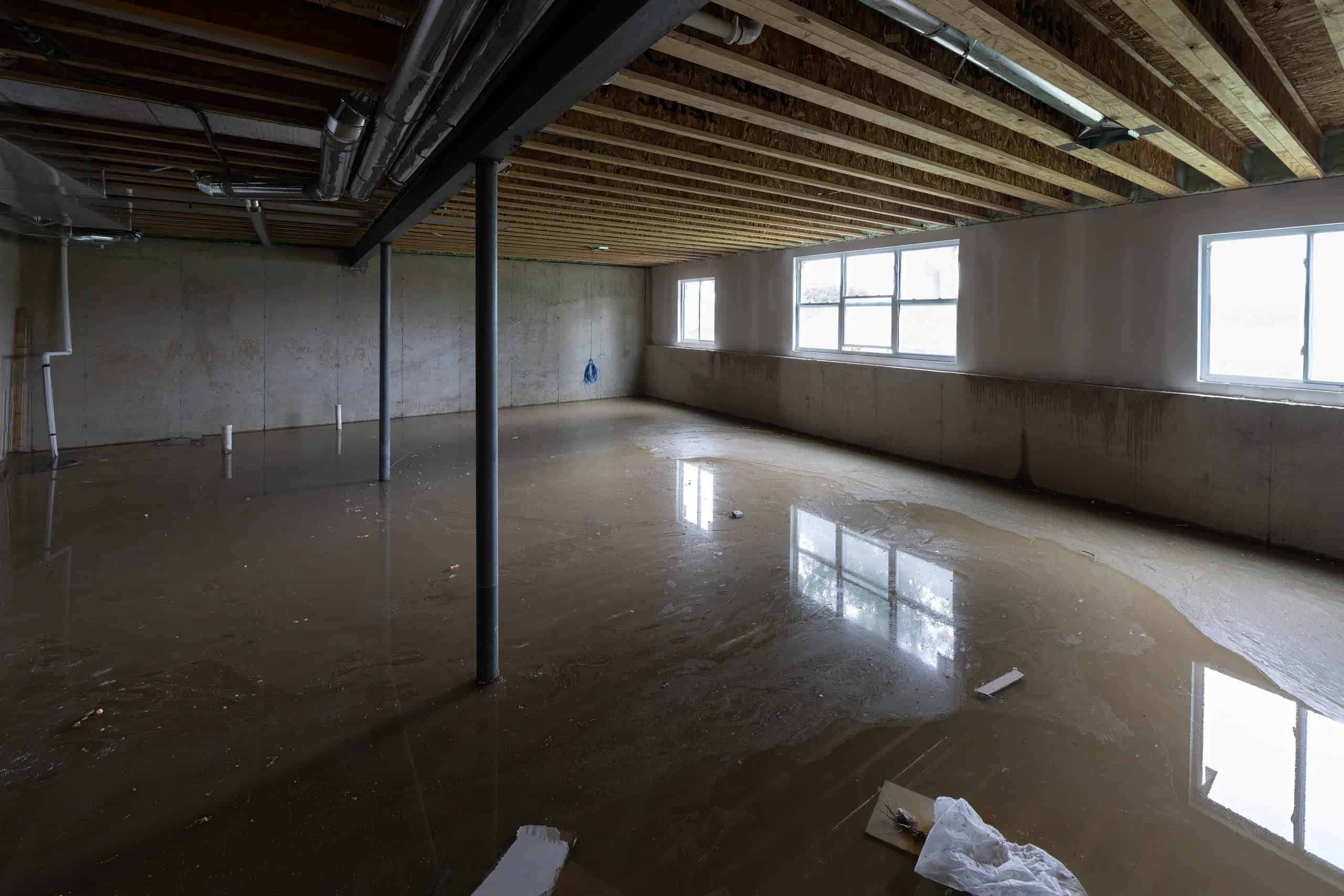
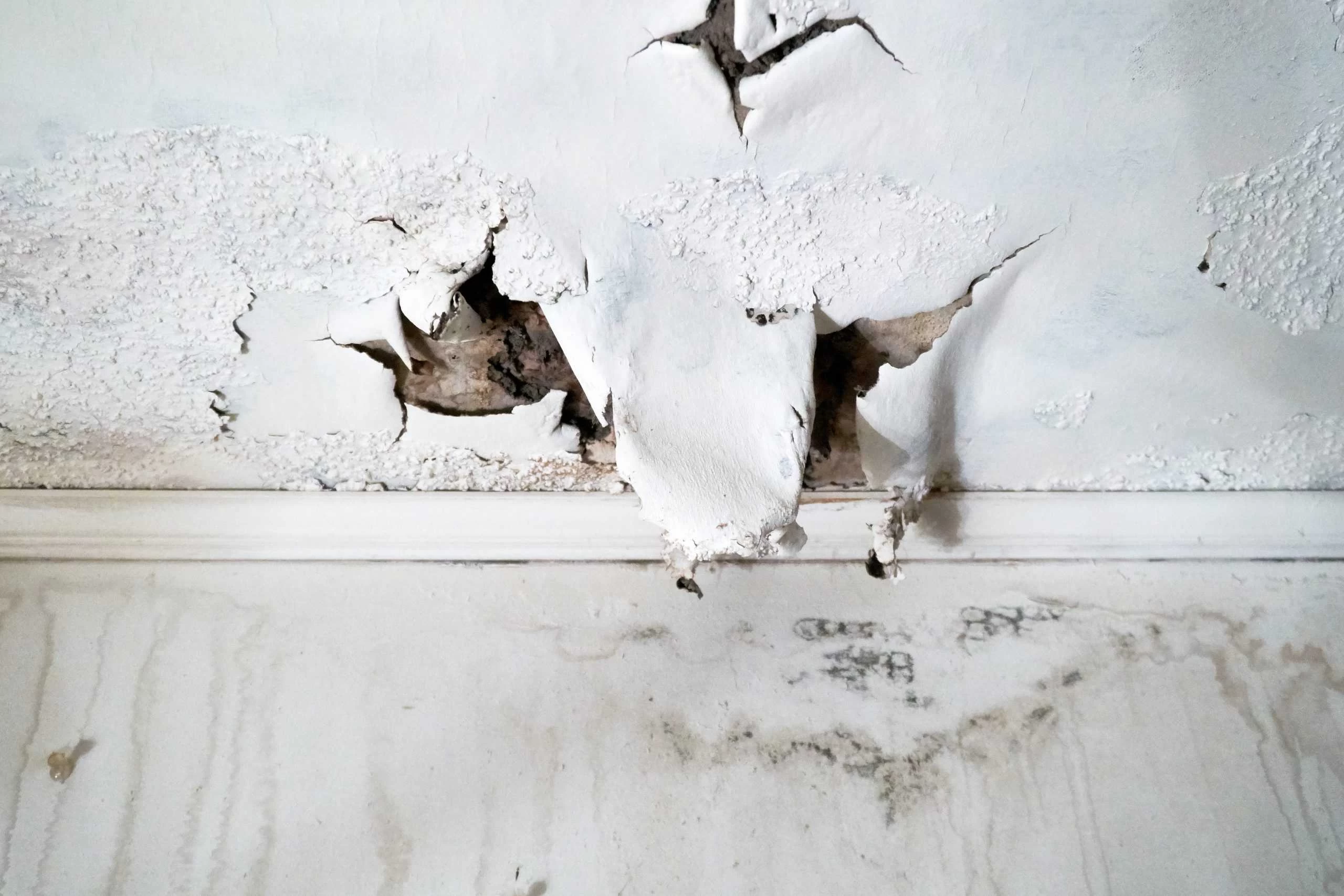
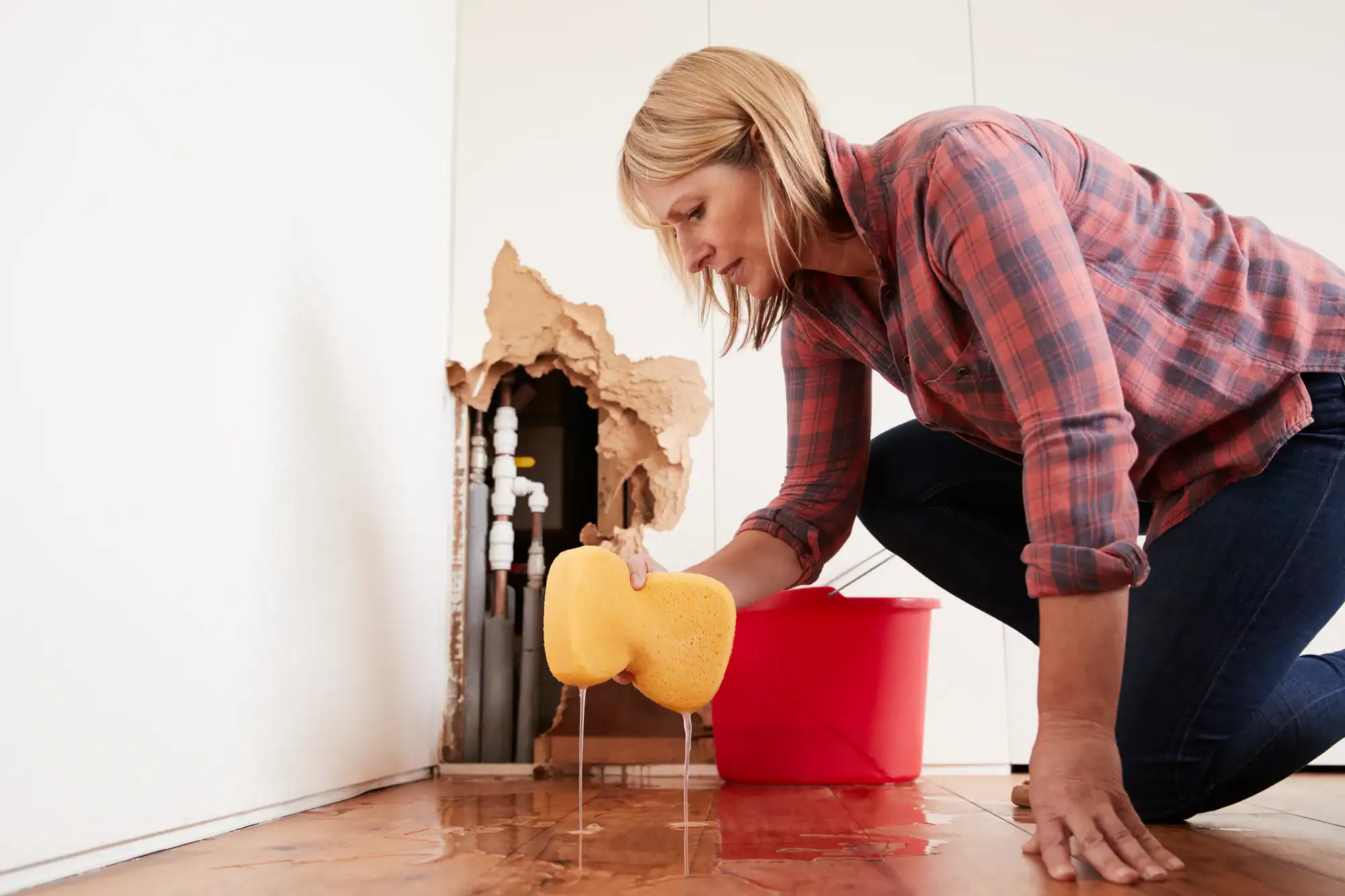
Water damage starts a biological clock. Within 24-48 hours, moisture creates the perfect environment for mold spores to multiply exponentially. What begins as a small leak or flood becomes a breeding ground for microorganisms that directly impact your indoor air quality. The health effects aren’t immediate, which is why many Long Island homeowners underestimate the risk. You might notice a musty smell or see small dark spots, but the real damage is happening inside your walls, under flooring, and in areas you can’t see. Every day you wait, the contamination spreads deeper into your home’s structure and your family’s respiratory system. Water damage restoration addresses these hidden dangers before they create permanent health problems. When storm damage repair or sewage cleanup becomes necessary, the health risks multiply exponentially without immediate professional intervention.
Respiratory Problems from Mold Exposure
Mold doesn’t just sit quietly in your walls. It releases spores and mycotoxins into the air you breathe every day. Children and elderly family members are particularly vulnerable. You might notice persistent coughing, wheezing, or throat irritation that doesn’t respond to typical treatments. Asthma symptoms worsen, and previously healthy family members develop new sensitivities. Professional mold remediation becomes critical when respiratory symptoms persist, as standard cleaning methods cannot eliminate the microscopic contamination affecting your family’s health.
Immune System Suppression and Chronic Fatigue
Mold doesn’t just sit quietly in your walls. It releases spores and mycotoxins into the air you breathe every day. Children and elderly family members are particularly vulnerable. You might notice persistent coughing, wheezing, or throat irritation that doesn’t respond to typical treatments. Asthma symptoms worsen, and previously healthy family members develop new sensitivities. Professional mold remediation becomes critical when respiratory symptoms persist, as standard cleaning methods cannot eliminate the microscopic contamination affecting your family’s health.
Structural Health Risks Beyond Mold Growth
Water damage creates health risks that extend far beyond mold contamination. Prolonged moisture exposure compromises your home’s structural integrity, creating physical safety hazards and environmental conditions that harbor multiple types of harmful microorganisms. Rotting wood releases volatile organic compounds that affect indoor air quality. Insulation becomes less effective and may harbor pests and bacteria. Your home’s structure becomes a difficult ecosystem of contamination that impacts your family’s health through multiple pathways simultaneously. Restoration services identify and address these interconnected problems to restore both structural integrity and healthy living conditions. Sometimes demolition becomes necessary to remove contaminated materials completely, requiring dumpster rental for safe disposal of hazardous debris.
Bacterial Contamination and Secondary Infections
Stagnant water doesn’t just grow mold—it becomes a breeding ground for harmful bacteria that can cause serious infections. Legionella, E. coli, and other waterborne pathogens thrive in the moist environment created by untreated water damage. Long Island homes are particularly susceptible due to our proximity to coastal waters and older plumbing systems. Sewage cleanup situations compound these risks dramatically, introducing fecal bacteria and parasites that require specialized restoration services to eliminate safely.
Hidden Hazards in Older Long Island Homes
Water damage in older homes often exposes families to additional health hazards that weren’t initially visible. Asbestos removal becomes necessary when water compromises insulation, flooring, or wall materials containing asbestos fibers. Lead abatement may be required when moisture damages painted surfaces in pre-1978 construction. These situations alter simple water damage restoration into complex hazardous material remediation projects that require specialized restoration serviceconvolutedoper disposal methods.
Professional Restoration Services Protect Long Island Families
The health risks of untreated water damage are serious, progressive, and preventable with proper professional intervention. Every day you wait increases the complexity of remediation and the potential for long-term health effects on your family. Water damage restoration, mold remediation, and related restoration services address both the visible damage and the hidden contamination that creates ongoing health risks. Whether you need storm damage repair, fire damage restoration, or bathroom remodeling after water damage, professional restoration services eliminate contamination sources and restore healthy indoor air quality. Contact us today for thorough restoration services throughout Long Island.