Summary:
Water damage doesn’t announce itself. One moment you’re living your normal life, the next you’re standing in your kitchen watching water pour from a burst pipe or discovering your basement flooded after last night’s storm. If you’re a Long Island homeowner, you know these scenarios aren’t just hypothetical – they’re real risks we face year-round.
The good news? Understanding what causes water damage and knowing how professional restoration works can save you thousands in repairs and weeks of headaches. Let’s walk through the most common culprits behind residential water damage and explore how we tackle each challenge with expert restoration services.
Most Common Causes of Water Damage in Long Island Homes
Long Island’s unique geography and climate create the perfect storm for water damage issues. Our coastal location means we’re constantly battling moisture from multiple directions, while our aging housing stock adds another layer of vulnerability.
The reality is that water damage can happen to anyone, anytime. Whether it’s a 2 AM pipe burst or flooding from a nor’easter, these incidents don’t wait for convenient timing. Understanding the main causes helps you stay prepared and recognize when professional intervention is necessary.
Plumbing Failures and Burst Pipes
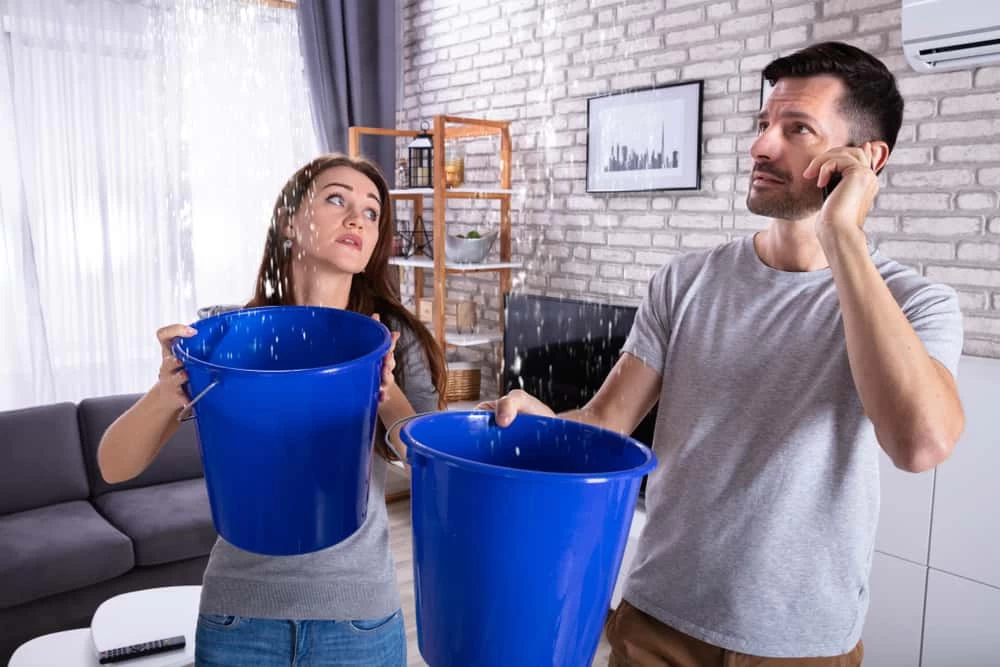
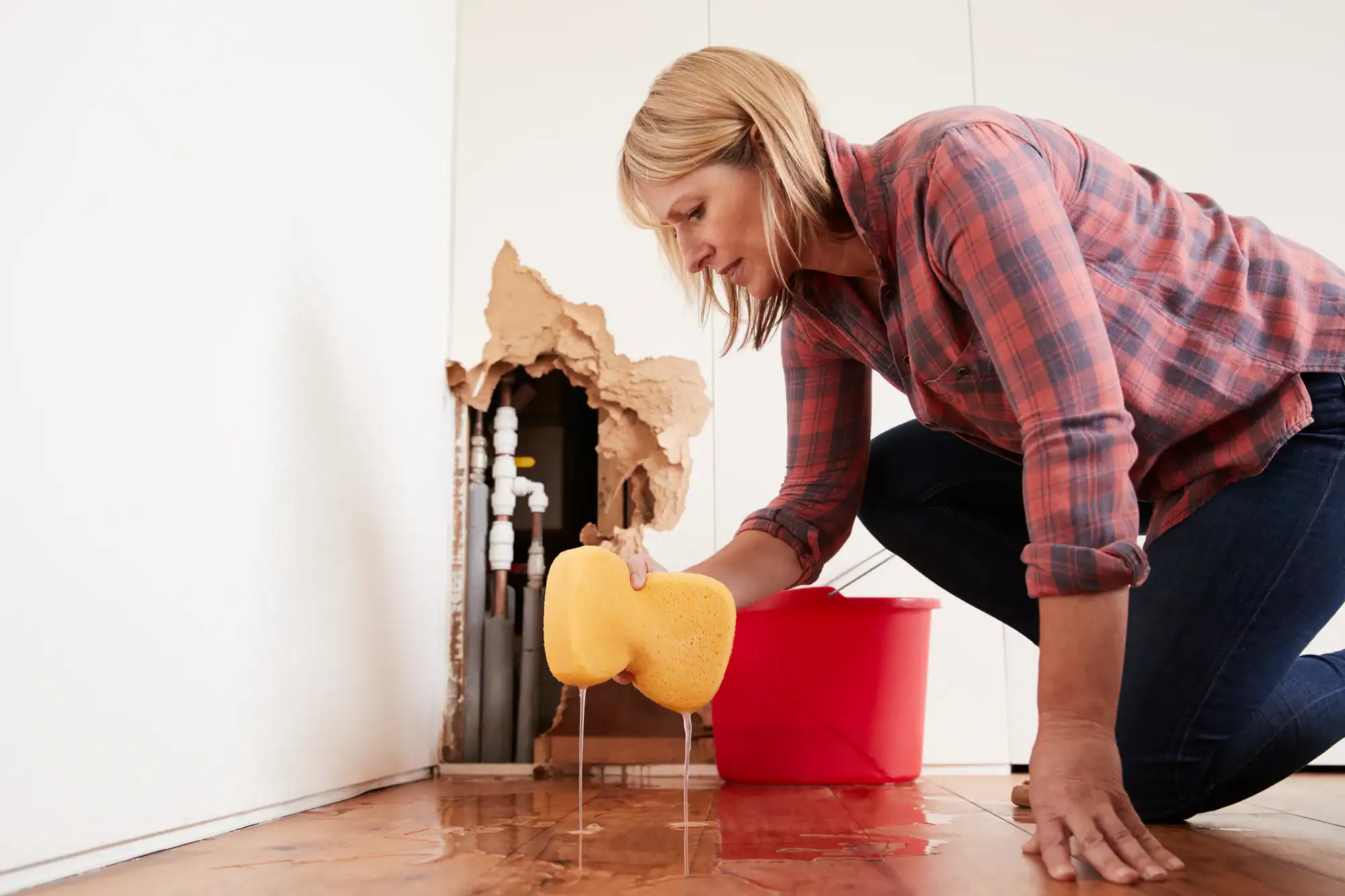
Plumbing problems top the list of water damage causes in Long Island homes. Burst pipes, leaky joints, and failed water heaters can unleash hundreds of gallons of water in just minutes.
Winter freeze-thaw cycles are particularly brutal on our plumbing systems. When temperatures drop below freezing, water in pipes expands, creating pressure that can split even copper pipes. Then spring arrives, pipes thaw, and suddenly you’re dealing with a flood in your finished basement or behind your kitchen walls.
Older homes face additional challenges with aging galvanized steel pipes that corrode from the inside out. These pipes might look fine from the outside, but decades of mineral buildup and rust can create weak spots that fail without warning. Water heaters typically last 8-12 years, but many Long Island homeowners push them well beyond that timeline, increasing the risk of catastrophic failure.
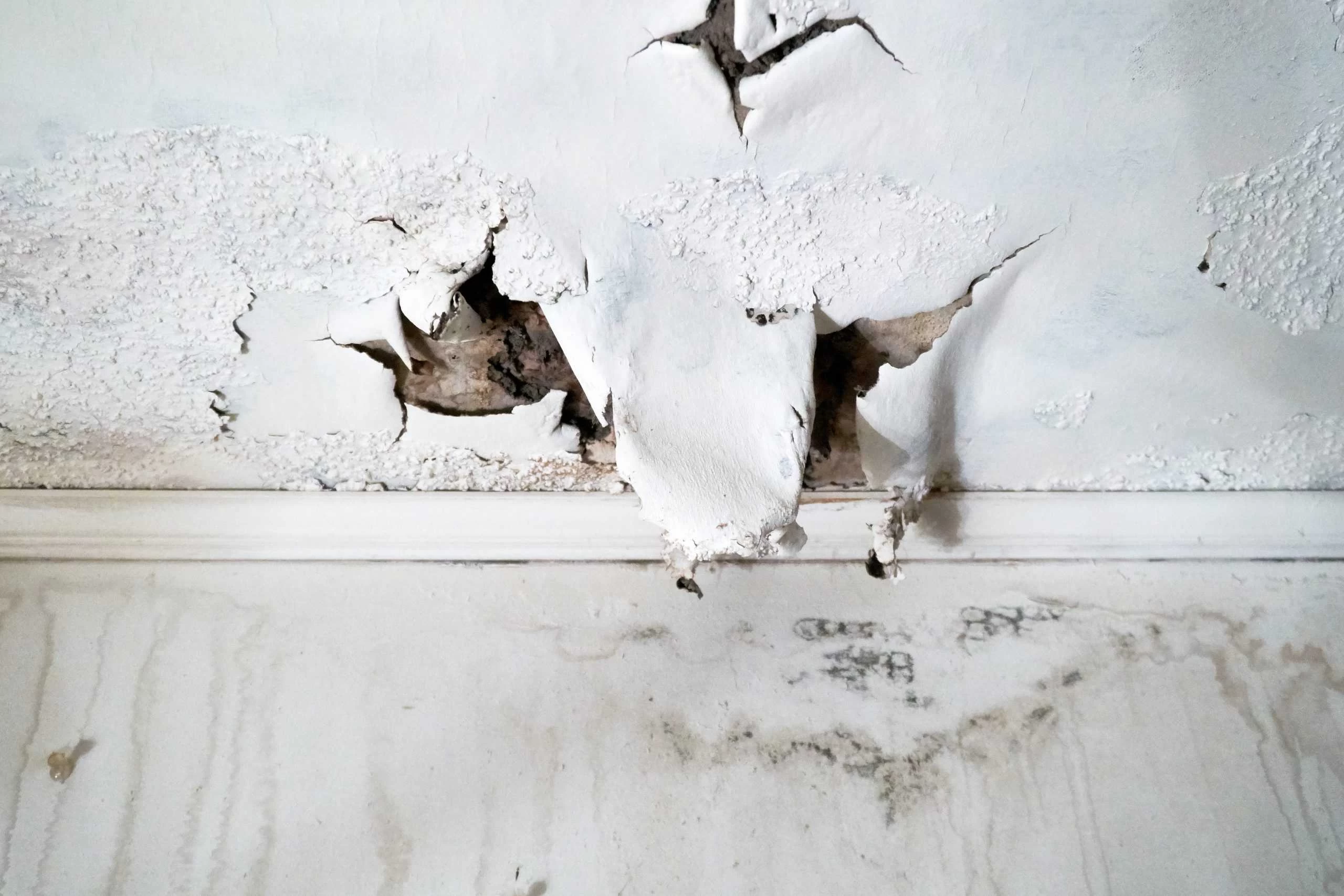
The tricky part about plumbing failures is that they often start small. A tiny drip behind a wall or under a slab can go unnoticed for months, creating perfect conditions for mold growth and structural damage. By the time you notice water stains on your ceiling or warped flooring, the damage has often spread far beyond the original leak source.
We understand that stopping the water source is just the first step. We use moisture detection equipment to find hidden water pockets and industrial-grade drying equipment to prevent secondary damage that could cost you even more down the road.
Storm Damage and Natural Flooding
Living on Long Island means accepting that Mother Nature will test your home’s defenses. Hurricane Sandy proved just how vulnerable our communities are to storm surge and flooding, but we don’t need a superstorm to face serious water damage.
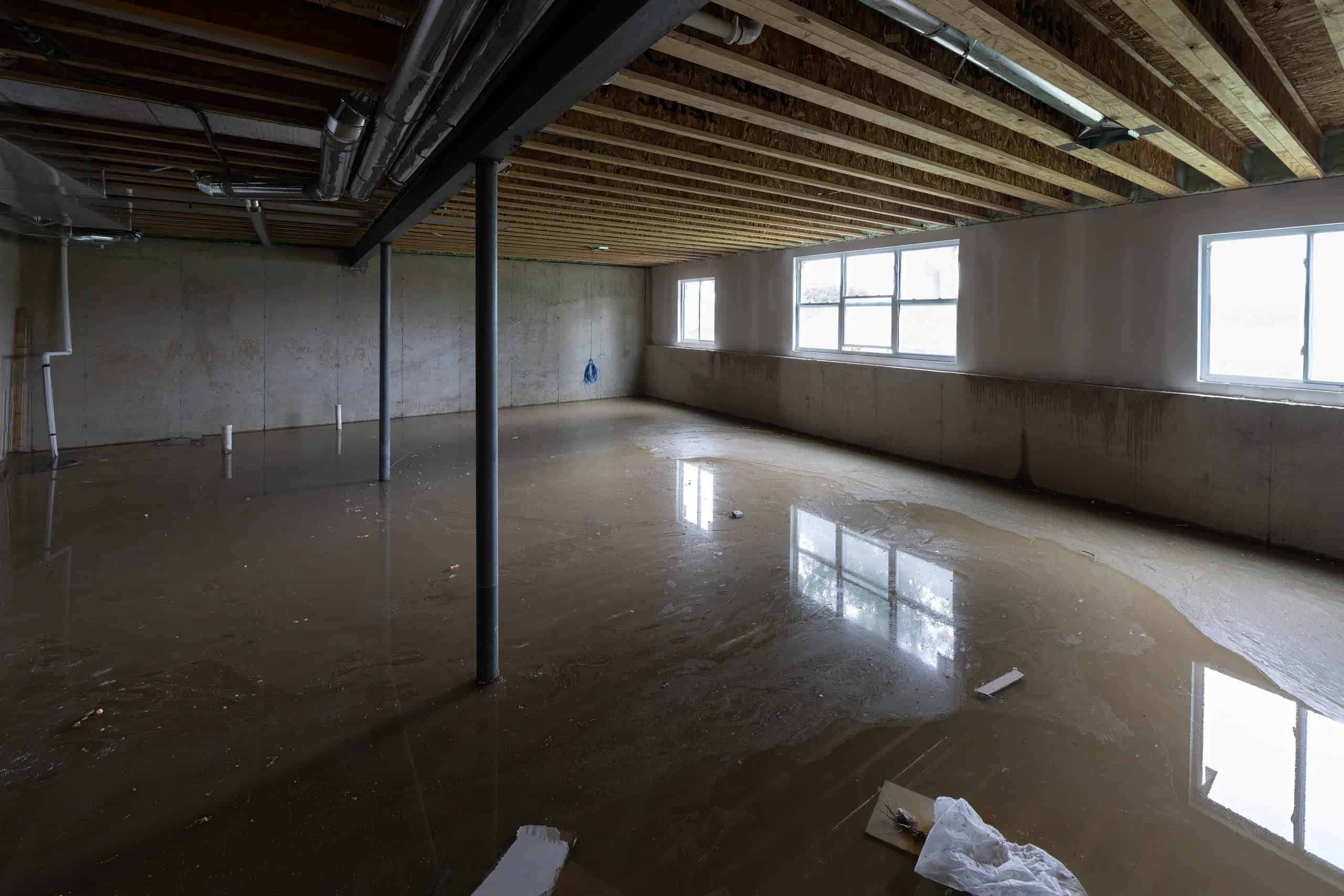
Heavy rainfall can overwhelm gutters and drainage systems, sending water cascading down foundation walls or through basement windows. Nor’easters bring their own challenges with driving rain that finds every small gap in your roof or siding. Even summer thunderstorms can dump inches of rain in just hours, turning your yard into a temporary lake that seeps toward your foundation.
Our high water table adds another complication. During heavy rain events, groundwater levels rise, putting pressure on basement walls and floors. Many Long Island homeowners discover their “waterproof” basement isn’t so waterproof when faced with sustained groundwater pressure.
Wind-driven rain creates problems that many people don’t anticipate. When strong winds push rain horizontally, water can penetrate areas that normally stay dry – like the space behind vinyl siding or through roof vents. This type of water intrusion often goes unnoticed until you spot stains on interior walls or smell that musty odor that signals mold growth.
Storm damage restoration requires specialized knowledge of how water moves through structures and which materials can be salvaged versus what needs replacement. Our restoration teams assess not just the visible damage but also the potential for hidden moisture that could cause problems months later. We understand that effective storm damage restoration means thinking beyond the immediate cleanup to ensure your home remains safe and healthy long-term.
How We Address Water Damage with Professional Home Restoration Services
When water damage strikes, your response in the first 24-48 hours determines whether you’re looking at a manageable cleanup or a major reconstruction project. Our professional home restoration services bring the expertise, equipment, and systematic approach needed to minimize damage and get your life back to normal.
The difference between DIY cleanup and professional restoration isn’t just about having better equipment – though that matters. It’s about understanding how water behaves, which materials can be saved, and how to prevent the secondary damage that often costs more than the original incident.
Emergency Response and Water Extraction
Time is your enemy when dealing with water damage. Every hour that water sits in your home increases the likelihood of permanent damage to flooring, walls, and personal belongings. Mold can begin growing within 24 hours in the right conditions, transforming a water damage situation into a health hazard.
We understand this urgency. We maintain 24/7 emergency response capabilities because water damage doesn’t follow business hours. When you call at 2 AM about a burst pipe, we’ll have a team at your door within an hour, not the next business day.
The first priority is always stopping the water source. Our restoration technicians work with plumbers when necessary to shut off water mains, repair broken pipes, or address whatever caused the flooding. We also secure the area to prevent additional damage – covering damaged roofs with tarps, boarding up broken windows, or setting up temporary barriers to redirect water flow.
Water extraction comes next, and this is where our professional equipment makes a massive difference. Industrial-grade pumps can remove standing water in minutes rather than the hours it would take with a shop vacuum. Truck-mounted extraction units can pull water from carpets and padding that would be impossible to dry otherwise.
But extraction is about more than just removing visible water. Our restoration teams use moisture detection equipment to find water that has wicked into walls, under flooring, or into insulation. We understand that water follows gravity and capillary action in predictable patterns, allowing us to identify problem areas before they become obvious to the naked eye.
The extraction process also involves documenting everything for insurance purposes. We photograph damage, measure moisture levels, and create detailed inventories of affected materials. This documentation proves invaluable when working with insurance adjusters and ensures you receive fair compensation for your losses.
Drying, Dehumidification, and Restoration Process
Removing standing water is just the beginning. The real challenge lies in thoroughly drying all affected materials and restoring your home to its pre-loss condition. This phase separates our professional restoration from well-meaning DIY efforts that often lead to bigger problems down the road.
Our professional drying involves much more than setting up a few fans and hoping for the best. Our restoration technicians use psychrometric calculations to determine exactly how much moisture is in the air and materials, then design a drying system that removes moisture efficiently without causing additional damage.
Industrial dehumidifiers work alongside high-velocity air movers to create controlled evaporation. The key is managing the drying process so materials don’t shrink, warp, or crack from too-rapid moisture loss. Hardwood floors, for example, need gradual drying to prevent cupping or gapping between boards.
Temperature control plays a crucial role in effective drying. Slightly warming the affected area increases the air’s capacity to hold moisture, speeding evaporation. But too much heat can damage materials or create conditions that promote mold growth. Our restoration technicians monitor temperature and humidity levels continuously, adjusting equipment as conditions change.
The restoration phase addresses both structural repairs and cosmetic restoration. This might involve replacing drywall that absorbed too much water, refinishing hardwood floors that warped, or rebuilding sections of your home that suffered extensive damage. We coordinate with contractors, electricians, and other specialists to ensure all work meets code requirements and insurance standards.
Throughout the process, we handle the insurance paperwork and communication. We understand what documentation insurance companies require and can advocate for proper coverage of all necessary repairs. This expertise often means the difference between a claim that covers all your losses and one that leaves you paying thousands out of pocket for “uncovered” damage.
Protecting Your Long Island Home with Our Professional Restoration Services
Water damage will always be a risk for Long Island homeowners. Our coastal climate, aging infrastructure, and severe weather patterns guarantee that pipes will burst, storms will flood, and appliances will fail. The question isn’t whether you’ll face water damage, but how quickly and effectively you’ll respond when it happens.
Our professional home restoration services provide the expertise, equipment, and rapid response that can mean the difference between a minor inconvenience and a major disaster. We understand that effective restoration goes beyond just removing water – it’s about preventing mold growth, preserving your belongings, and ensuring your home remains safe and healthy for your family.
When water damage strikes your Long Island home, don’t gamble with DIY solutions that might seem cheaper upfront but often lead to bigger problems later. Contact us immediately for professional restoration services that will get your life back to normal as quickly and safely as possible.