Summary:
Fire damage restoration follows a detailed process that typically takes weeks to months depending on damage severity. Each phase—from initial assessment and securing the property to smoke cleanup and final reconstruction—requires specific expertise and timing.
Long Island homeowners benefit from understanding what to expect during restoration, including common timelines, potential challenges, and the importance of professional expertise throughout the process.
When fire strikes your Long Island home, the aftermath can feel overwhelming. You’re dealing with visible damage, lingering smoke odors, and the stress of not knowing where to start. Understanding the fire damage restoration process—and realistic timelines for each phase—can help you regain control during this difficult time. From the initial emergency response to the final reconstruction details, each step serves a specific purpose in bringing your property back to its pre-fire condition safely and efficiently.
Emergency Response and Initial Assessment Phase
The restoration process begins the moment you contact us for professional fire damage restoration. Once emergency personnel determine your home is safe to enter, we start assessing the damage. We look for the impact of smoke and fire on structural integrity, leftover water from firefighting efforts, and how extensive the cleanup will be. We also check for risk factors like exposed wiring and weak floor spots to ensure safety for all construction crews. Once complete, you receive a full scope of work including timeline, estimated costs, and required tasks.
This initial phase typically takes 1-2 days and sets the foundation for everything that follows. The thoroughness of this assessment directly impacts the accuracy of your timeline and budget estimates.
Property Securing and Safety Measures
Before any restoration work begins, your property needs to be secured and made safe for workers and your family. Methods we use to secure a fire-damaged property effectively include boarding up windows and doors, installing smoke detectors, and damage evaluation. It’s important to seal off undamaged areas to prevent cross-contamination, restricting the spread of smoke, soot, and other contaminants from damaged to unaffected areas. This maintains cleanliness while reducing the risk of additional damage or health hazards.
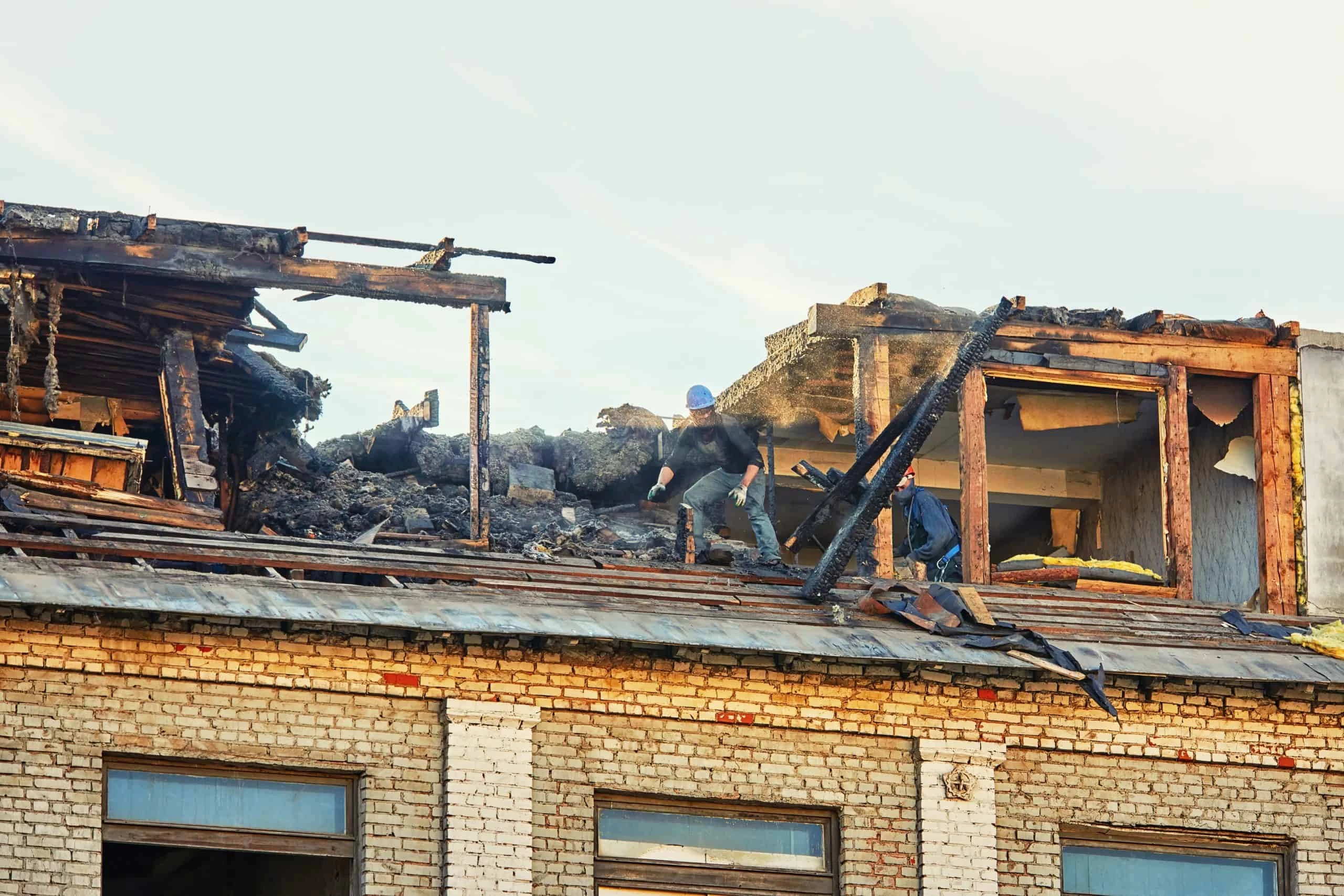
Just because the fire is out doesn’t make it safe. Damage to the structure may cause collapse at any time, and soot, dust, and smoke are dangerous when inhaled. The water used to put out flames contains toxic substances, and surfaces can be slippery and risky without proper training or PPE. We understand these risks and take appropriate precautions.
This securing phase usually happens within the first 24-48 hours after the fire. It’s crucial for preventing further damage from weather, vandalism, or accidental injury. We also set up containment barriers to prevent smoke and soot from spreading to unaffected areas of your home, which can save thousands in additional cleanup costs.
Water Extraction and Structural Drying
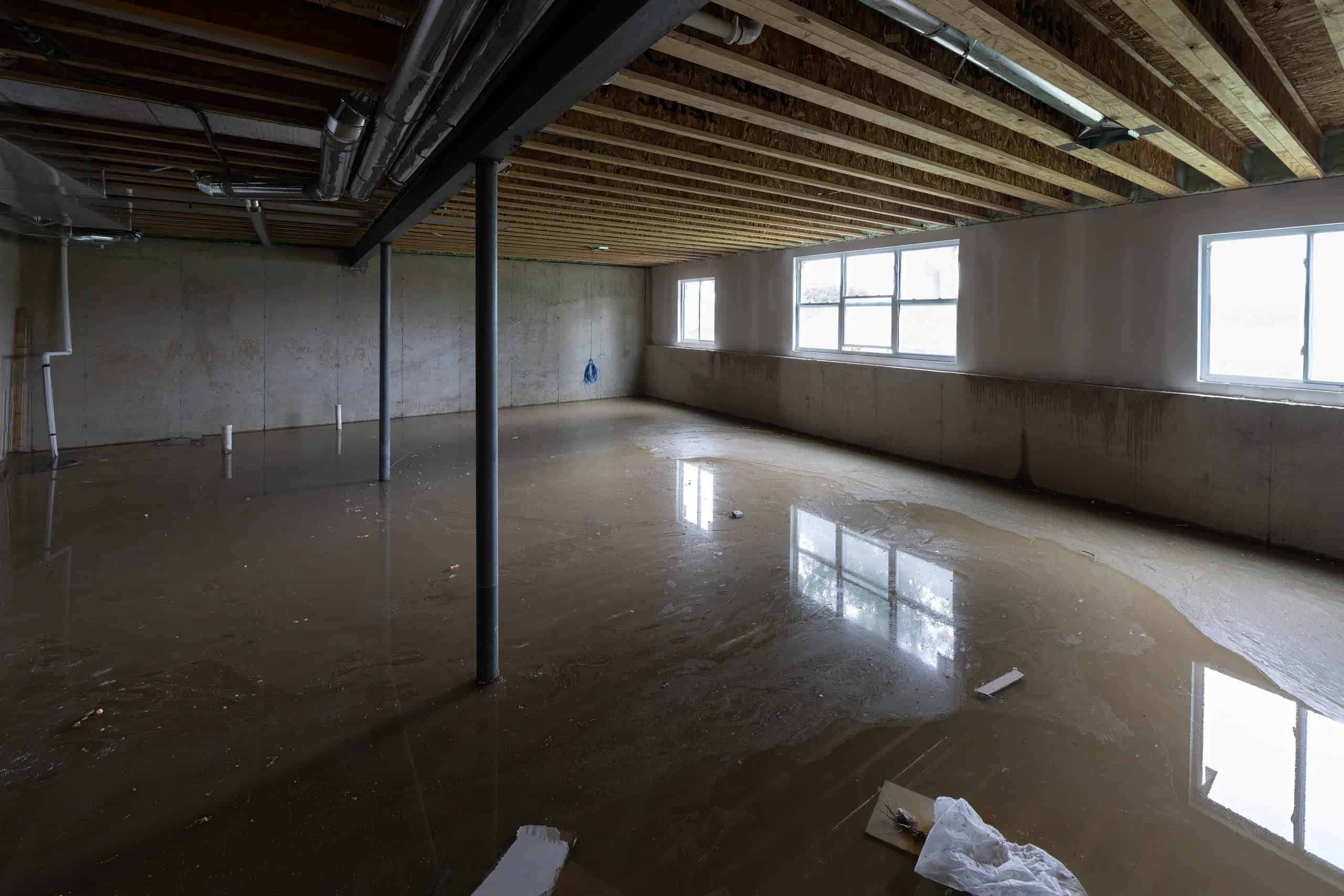
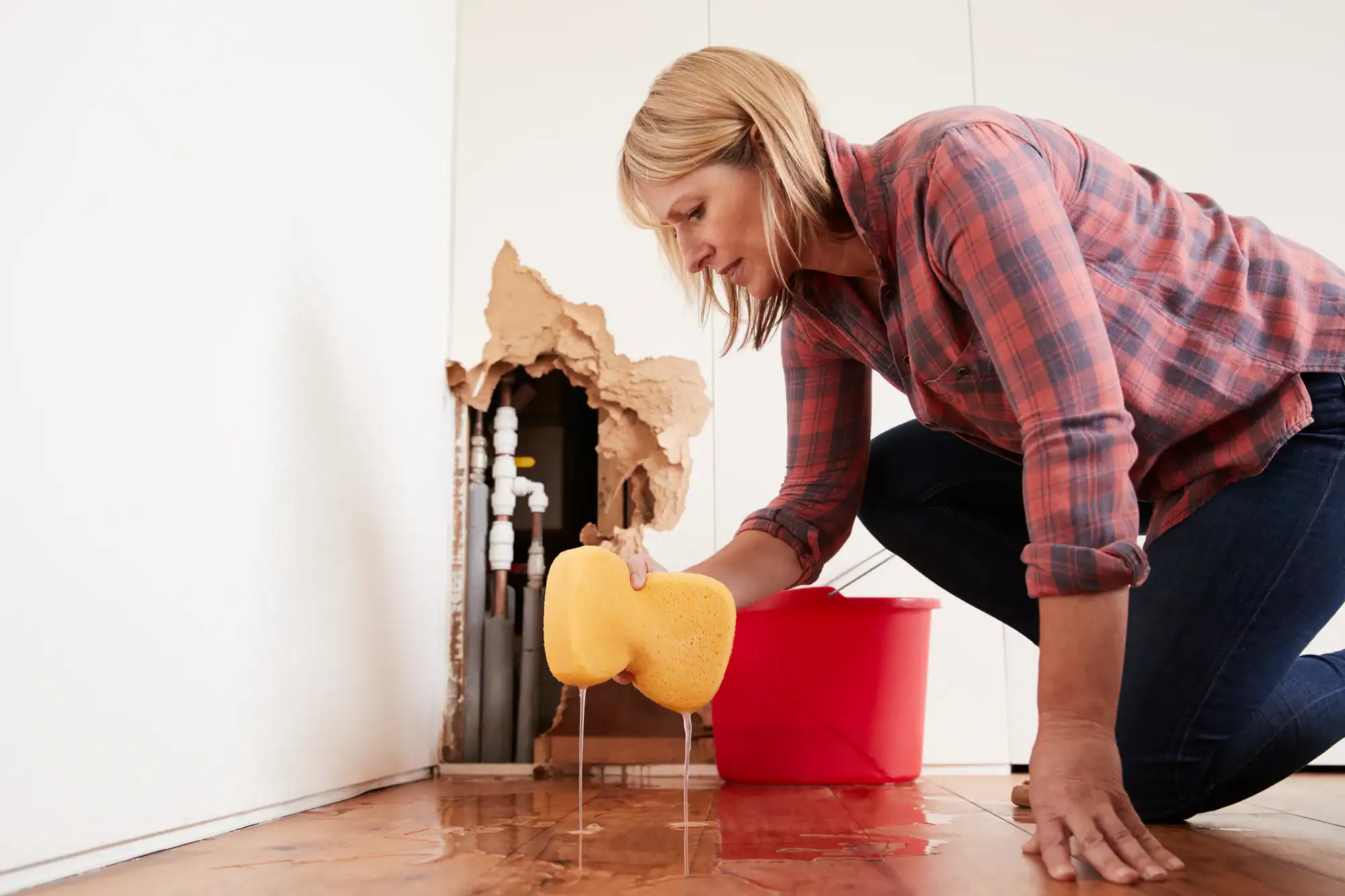
One aspect many homeowners don’t expect is dealing with water damage after a fire. One of the beginning steps of our fire damage restoration process is removing water and drying everything out. In most cases, there will be water damage from the fire department trying to contain and extinguish the fire. Fire and water damage often occur concurrently. During a fire, pipes can burst or melt, causing leaks and affecting the structure. A property is usually covered in water because the fire department tried to contain and extinguish the fire.
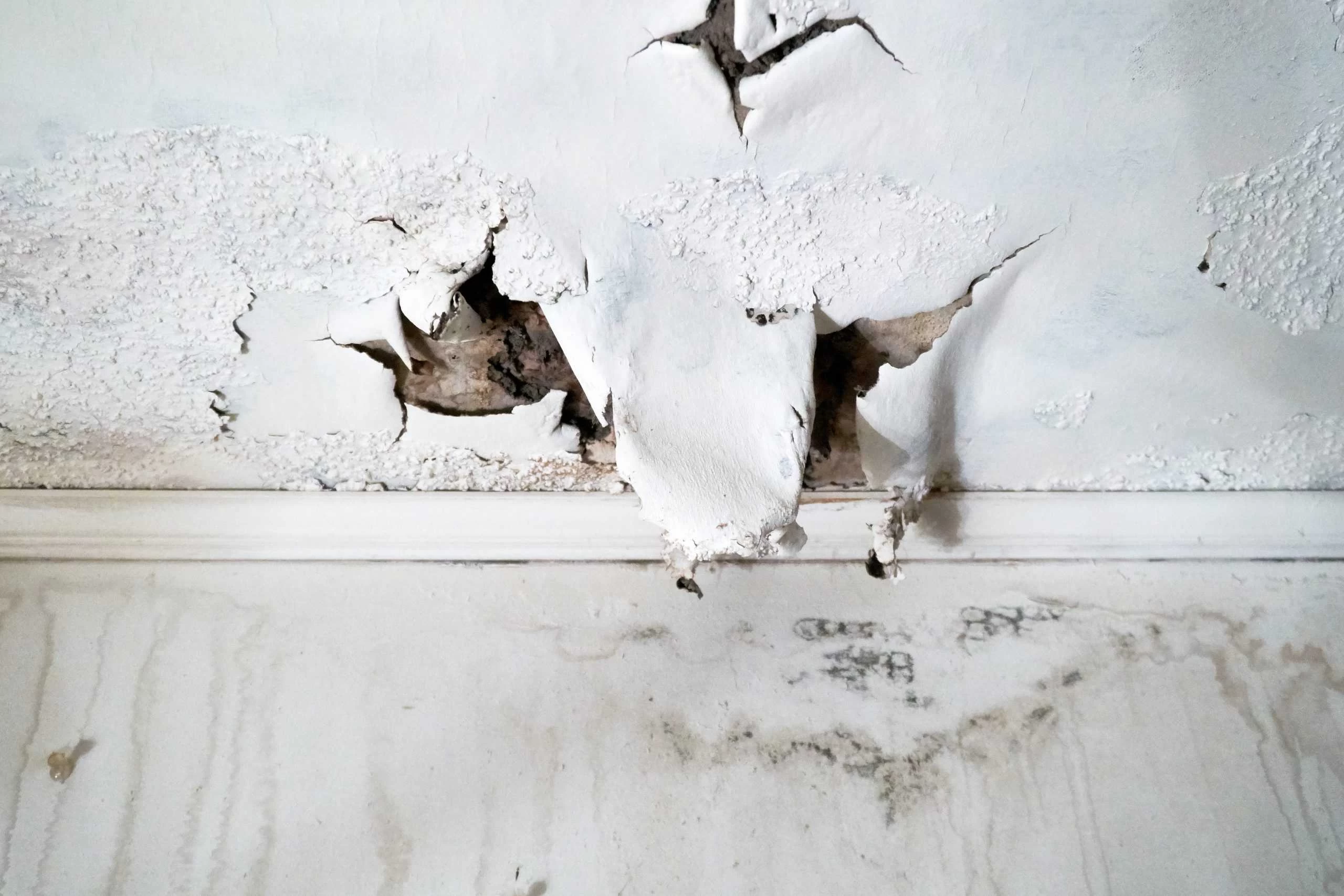
Water extraction and drying are key steps in our fire damage restoration process to prevent mold growth and further property damage. Removing water and drying everything out helps prevent further damage and any mold from growing. If we notice any evidence of mold, we also provide mold remediation services.
This phase typically takes 3-5 days, depending on the amount of water involved and the size of the affected area. Professional-grade dehumidifiers, air movers, and moisture detection equipment are essential for thorough drying. Skipping this step or doing it inadequately can lead to mold problems within 24-48 hours, creating an entirely new set of health and structural issues that can add weeks to your restoration timeline and thousands to your costs.
Smoke and Soot Cleanup Process
Typically, elimination of smoke and soot is the first step in our cleanup process after water extraction. This is done with powerful ventilation systems. Fire damage goes deeper than the surface. Smoke and soot can seep into walls, furniture, and even your belongings, causing long-term damage if not addressed properly. We tackle both the obvious and the hidden damage, restoring your property to its pre-fire condition.
The complexity of smoke cleanup varies significantly based on the type of fire and materials burned. Each requires different cleaning approaches and specialized equipment.
Soot Removal and Surface Cleaning
In some circumstances, soot removal is all you may need in certain areas that weren’t highly damaged by the fire. If the fire was contained in one area of your home, it’s most likely you have soot and smoke damage to other areas. We can perform a smoke evaluation, cleaning, and odor removal.
Different types of soot require specific cleaning methods. Wet smoke residue from smoldering fires creates a sticky, hard-to-clean film that penetrates deeply into surfaces. Dry smoke from fast-burning fires leaves a powdery residue that’s easier to clean but can spread quickly throughout your home. Protein smoke from kitchen fires is nearly invisible but creates strong, persistent odors.
Our smoke damage cleanup involves deodorizing walls using air-scrubbing technology to restrain odors. As soon as smoke damage cleanup is complete, the final cleaning step, water extraction, is completed before moving on to fire damage repair. This phase typically takes 3-7 days for most homes, though homes with extensive smoke penetration may require 1-2 weeks of intensive cleaning.
We use specialized equipment like ozone generators, thermal foggers, and hydroxyl generators to neutralize odors at the molecular level. We also employ different cleaning agents for different surfaces—what works on metal won’t work on fabric or wood.
Content Cleaning and Restoration
Debris removal may include removing charred contents and other damaged construction materials. If furniture pieces can be restored, we can provide furniture refinishing services. Not everything damaged by fire needs to be discarded—many items can be professionally cleaned and restored.
Our content restoration process involves carefully cataloging each item, determining what can be saved, and using specialized cleaning techniques for different materials. Electronics may need ultrasonic cleaning, textiles might require ozone treatment, and artwork could need specialized conservation techniques. This process runs parallel to structural cleaning and can take anywhere from 1-3 weeks depending on the volume of items.
We often move salvageable contents to off-site facilities for cleaning, which allows the structural restoration to proceed more quickly. We photograph and inventory everything for insurance purposes, providing detailed documentation of what was saved versus what needed replacement. This service can save homeowners thousands of dollars and preserve irreplaceable sentimental items that might otherwise be considered total losses.