Summary:
You’ve got a project, you’ve got a few quotes, and one of them is noticeably cheaper than the rest. It’s tempting. But if you’re a Nassau County homeowner dealing with a teardown, a gut renovation, or a flood-damaged structure, the gap between a good demolition contractor and a cheap one isn’t just about workmanship — it can mean fines, project shutdowns, and a property that’s harder to sell or insure. This piece walks you through what to actually look for, what most contractors won’t tell you, and why the credentials behind the bid matter more than the number on it.
What Separates Top Demolition Companies From the Rest
Most homeowners ask two questions when vetting a demolition contractor: Are you licensed? Are you insured? Those are the right instincts, but they’re not specific enough to protect you. In New York, “licensed” can mean very different things depending on which licenses a contractor actually holds — and in Nassau County, where most of the housing stock was built before 1978, the list of required credentials is longer than most people expect.
Top demolition companies don’t just have a general contractor license. They hold the full stack — including hazardous material certifications — because they’ve learned the hard way that Nassau County projects almost always involve more than just tearing things down.
Small Demolition Companies: Does Size Actually Matter?
There’s a common assumption that a larger company means a more capable one. In demolition, that’s not really how it works. What matters isn’t how many trucks are in the yard — it’s whether the contractor holding the contract is licensed to handle everything that project might uncover.
Nassau County’s housing stock is a good illustration of why. The county was largely built out during the post-WWII suburban boom. Levittown, the original mass-produced suburb, sits right in the Town of Hempstead — and homes built in the late 1940s and 1950s almost certainly contain asbestos in floor tiles, pipe insulation, or ceiling materials, and lead paint on virtually every painted surface. The EPA considers any building built before 1980 likely to contain asbestos, and federal RRP rules apply to pre-1978 homes whenever painted surfaces are disturbed.
Here’s where size becomes irrelevant and licensing becomes everything: under NYS law, any contractor who disturbs asbestos-containing materials without a NYS Department of Labor Asbestos Handling License is breaking the law. A large crew without that license has to stop work the moment asbestos is suspected. A smaller, fully licensed company can keep the project moving because they’re already authorized to handle what they find.
New York is also one of the only states in the country with a mandatory mold remediation license. If demolition work opens up a wall cavity and there’s mold behind it — which is common in Nassau County’s coastal communities and flood-prone South Shore neighborhoods — a contractor without a NYS DOL Mold Remediation License cannot legally continue that portion of the work. The project stalls. You’re now coordinating two contractors instead of one, and the timeline you were given is out the window.
So when you’re comparing a small demolition company to a larger one, the question to ask isn’t “how big are they?” It’s “which specific licenses do they hold, and can I verify them on the NYS DOL website before I sign anything?”
What a Quality Demolition Company Actually Handles Before Work Starts
A quality demolition company doesn’t show up with a sledgehammer on day one. There’s a significant amount of work that happens before anything is touched — and how a contractor handles that pre-project phase tells you almost everything about how the rest of the job will go.
In Nassau County, that pre-work includes pulling permits from the correct jurisdiction. This is more complicated than it sounds. Demolition permits here are issued at the town, city, or village level — not county-wide. Nassau County has 64 incorporated villages, each with its own building department and its own requirements. The Village of Rockville Centre, for example, requires written certification that cesspools and septic tanks have been emptied and filled with clean fill before a demolition permit is issued. That’s a requirement that out-of-area contractors regularly miss.
There’s also the Rodent Free Certificate — a requirement from the Nassau County Department of Health that must be obtained before any demolition permit is issued. The certificate is only valid for 10 days, so the timing has to be coordinated properly. A contractor who doesn’t know this requirement exists will either delay your project or skip it and hope no one notices.
Then there’s the mandatory pre-demolition asbestos survey. As of September 2025, the NYS DOL has clarified that no building in New York State is exempt from this requirement based on construction date — even structures built after 1974 must either be surveyed or presumed to contain asbestos. Skipping this step isn’t just a procedural shortcut. Fines for failing to conduct a required asbestos survey or file the proper notifications can run between $1,200 and $10,000 per violation. That liability lands on the property owner, not just the contractor.
A quality demolition company manages all of this for you — the permits, the health department inspection, the asbestos survey, the utility disconnections — before a single wall comes down. If a contractor’s bid doesn’t account for these steps, it isn’t a lower price. It’s a list of things they’re planning to skip.
Top Demolition Companies in Nassau County, NY: What to Verify Before You Hire
Nassau County homeowners are research-oriented buyers. You’re not going to hand a project worth hundreds of thousands of dollars to someone based on a Google ad. So here’s what to actually verify — not just what to ask.
The NYS Department of Labor maintains a public database where you can look up contractor licenses by name or license number. Before you sign a contract, confirm the contractor holds a NYS DOL Asbestos Handling License, a NYS DOL Mold Remediation License, and a Nassau County General Contractor License. If they can’t give you those license numbers, or if they don’t come up in the database, that tells you what you need to know.
Why the Lowest Demolition Bid Is Usually Missing Something
When legitimate contractors bid the same scope of work, their numbers tend to land within a reasonable range of each other. That’s because they’re all accounting for the same required line items: permit fees, the pre-demolition asbestos survey, hazmat disposal if needed, debris removal, and site preparation for whatever comes next. When one bid comes in dramatically lower, it’s almost always because one or more of those line items isn’t in it.
That’s not a savings. That’s a cost that’s been moved to later — or moved to you.
The scenario plays out the same way in Nassau County over and over again. A homeowner picks the low bid. Work starts. The crew opens up a wall or pulls up flooring and finds asbestos. The contractor isn’t licensed to handle it. Work stops. The homeowner now needs to find a licensed abatement contractor, schedule them around the demolition crew, potentially re-permit, and absorb whatever delay that creates. The cheap bid just became the most expensive project.
It’s also worth understanding what happens to your insurance claim if unlicensed work was performed. Insurance carriers look at compliance when evaluating claims. If a demolition project involved asbestos disturbance without proper licensing and notification, that’s a compliance issue that can complicate coverage — sometimes significantly.
The contractors who hold every required license in-house — asbestos, mold, lead, general contracting — aren’t charging more because they want to. They’re charging what the work actually costs when it’s done correctly and legally. In Nassau County’s older housing market, that distinction matters more than it would almost anywhere else.
The One-Contractor Advantage: What Happens When Demolition Uncovers More Than Expected
This is the scenario most homeowners don’t think about until they’re in the middle of it. You hire a demolition contractor. The project is scoped, the timeline is set, and then the crew opens something up — a wall, a crawlspace, a section of flooring — and finds asbestos, or significant mold growth, or lead paint in a concentration that triggers federal RRP requirements. What happens next depends entirely on what licenses your contractor holds.
If they’re not licensed for hazardous material abatement, work stops. Legally, it has to. They cannot disturb those materials without the proper NYS DOL certifications, and proceeding anyway creates liability for both the contractor and the property owner. You’re now in the position of finding a second licensed contractor, coordinating their schedule with the demolition crew’s schedule, and managing a project that just got significantly more complicated.
If your contractor holds all the required licenses in-house — asbestos handling, mold remediation, lead abatement — the project continues. The scope expands, yes, but there’s no gap in the work, no second contractor to coordinate, and no delay caused by a licensing problem that should have been anticipated from the start.
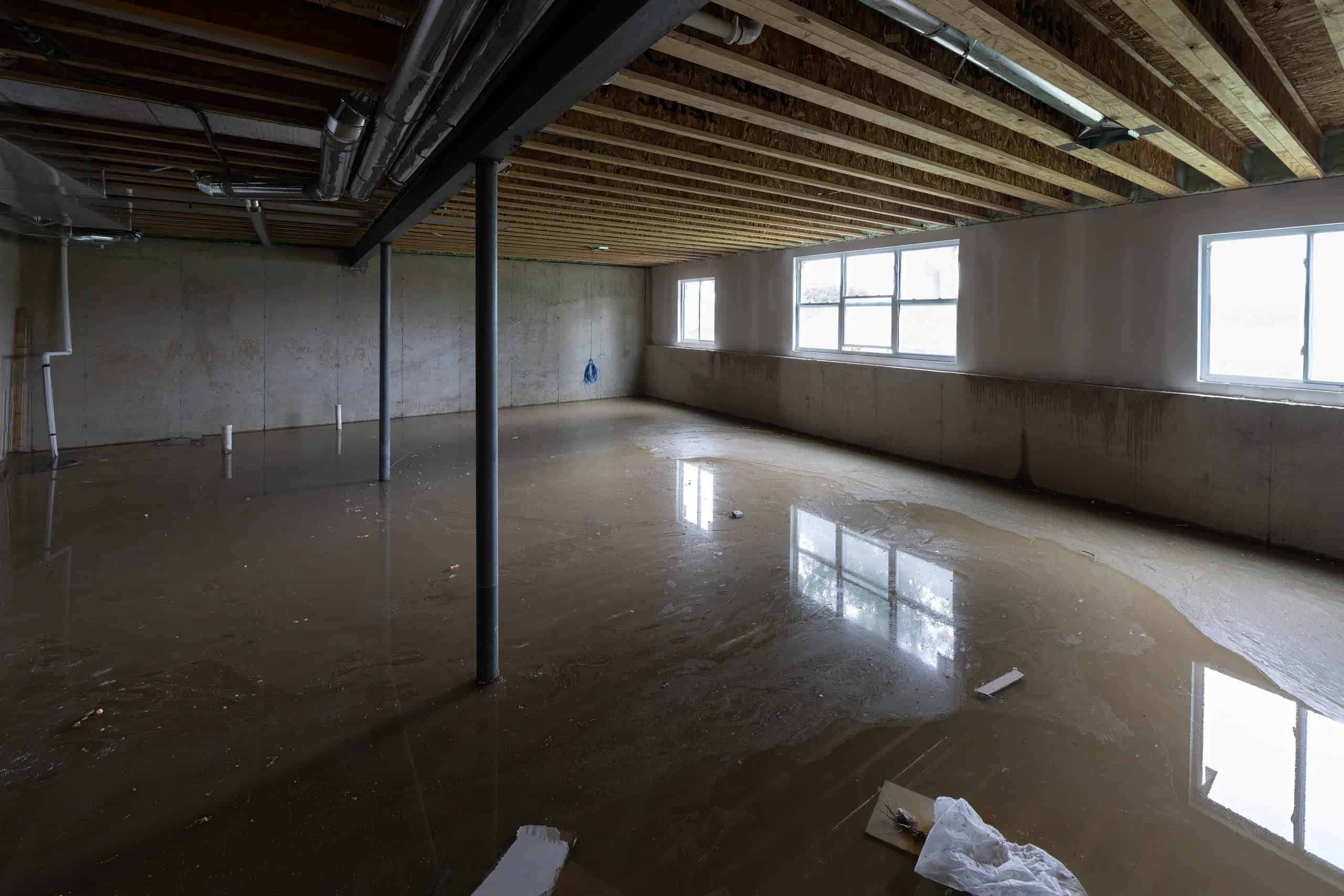
In Nassau County’s South Shore communities — Island Park, Long Beach, Atlantic Beach — this scenario is especially common. These are coastal neighborhoods with older housing stock that experienced significant flooding during Hurricane Sandy in 2012 and again during the remnants of Hurricane Ida in 2021. Flood-damaged structures often contain mold that’s had years to develop behind walls and under floors. A demolition contractor who can’t handle mold remediation in-house isn’t the right contractor for those properties.
The same applies to the North Shore — Great Neck, Manhasset, Port Washington — where Victorian-era and early 20th-century homes are regularly purchased for teardown and rebuild. These properties are almost certain to contain asbestos and lead. A contractor who can handle the full scope from demolition through hazmat abatement through site preparation isn’t a premium option. In Nassau County, it’s the only option that makes sense.
We’ve been doing this work across Nassau County for over 12 years — more than 5,000 completed projects in New York State — and we hold every license required to take a demolition project from start to finish without stopping: Nassau County General Contractor license, NYS DOL Asbestos, NYS DOL Mold, USEPA Lead and RRP certifications. We also carry workers’ compensation insurance, which matters more than most homeowners realize. If a contractor’s crew is injured on your property and they don’t carry workers’ comp, that liability can come back to you.
How to Choose a Good Demolition Contractor in Nassau County, NY
The short version: don’t let price be the only filter. In Nassau County’s regulatory environment — with mandatory asbestos surveys, Rodent Free Certificates, village-level permit requirements, and strict NYS licensing rules — a low bid that skips the required steps isn’t saving you money. It’s creating a problem you’ll deal with later, usually at a higher cost and under worse circumstances.
A good demolition contractor holds the specific licenses that New York State requires, manages the permits so you don’t have to, and can handle whatever the project uncovers without stopping the job to find someone else. That’s the standard worth measuring every quote against.
If you’re planning a demolition project in Nassau County, NY and want to work with a contractor who can take it from site assessment to clean site — with every required license in place — Green Island Group is ready to talk through what your project actually involves.