Summary:
Most people call about mold after they’ve already noticed something — a smell that won’t go away, a dark patch near a baseboard, or a family member whose allergies suddenly got worse. By that point, the question isn’t really “do I have mold?” It’s “how bad is it, and what happens next?”
That’s exactly what this guide is for. We’ll walk you through what a professional mold inspection and removal process actually covers, what the law requires in New York State, and what Nassau County homeowners specifically need to know before hiring anyone. Just a clear picture of what you’re dealing with and how it gets resolved.
Mold Testing and Remediation: Understanding the Difference
A lot of homeowners use “mold inspection,” “mold testing,” and “mold remediation” interchangeably, but they describe different phases of the same process. Inspection is the physical assessment — a technician comes in, looks for visible mold, maps moisture with thermal imaging cameras and moisture meters, and identifies where the problem is likely hiding.
Testing goes a step further: samples are collected from the air, surfaces, or wall cavities and sent to a laboratory to identify what species of mold is present and at what concentration. Remediation is the removal phase — containment, physical removal of contaminated materials, antimicrobial treatment, HEPA air scrubbing, and post-remediation verification to confirm the job is done.
Knowing the difference matters because New York State law actually requires these roles to be handled separately, which we’ll get into shortly.
Black Mold Inspection Cost: What Affects the Price in Nassau County
Cost is usually the first question, and it’s a fair one. Professional mold inspections range from $150 to $2,660 depending on the size of the home and where the mold is located. Remediation runs $1,120 to $3,330 on average nationally. Black mold — specifically Stachybotrys chartarum — tends to sit at the higher end of that range because it requires more extensive sampling, more careful containment, and lab analysis to confirm what you’re dealing with.
In Nassau County, a few local factors can push costs in either direction. Older homes — and there are a lot of them here, most built between the 1940s and 1970s — often have mold in places that are harder to access: inside wall cavities, under original hardwood floors, or in crawl spaces with minimal clearance. The original cast iron and galvanized steel plumbing common in that era corrodes over time, creating slow leaks that feed moisture into structural materials for years before anyone notices.
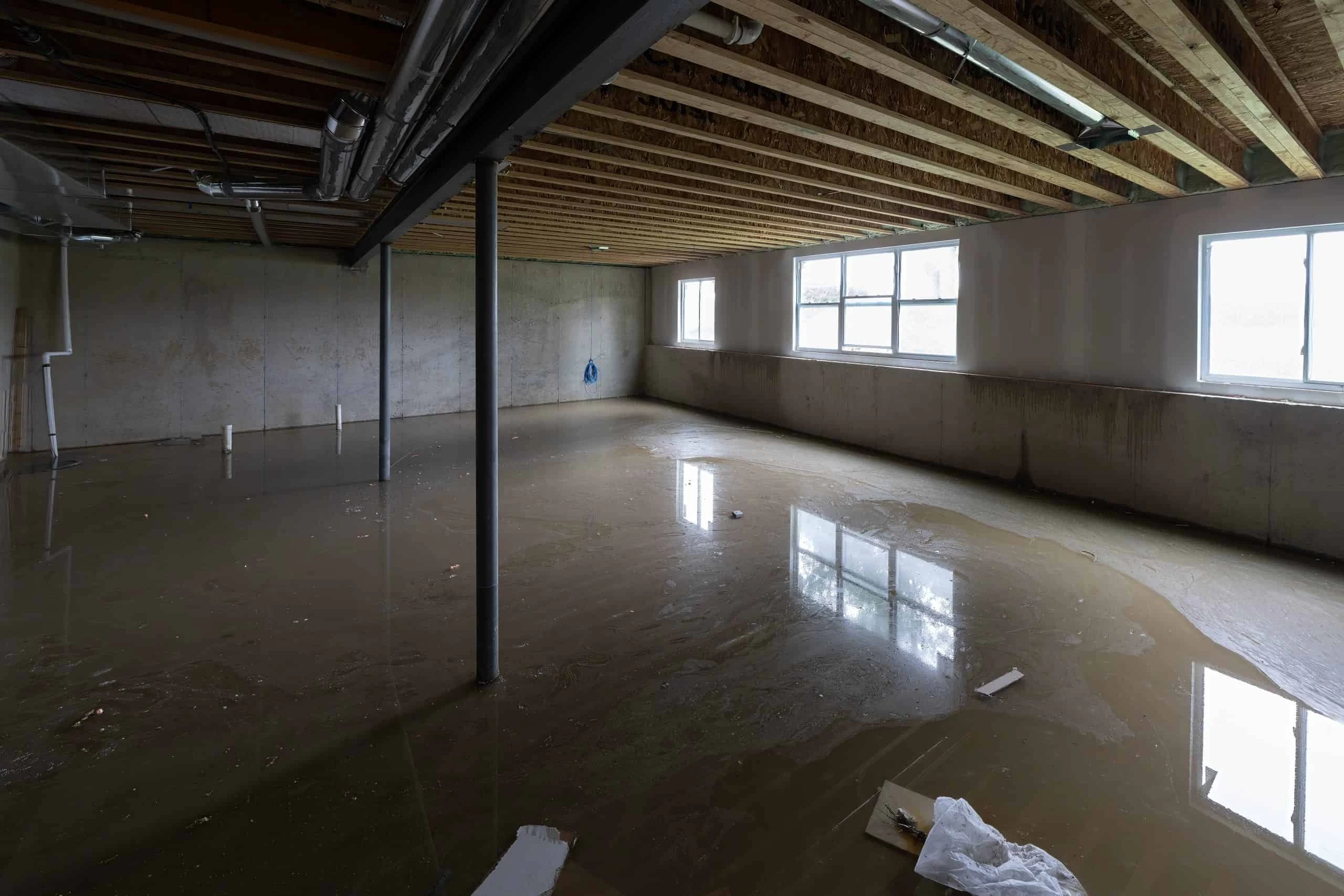
The high water table in communities like Long Beach, Freeport, Oceanside, and Baldwin adds another layer. Basement moisture in these areas isn’t always the result of a specific event — it can be a chronic, low-level infiltration that goes undetected until mold is already established. That kind of situation typically requires more thorough investigation and a broader remediation scope than a straightforward post-flood job.
The other major cost variable is whether your homeowner’s insurance covers it. Mold coverage often depends on what caused the moisture — a sudden pipe burst is more likely to be covered than long-term humidity buildup. We handle insurance billing directly and work with your carrier on the claim, so you’re not fronting the cost while paperwork gets sorted. For jobs that go beyond what insurance covers, we also offer financing up to $200,000 at 0% APR through Enhancify — something very few local contractors can say.
What Does a Mold Inspection Actually Include, Step by Step?
A thorough mold inspection isn’t a quick visual walkthrough. It starts with a moisture assessment — using thermal imaging cameras and calibrated moisture meters to find elevated readings inside walls, under flooring, and in ceiling assemblies. Mold needs moisture to survive, so following the moisture is the most reliable way to find where it’s growing, even when it’s not visible.
From there, one of our licensed assessors will collect samples depending on what the visual and moisture data suggests. Air samples capture what’s floating in the breathing space of the room. Surface samples — taken with swabs or tape lifts — identify what’s growing on a specific material. If there’s reason to believe mold has penetrated into a wall cavity, the assessor may make a small access cut to inspect and sample the interior. All samples go to an accredited laboratory for analysis, which tells you the species, concentration, and whether the levels are elevated compared to outdoor background counts.
Once the lab results are back, you get a written assessment and a remediation plan. That plan outlines what needs to be removed, how the work area will be contained, and what the post-remediation verification process will look like. In New York State, the mold assessor who writes that plan cannot be the same entity performing the remediation — that separation is required by law under Article 32 of the NYS Labor Law, which took effect in January 2016. It’s a consumer protection measure designed to prevent contractors from having a financial incentive to find more mold than actually exists.
That legal separation is something worth understanding before you hire anyone. If a contractor offers to inspect and remediate under the same license without the proper structure, that’s a red flag — and it could create legal and insurance complications for you as the homeowner.
Hiring Mold Testing Contractors in Nassau County: What to Look For
Nassau County is a regulated market. New York State requires mold assessors, remediation contractors, and abatement workers to hold separate licenses issued under Article 32. That means the first question to ask any contractor is simple: are you licensed under NYS Article 32, and can you show documentation? A contractor who can’t answer that clearly isn’t someone you want working in your home.
Beyond licensing, look for IICRC certification — specifically familiarity with the S520 standard, which is the industry benchmark for professional mold remediation. It covers everything from containment protocols to post-remediation verification requirements. These aren’t just credentials to display on a website; they reflect whether a contractor actually knows the technical standards the work is supposed to meet.
Why the Moisture Source Has to Be Fixed Before Remediation Starts
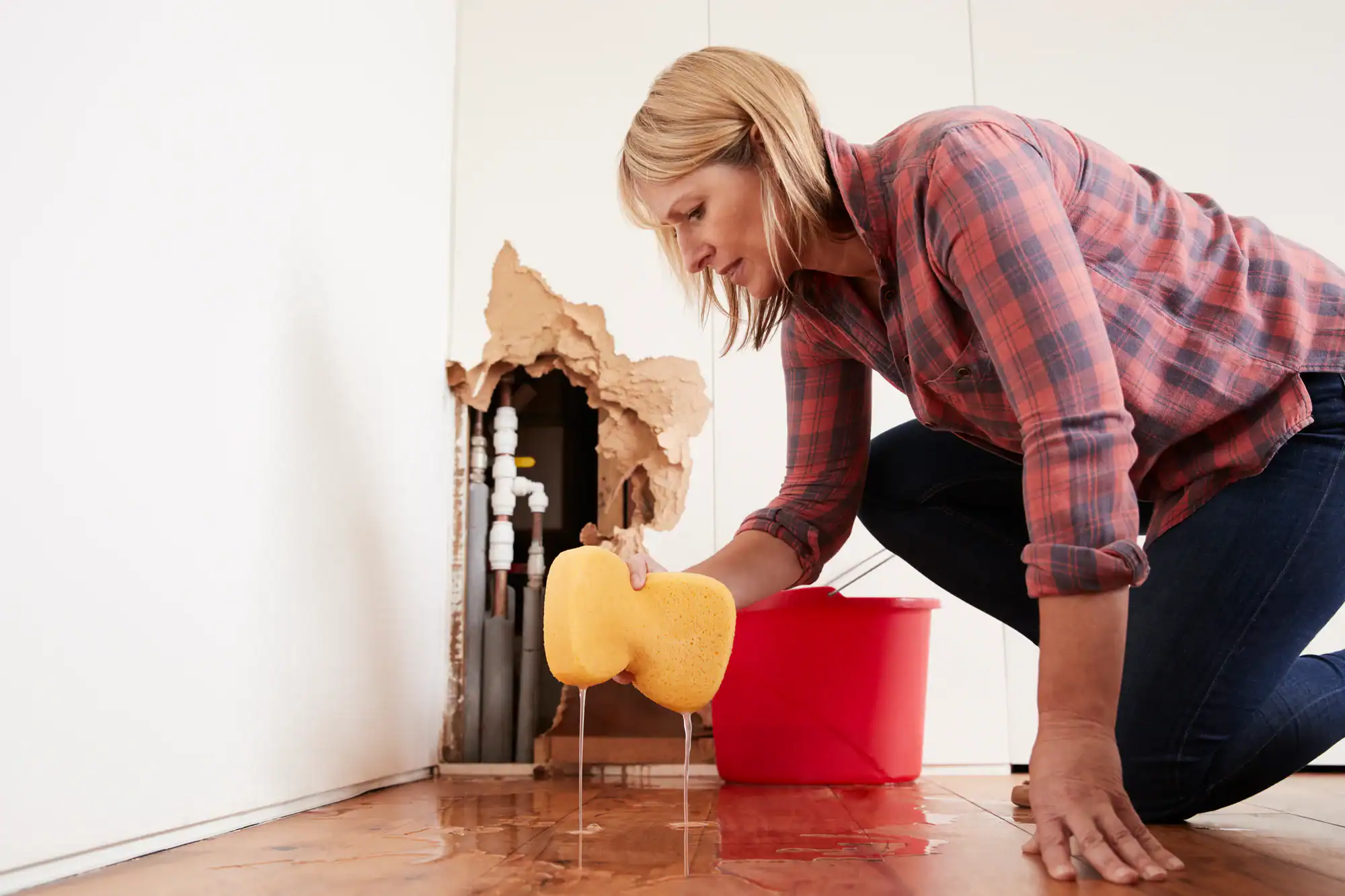
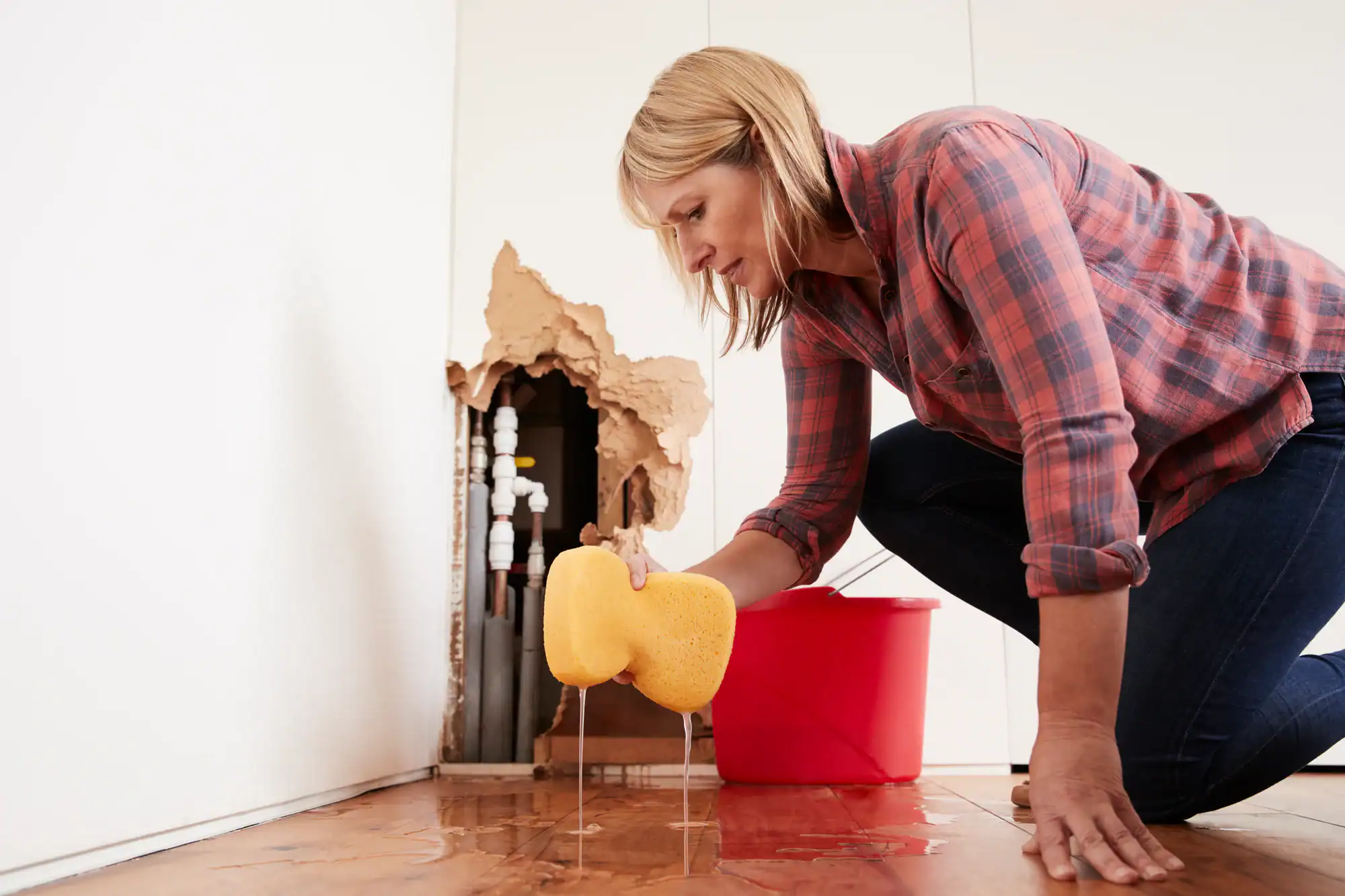
This is where a lot of mold jobs go wrong — and why some homeowners end up calling a second contractor six months later. If the moisture source isn’t identified and corrected before remediation begins, the mold comes back. It’s not a question of if; it’s a question of when.
In Nassau County, the moisture source isn’t always obvious. It might be a slow pipe leak that’s been seeping into a wall cavity for two years. It might be HVAC condensation that’s been dripping into insulation above a finished ceiling. In coastal communities along the South Shore — places like Merrick, Bellmore, and Wantagh — it’s sometimes groundwater pressure against a foundation that was never properly waterproofed.
After Superstorm Sandy in 2012, thousands of Nassau County homes had water intrude into wall assemblies that were never fully dried out. Some of those homes still have unresolved moisture problems a decade later, quietly feeding mold colonies that haven’t broken through to the surface yet.
A competent contractor will identify the moisture source as part of the assessment, not as an afterthought. If the source is a plumbing leak, it gets repaired. If it’s an HVAC issue, it gets addressed. If it’s a drainage or waterproofing problem, that work is scoped before remediation begins. Skipping this step is the single most common reason mold returns after remediation — and the single most common reason homeowners end up spending more money than they needed to.
We use thermal imaging cameras and moisture meters during every inspection specifically because they show us what’s happening inside building materials, not just on the surface. That data drives the remediation plan, not guesswork.
What Post-Remediation Verification Means and Why It Matters
Post-remediation verification — sometimes called PRV or clearance testing — is the step that confirms the job actually worked. After remediation is complete, an independent assessor returns to the property, collects air and surface samples, and sends them to a laboratory. The results are compared to outdoor background mold counts. If indoor spore levels have returned to normal background levels, the space is cleared for reconstruction. If they haven’t, additional remediation is required before any walls go back up.
This step matters for a few reasons. First, it’s the only objective proof that the remediation was successful — not a contractor’s word, but lab-verified data. Second, it protects the homeowner. If mold returns after remediation and there’s no clearance documentation, it becomes very difficult to determine whether the original job was done correctly or whether something new occurred. PRV creates a clear record.
Third — and this is particularly relevant in Nassau County — some insurance carriers require clearance documentation before they’ll close out a mold claim. If you’re working through an insurance claim, having that lab report in hand protects your position with the carrier and establishes a baseline for any future issues.
The reason PRV is done by an independent assessor — not the remediation contractor — goes back to the Article 32 separation requirement. The assessor has no financial stake in the remediation outcome, which means the clearance results are unbiased. That independence is the point. When we complete a remediation project, we coordinate the clearance inspection as part of the process, not as an optional add-on. Reconstruction doesn’t begin until the space has been cleared.
Getting Mold Inspection and Removal Right the First Time in Nassau County
Mold is one of those problems that tends to get more expensive the longer it sits. The 24 to 48 hour window in which mold begins colonizing after moisture exposure is real — and in a county with Nassau’s coastal humidity, aging housing stock, and high water table, the conditions for mold to take hold are rarely far off.
The good news is that when the process is done correctly — licensed assessment, proper containment, moisture source addressed, remediation completed to IICRC standards, and clearance verified by an independent lab — it stays fixed. You’re not patching a surface; you’re resolving the problem at its source.
If you’re dealing with a suspected mold issue in Nassau County, Green Island Group is available 24/7 and handles everything from the initial inspection through reconstruction — including direct insurance billing and financing options for jobs that need it. Reach out and we’ll walk you through exactly what your situation requires.