Summary:
Water Damage Prevention Strategies for Long Island Homes
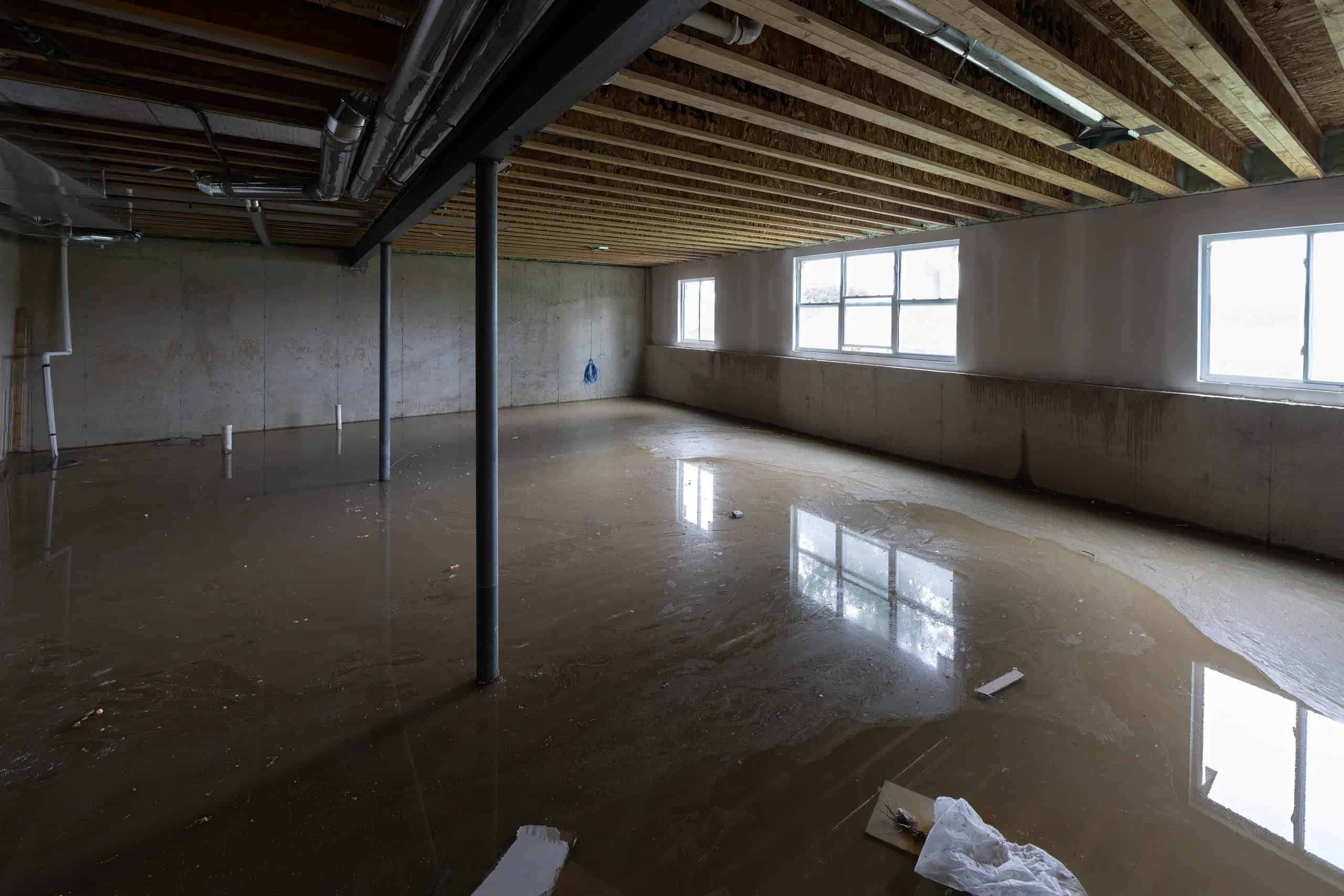
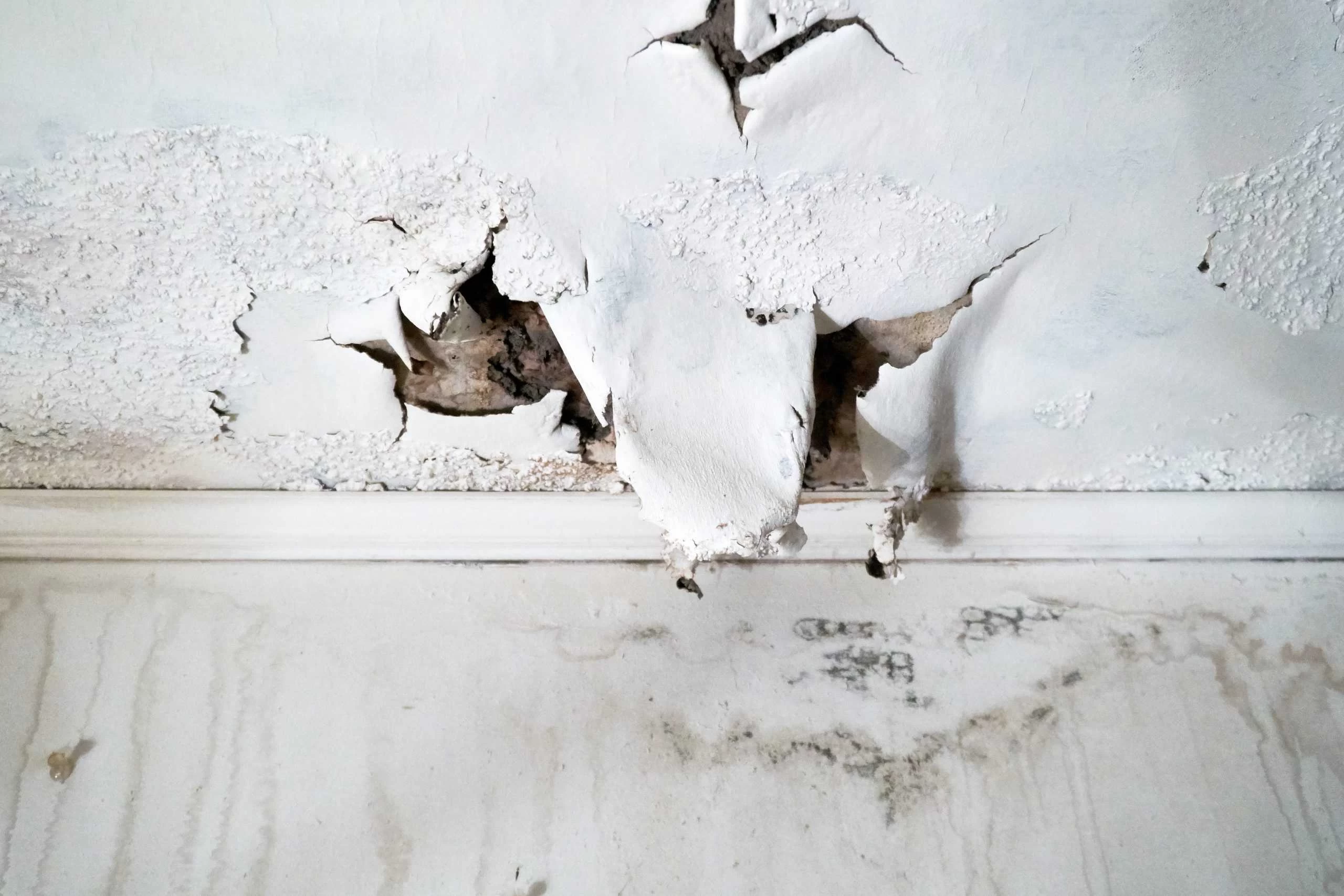
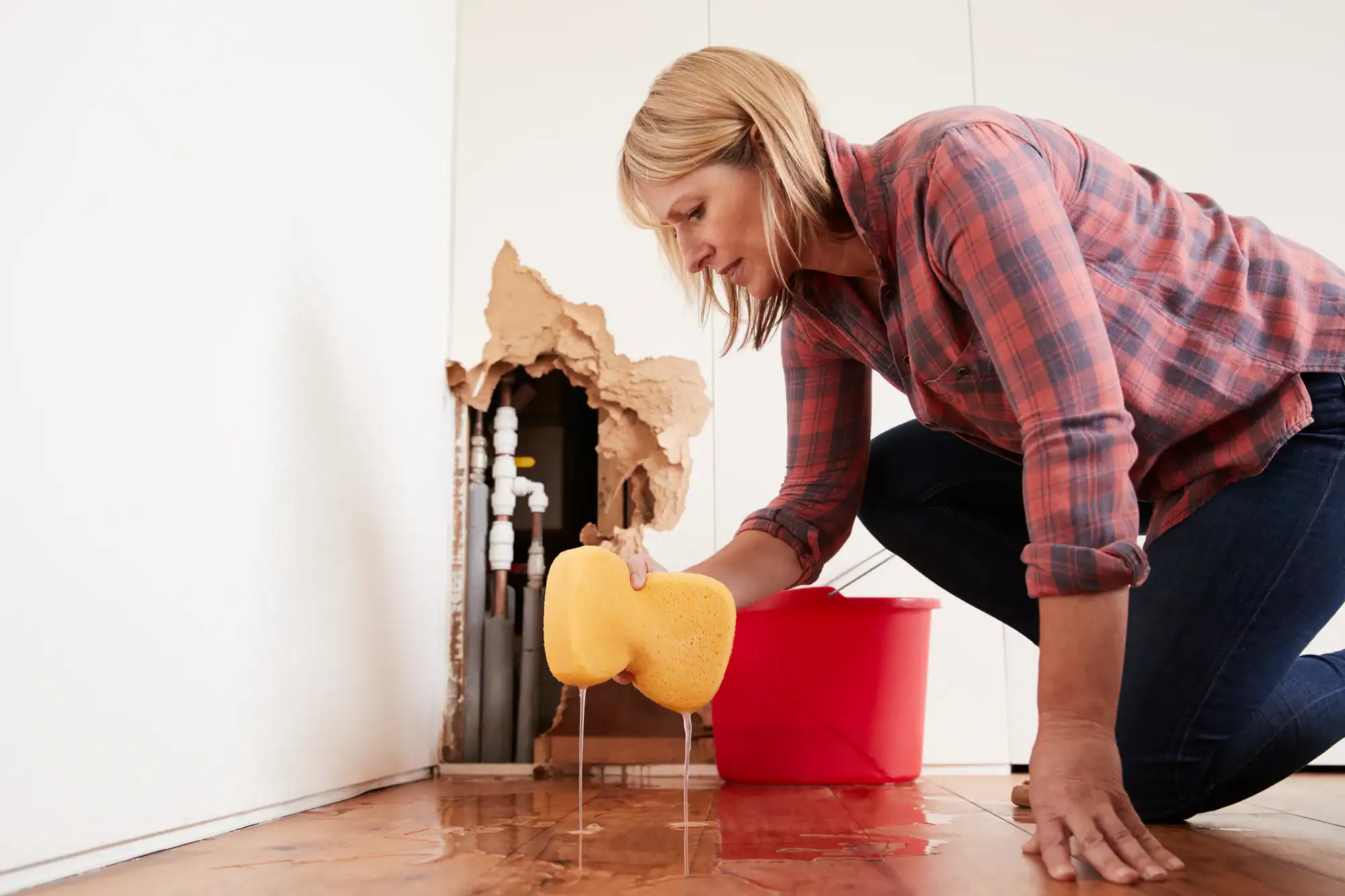
Water damage triggers more restoration projects than any other issue affecting Long Island properties. Between coastal storms, deteriorating plumbing systems, and persistent humidity from our surrounded-by-water geography, your home confronts relentless moisture challenges.
Success means intercepting water problems before they escalate into disasters. Most water damage restoration becomes unnecessary when you implement regular maintenance protocols and intelligent prevention strategies. You’re protecting more than property values—you’re avoiding the upheaval and expense that accompany major restoration work. Prevention saves you an average of $3,500-8,200 compared to emergency water damage restoration costs, while protecting your family’s health and comfort year-round.
Inspect and Maintain Your Home's Critical Water Systems
Your plumbing network, roofing system, and drainage infrastructure function as an integrated defense against water intrusion. When one component fails, you face potential water damage that rapidly evolves into mold remediation or structural reconstruction projects.
Examine your roof biannually, particularly following Long Island’s harsh winter weather patterns. Search for displaced shingles, compromised flashing around chimneys and vents, and blocked gutters that force water backup beneath your roofline. Clean gutters quarterly and verify that downspouts channel water a minimum of six feet from your foundation walls.
Control Indoor Humidity and Ventilation Systems
Your plumbing network, roofing system, and drainage infrastructure function as an integrated defense against water intrusion. When one component fails, you face potential water damage that rapidly evolves into mold remediation or structural reconstruction projects.
Examine your roof biannually, particularly following Long Island’s harsh winter weather patterns. Search for displaced shingles, compromised flashing around chimneys and vents, and blocked gutters that force water backup beneath your roofline. Clean gutters quarterly and verify that downspouts channel water a minimum of six feet from your foundation walls.
Fire and Storm Damage Prevention Protocols
Fire damage restoration and storm damage repair represent the most extensive and expensive restoration categories you can encounter. While weather remains beyond your control, you can dramatically reduce risk through systematic preparation and maintenance practices.
Prevention involves both decreasing damage probability and minimizing impact when storms or fires occur. Informed homeowners implement protective measures before problems develop rather than managing emergency restoration services afterward. The average cost of restoring storm damage on Long Island is $12,000-25,000, while fire damage restoration averages $18,000-35,000. Prevention measures costing a few hundred dollars annually can eliminate these massive expenses while protecting your family’s safety and security.
Electrical System and Fire Safety Maintenance
Electrical malfunctions cause thousands of residential fires annually, most preventable through basic maintenance and hazard recognition. You don’t require electrician training to identify warning signals before they become emergencies for fire damage restoration.
Schedule electrical system inspections every decade, or sooner for older homes experiencing issues like flickering lights, burning odors, or frequently tripping circuit breakers. These symptoms indicate system overload or deterioration that demands immediate attention rather than hopeful neglect.
Storm Preparation and Property Protection Systems
Long Island experiences everything from nor’easters to hurricanes, making storm damage repair unfortunately common throughout our region. You cannot prevent storms, but you can minimize damage through systematic preparation and property maintenance.
Trim trees regularly, focusing on branches overhanging your roof or positioned near power lines. During severe weather, these modify into dangerous projectiles capable of causing significant structural damage. Remove diseased or dead trees before they create problems during the next major storm event.
Implementing Your Long Island Home Protection Strategy
Prevention lacks glamour but costs significantly less than major restoration work while eliminating disruption to your daily life. Regular maintenance schedules, proper ventilation systems, and storm preparation protocols can save thousands in emergency restoration expenses while protecting your family’s health and comfort.
Success requires proactive thinking rather than reactive responses. Address minor issues before they evolve into major problems requiring extensive restoration services. When you need professional assistance, whether for prevention planning or restoration work, contact us for guidance on protecting your Long Island home investment.