Summary:
How to Spot Asbestos Materials Hiding in Your Nassau County Home
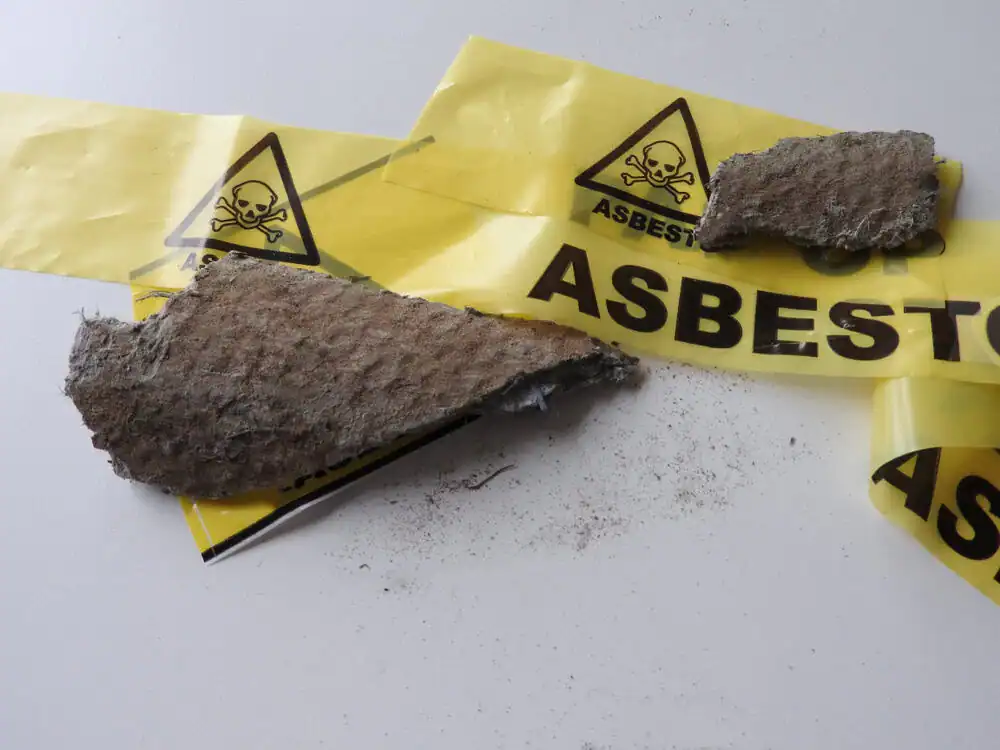
You can’t see asbestos fibers with the naked eye, but you can identify the materials most likely to harbor them. Homes built before 1980 in Nassau and Suffolk Counties commonly used asbestos in construction materials for its fire-resistant properties.
The danger zones include pipe insulation around boilers and ductwork, old vinyl floor tiles, ceiling tiles, cement board siding, and roofing shingles. Don’t overlook less obvious hiding spots like plaster walls, window glazing, and textured ceiling finishes.
Here’s the critical rule: never disturb suspected materials. Even simple tasks like drilling through drywall or removing old pipes can unleash dangerous fibers into your home’s air.
The Most Common Asbestos Materials in Long Island Homes Built Before 1980
Nassau and Suffolk County homes built before 1980 contain asbestos in predictable locations. Knowing these common materials helps you recognize potential hazards before they threaten your family’s health.
Pipe insulation presents the highest risk because it crumbles easily when touched. This gray or white wrapping around heating systems was standard in Long Island homes through the late 1970s. When this material deteriorates, it releases microscopic fibers that can cause lung cancer and mesothelioma decades later.
Floor materials create another serious concern. Those 9×9 inch vinyl tiles popular in mid-century homes? They often contain asbestos. So does the black mastic adhesive underneath. Many homeowners discover this unwelcome surprise during kitchen or bathroom renovations.
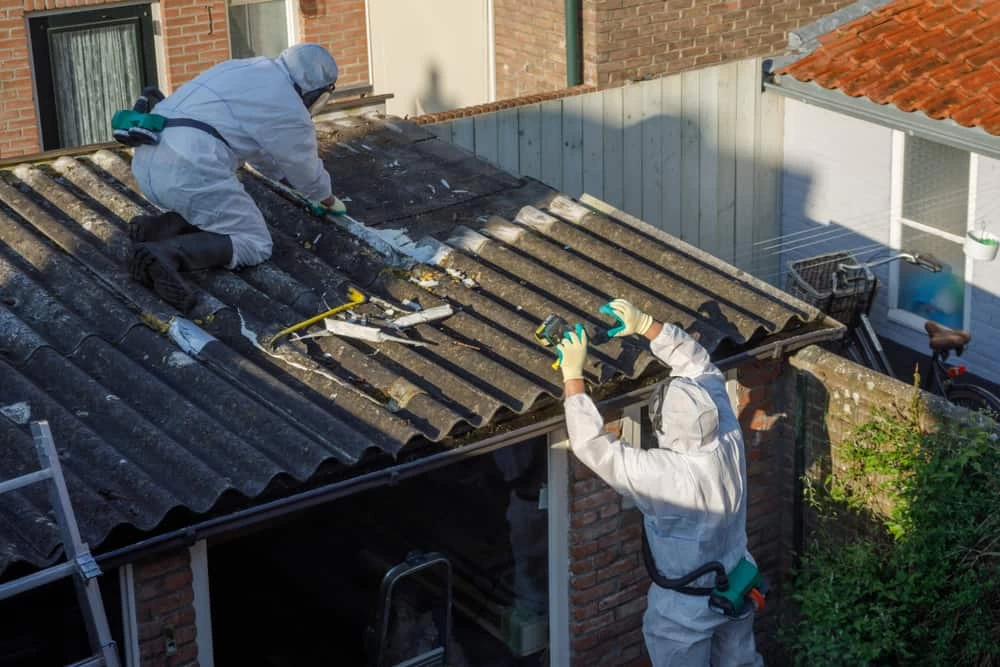
Your home’s exterior isn’t safe either. Cement board siding, roofing shingles, and exterior caulking frequently contain asbestos fibers. Weather exposure makes these materials deteriorate over time, increasing fiber release risks.
Interior walls and ceilings pose hidden dangers. Joint compounds, plaster, and those bumpy popcorn ceiling textures installed before 1978 commonly test positive for asbestos. The problem? They look completely harmless until disturbed.
Visual inspection won’t tell you if materials contain asbestos. Professional laboratory testing provides the only reliable identification method. This testing costs $250 to $850 but prevents exposure risks worth thousands in medical bills and legal problems.
Remember this: intact asbestos materials don’t immediately threaten your health. Danger occurs when materials become damaged, deteriorated, or disturbed through DIY projects or professional renovations without proper precautions.
Why DIY Asbestos Testing Puts Your Family at Risk
Home improvement projects in Nassau and Suffolk County properties built before 1980 require professional asbestos testing—not just for safety, but because New York law often demands it. Industrial Code Rule 56 mandates certified assessment before disturbing materials that might contain asbestos.
Professional testing involves trained inspectors collecting samples using proper containment procedures and protective equipment. These samples go to certified laboratories for microscopic analysis that identifies asbestos fibers with scientific accuracy. Results typically return within 3-5 business days.
DIY testing kits seem cheaper, but they’re dangerously unreliable. Collecting samples yourself risks releasing fibers into your home’s air supply. Worse, improper sampling techniques often produce false negative results that give you dangerous confidence to proceed with unsafe work.
Many Long Island homeowners skip testing entirely, assuming they’ll treat everything as asbestos-containing material. This approach backfires because removal procedures and disposal costs vary dramatically based on actual asbestos content and material condition.
New York City properties face additional testing requirements. All building permits need an ACP-5 asbestos assessment report from a Department of Environmental Protection certified inspector. This isn’t optional—it’s required before work begins.
Professional testing protects you legally and financially. Discovering asbestos during renovation without proper assessment can trigger work stoppages, regulatory fines, and emergency abatement procedures costing far more than planned testing.
The bottom line: spending $500 on professional testing beats spending $5,000 on emergency cleanup when something goes wrong.
New York's Strict Asbestos Removal Laws That Protect Your Family
New York State enforces some of America’s toughest asbestos removal regulations. These laws exist because asbestos exposure causes lung cancer, mesothelioma, and asbestosis—diseases that can take decades to develop but prove fatal once they appear.
The New York State Department of Labor’s Industrial Code Rule 56 governs all asbestos removal activities. This regulation requires certified contractors, mandatory notification procedures, and specific safety protocols for any project involving asbestos-containing materials.
Understanding these requirements prevents legal problems and ensures your project proceeds without costly delays or violations that could reach thousands of dollars in fines.
Legal Requirements Every Nassau County Homeowner Must Follow
Nassau and Suffolk County homeowners must navigate multiple layers of asbestos regulations, from federal EPA standards to local municipal codes. These overlapping requirements create complex compliance obligations that only certified contractors fully understand.
New York State Department of Labor oversees contractor licensing through Industrial Code Rule 56. This regulation covers removal, encapsulation, repair, or disturbance of any asbestos material. Contractors must hold valid state licenses, and workers must complete approved training programs covering safety procedures and health protection measures.
Environmental regulations add critical disposal requirements. The New York State Department of Environmental Conservation controls asbestos waste transportation under strict guidelines. Improper disposal triggers significant fines and environmental cleanup costs that can bankrupt homeowners.
Local building departments require permits before asbestos work begins. Nassau and Suffolk County municipalities maintain additional notification requirements, inspection procedures, and fees that vary by location. Skipping these permits can halt your project and trigger legal violations.
New York City properties face even stricter rules. The Department of Environmental Protection requires formal notification at least seven days before abatement begins. Projects involving more than 25 linear feet or 10 square feet of asbestos-containing material need special permits and third-party monitoring.
Homeowner exemptions exist but come with major limitations. Single-family dwelling owners can perform their own asbestos work under specific conditions, but this exemption doesn’t apply to rental properties or multi-unit buildings. Even with exemptions, homeowners remain responsible for proper disposal and safety measures.
Violations carry serious financial consequences. Fines reach thousands of dollars per violation. Improper handling can result in emergency cleanup procedures costing more than your home’s value. Insurance companies routinely deny claims related to unpermitted asbestos work.
The smart approach? Hire certified contractors who navigate these regulations daily and carry specialized insurance protecting you from liability.
Why Licensed Asbestos Contractors Are Worth Every Dollar
Licensed asbestos contractors bring specialized training, professional equipment, and liability insurance that make safe removal possible. We professionals understand complex regulations and maintain certifications that protect property owners from devastating legal and financial consequences.
Proper asbestos removal requires sophisticated containment systems including negative air pressure machines, HEPA filtration units, and complete work area isolation. We use specialized protective equipment including full-face respirators and disposable suits designed specifically for asbestos work. This equipment costs thousands of dollars and requires extensive training to use safely.
Certified contractors follow established procedures that prevent fiber release during removal. Work areas get sealed with multiple layers of plastic sheeting. Air pressure systems prevent contamination from spreading to clean areas. All materials are wetted to minimize airborne fibers. These procedures require coordination and experience that untrained individuals cannot safely execute.
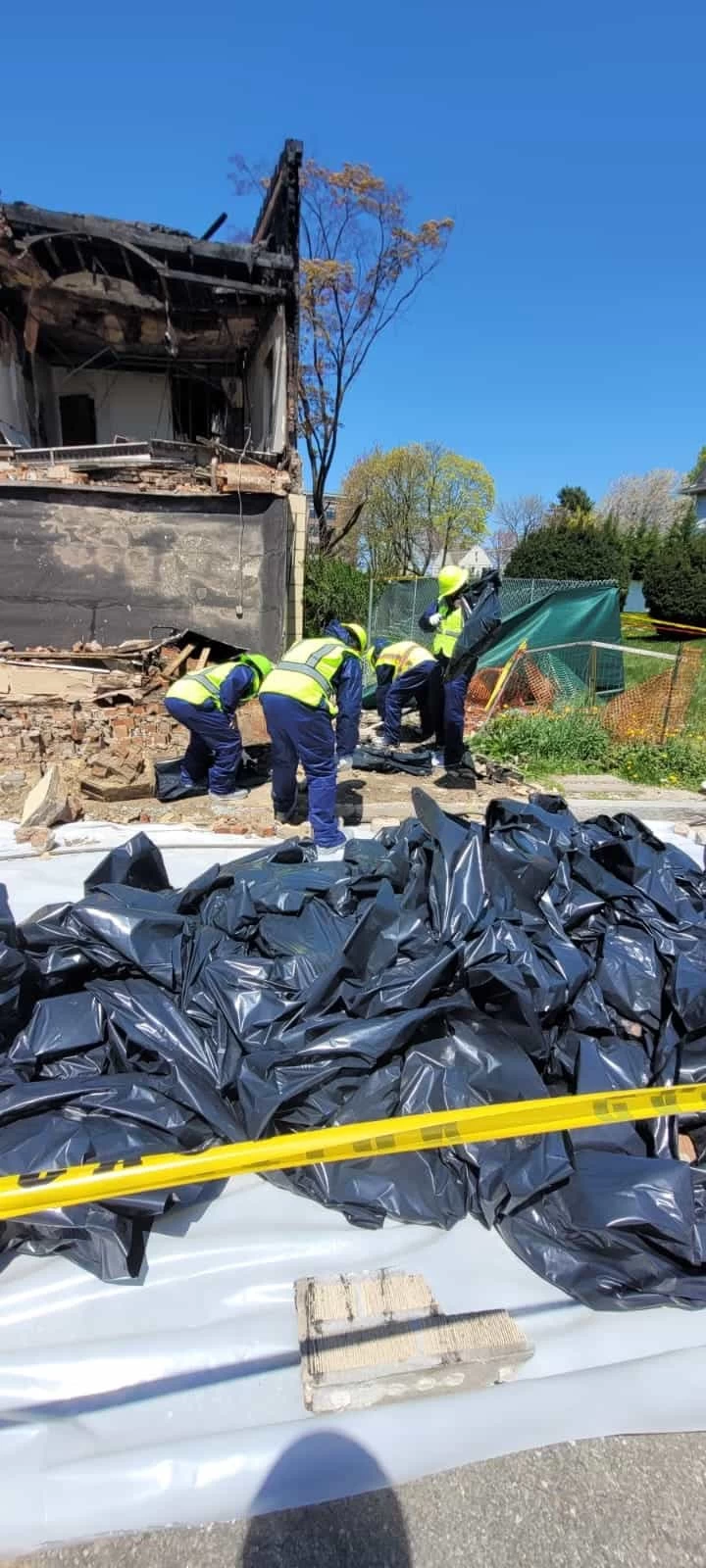
Professional disposal eliminates another major risk. Asbestos waste must be double-bagged, labeled with hazardous material warnings, and transported to approved disposal facilities following Department of Transportation regulations. We maintain relationships with certified disposal sites and handle all required documentation.
Insurance coverage provides essential protection you can’t get elsewhere. Licensed contractors carry specialized liability insurance covering asbestos work, protecting homeowners from potential claims related to exposure or property damage. Unlicensed work typically voids your homeowner insurance coverage entirely.
Quality assurance measures ensure work completion meets regulatory standards. Professional contractors conduct air clearance testing after removal to verify safe reoccupancy levels below EPA action limits. This testing provides legal documentation that work was completed properly and safely.
Emergency response capabilities distinguish professional contractors from unlicensed alternatives. Accidents during asbestos work require immediate containment and cleanup procedures that only trained professionals can execute without making contamination worse.
The cost difference between licensed and unlicensed work often disappears when you factor in potential liability, health risks, and legal penalties. Professional removal provides peace of mind that protects your family’s health and your financial future.
Taking Action to Protect Your Long Island Home from Asbestos Dangers
Discovering asbestos in your Nassau or Suffolk County home doesn’t have to become a health crisis or financial disaster. Understanding which materials commonly contain asbestos, recognizing when professional testing becomes essential, and knowing New York’s regulatory requirements empowers you to make informed decisions that protect your family while preserving your property value.
The path forward is clear: avoid disturbing suspected materials, hire certified professionals for testing and removal, and ensure all work complies with state and local regulations. These steps prevent dangerous exposure while avoiding costly legal violations that can reach thousands of dollars in fines.
When you’re ready to address asbestos concerns professionally and safely, we at Green Island Group provide the certified expertise and regulatory compliance that Nassau and Suffolk County homeowners have trusted for over 5,000 successful projects.