Summary:
Shut Off Your Main Water Supply Immediately
The second you realize a pipe has burst, your priority is stopping the water flow. Every gallon that pours out adds to the damage and the cleanup bill. You need to find your main water shut-off valve and turn it off completely.
In most Long Island homes, this valve is located in your basement near where the main water line enters your house, often close to the water meter or along a wall facing the street. Some homes have it in a crawl space, utility closet, or near the water heater. If you’ve never looked for it before, now is the time to find it—and fast.
Once you locate the valve, turn it clockwise if it’s a round wheel-style gate valve. You’ll need to turn it several times until it stops completely. If you have a lever-style ball valve, turn it a quarter turn so the handle sits perpendicular to the pipe. Either way, you’re cutting off all water coming into your home, which stops the flood at its source.
What If You Can't Find Your Water Shut-Off Valve
Not knowing where your shut-off valve is located is more common than you think, especially if you just moved in or never had to deal with a plumbing emergency before. If you’re scrambling and can’t find it, don’t waste time tearing apart your basement. Call an emergency plumber immediately and let them know you can’t shut off the water. They can often walk you through it over the phone or, in some cases, shut it off from the street.
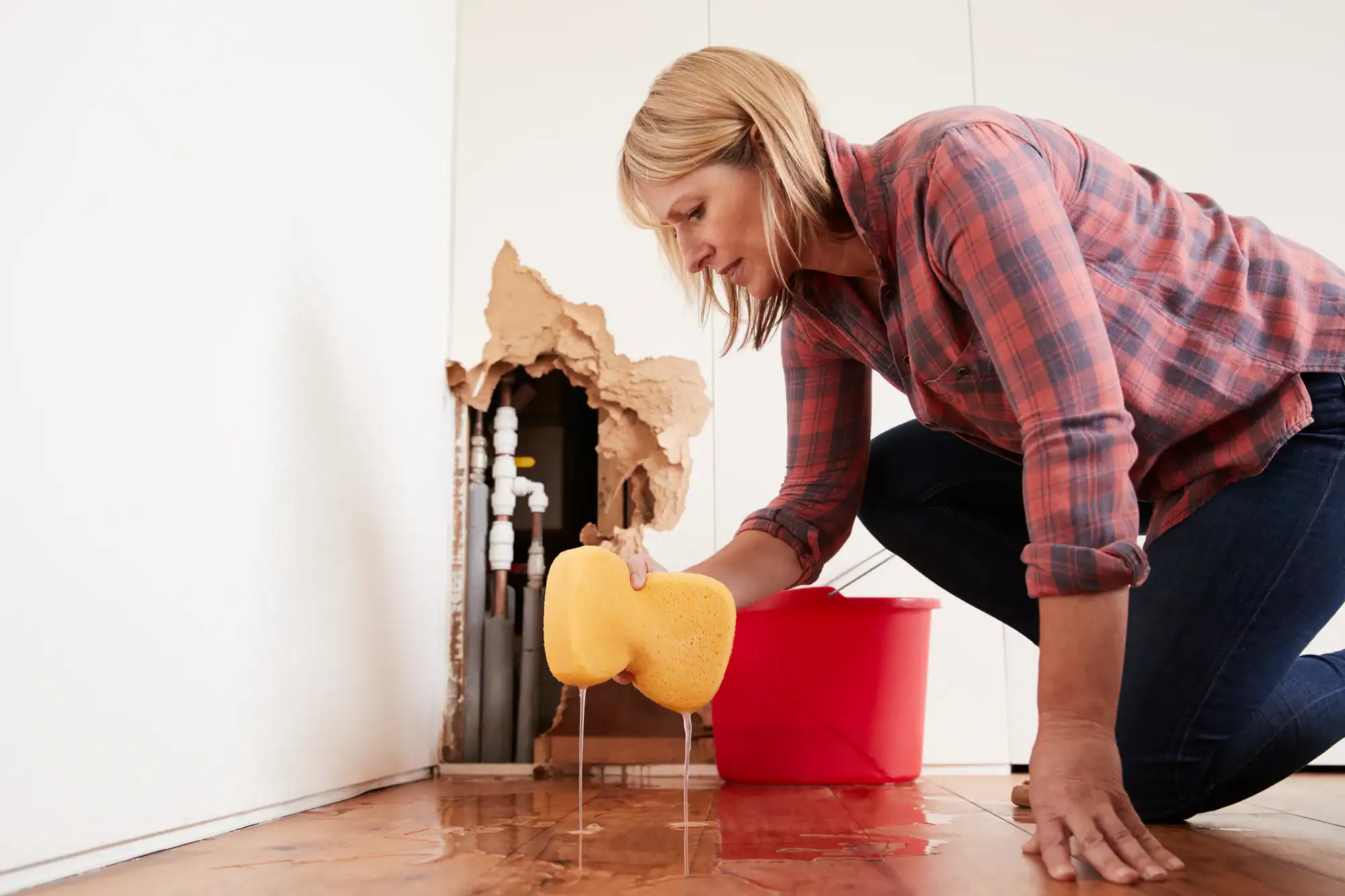
While you’re waiting, try to contain the water as much as possible. Move furniture, electronics, and anything valuable away from the flooded area. Grab towels, buckets, anything that can catch or absorb water. If the burst pipe is isolated to one fixture—like under a sink or behind a toilet—you might be able to shut off the individual valve supplying that fixture. Look for a small knob or lever on the water line leading to the fixture and turn it clockwise.
The key here is not to freeze up. Yes, water is still flowing, but every action you take to slow it down or move things out of harm’s way helps. Once a professional arrives, they’ll handle the valve situation and get the water stopped. In the meantime, focus on damage control and keeping everyone in your household safe and away from the affected area, especially if water is near electrical outlets or appliances.
If you’re reading this before an emergency happens, do yourself a favor right now: go find your main shut-off valve. Make sure everyone in your household knows where it is and how to use it. Label it if you need to. That five minutes of preparation could save you hours of chaos and thousands of dollars in water damage when a pipe actually bursts. And if the valve is old, stiff, or corroded, have a plumber replace it before you’re in crisis mode. You don’t want to discover it doesn’t work when water is flooding your home.
Turn Off Electricity in the Affected Area
Water and electricity are a dangerous combination, and a burst pipe flooding your home creates a serious shock hazard. Once you’ve shut off the water supply, your next step is to turn off the electricity in any area where water is present or spreading. This protects you, your family, and anyone who might enter the space from electrocution.
Head to your electrical panel and flip the circuit breakers for the affected rooms. If you’re not sure which breakers control which areas, it’s safer to shut off power to the entire house until a professional can assess the situation. Don’t touch any electrical outlets, switches, or appliances if you’re standing in water or if your hands are wet. If the water has already reached outlets, the breaker box, or any electrical equipment, stay out of the area entirely and wait for help to arrive.
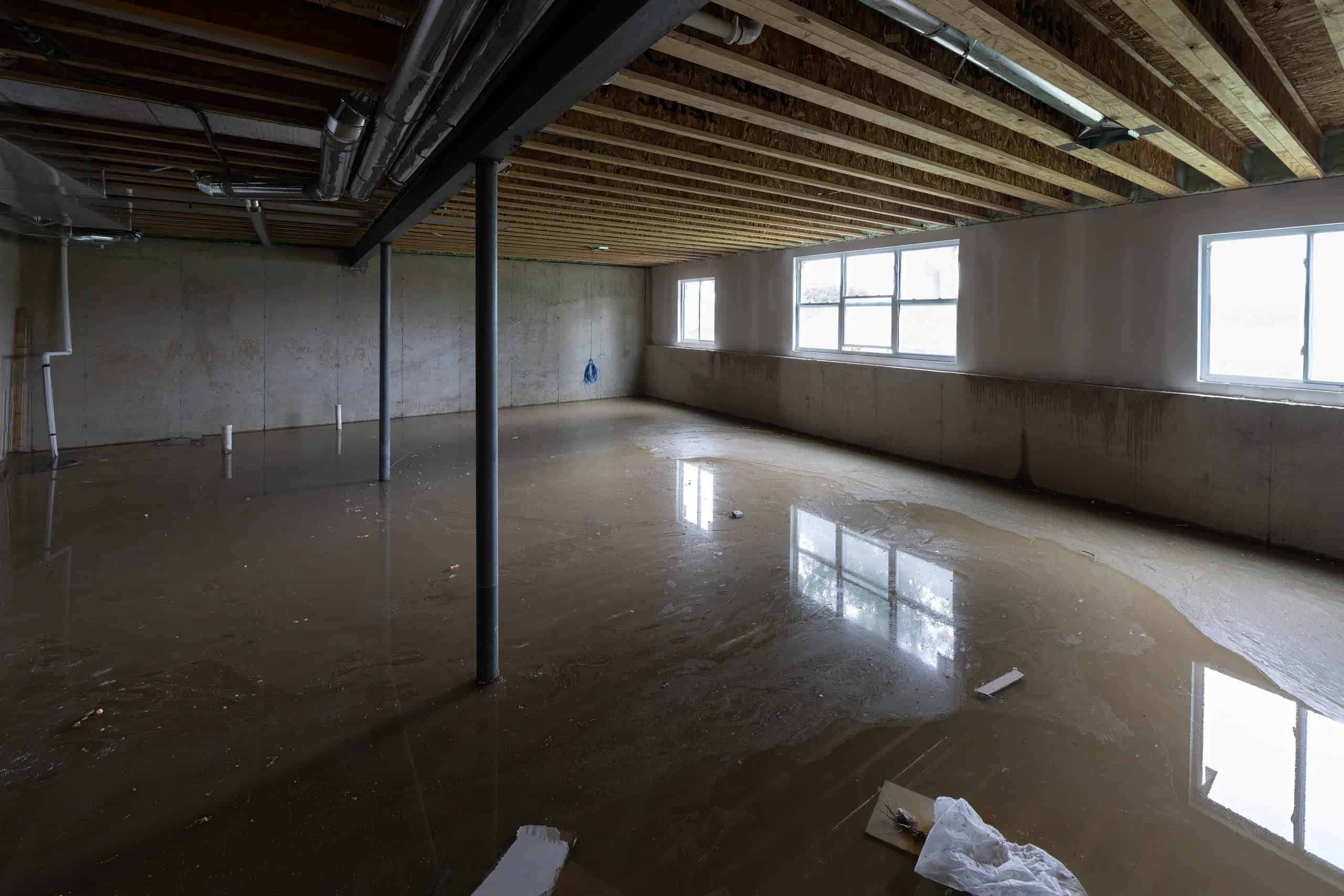
This step is especially important in basements, where burst pipes often occur and where electrical panels, water heaters, and other equipment are located. Water can travel quickly through walls, under floors, and along electrical wiring, creating hidden hazards you might not see right away. Even if the water looks like it’s just puddling in one spot, moisture can seep into walls and create dangerous conditions.
If your burst pipe happened because of freezing temperatures and you have an electric water heater, you’ll also want to turn off the heater itself. When the water supply is cut off, the heater can overheat or sustain damage because it’s no longer receiving fresh water. For electric heaters, flip the breaker at the electrical panel. For gas water heaters, turn the gas valve to the pilot or off position. This prevents additional problems and keeps your home safer while you wait for repairs.
Once the electricity is off and the water is shut down, you’ve taken the two most critical steps to stop the emergency from getting worse. The immediate danger is now under control, and you can focus on the next steps: documenting the damage, draining remaining water from your pipes, and calling in professionals to repair the burst pipe and handle the water damage restoration.
Drain Your Pipes and Document the Damage
After you’ve shut off the water and electricity, you’re not done yet. There’s still water sitting in your pipes, and that water can continue to leak out or cause additional pressure problems if you don’t drain it. Open all the faucets in your home, starting with the cold water taps. Let the water run out completely. Flush your toilets several times to drain the water from those lines as well.
This step relieves pressure in your plumbing system, which is especially important if frozen pipes caused the burst. It also helps prevent additional leaks or cracks from forming while you wait for repairs. Once the faucets stop flowing, you’ve drained most of the water from your system.
Now, before you start cleaning up, grab your phone and start documenting everything. Take clear photos and videos of the burst pipe, the water damage, and every affected area. Capture wide shots that show the full extent of the flooding, close-ups of damaged walls, floors, and belongings, and any visible water stains or structural issues. This documentation is critical for your insurance claim and will help speed up the process when you file.
Why You Need to Act Within 24 to 48 Hours
Here’s something most homeowners don’t realize until it’s too late: mold can start growing within 24 to 48 hours after water damage occurs. That’s not a lot of time. Once mold takes hold, you’re not just dealing with water damage anymore—you’re dealing with a health hazard, structural issues, and a much more expensive cleanup process.
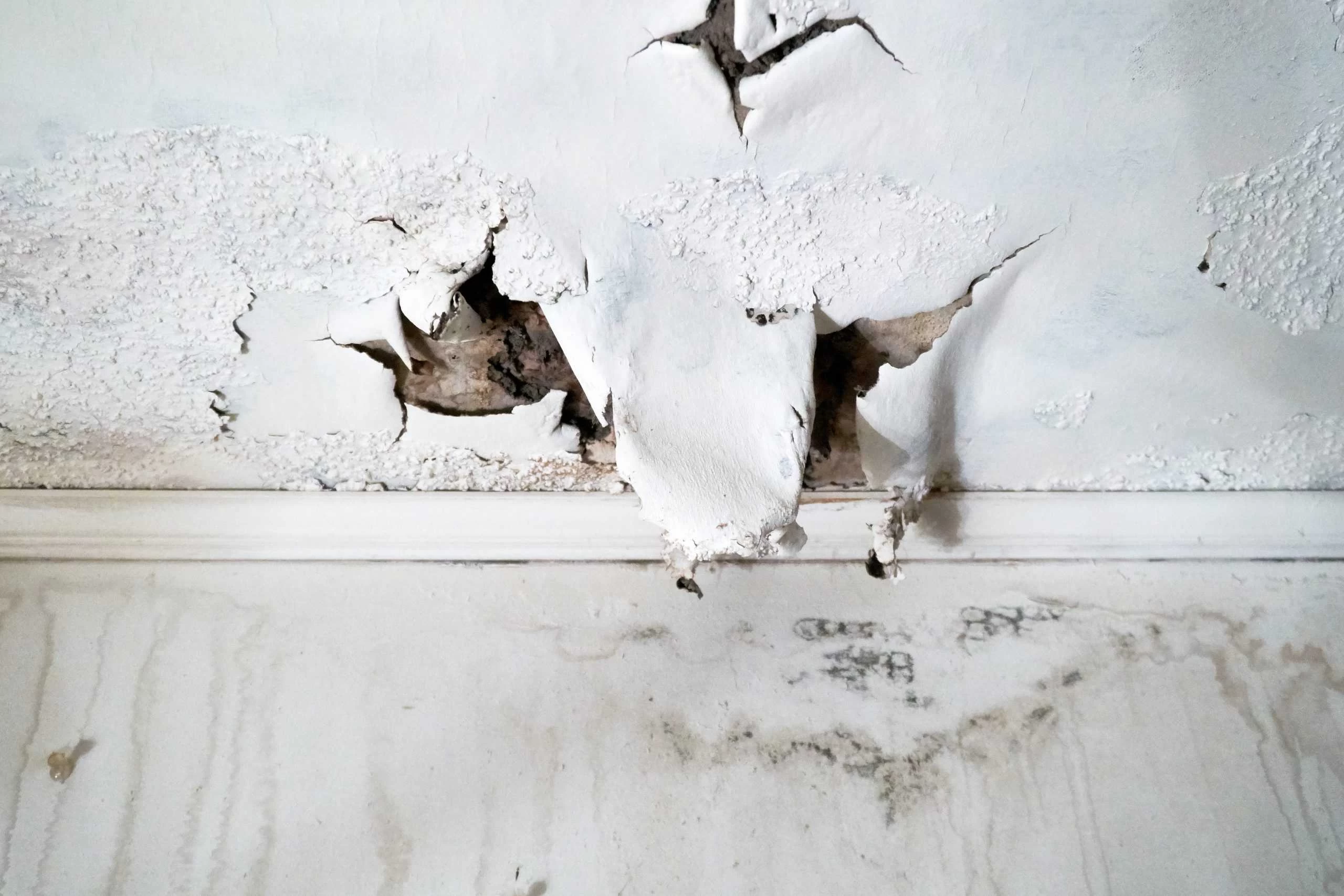
Mold thrives in damp, dark environments, and a burst pipe creates the perfect conditions. Water soaks into drywall, insulation, carpet padding, wood framing, and other porous materials. Even after you’ve mopped up the visible water, moisture remains trapped inside walls, under floors, and in hidden spaces. Without professional drying equipment, that moisture stays there and feeds mold growth.
This is why acting fast isn’t just about stopping the flood—it’s about preventing the secondary damage that happens in the days after the pipe bursts. Professional water damage restoration teams use industrial dehumidifiers, air movers, and moisture meters to find hidden water and dry everything thoroughly. They don’t just dry the surface; they dry the structure. That’s the difference between a quick cleanup and a months-long mold remediation project.
Long Island’s climate makes this even more critical. The high humidity levels, especially during summer months, accelerate mold growth. Coastal salt air complicates the drying process. Many Nassau and Suffolk County homes have basements that are naturally prone to moisture problems, which means mold can spread faster here than in drier climates. If you wait even a few days to call in professionals, you’re giving mold a head start that’s hard to reverse.
The cost of waiting often exceeds the cost of immediate professional help. What starts as water extraction and drying can turn into mold remediation, drywall replacement, insulation removal, and complete reconstruction if you delay. Insurance companies know this too, and they’re more likely to cover damage when you act quickly and follow proper procedures. Delaying the call or trying to handle it yourself with fans and towels might seem like it’s saving money, but it usually ends up costing more in the long run.
Call a Professional Water Damage Restoration Company
Once you’ve shut off the water, turned off the electricity, drained your pipes, and documented the damage, it’s time to call in the professionals. Burst pipe repair and water damage restoration aren’t DIY projects. You need licensed plumbers to fix the pipe correctly and certified restoration technicians to handle the water damage, drying, and mold prevention.
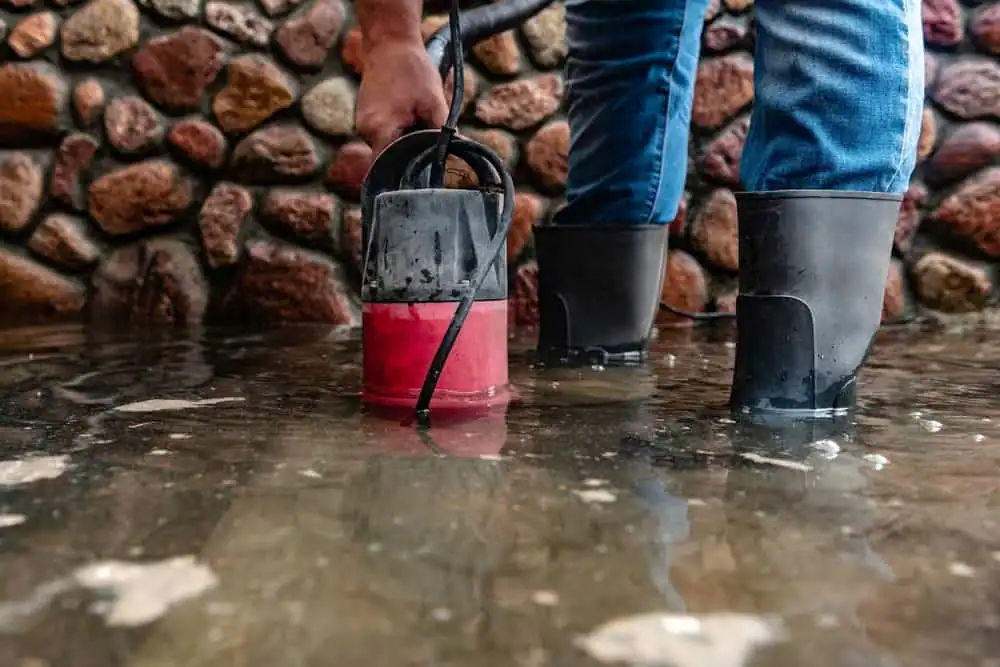
When you call a water damage restoration company, they’ll dispatch a team to your home as quickly as possible—often within an hour for emergency situations. They’ll assess the damage, set up industrial drying equipment, extract standing water, and begin the process of restoring your home to its pre-damage condition. They’ll also communicate directly with your insurance company, document everything properly, and make sure your claim gets processed correctly.
This is especially important for Long Island homeowners because local restoration companies understand the unique challenges your home faces. We know how coastal humidity affects drying times. We know how salt air impacts materials. We know which Nassau and Suffolk County neighborhoods have older plumbing that’s more prone to bursts, and we know how to navigate the insurance claims process with local carriers.
Professional restoration teams also have the equipment and expertise to find hidden water damage that you might miss. Water doesn’t just stay where you see it—it travels through walls, under floors, into insulation, and along structural beams. Moisture meters, thermal imaging cameras, and hygrometers help technicians locate every pocket of water so they can dry it completely. Without this equipment, you’re guessing, and that’s when mold problems develop weeks or months later.
The cost of professional restoration is almost always covered by homeowners insurance when the pipe burst was sudden and accidental, which most are. The restoration company will work directly with your insurance adjuster, provide detailed documentation, and make sure you get the coverage you’re entitled to. We’ll also handle the entire process from start to finish—water extraction, drying, cleaning, sanitizing, repairs, and reconstruction if needed. That means you’re not juggling multiple contractors or trying to figure out what needs to happen next. You make one call, and we take care of everything.
Don’t wait to see if things dry out on their own. Don’t assume a few fans will do the job. And don’t try to patch the pipe yourself with temporary fixes that might fail again in a few weeks. Call a professional restoration company as soon as you’ve taken the immediate emergency steps. The faster we get started, the less damage your home will suffer, and the sooner you’ll be back to normal.
Protect Your Long Island Home from Burst Pipe Damage
A burst pipe is one of the most stressful emergencies a homeowner can face, but knowing what to do makes all the difference. Shut off your main water supply immediately, turn off the electricity in affected areas, drain your pipes, document everything, and call professionals right away. Those steps will minimize the damage, protect your family, and give you the best chance of a full recovery without mold or long-term structural problems.
Time is your biggest enemy after a pipe bursts. Every hour you wait gives water more time to soak into your home’s structure and gives mold more time to take hold. Acting within the first 24 to 48 hours is critical, and professional help is the only way to make sure your home is truly dry and safe.
If you’re dealing with a burst pipe emergency in Nassau or Suffolk County right now, don’t wait another minute. Contact Green Island Group for 24/7 emergency water damage restoration. We understand Long Island homes, respond fast, and have the equipment and experience to handle everything from water extraction to complete restoration.