Summary:
Why Medford Basements Flood: Local Risk Factors You Should Know
Medford sits in a perfect storm of flooding conditions. We’re close enough to the coast to catch storm surge effects, but inland enough to deal with overwhelmed drainage systems when heavy rain hits.
The biggest culprit? Our aging infrastructure mixed with increasingly intense weather patterns. Many homes here were built decades ago with sump systems designed for different rainfall patterns. When you combine that with our high water table and proximity to major storm tracks, basement flooding becomes a real possibility every season.
Your neighborhood’s specific risk depends on several factors we’ll break down next.
Sump Pump Failure During Power Outages and Overwhelm
Sump pump failure hits Medford homes hard, especially during the storms when you need them most. The most common scenario? Power goes out during heavy rain, your pump stops working, and water starts rising fast.
But even when the power stays on, many pumps simply can’t keep up. Most residential sump systems in our area were sized for average rainfall patterns. When we get hit with those intense downpours that dump two inches per hour, even a working pump can fall behind.
Age makes this worse. Pumps that have been running for years start losing efficiency. Float switches get stuck. Discharge pipes freeze in winter. All of these issues compound during the exact moments when your basement needs protection most.
The warning signs are usually there before total failure. Strange noises, frequent cycling, or visible rust around the unit. But most homeowners don’t think to check their sump pump until water starts appearing. By then, you’re already dealing with an emergency instead of preventing one.
Smart homeowners in Medford install backup systems. Battery backups, water-powered pumps, or even generators can keep your system running when the main power fails. It’s an investment that pays for itself the first time it prevents a flooded basement.
Storm Drainage System Overwhelm and Aging Sewer Lines
Medford’s storm drainage infrastructure faces challenges that directly impact your basement. When catch basins get clogged with leaves, debris, and sediment, water has nowhere to go except back toward your foundation.
The problem gets worse during those sudden, intense rainfall events we see more often now. Our drainage systems were designed for steady, moderate rain. When weather patterns dump large amounts of water in short timeframes, even well-maintained storm drains can’t handle the volume.
Aging sewer lines add another layer of risk. Many of the underground pipes in established Medford neighborhoods are decades old. Tree roots work their way into joints and cracks, creating partial blockages that turn into complete failures during heavy flow periods. When the main sewer line backs up, that water often finds its way into the lowest point of your home – your basement.
You’ll often see the first warning signs in floor drains. If water starts backing up through basement floor drains during rain, that’s your sewer system telling you it’s overwhelmed. This isn’t just a minor inconvenience – it’s raw sewage mixing with flood water, creating health hazards that require professional remediation.
Property owners can help by keeping storm drains clear around their homes and scheduling regular sewer line inspections. But when the system fails, you need professional water damage restoration that understands the contamination risks and proper cleanup protocols.
Emergency Response Steps That Save Money and Prevent Damage
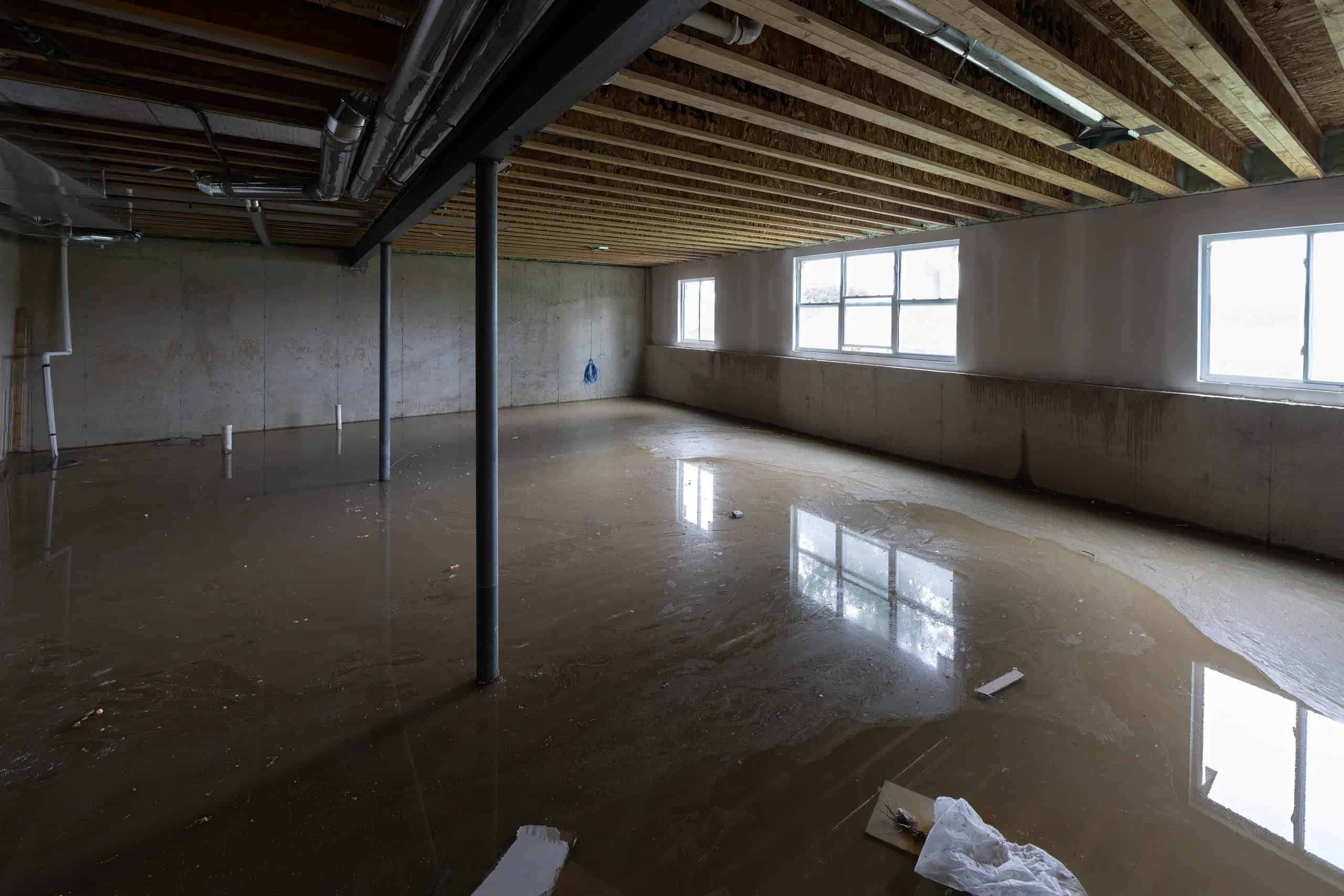
The first hour after discovering basement flooding determines how much damage you’ll face and how much your insurance will cover. Every minute counts when water is actively entering your home.
Your immediate priorities: stop the water source if possible, ensure electrical safety, and start documenting everything. These steps protect both your family and your insurance claim. Insurance companies expect you to take reasonable steps to prevent additional damage, and they’ll use your response time as a factor in claim decisions.
Professional restoration crews can typically arrive within an hour in the Medford area, but what you do before we get there makes a huge difference in the final outcome.
Immediate Safety and Water Source Control
Before you step foot in a flooded basement, shut off electricity to that area at the main breaker panel. Water and electricity create deadly combinations, and basement flooding often affects outlets, fixtures, and appliances you might not immediately see.
Next, identify and stop the water source if you safely can. If it’s a burst pipe, locate your main water shutoff valve and turn it off completely. For sump pump failures, check if it’s simply unplugged or if the circuit breaker tripped. Sometimes the fix is that simple.
Don’t enter standing water that’s more than a few inches deep, especially if you can’t see the bottom clearly. Contaminated water from sewer backups carries serious health risks, and you can’t always tell clean water from contaminated water just by looking.
Call your insurance company immediately, even before calling restoration professionals. Most policies require prompt notification, and some have specific timeframes for reporting claims. Get your claim number and ask about emergency mitigation coverage – many policies will pay for immediate steps to prevent further damage.
If you can safely remove valuable items from the water’s path, do it quickly. But don’t risk your safety trying to save belongings. Professional restoration crews have equipment and training to work safely in contaminated environments.
Document everything with photos and videos, but only if you can do so safely. Take wide shots showing the overall scope of flooding and close-ups of specific damage. This documentation becomes crucial for insurance claims and helps restoration professionals understand what they’re dealing with before they arrive.
Professional Moisture Mapping and Structural Drying Process
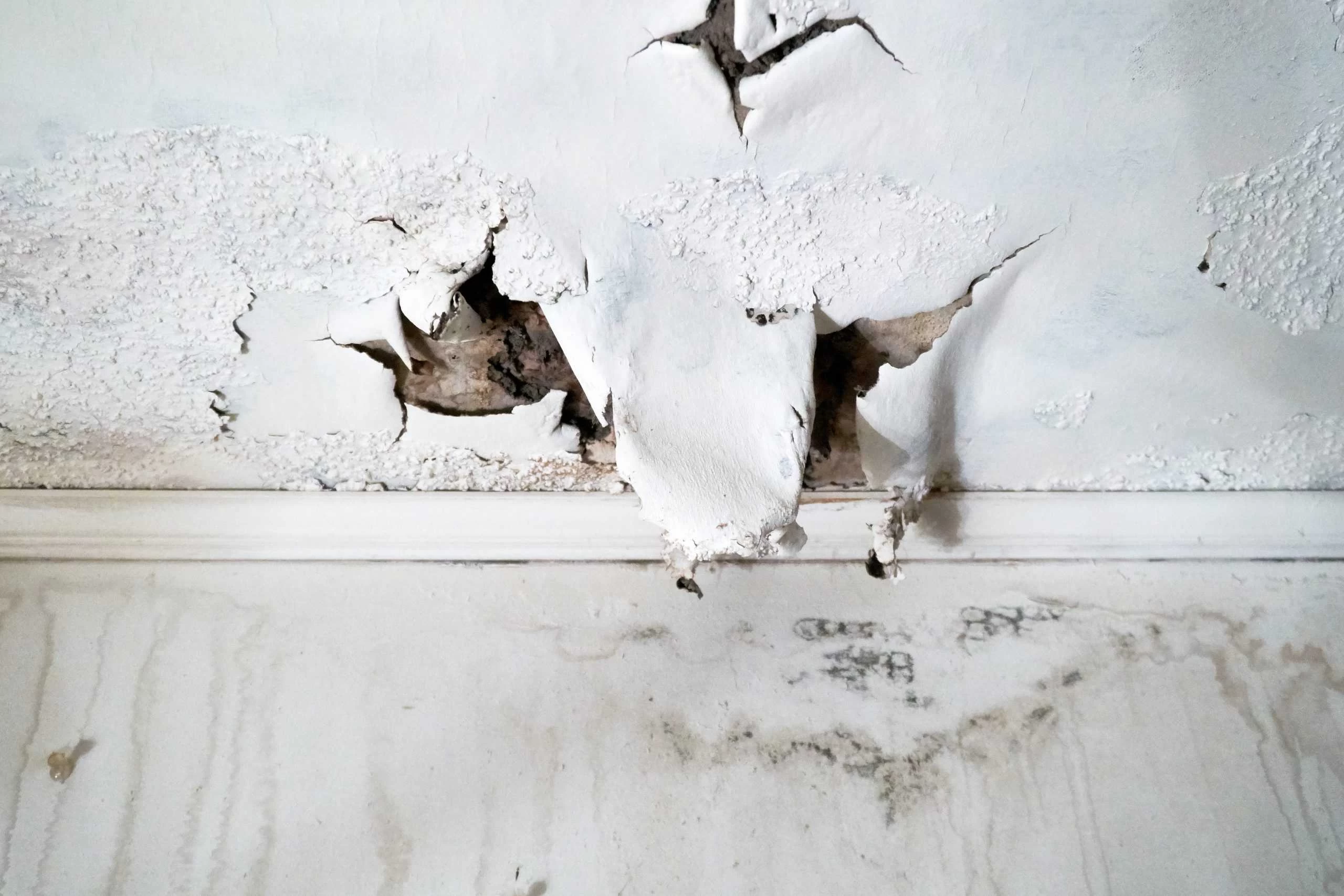
Professional water damage restoration goes far beyond removing standing water. Hidden moisture in walls, floors, and structural components causes the real long-term problems – and it’s invisible to homeowners without specialized equipment.
We use thermal imaging cameras and moisture meters to map exactly where water has traveled throughout your basement structure. Water follows gravity and finds every crack, joint, and porous material. What looks like minor surface flooding often reveals extensive moisture penetration that requires professional drying.
The structural drying process involves industrial-grade dehumidifiers, air movers, and specialized equipment positioned strategically based on moisture readings. This isn’t something you can replicate with a few fans from the hardware store. Professional equipment creates controlled airflow patterns that pull moisture from inside wall cavities and structural materials.
Proper drying typically takes 3-5 days, depending on the extent of water penetration and local humidity conditions. We monitor moisture levels daily and adjust equipment placement as needed. We’re looking for specific moisture content readings that indicate complete drying – not just surface dryness that leaves hidden moisture to cause mold problems later.
This process also includes antimicrobial treatments to prevent mold growth and odor control measures. Basement flooding often involves contaminated water that leaves behind bacteria and other contaminants requiring specialized cleaning protocols.
Insurance companies expect this level of professional intervention for basement flooding claims. They know that inadequate initial drying leads to much more expensive mold remediation and structural repair claims later. Working with certified restoration professionals protects both your property and your insurance coverage.
Working with Insurance and Restoration Professionals in Medford
Basement flooding in Medford requires quick action and professional expertise. The combination of local risk factors – from aging sump pumps to overwhelmed drainage systems – means you can’t afford to wait when water starts rising.
Your insurance coverage depends on prompt notification and proper emergency response. Document everything, work with certified restoration professionals, and understand that proper structural drying takes time and specialized equipment.
When you need emergency water damage restoration in Medford, we understand the local challenges and work directly with insurance companies to streamline your claim process. Don’t let basement flooding turn into a bigger disaster – professional help is available 24/7 to protect your home and your investment.