Summary:
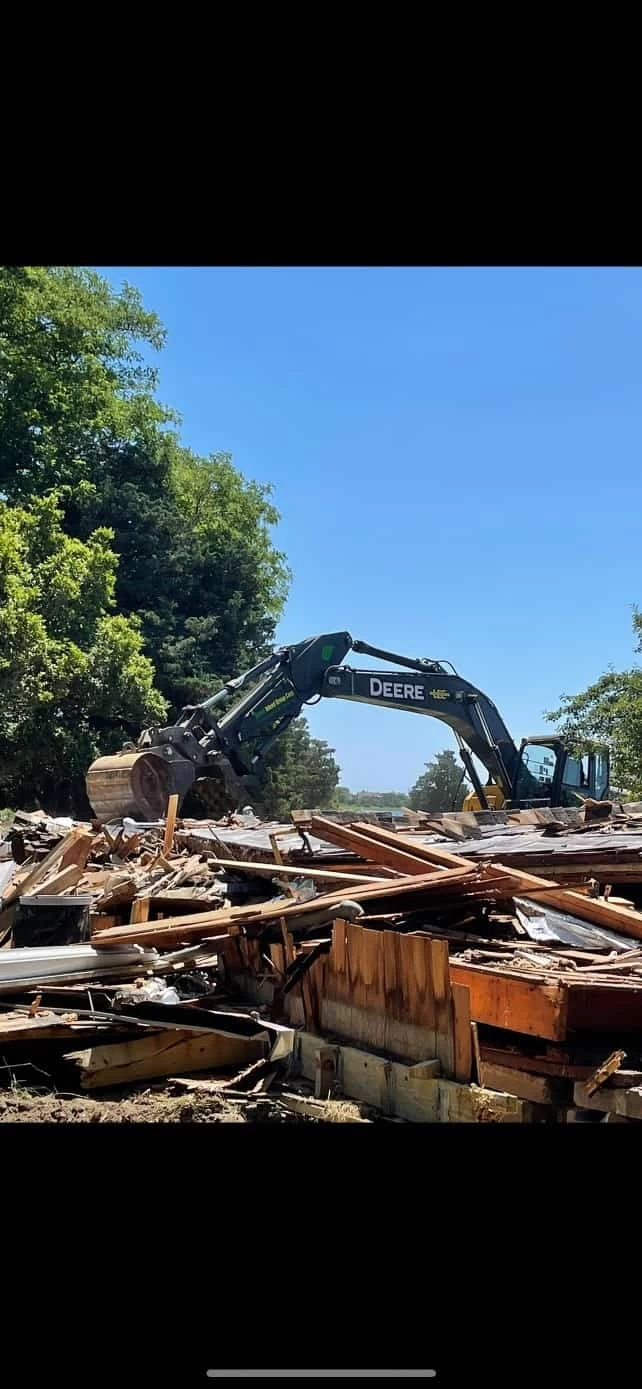
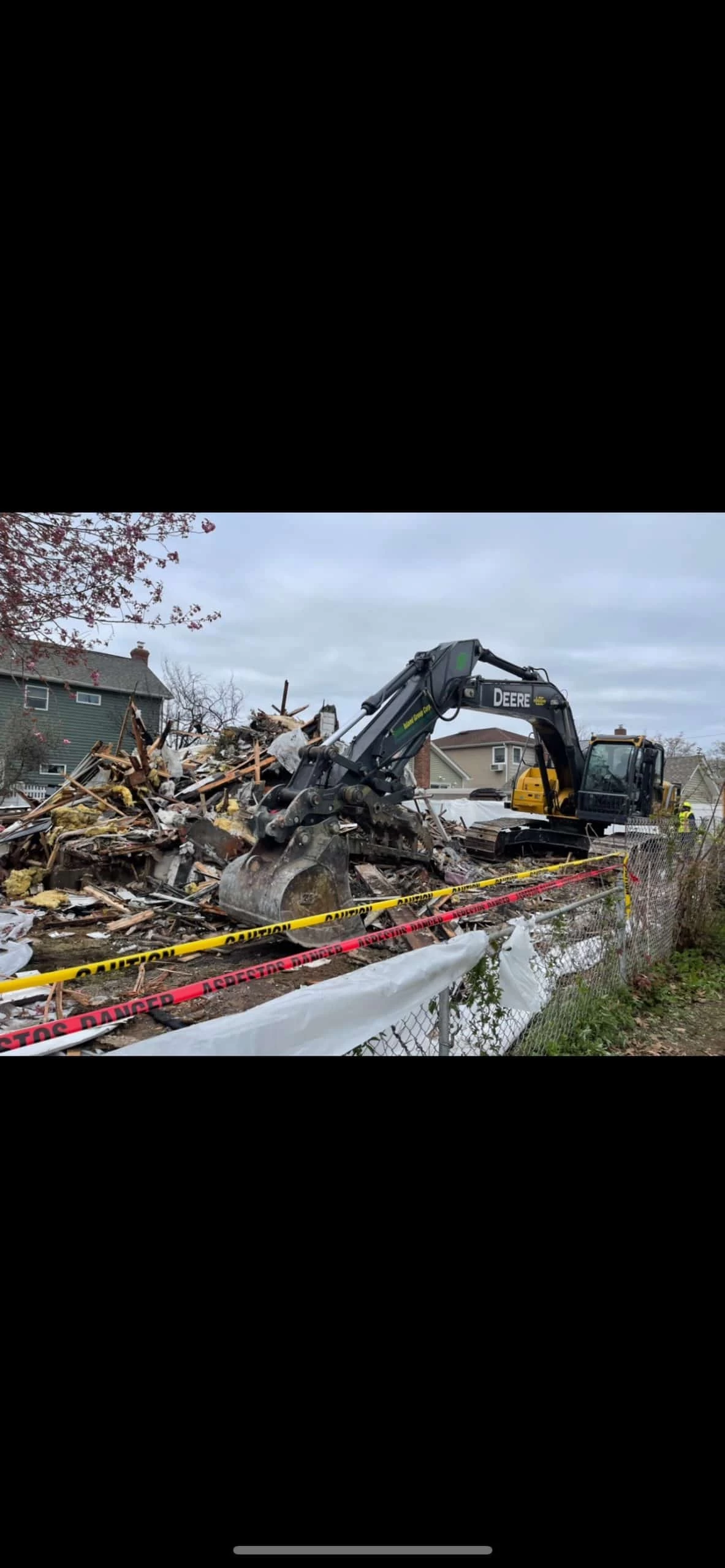
Here’s a scenario that happens more often than it should: a homeowner in Nassau County, NY hires a demolition crew, pulls the permits, sets the start date — and then, a few hours into the job, everything stops. The crew opened a wall, found something that looked wrong, and now nobody can legally touch anything until a licensed asbestos abatement contractor comes out. The project is frozen. The schedule is gone. The budget just got more complicated.
That moment is entirely preventable. But preventing it means knowing where asbestos actually hides before the first wall comes down — and understanding what the law requires before demolition can even begin.
Asbestos in Old Homes: Why Nassau County Is Especially High-Risk
The median Nassau County home was built in 1955. That single number tells you almost everything you need to know about asbestos risk here. The peak era of asbestos use in residential construction ran from the 1930s through the late 1980s, and the post-war suburban boom that built most of Nassau County — the Levittown Cape Cods, the ranch homes in Merrick and Wantagh, the colonials in Great Neck and Garden City — happened right in the middle of it.
Asbestos was used in more than 3,000 different building products throughout the 20th century. It wasn’t just insulation. It was in floor tiles, ceiling tiles, roofing, siding, pipe wrapping, joint compound, window putty, and more. If your home was built before 1980, the question isn’t really whether asbestos is present. It’s where.
The Specific Places Where Asbestos Hides in Older Homes
Most people picture asbestos as the fluffy gray insulation wrapped around old pipes in a basement — and yes, that’s one place it lives. But it shows up in locations that would genuinely surprise you, and those surprises are exactly what cause mid-project shutdowns.
Floor tiles are one of the most common hiding spots, particularly the 9×9 inch vinyl tiles that were standard in homes built from the 1940s through the 1960s. The tile itself may contain asbestos, but so can the black mastic adhesive underneath it. You can pull up the tile and still have an asbestos problem sitting right there on the subfloor.
Attic vermiculite insulation is another one that catches homeowners off guard. Vermiculite looks like small, pebble-like granules, often poured loose between attic joists. A significant portion of the vermiculite sold in the U.S. before 1990 came from a mine in Libby, Montana that was heavily contaminated with asbestos. If your attic has it, it almost certainly needs to be tested before anyone goes up there to work.
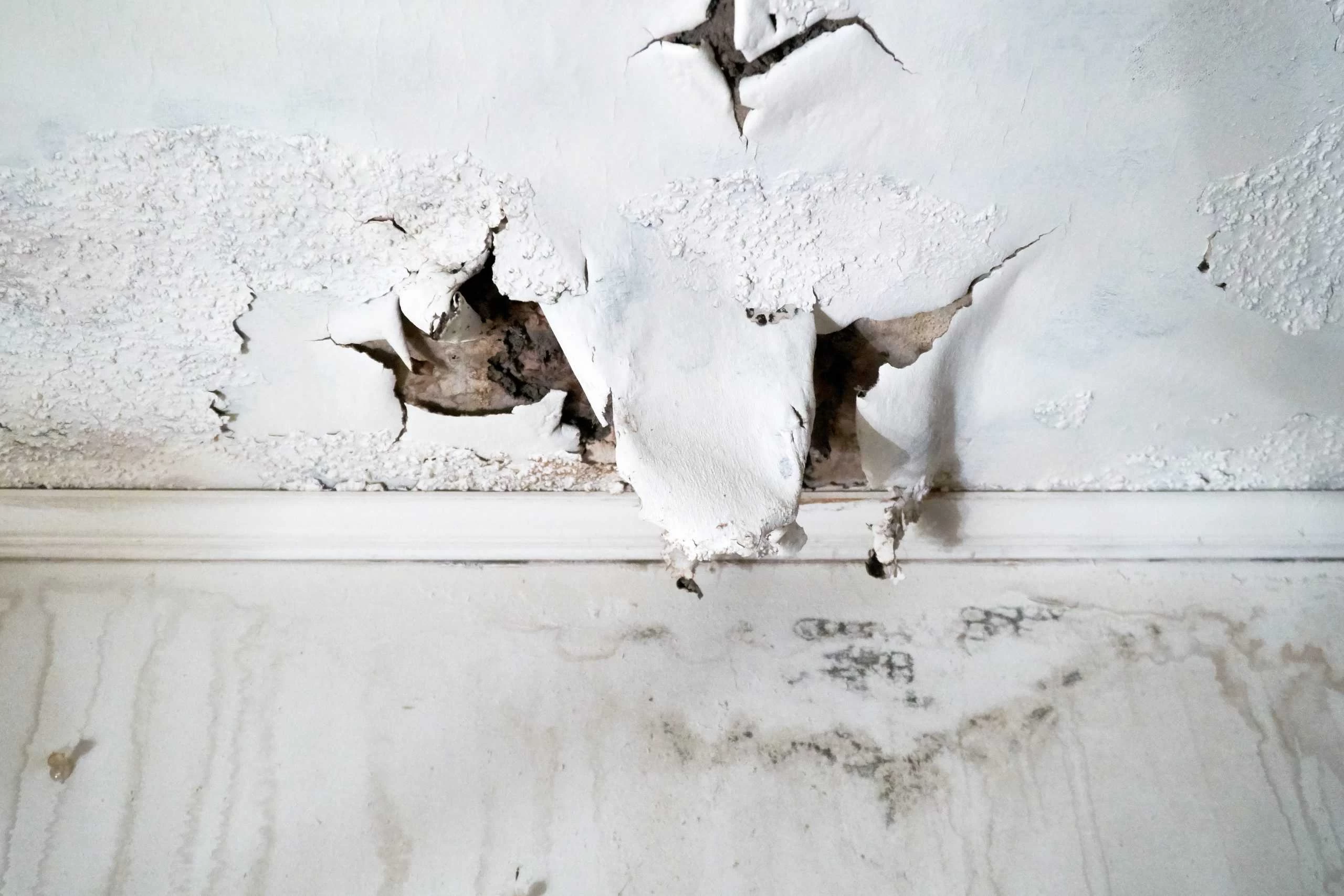
Popcorn ceilings — the textured spray-on finish that was everywhere in mid-century homes — frequently contain asbestos, as does the drywall joint compound used to tape and finish walls. Both of these materials get disturbed the moment a demolition crew starts swinging. The same goes for the pipe insulation on hot water and steam heating systems, which was routinely wrapped in asbestos-containing materials through the 1970s.
Roofing shingles, asbestos cement siding (common in Nassau County’s older bungalows and Cape Cods), window glazing putty, electrical panel backing, and HVAC duct insulation are all additional locations where asbestos was used and where it can be released if disturbed without proper containment. None of these materials look different from their non-asbestos counterparts. There’s no visual test. The only way to know is to sample and test.
This is why a pre-demolition asbestos survey isn’t optional — and not just because it’s the smart move. In New York State, it’s the law.
Asbestos Testing on Long Island: What New York State Requires Before Demolition
New York State Industrial Code Rule 56 (12 NYCRR Part 56) requires that an asbestos survey be completed before any demolition, renovation, or remodeling work begins on a structure. This isn’t a recommendation. It’s a regulatory requirement, and skipping it puts the property owner — not just the contractor — in legal exposure.
Beyond the survey itself, there are two separate notifications that must be filed before work can legally start. The ACP10 notification goes to the NYS Department of Labor before any asbestos abatement work begins. The DEC Form 56-1 must be filed with the NYS Department of Environmental Conservation at least 10 working days before demolition of any structure commences. Both are required. Neither replaces the other. And neither replaces the local demolition permit from Nassau County.
If asbestos-containing materials are found during the survey, a licensed contractor must remove them before any uncertified trades — including your demolition crew — can legally re-enter the work area. That’s the sequence: survey, abatement, clearance, then demolition. When a contractor discovers asbestos mid-project because no survey was done beforehand, the entire sequence has to restart from scratch, with a structure already partially opened and exposed.
The contractor performing the abatement must hold a NYS DOL Asbestos Contractor License specifically. A general contractor license does not authorize asbestos abatement work. This is the credential gap that creates the biggest problems on Long Island — a homeowner hires a general contractor who says they’ll “handle it,” and it turns out they’re not licensed to touch it. The project stops. The property owner is left coordinating between multiple companies who’ve never worked together, on a timeline that’s already blown.
The straightforward solution is to work with a contractor who holds both the abatement license and the demolition credentials — so the survey, the abatement, the notifications, and the teardown are all handled in sequence by the same team.
Industrial Demolition Services in Nassau County: Why Asbestos Comes First
When people search for industrial demolition services in Nassau County, NY, they’re usually focused on the teardown itself — the timeline, the equipment, the permits, the cost. Asbestos is often an afterthought, something they assume the contractor will figure out when the time comes.
But in a county where the average single-family home is 73 years old, asbestos isn’t an edge case. It’s a near-certainty. We treat the abatement question as the first question — not something to deal with after the walls are already open.
What Happens When Asbestos Is Found Mid-Demolition
When a demolition crew encounters suspected asbestos-containing materials mid-project and they don’t have the licensing to address it, work stops. Completely. The area has to be secured, the crew has to vacate, and the property owner has to locate a licensed abatement contractor who can come out, assess the situation, file the required notifications, establish containment, complete the abatement, conduct air monitoring, and provide clearance documentation before anyone else can return.
In a best-case scenario, that process takes days. In a realistic scenario — especially during peak construction season on Long Island — it can take weeks. Meanwhile, the structure is partially open, potentially exposed to weather, and the demolition contractor’s schedule has moved on to the next job.
This is the scenario that costs homeowners the most money, the most time, and the most stress. And it’s the scenario that a pre-demolition survey is specifically designed to prevent. When you know what’s in the structure before the first wall comes down, the abatement can be scheduled, completed, and cleared before the demolition crew ever arrives. The project moves in sequence, not in crisis.
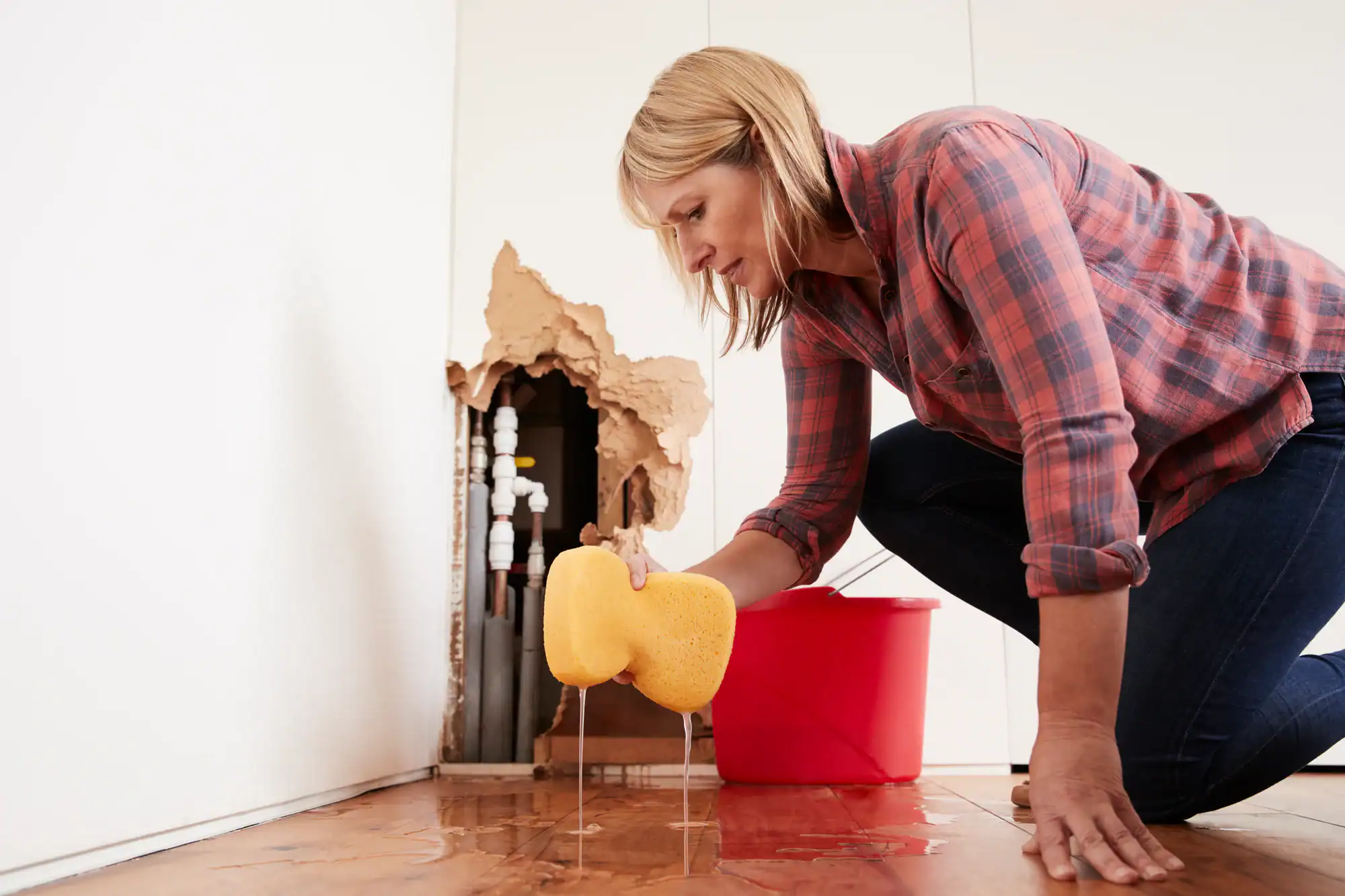
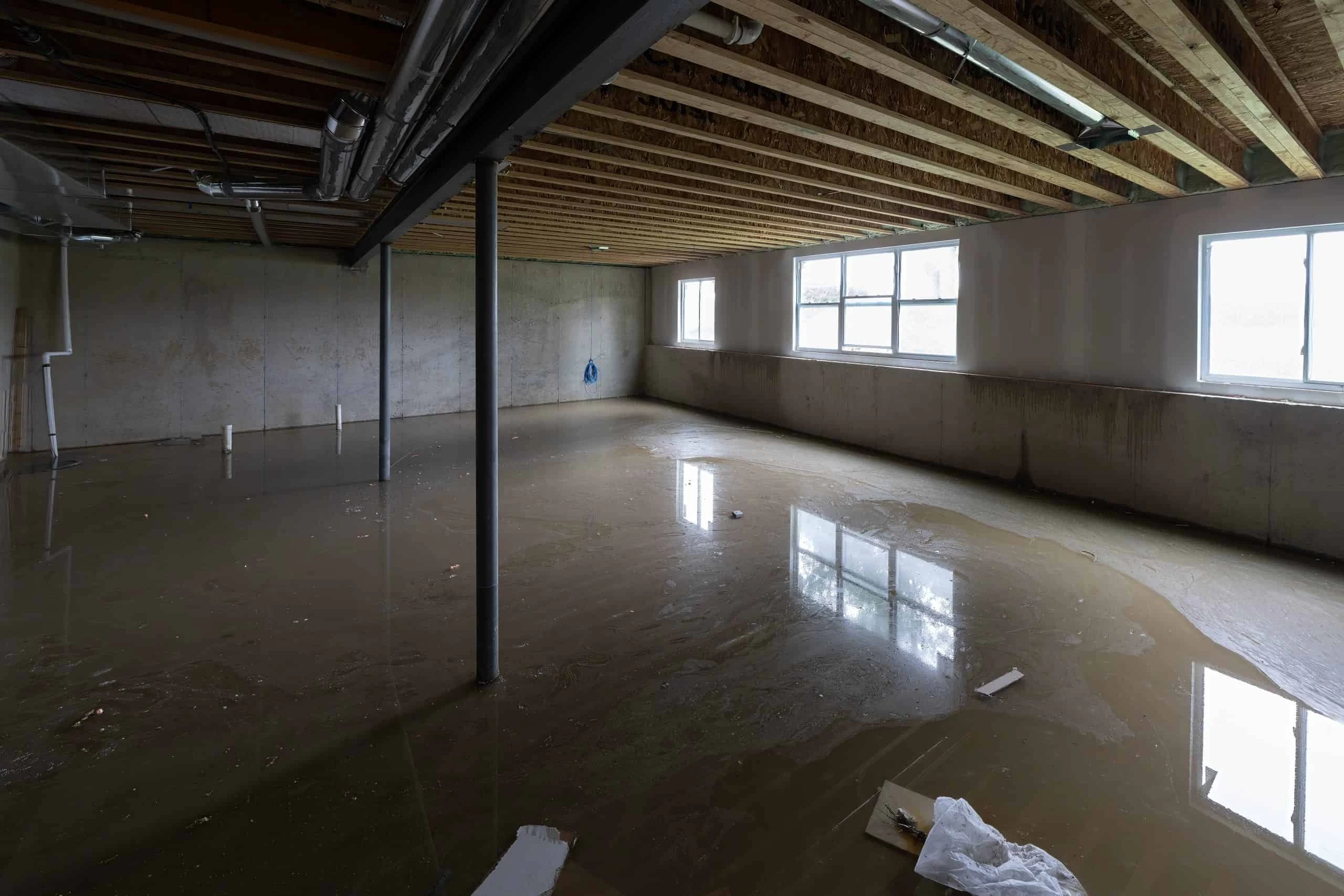
For Nassau County’s South Shore communities — Long Beach, Atlantic Beach, Freeport, Point Lookout — this matters even more. Storm-damaged homes in these areas often need emergency demolition on compressed timelines. When a structure has taken on flood damage or fire damage, the pressure to move fast is real. But the regulatory requirements don’t pause for emergencies. A contractor who can respond quickly and handle abatement and demolition under the same license is the only way to move fast without cutting corners that create liability later.
We handle asbestos abatement and demolition under the same roof — no handoffs between separate companies, no scheduling gaps, no situations where the abatement crew finishes and the demo crew can’t get there for another two weeks. The survey, the abatement, the notifications, and the teardown all run in sequence, managed by one team that’s been doing this in Nassau County for over 12 years.
How to Choose a Demolition Contractor Who Can Actually Handle Asbestos
The most important question you can ask a demolition contractor in Nassau County isn’t about their equipment or their timeline. It’s whether they hold a NYS DOL Asbestos Contractor License. That credential is the legal baseline for anyone performing asbestos abatement in New York State, and it’s verifiable through the NYS Department of Labor.
Beyond the license, you want to know whether they conduct the pre-demolition survey themselves or subcontract it out. You want to know whether they file the ACP10 and DEC Form 56-1 notifications as part of their standard process, or whether they expect you to figure that out. And you want to know whether they have experience working with Nassau County’s local permit offices and inspectors — because Nassau County has its own General Contractor licensing requirement separate from state licensing, and contractors who don’t hold it can’t legally pull Nassau County permits.
We hold the Nassau County General Contractor license, the NYS DOL Asbestos Contractor License, and the EPA Lead RRP Certification — because lead paint and asbestos frequently co-occur in pre-1978 homes, and addressing one without the other leaves a problem behind. We also carry IICRC certification for water and fire damage, which matters for the storm-damage demolition scenarios that come up regularly in Nassau County’s coastal communities.
If you’re dealing with a demolition that’s tied to an insurance claim — storm damage, fire damage, flooding — we handle direct insurance billing and manage the claim paperwork. You don’t have to front the cost and wait for reimbursement. For projects that fall outside insurance coverage, we offer financing up to $200,000 at 0% APR through Enhancify.
Planning a Demolition in Nassau County? Start With the Asbestos Question
The homes that make up Nassau County’s neighborhoods — the Levittown Cape Cods, the Great Neck colonials, the Long Beach bungalows — were built during an era when asbestos was considered a feature, not a hazard. Decades later, those same materials are still in the walls, the floors, the attics, and the ceilings of homes being torn down every week across the county.
Knowing where asbestos hides, what the law requires before demolition begins, and how to sequence the work correctly is what separates a project that finishes on time from one that stops cold in the middle of a teardown. The pre-demolition survey isn’t an extra step — it’s the step that makes every other step possible.
If you’re planning a demolition in Nassau County and want to understand what a proper pre-demolition process looks like, Green Island Group is a good place to start that conversation.
—
**Do I need an asbestos removal permit in New York before demolition?**
Yes. New York State requires an asbestos survey before any demolition begins under Industrial Code Rule 56. If asbestos-containing materials are found, a licensed contractor must file an ACP10 notification with the NYS DOL before abatement work starts, and a DEC Form 56-1 must be filed with the NYS Department of Environmental Conservation at least 10 working days before the demolition itself. Nassau County also has its own General Contractor licensing requirement, so the contractor pulling your local permits needs to hold that credential specifically — not just a state license.
**What happens if asbestos is found during demolition in Nassau County?**
Work stops completely. The area must be secured, and a NYS DOL-licensed asbestos contractor has to come in, establish containment, complete the abatement, conduct air monitoring, and provide clearance documentation before any other trades can legally re-enter. In Nassau County, where most of the housing stock predates 1980, this scenario is common enough that it should be planned for — not discovered mid-project. A pre-demolition survey conducted before the first wall comes down is the only reliable way to prevent it.
**How do I know if my older Nassau County home has asbestos?**
You can’t tell by looking. Asbestos-containing materials are visually identical to non-ACM materials. The only way to confirm presence is to have samples collected and sent to a certified laboratory for analysis. A pre-demolition asbestos survey, conducted by a contractor with an AHERA-certified inspector, is the standard process. Given that the median Nassau County home was built in 1955, the probability of finding asbestos-containing materials in a home scheduled for demolition is high enough that the survey should be treated as a standard first step, not an optional one.
**Can my general contractor handle asbestos removal during a demolition?**
Only if they hold a NYS DOL Asbestos Contractor License specifically. A general contractor license does not authorize asbestos abatement work in New York State. If your demolition contractor doesn’t hold that license, they cannot legally disturb, remove, or dispose of asbestos-containing materials — and if they do anyway, the liability falls on the property owner as well as the contractor.