Summary:
Common Causes of Water Damage in Long Beach Homes
Long Beach faces unique challenges with aging infrastructure and high water tables making basements particularly susceptible to flooding. Your home battles multiple water sources throughout the year.
The barrier island location subjects properties to direct wave attack and flooding during major storms, with historically low beach heights increasing damage potential. But coastal storms are just one piece of the puzzle.
Most water damage actually comes from internal sources you can control.
Storm Runoff and Coastal Surge Flooding
Coastal flooding in Long Beach can reach 2.5 to 3.5 feet above ground level during high tide cycles, resulting in widespread flooding of low-lying property including homes near the waterfront. Storm surge gets worse during high tides and full moons, creating the perfect conditions for massive coastal flooding.
Nassau County crews specifically monitor south shore communities like Long Beach, where flooding can be moderate to heavy with 2-3 feet of water. The challenge isn’t just the initial surge—it’s the standing water that follows.
Recent weather patterns show tropical storm force winds, 2-5 inches of rain, and storm surges of 2-4 feet becoming more common. Your home’s elevation and proximity to water determine your risk level, but even properties outside high-risk zones get hit.
Future projections show increased coastal flooding during both high tides and storms, with some East Coast communities seeing a fourfold increase in annual tidal flooding since 1970. The frequency is increasing, not just the intensity.
Understanding your flood zone helps you prepare. FEMA designated the entire City of Long Beach as a flood zone, with most areas in the high-risk AE zone requiring flood insurance. Check your specific risk level and plan accordingly.
Internal Water Sources: Pipes, Pumps, and Plumbing Failures
Poor drainage systems and clogged gutters lead to water pooling near foundations, while Long Island’s proximity to the Atlantic increases storm surge risks. But your biggest threats often come from inside your home.
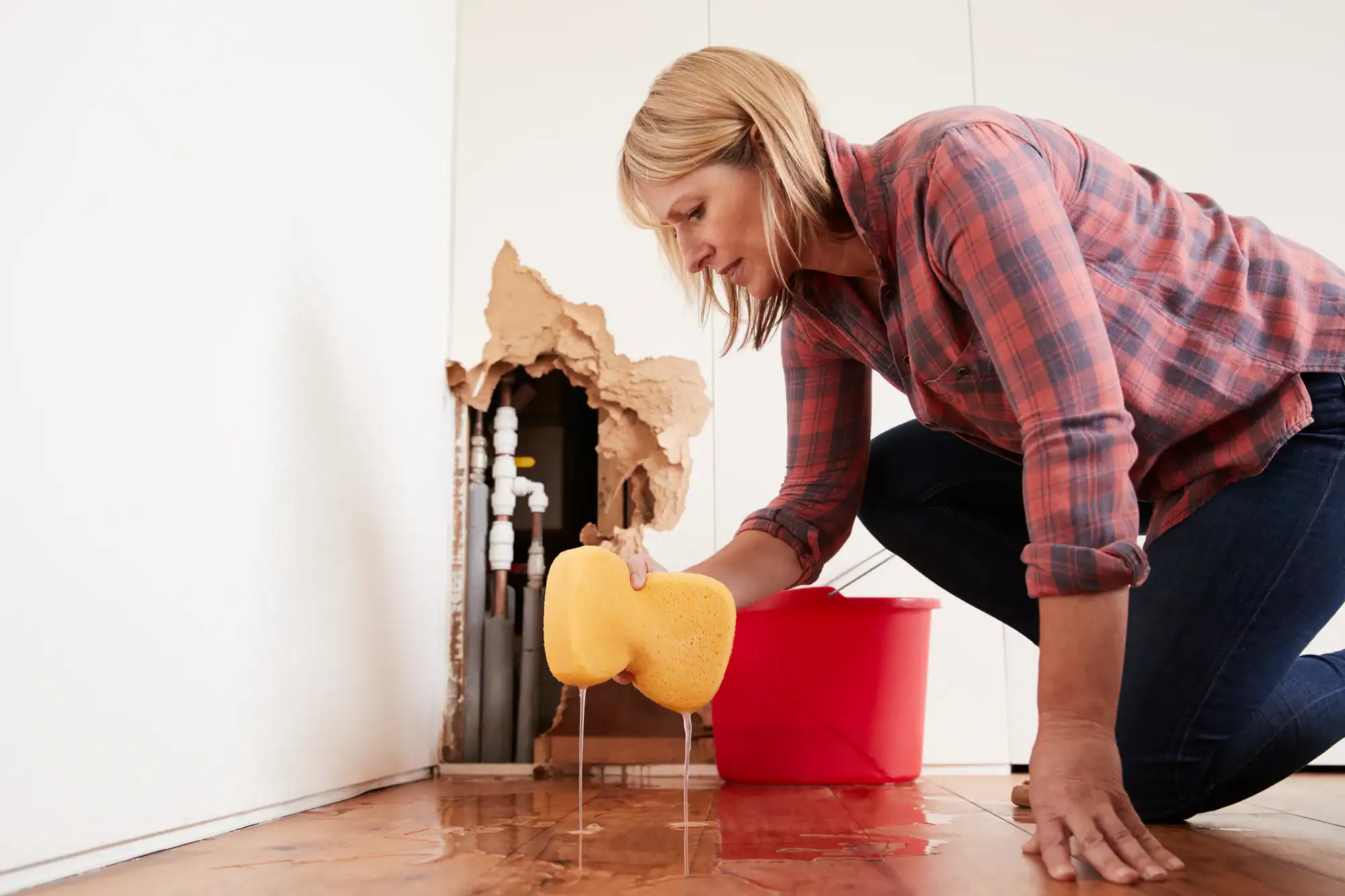
Burst pipes cause immediate, devastating damage. Pipe freezing during winter storms can flood basements quickly, especially when you’re dealing with older Long Island infrastructure. The pipes in many Long Beach homes weren’t designed for today’s weather extremes.
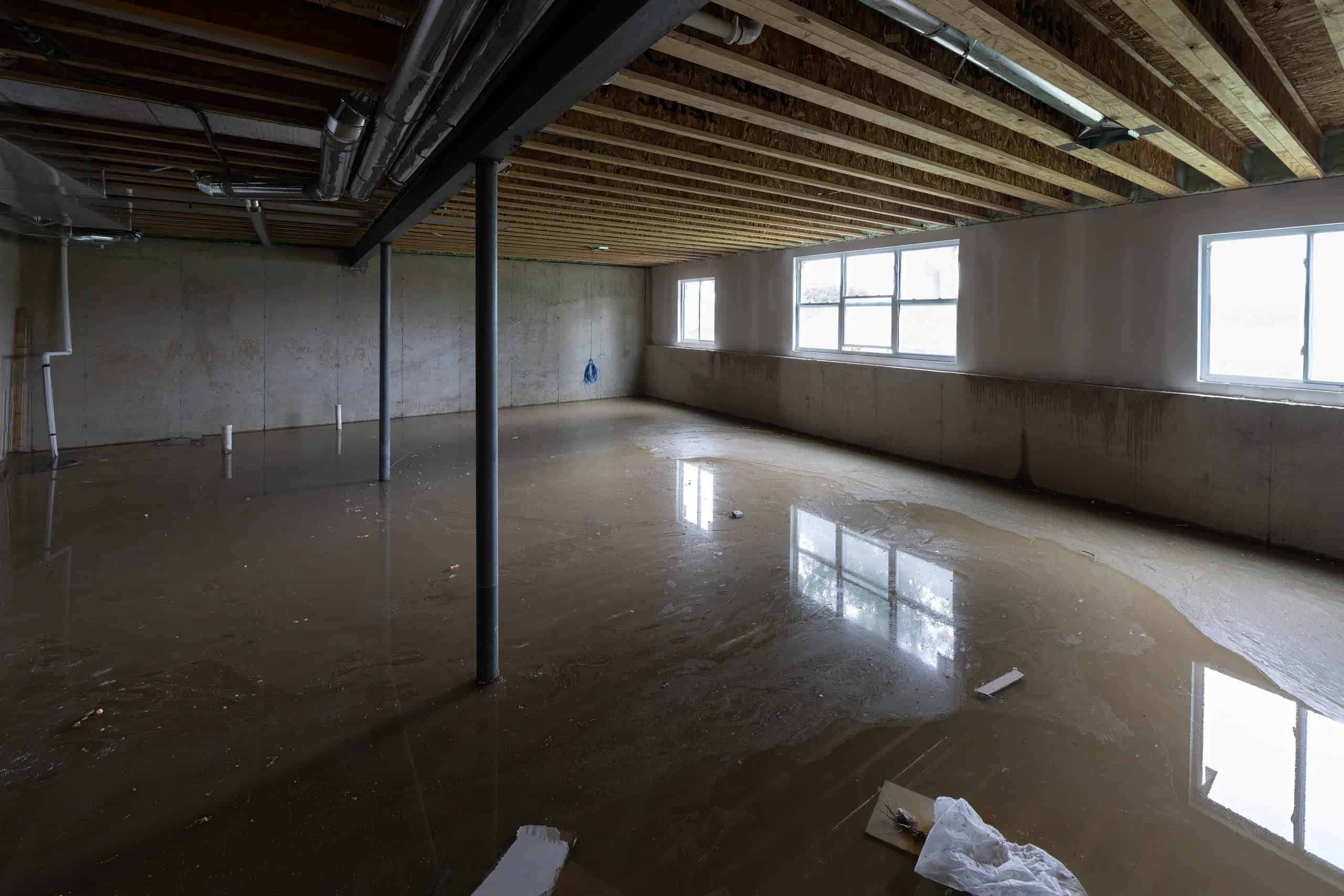
Sump pumps are essential for Long Island homes prone to basement flooding, automatically pumping out water that collects under foundations, but they need regular testing and battery backup for power outages. When your sump pump fails during a storm, you’re looking at rapid basement flooding.
Sewer backups create the worst-case scenario. Black water from sewage is highly hazardous and demands immediate professional intervention. These events happen when municipal systems get overwhelmed during heavy rains—exactly when Long Beach gets hit hardest.
High humidity levels, heavy rainfall, and occasional coastal storms contribute to water infiltration, while improperly maintained drainage systems can worsen water issues by directing water toward your home instead of away. Regular maintenance prevents most internal water damage, but you need to know what to check.
Prevention Strategies That Actually Work
Prevention beats restoration every time. Maintain gutters and downspouts to prevent water pooling around foundations, and install sump pumps—especially important for Long Island homes with basements.
Protect your property by moving valuables to higher levels, decluttering drains and gutters, installing check valves, and considering a sump pump with battery backup. These aren’t suggestions—they’re necessities for Long Beach homeowners.
Smart prevention targets your specific risks and actually prevents damage before it starts.
Essential Home Maintenance Checklist
Clean gutters regularly to prevent basement flooding—blocked gutters are a major cause in coastal areas, and downspouts should extend at least five feet from your home, with metal or plastic extensions especially helpful during Long Island’s frequent coastal storms.
Proper yard grading slopes away from your foundation at minimum six inches over ten feet, with homes in flat or low-lying areas benefiting greatly from proper grading to prevent water pooling. This simple fix prevents thousands in water damage.
Seal gaps around plumbing pipes and cracks in walls with polyurethane caulk or hydraulic cement—if water enters through basement floors, it’s likely a groundwater issue requiring a drainage system. Don’t ignore small leaks; they become big problems fast.
Prioritize flood defense through installation and maintenance of sump pumps, plus regular checks of roofing, gutters, and downspouts to ensure water is directed away from building foundations. Schedule these checks before storm season, not during it.
Ensure proper drainage around your home—Long Island experiences frequent rainstorms that quickly overwhelm poorly managed systems, so clean gutters, direct downspouts away from the house, slope landscaping away from foundations, and consider French drain systems or sump pumps for areas with heavy rainfall or high groundwater.
Advanced Protection Systems
For homes with significant water seepage, installing interior drainage systems with sump pumps effectively redirects water away from foundations—commonly used for basements prone to flooding, especially in areas with high groundwater levels like Merrick, Wantagh, Bellmore, Massapequa, Amityville, and Seaford.
Professional waterproofing systems for basements, crawl spaces, and foundations halt water entry, with services including French drains, sump pumps, basement waterproofing to keep basements dry and secure, and crawl space waterproofing to prevent moisture, mold growth, and structural issues.
Liberty sump pumps offer unbelievable reliability and ability to move large amounts of water quickly, with various pump types available based on flooding extent and water volume, including jet pumps that inject 1 GPM and remove 2 GPM while eliminating need for alternate electric sources during power outages.
Seal foundation cracks, clear gutters, elevate valuables, and install sump pumps or backflow valves—preventative steps can significantly reduce future damage. Professional installation ensures these systems work when you need them most.
While some homeowners attempt DIY waterproofing, severe water problems require professional contractor expertise providing comprehensive assessments and solutions from sump pump installation to waterproof sealants and French drain excavation, ensuring jobs are done correctly to prevent costly mistakes.
Emergency Response and Professional Restoration
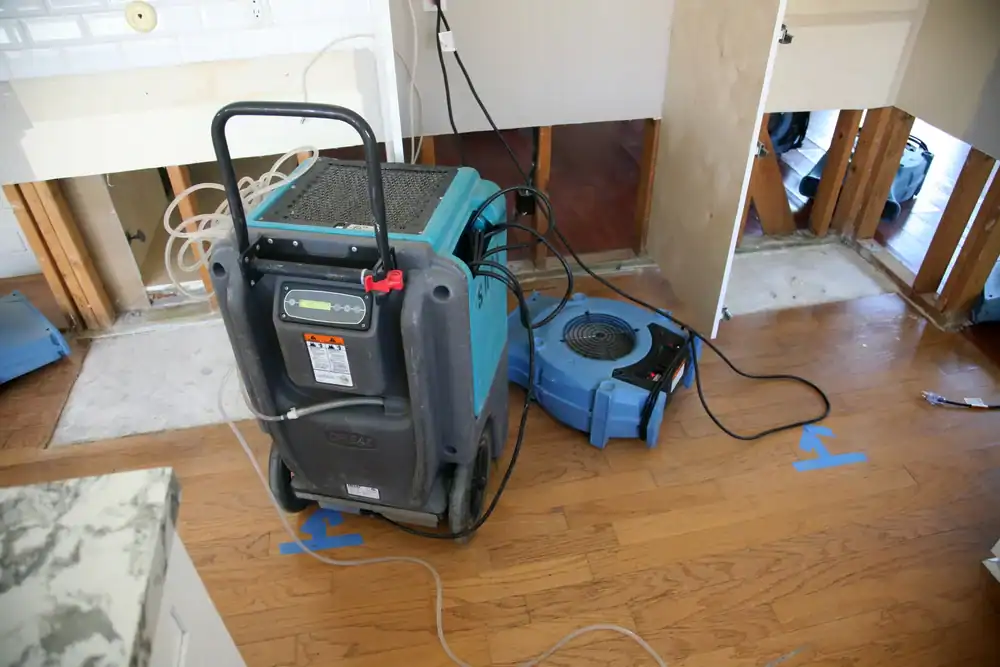
Severe water damage begins occurring within 48 hours, which is why we respond to calls immediately. When storm flooding enters your home, turn off electricity if safe, avoid standing water, document visible damage, and contact IICRC-certified restoration companies immediately for 24-hour emergency flood cleanup, water extraction, and drying to prevent mold and structural damage.
Contact your insurance company immediately to report damage, provide detailed documentation including photos and videos, and keep records of all communications and emergency repair receipts. We understand both the technical requirements and insurance processes, making your recovery faster and more complete.
We provide professional water damage restoration on Long Island, drying, cleaning, and repairing properties quickly and efficiently.