Summary:
What to Do in the First Hour After Storm Damage
Your safety comes first, always. Check for injuries and make sure everyone in your household is safe before you even think about assessing property damage.
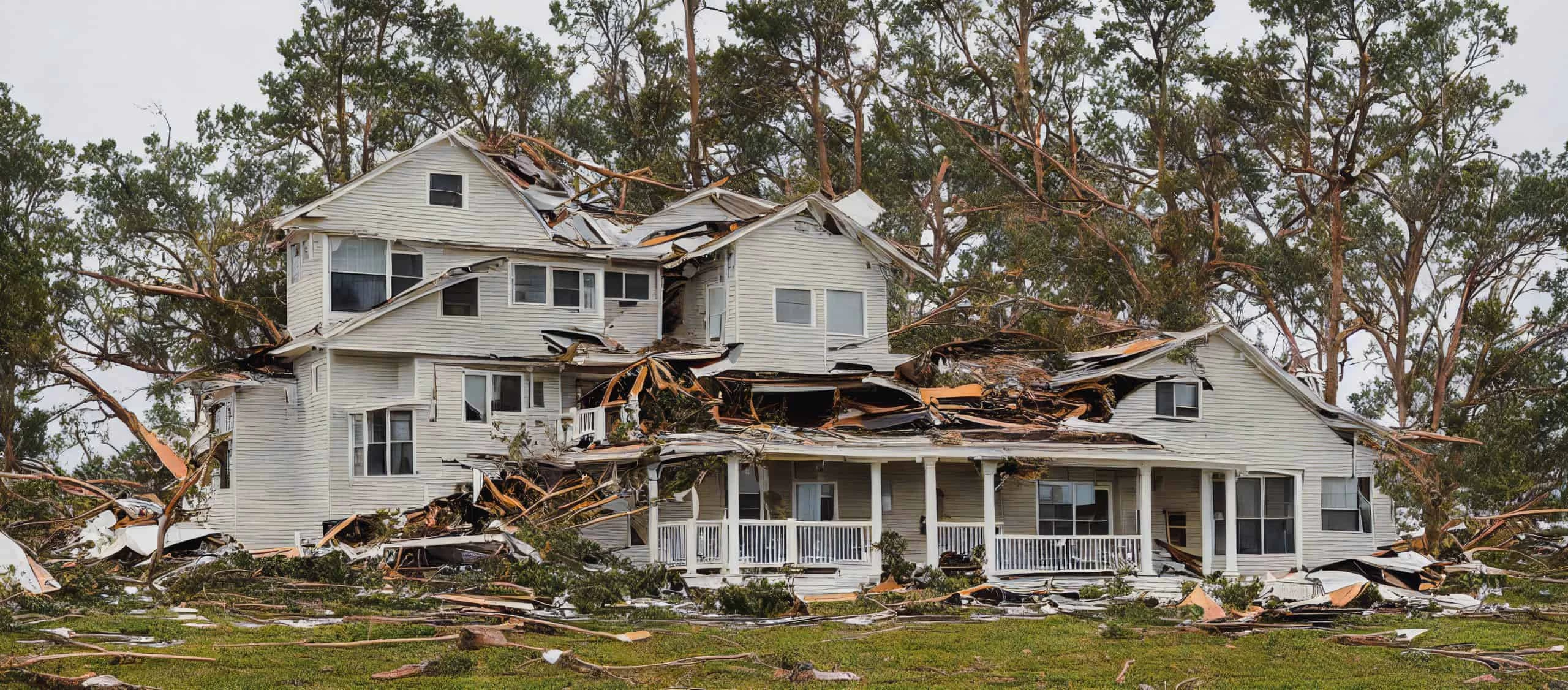
Once you know everyone’s okay, grab your phone and start documenting everything. Take photos and videos of all damage—this documentation becomes crucial for your insurance claim. Don’t wait around thinking about it. Water damage spreads fast, and what looks manageable now can turn into a nightmare within hours.
Cover broken windows or holes in your roof to stop more water from getting in, but don’t make permanent repairs until your insurance company sees the damage. Call your insurance company right away to get the claims process started.
Hidden Storm Damage That Could Cost You Thousands
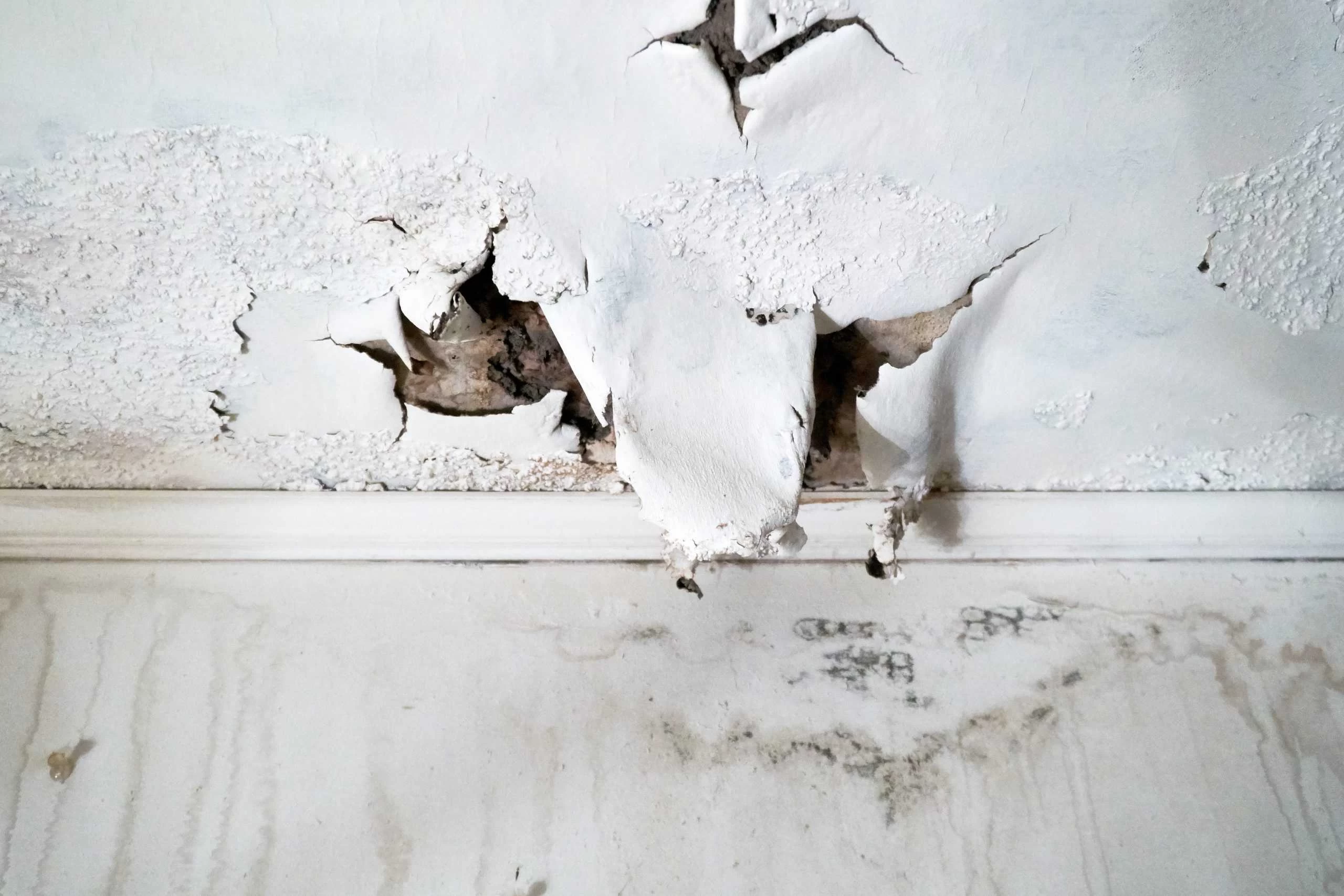
Here’s what most homeowners miss: the damage you can’t see is often worse than what you can see. Look for water stains on ceilings, new cracks in walls, or doors that suddenly stick—these are red flags pointing to serious structural problems.
Your roof might look fine from the ground, but storm damage often shows up later as water stains and musty smells in your attic. By then, you’re looking at mold problems and rotted wood that could have been prevented.
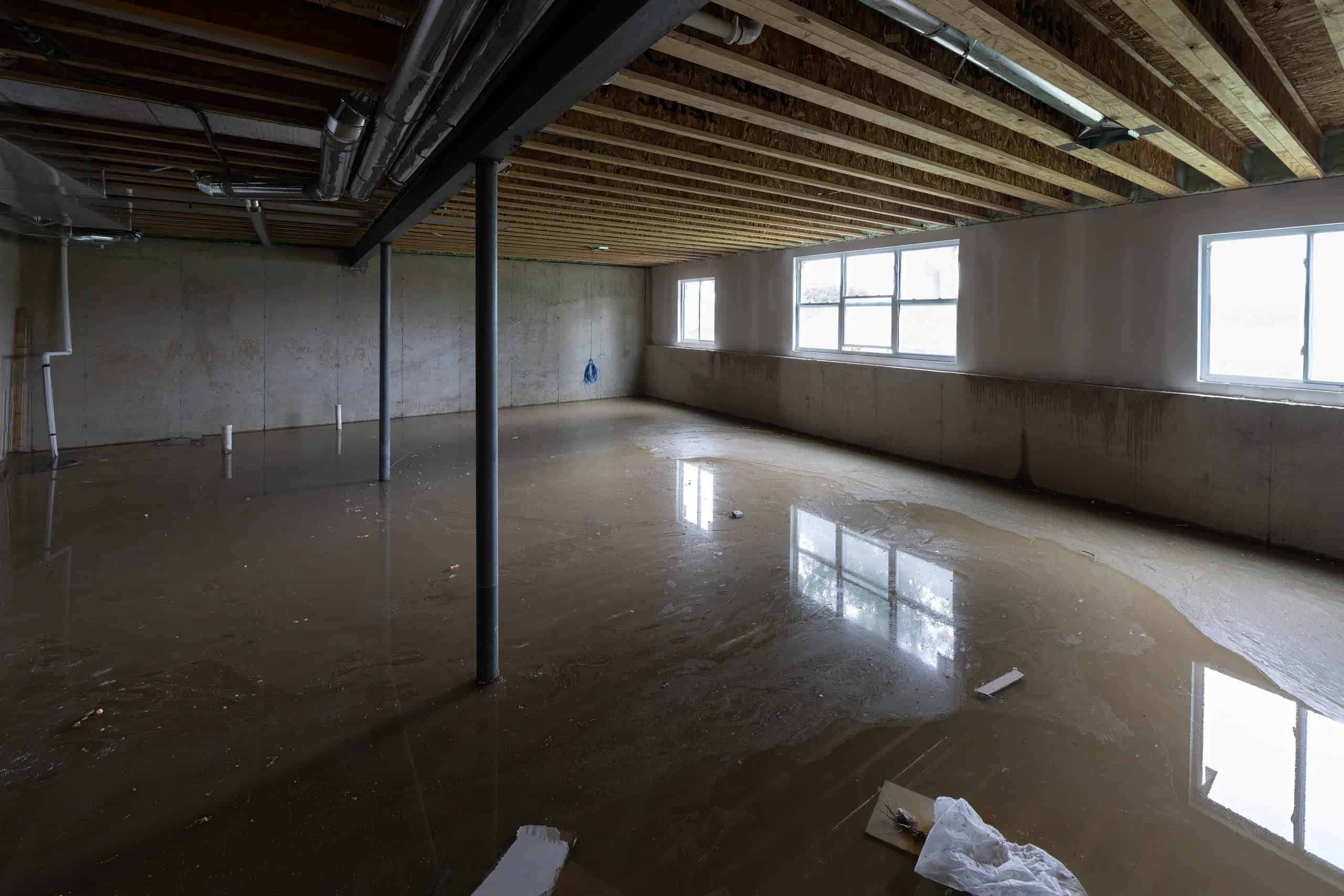
Water is sneaky. It travels through your walls, soaks into insulation, and hides in places you’d never think to check. Within 24 to 48 hours, you’ve got mold growing behind your walls. Your electrical system becomes a safety hazard if water reaches any outlets or wiring.
Foundation problems from flooding or saturated ground don’t announce themselves with dramatic cracks. They start small—maybe a door that doesn’t close quite right or a new gap where the wall meets the floor. Ignore these signs, and you’re setting yourself up for major structural repairs later.
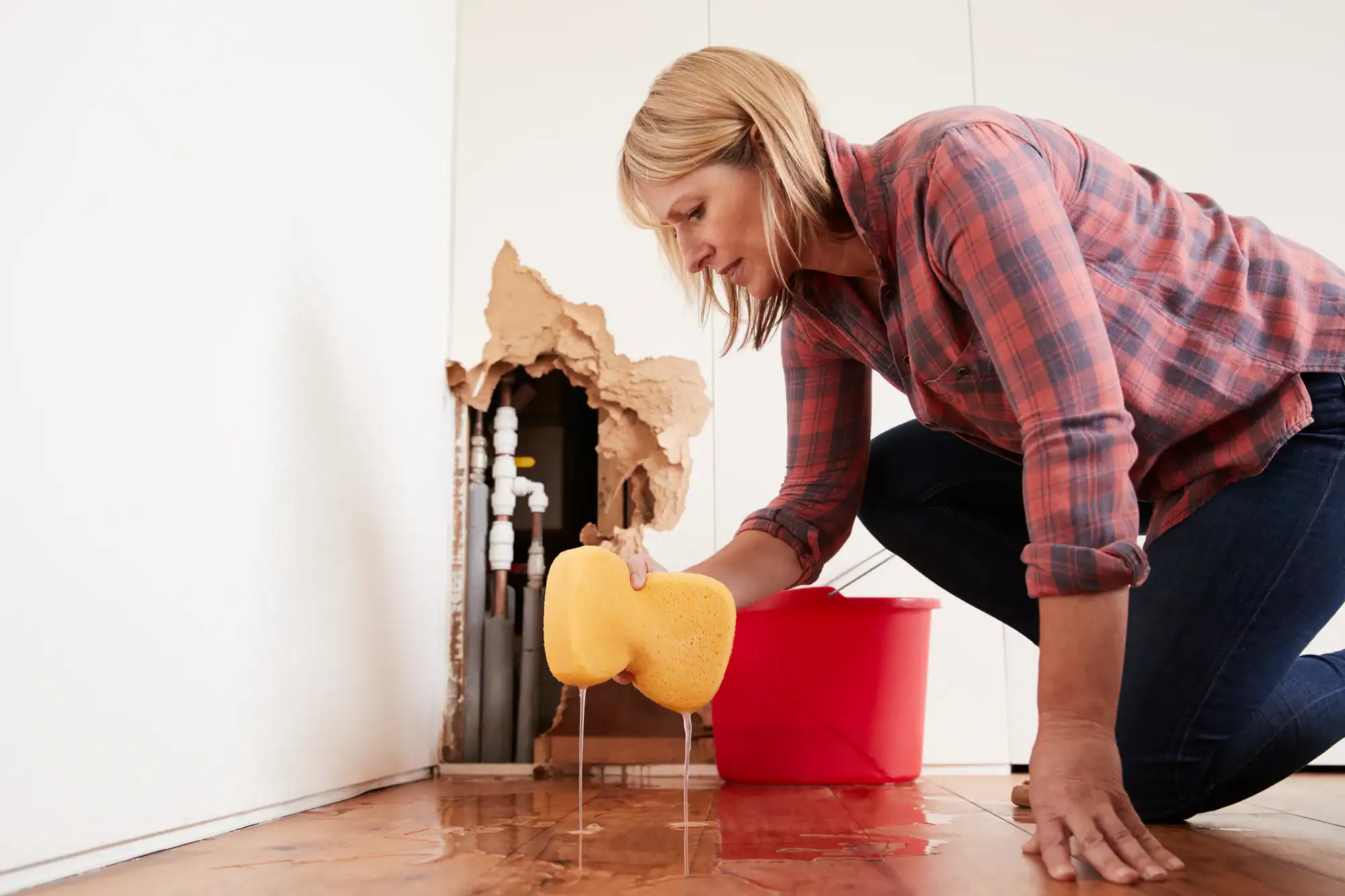
Don’t risk climbing on your damaged roof or trying to patch things yourself—professional teams have the right equipment and know-how to handle these jobs safely. One slip could turn property damage into a medical emergency.
Why Your Insurance Might Not Cover What You Think It Does
This catches almost everyone off guard: your standard homeowners insurance doesn’t cover flood damage—you need separate flood insurance through FEMA’s National Flood Insurance Program for that. Most Long Island homeowners don’t realize this until they’re filing a claim.
Even with flood insurance, some scenarios like groundwater seeping into your basement might not be covered. The insurance world is full of these gotchas that can leave you holding the bag for thousands in repairs.
File your claim fast and have your policy number ready along with all the details about what happened. Those photos and videos you took? They’re your best evidence to support your claim.
Write down everything when you talk to insurance people—names, dates, times, what they said. Insurance companies handle thousands of claims after big storms, and the squeaky wheel gets the grease. Document everything.
If you live in a high-risk area of Long Island, your mortgage company probably requires flood insurance. Check your policy now, not when you need it. If you have to move out temporarily during repairs, save every receipt—many policies cover your additional living expenses.
Working with restoration companies that bill your insurance directly saves you massive headaches. Companies that handle insurance billing take away all that paperwork stress and red tape. You’ve got enough to worry about.
How Professional Storm Damage Restoration Actually Works
Professional storm damage restoration isn’t just about cleaning up—it’s about preventing your current problem from becoming a bigger, more expensive problem. The process starts with emergency response to stop additional damage and secure your property.
Real restoration companies respond 24/7, showing up no matter what time disaster strikes. Speed matters because every hour you wait, water damage gets worse and more costly to fix.
The assessment comes next. Trained technicians use specialized equipment to find hidden moisture and structural damage that you’d never spot. This thorough evaluation guides everything that happens next and helps insurance adjusters understand what they’re really dealing with.
Emergency Response That Stops Damage in Its Tracks
Our emergency teams arrive at your property within an hour, with crews standing by around the clock. This isn’t just good customer service—it’s the difference between restoration and replacement.
Water extraction happens first. Industrial-grade pumps and extraction equipment remove standing water in minutes, not hours. Your shop vacuum from the garage isn’t going to cut it. Every hour that water sits in your home increases the chances you’ll need to replace flooring, drywall, and everything else it touches.
Then comes structural drying. Industrial dehumidifiers and air movers create the exact conditions needed to dry your home without causing additional damage. The combination of fast response, professional equipment, and experienced knowledge makes all the difference in your final outcome.
Emergency board-up protects what’s left of your property. We secure your property against weather, theft, and further damage with proper board-up services. This isn’t about slapping some plywood over a hole—it’s about creating a weatherproof barrier that lasts.
Debris removal clears out everything that’s damaged beyond repair. We know how to handle potentially hazardous materials safely. We respond immediately to fuel spills and other contamination created by floodwaters, handling cleanup properly to protect public health and the environment.
You don’t want to mess around with contaminated materials or improper disposal. Leave that to professionals who have the right equipment, training, and licenses.
Rebuilding Your Property Stronger Than Before
Once emergency work is complete—board-up, water extraction, debris removal—our restoration teams focus on rebuilding your property to pre-loss condition or better. This reconstruction phase requires skilled craftsmen who understand both building codes and what insurance companies expect.
Our professional restoration means fast turnaround using proven techniques and premium materials that last. Quality work during reconstruction prevents future problems and protects your property value.
We use high-quality materials like heavy-duty roofing felt and hurricane straps to make your home stronger against future storms—the goal isn’t just fixing damage, it’s upgrading your protection.
Weather-ready solutions include impact-resistant shingles and reinforced siding specifically designed for Long Island’s harsh weather patterns. These aren’t just repairs—they’re improvements that help you weather the next storm better.
We handle all the insurance paperwork and coordinate with adjusters, taking that burden off your shoulders while protecting your investment and maintaining your home’s value.
Our content restoration saves your belongings. Climate-controlled storage facilities protect your furniture, documents, and personal items while your home gets rebuilt. Professional cleaning can often restore items you thought were total losses.
Final inspection ensures everything meets professional standards and local building codes. Our quality control systems and satisfaction guarantees give you confidence that the work was done right.
Finding a Storm Damage Restoration Company You Can Trust
Extreme weather events are becoming the new normal for Long Island, making your choice of restoration partner more critical than ever. Look for companies with proven track records, proper licensing, and comprehensive insurance coverage—not just whoever answers the phone first.
Experience matters when your home is on the line—companies with thousands of completed projects have seen every type of problem and know how to handle them. You want professionals who’ve “seen it all” and can handle whatever unique situation your property presents.
When storm damage hits your Nassau or Suffolk County property, contact Green Island Group for immediate professional assessment and restoration services. Our focus is helping homeowners get back to safe, secure homes while saving time and money in the process.