Summary:
After a fire, the instinct is to start cleaning. You open windows, grab paper towels, maybe a bottle of all-purpose cleaner — and within an hour you’ve smeared soot into the drywall, pushed residue deeper into the carpet, and made a $2,000 problem into a $10,000 one.
It happens constantly. And it’s not because homeowners are careless — it’s because smoke damage doesn’t behave the way it looks. The visible soot is only part of what you’re dealing with. The rest is invisible, airborne, acidic, and in some Nassau County homes, potentially toxic in ways that go well beyond the fire itself. Here’s what you actually need to know.
What Smoke Damage Actually Does to a Home
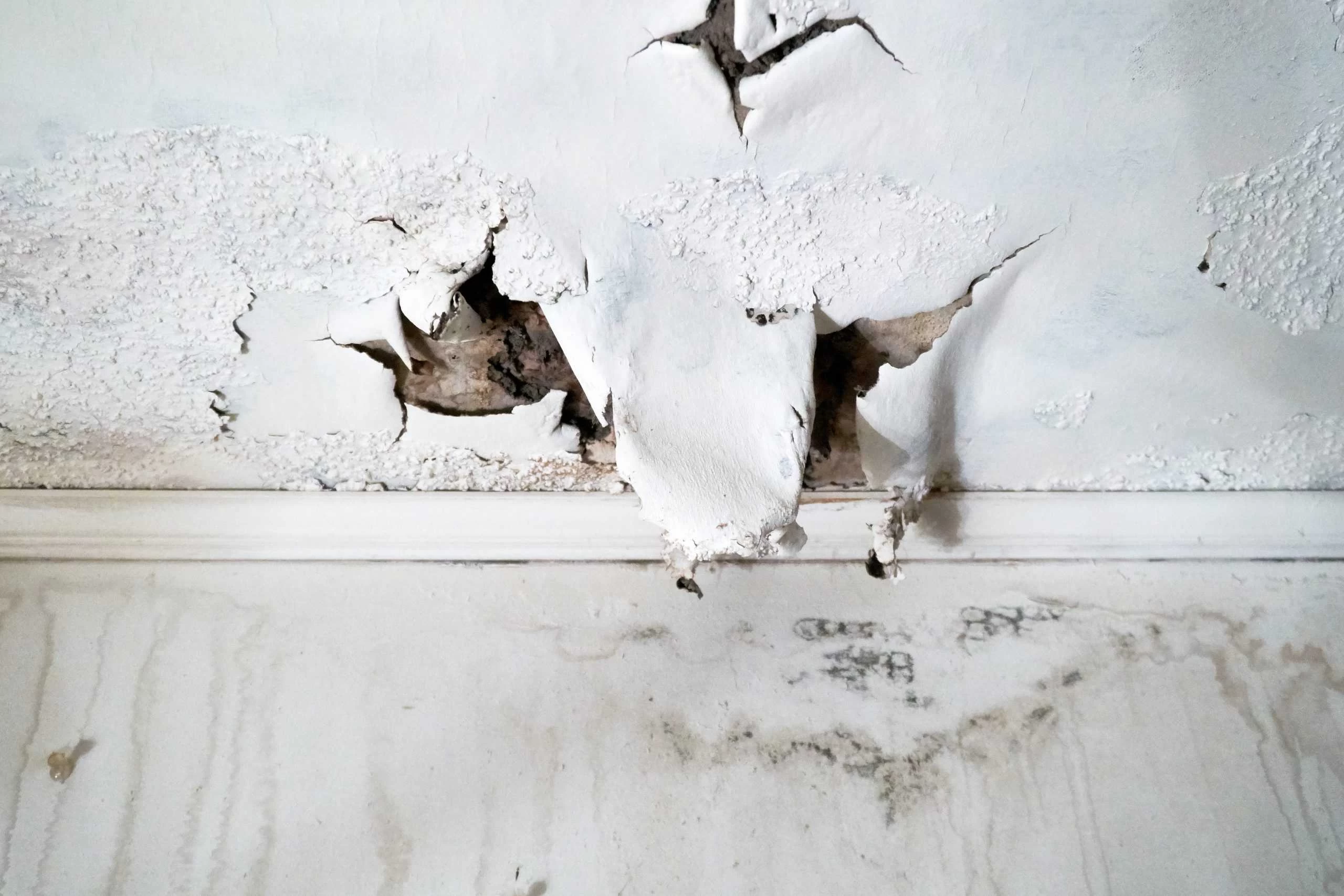
Smoke doesn’t stay where the fire was. It travels through HVAC ducts, seeps under doors, and deposits fine particles across every room in the house — including ones that never saw a flame. Those particles are acidic. Soot begins etching glass within minutes of contact and can permanently tarnish metal within hours. Porous surfaces like drywall, wood trim, and upholstery absorb smoke residue quickly, and once it sets, it’s nearly impossible to remove without professional-grade chemistry and equipment.
The smell compounds this. Smoke odor molecules bond at a molecular level to surfaces throughout the home. Ventilation helps temporarily, but it doesn’t remove anything — it just moves air around. If the smell seems to fade and then return, that’s why.
Why DIY Smoke Cleaning Makes the Damage Worse
The most common DIY mistake is applying moisture to dry soot. It seems logical — soot is dirty, water cleans things — but it causes soot to smear and drives it deeper into whatever surface you’re cleaning. What was removable with a dry chemical sponge becomes a permanent stain the moment you add a wet cloth or household cleaner.
The second problem is residue chemistry. Not all smoke is the same. A cooking fire leaves a nearly invisible, protein-based residue that smells intensely and requires completely different treatment than the thick, wet soot from burning synthetics like foam or plastic. Using the wrong cleaning agent on the wrong residue type can chemically set the stain, making professional removal significantly harder — or impossible.
Then there’s the equipment gap. Standard household vacuums exhaust fine particles back into the air. Soot particles can measure less than 2.5 microns — small enough to pass through most filters and lodge deep in your lungs. HEPA-rated vacuums are the minimum standard for safe soot removal, and even those are just the starting point. We use air scrubbers, ozone generators, thermal foggers, and hydroxyl generators to address contamination at a level no consumer equipment can reach.
The health risks are real and immediate. Soot contains carcinogens, heavy metals, and combustion byproducts that cause respiratory damage with repeated exposure. Particles can remain airborne for more than a week after a fire. Spending hours in that environment without proper respiratory protection — attempting to clean surfaces that keep releasing particles back into the air — puts you and your family at genuine risk. This is especially true for children, elderly residents, and anyone with asthma or existing respiratory conditions.
The Insurance Problem Nobody Warns You About
Here’s something most homeowners don’t find out until it’s too late: if you attempt DIY smoke damage cleaning and make the damage worse, your insurance company may refuse to pay for professional remediation. This isn’t a technicality buried in the fine print — it’s a legitimate claims outcome that happens when adjusters determine that improper cleaning spread contamination, set stains, or increased the scope of damage beyond what the original fire caused.
Most standard homeowners’ policies in New York do cover smoke and fire damage. But coverage is contingent on the homeowner taking reasonable protective action promptly — and on the damage being in the condition it was left in by the fire, not in a condition made worse by subsequent cleaning attempts. If you’ve already started cleaning and something went wrong, document everything, stop, and call a professional before doing anything else.
There’s also the documentation issue. Insurance adjusters need a clear picture of the original damage to assess your claim accurately. We know how to document scope, photograph damage systematically, and communicate with adjusters in the language they use. That matters when you’re trying to maximize a claim on a Nassau County home where the median property value sits around $684,700. The financial stakes of getting this wrong are not small.
Working with us means we handle insurance coordination directly — communicating with your carrier, managing paperwork, and advocating for full coverage — which removes a significant burden from a situation that’s already overwhelming. It’s one of the most consistent things customers mention when they reflect on what made the difference during their recovery.
What Professional Fire Clean Up Actually Involves
Professional fire clean up is not an intensive version of what you’d do yourself. It’s a different process entirely, built around residue identification, proper chemical sequencing, and verified outcomes — not just surfaces that look clean.
The work starts with a full assessment of what type of fire occurred, what materials burned, and how far smoke traveled through the structure. That assessment determines everything: which cleaning agents we use, in what order, and on which surfaces. Dry cleaning always precedes wet cleaning. HVAC systems get inspected and cleaned because smoke deposits throughout ductwork regardless of where the fire started.
How Smoke Damage Restoration Works From Start to Finish
Once the assessment is complete, the process moves through containment, removal, and deodorization in a specific sequence. Our technicians use HEPA vacuums to remove loose soot before any wet cleaning begins — applying moisture too early is how smearing happens. Chemical sponges and dry cleaning compounds address residue on walls, ceilings, and structural surfaces. Then wet cleaning agents formulated for the specific residue type are applied, followed by deodorization treatments that penetrate porous surfaces rather than masking odors at the surface level.
Thermal fogging and hydroxyl generation are the professional-grade answers to smoke odor. These aren’t air fresheners — they neutralize odor molecules at a chemical level, reaching into wall cavities, insulation, and fabrics that surface cleaning can’t touch. The difference between a home that smells clean and one that still carries a faint smoke odor six months later usually comes down to whether this step was done properly.
Post-restoration verification matters too. The IICRC’s S700 standard — the national benchmark for fire and smoke restoration published in 2025 — requires documented verification of satisfactory completion, not just a visual once-over. Technicians certified to FSRT (Fire and Smoke Restoration Technician) standards are trained in this entire sequence, including how to identify when a job is genuinely finished versus when it only looks that way.
For Nassau County homes, there’s an additional layer that most restoration companies aren’t equipped to handle. A significant portion of the county’s housing stock was built before 1980 — communities like Levittown, Hempstead, and Rockville Centre include homes constructed in the 1940s, 50s, and 60s. Fire damage in these homes frequently disturbs asbestos-containing materials: pipe insulation, floor tiles, ceiling texture, and roofing components. Standard restoration companies cannot legally or safely address this. We carry asbestos abatement certification and can handle it in-house, which means you’re not left managing a second contractor or waiting for an abatement company to clear the site before restoration can continue.
Why Nassau County Homes Face Compounding Damage Risks
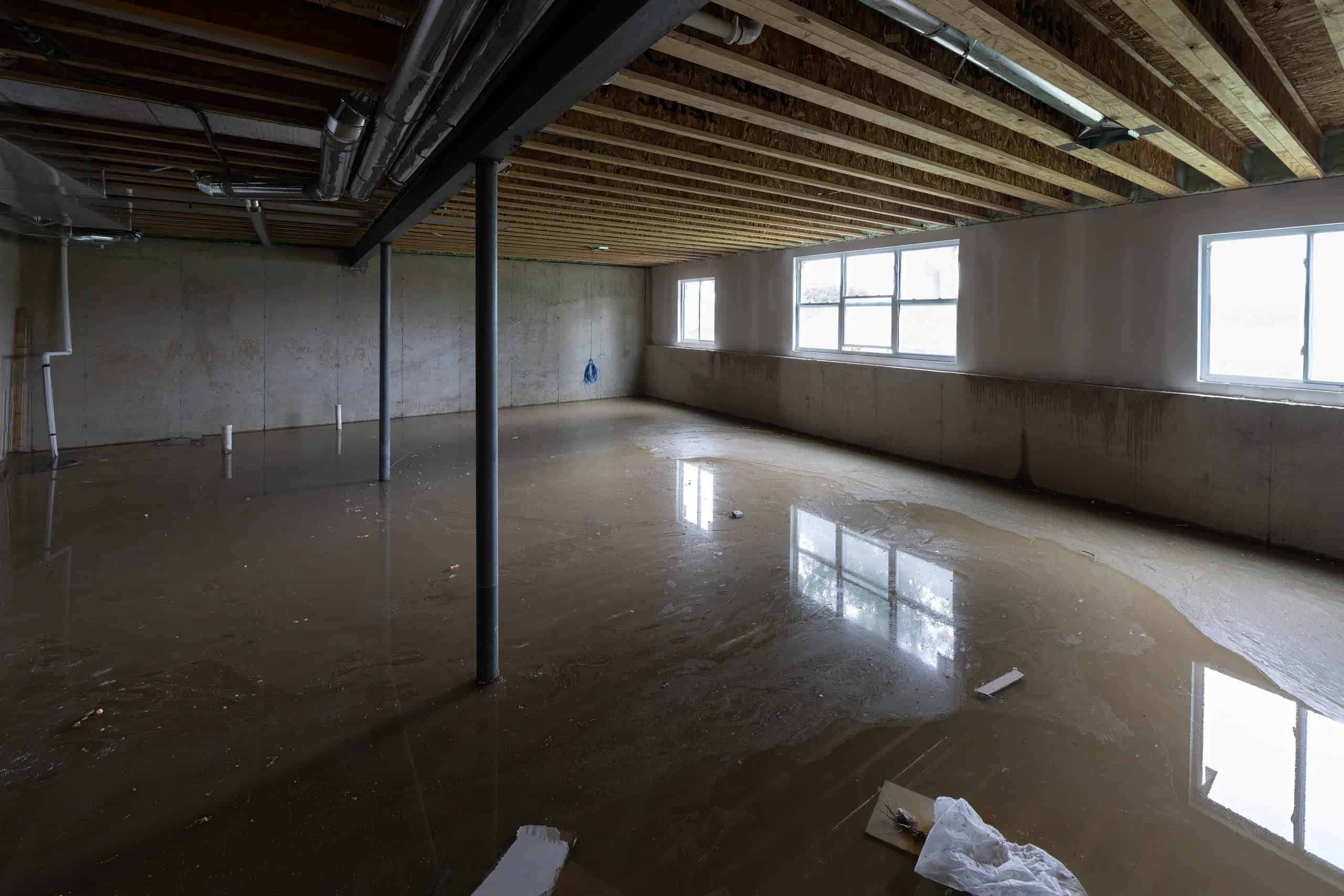
Smoke damage rarely arrives alone. Firefighting efforts leave significant water behind — suppression water can add $2,000 to $6,000 or more to a restoration job, and that water needs to be extracted and dried quickly. Nassau County’s coastal geography, sitting between the Atlantic Ocean and Long Island Sound, means ambient humidity is consistently higher than inland markets. That humidity accelerates mold growth dramatically. In the right conditions, mold can begin developing within 24 to 48 hours of water exposure — which means a fire that happens on a Monday can have a mold problem by Wednesday if the water isn’t addressed.
This is why treating smoke damage as an isolated cleaning problem misses most of what’s actually happening in the structure. A fire event typically creates simultaneous smoke damage, soot contamination, water damage, and — if not handled quickly — mold risk. Managing those separately, with different contractors arriving on different schedules, extends the timeline, increases the total cost, and creates gaps in accountability when something gets missed.
Handling all of it under one roof changes the recovery experience significantly. When the same team is responsible for smoke removal, water extraction, structural drying, and mold prevention, there’s no hand-off delay and no finger-pointing if something surfaces later. For homeowners in Massapequa, South Hempstead, or anywhere else in Nassau County dealing with the aftermath of a fire, that continuity matters — especially when the clock on mold growth is already running.
We also offer financing up to $200,000 at 0% APR, which addresses a real problem in the insurance timeline. Claims take time to process. Damage doesn’t wait. Being able to start restoration immediately — before a check arrives — prevents the secondary damage that turns a manageable job into a major reconstruction.
When to Call a Professional Smoke Damage Cleaning Company in Nassau County
The short answer is: before you touch anything. Even a small kitchen fire that seems contained can push soot through your HVAC system into every room in the house. The longer you wait — and the more you attempt on your own — the more permanent the damage becomes and the more complicated your insurance claim gets.
Professional smoke damage cleaning isn’t a luxury upgrade over DIY. It’s a different category of work, done by people with specific training, proper equipment, and the chemical knowledge to match the treatment to the residue. In Nassau County, where homes are older, property values are high, and coastal humidity creates real mold risk, getting this right the first time isn’t optional.
If you’ve had a fire and you’re not sure what to do next, we’ve been handling fire and smoke restoration on Long Island for over 12 years. We’re available 24/7, we work directly with insurance carriers, and we handle everything from smoke and soot to water damage, mold, and asbestos abatement — so you’re not managing multiple contractors during one of the most stressful situations you’ll face as a homeowner.