Summary:
Most people don’t go looking for mold. They notice a smell they can’t place, or someone in the house starts coughing more than usual, or they spot something dark spreading along a bathroom wall. By the time mold becomes obvious, it’s often been growing for a while.
That’s the part most homeowners don’t realize — mold doesn’t announce itself. It grows behind drywall, under floors, inside HVAC systems, and in crawl spaces where no one ever looks. If you live in Nassau County, the conditions for exactly this kind of hidden growth are present in a lot of homes. Here’s what you actually need to know.
What a Professional Mold Inspection Actually Involves
A mold inspection isn’t just someone walking through your house with a flashlight. A thorough inspection starts with a conversation about your home’s history — any past water events, leaks, flooding, or areas where you’ve noticed moisture or odor. That context shapes where we look and what we’re looking for.
From there, the physical assessment uses moisture meters and thermal imaging cameras to detect elevated moisture levels inside walls, ceilings, and floors — areas where mold can grow without any visible surface signs. If conditions warrant it, air samples are collected and sent to a certified laboratory to identify what species are present and at what concentrations. The result is a written report you can actually use — for insurance purposes, real estate negotiations, or planning a remediation.
Why Thermal Imaging and Air Sampling Change What Gets Found
Visual inspection alone misses a lot. Mold that’s actively growing inside a wall cavity or beneath a subfloor looks perfectly normal from the surface. That’s where thermal imaging becomes genuinely useful — it detects temperature differentials caused by moisture, flagging areas that warrant closer attention even when there’s nothing visible to see.
Air quality sampling adds another layer. Indoor air samples are compared against an outdoor control sample taken the same day. When indoor spore counts are significantly elevated relative to outdoor levels, that’s a reliable indicator of active mold growth somewhere in the building — even if no one can see it yet. The laboratory identifies which species are present, which matters because different molds carry different health implications.
This combination of tools is what separates a real inspection from a quick visual walk-through. In Nassau County’s older housing stock — the Cape Cods and ranch homes built throughout Levittown, Hicksville, and Massapequa in the 1950s and 60s — moisture problems frequently hide inside walls and beneath floors that look completely intact from the outside. These homes were built before modern moisture management standards existed, and their basements, crawl spaces, and attic ventilation designs reflect that. A purely visual inspection of a 1958 Cape Cod in Baldwin or a split-level in Merrick can miss the exact conditions that matter most.
Post-remediation clearance testing is also part of a complete process. After mold is removed, a follow-up inspection confirms that spore levels have returned to acceptable ranges. This isn’t optional paperwork — it’s documentation that protects you, and it’s often required by insurance carriers and real estate attorneys.
One thing worth knowing: in New York State, the licensed mold assessor who writes your inspection report must be a separate entity from the contractor who performs the remediation. This is required under NYS Article 32, which has governed mold licensing in New York since 2016. It exists specifically to prevent the conflict of interest that comes from having the same company inspect your home and then sell you a cleanup job. When you’re evaluating any mold company in Nassau County, asking whether they hold an active NYSDOL mold license is the right starting point.
Black Mold in the Shower: Health Risks and What They Actually Mean
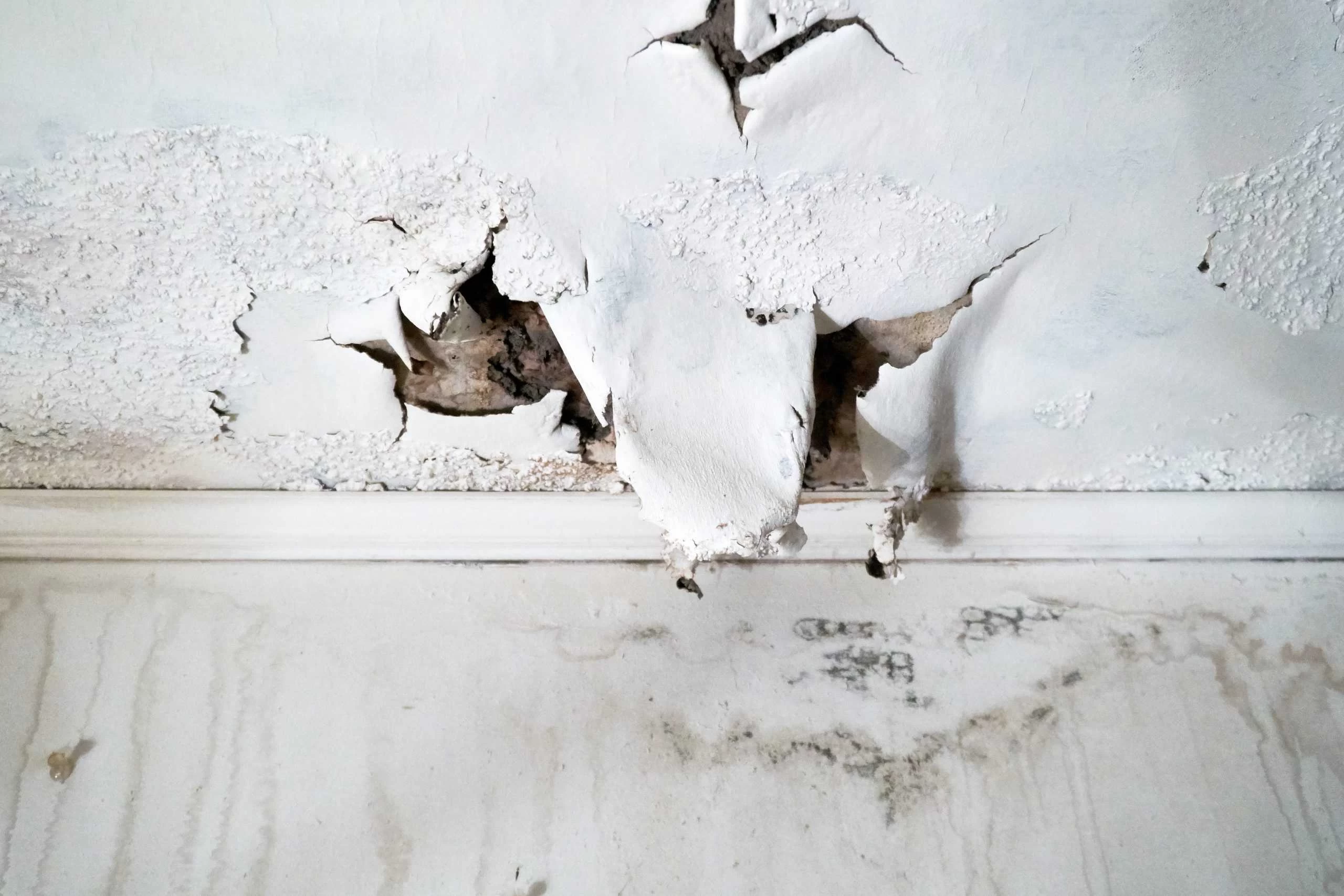
The black discoloration that shows up along shower grout or around a tub caulk line is one of the most common things people ask about. The instinct is usually to scrub it with bleach and move on. Sometimes that’s sufficient. Often, it isn’t.
Bleach kills surface mold on non-porous materials, but grout, drywall, and wood are porous. Bleach doesn’t penetrate them. It removes the visible surface growth while leaving the root structure — the hyphae — intact inside the material. Within a few weeks, the same growth returns. More importantly, visible shower mold is sometimes a symptom of a larger moisture problem behind the wall, not just a surface issue caused by inadequate ventilation.
The health risks associated with black mold in shower environments are real and documented. The CDC and the 2004 Institute of Medicine report both found sufficient evidence linking indoor mold exposure to upper respiratory symptoms, cough, and wheeze in otherwise healthy people — and more significant effects in people with asthma, allergies, or compromised immune systems. Children, elderly residents, and pregnant women are particularly vulnerable. If someone in your household has been dealing with persistent congestion, headaches, or breathing issues that seem to improve when they’re away from home, the indoor environment is worth investigating.
The color of mold tells you almost nothing reliable about its danger level. “Black mold” has become shorthand for Stachybotrys chartarum, which does produce mycotoxins and is a legitimate health concern. But plenty of mold species that appear green, gray, or white carry significant health risks too. The only way to know what you’re dealing with is laboratory analysis of a properly collected sample — not a visual assessment of the color.
Aspergillus Mold in the Home: What Nassau County Residents Should Know
Aspergillus is one of the most common mold genera found in indoor environments, and it’s one that often gets overlooked in conversations that focus entirely on black mold. There are hundreds of Aspergillus species, and several of them — particularly Aspergillus niger and Aspergillus fumigatus — are associated with serious respiratory conditions when exposure is sustained.
In Nassau County homes, Aspergillus is frequently found in basements, crawl spaces, and around HVAC systems where moisture accumulates. It tends to appear in conditions that are damp but not necessarily flooded — the kind of slow, chronic moisture that builds up in a basement that gets humid every summer, or around a window that doesn’t seal quite right.
How Aspergillus Affects Your Health and Why It's Easy to Miss
Aspergillus exposure can cause a range of health effects depending on the species involved and the health status of the person exposed. In otherwise healthy adults, symptoms often look like persistent allergies — nasal congestion, coughing, irritated eyes, and fatigue that doesn’t resolve the way a normal cold would. In people with asthma, it can trigger or worsen attacks. In immunocompromised individuals, some Aspergillus species can cause invasive infections that are genuinely serious.
The reason Aspergillus is easy to miss is that it doesn’t always look dramatic. It doesn’t spread in the visible, alarming way that Stachybotrys does. It often appears as a fine, powdery growth in low-traffic areas — behind stored items in a basement, inside a wall cavity near a slow pipe leak, or in the ductwork of an HVAC system that hasn’t been inspected in years. By the time someone connects their symptoms to their home environment, the exposure has typically been going on for months.
Industry standards define dangerous levels of Aspergillus and Penicillium (a closely related genus often found alongside it) at above 1,000 colony-forming units per cubic meter of air. That threshold sounds technical, but the practical point is simple: without air sampling and laboratory analysis, there’s no way to know whether your home’s levels are within a safe range. A musty smell in a Nassau County basement that gets humid every July isn’t something to ignore and revisit next spring. Aspergillus thrives in exactly those conditions — moderate, persistent moisture in a poorly ventilated space.
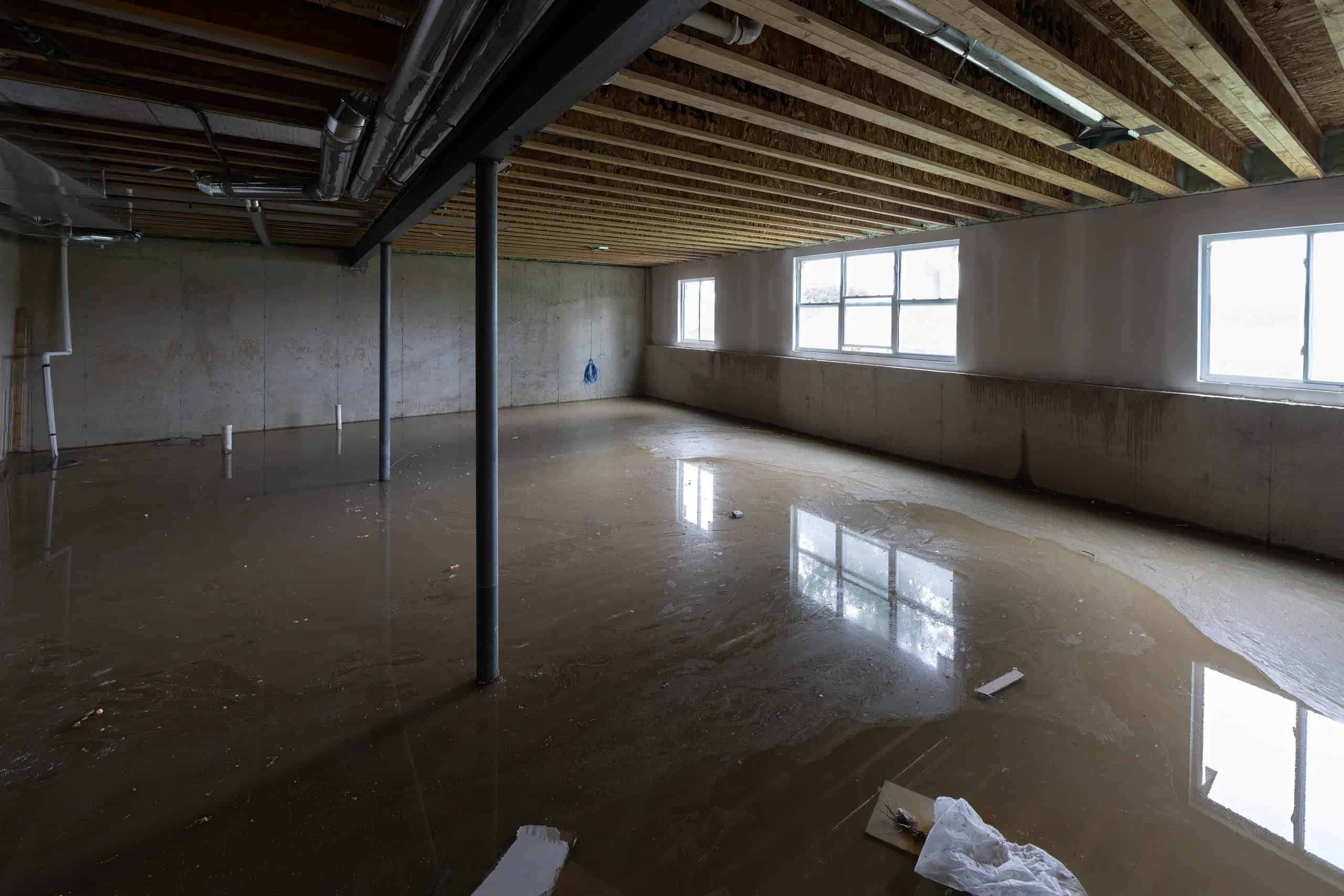
Nassau County’s coastal position between the Long Island Sound and the Atlantic Ocean means ambient humidity regularly exceeds 60% during summer months. That’s the threshold at which mold spore germination accelerates across all species, including Aspergillus. Homes in communities like Freeport, Oceanside, Long Beach, and Baldwin — particularly those that experienced flooding during Hurricane Sandy — are at elevated risk for the kind of chronic moisture conditions that allow Aspergillus to establish itself and persist.
When Mold Inspection Becomes a Legal and Financial Necessity in Nassau County
There are situations where a mold inspection isn’t just a good idea — it’s a practical necessity. Real estate transactions are the most obvious one. Nassau County’s median home prices regularly exceed $600,000, and a mold problem discovered after closing can translate into tens of thousands of dollars in remediation costs that the buyer now owns entirely. Pre-purchase mold inspections have become a standard part of due diligence for buyers who understand what’s at stake, particularly in older south shore communities where storm flooding and aging plumbing make moisture intrusion a known variable.
For tenants in Nassau County, mold is also a documented legal issue. New York State law requires landlords to maintain habitable conditions, and persistent mold that affects health can be grounds for rent withholding, lease termination, or legal action. An independent mold inspection — conducted by a licensed assessor with no financial interest in the remediation outcome — creates the documentation needed to support those claims. Several questions on public forums specifically ask about tenant rights around black mold in Nassau County, which reflects how common this situation actually is.
Insurance is another context where professional documentation matters. If your home experienced water damage from a burst pipe, a roof leak, or storm flooding, and mold developed as a result, your homeowner’s insurance carrier will likely require a professional assessment before covering remediation costs. A written report from a licensed mold assessor, with laboratory results attached, carries the kind of credibility that moves a claim forward. A photo on your phone does not.
It’s also worth knowing that Nassau County’s aging housing stock creates a specific co-occurrence risk that many homeowners aren’t aware of: asbestos and mold frequently appear together in homes built before 1980. Asbestos was commonly used in insulation, floor tiles, and joint compound in the same post-war construction era that defines so much of Nassau County’s residential inventory. If a mold inspection reveals conditions that require opening walls or disturbing materials in an older home, having a contractor who can handle both asbestos abatement and mold remediation in a single engagement is a meaningful practical advantage.
What to Do If You Think Your Nassau County Home Has a Mold Problem
The pattern is usually the same: something feels off — a smell, a symptom, a stain — and the easy response is to wait and see if it gets worse. Sometimes it doesn’t. Often it does, and by then the remediation is more involved than it would have been earlier.
If you’re in Nassau County and you’ve had water intrusion, noticed persistent musty odors, or live in a home built before 1980 near the south shore, a professional mold inspection is a reasonable next step. The inspection process exists precisely because the conditions that matter most are the ones you can’t see from the surface.
We’ve been serving Nassau and Suffolk County for over 12 years. We’re fully licensed, insured, and available 24/7 for situations that can’t wait. If cost is a concern, we offer financing up to $200,000 at 0% APR — because the decision to protect your home and your family’s health shouldn’t come down to timing. If you have questions or want to understand what an inspection would involve for your specific situation, reach out to us directly.