Summary:
What Happens During Emergency Water Extraction
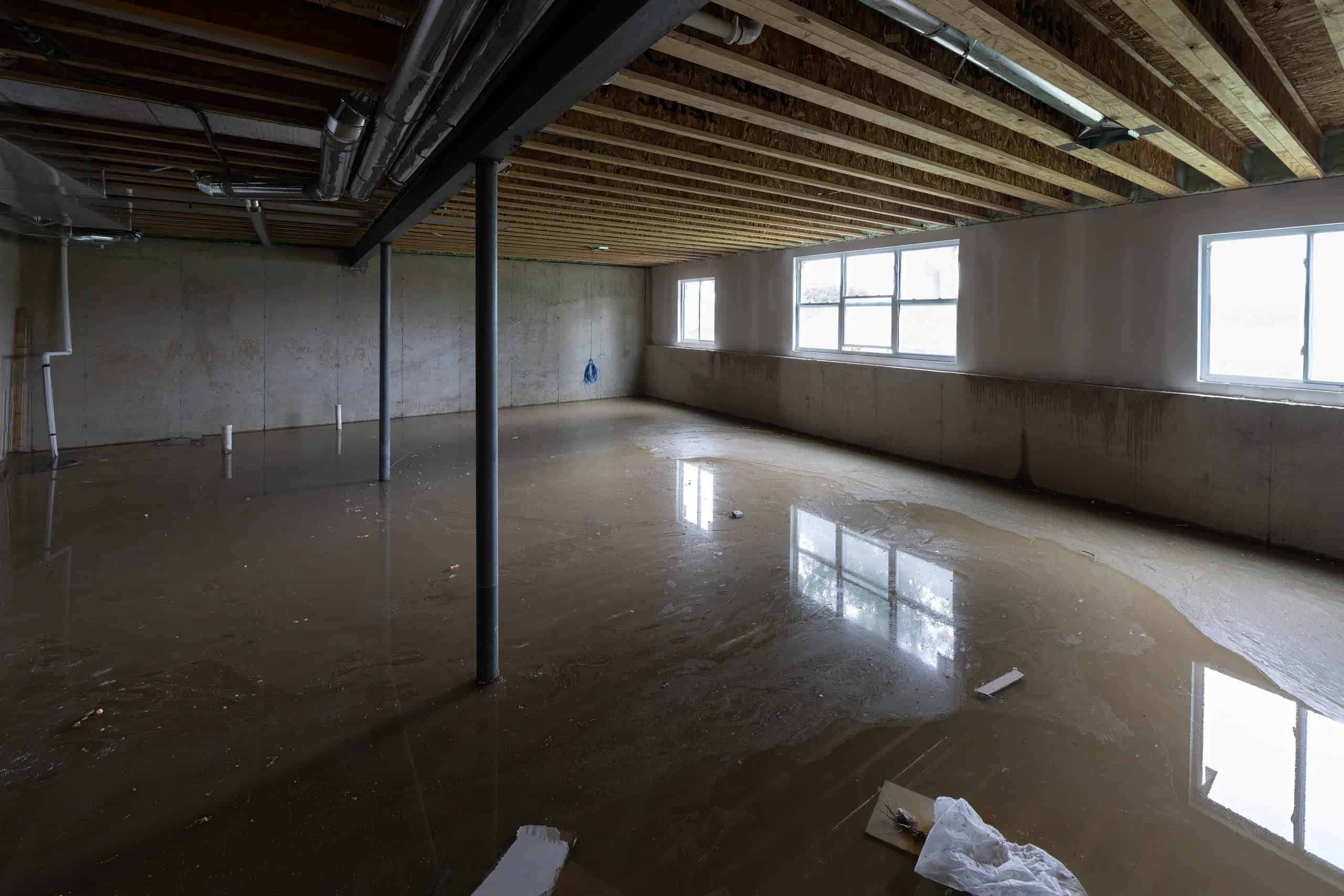
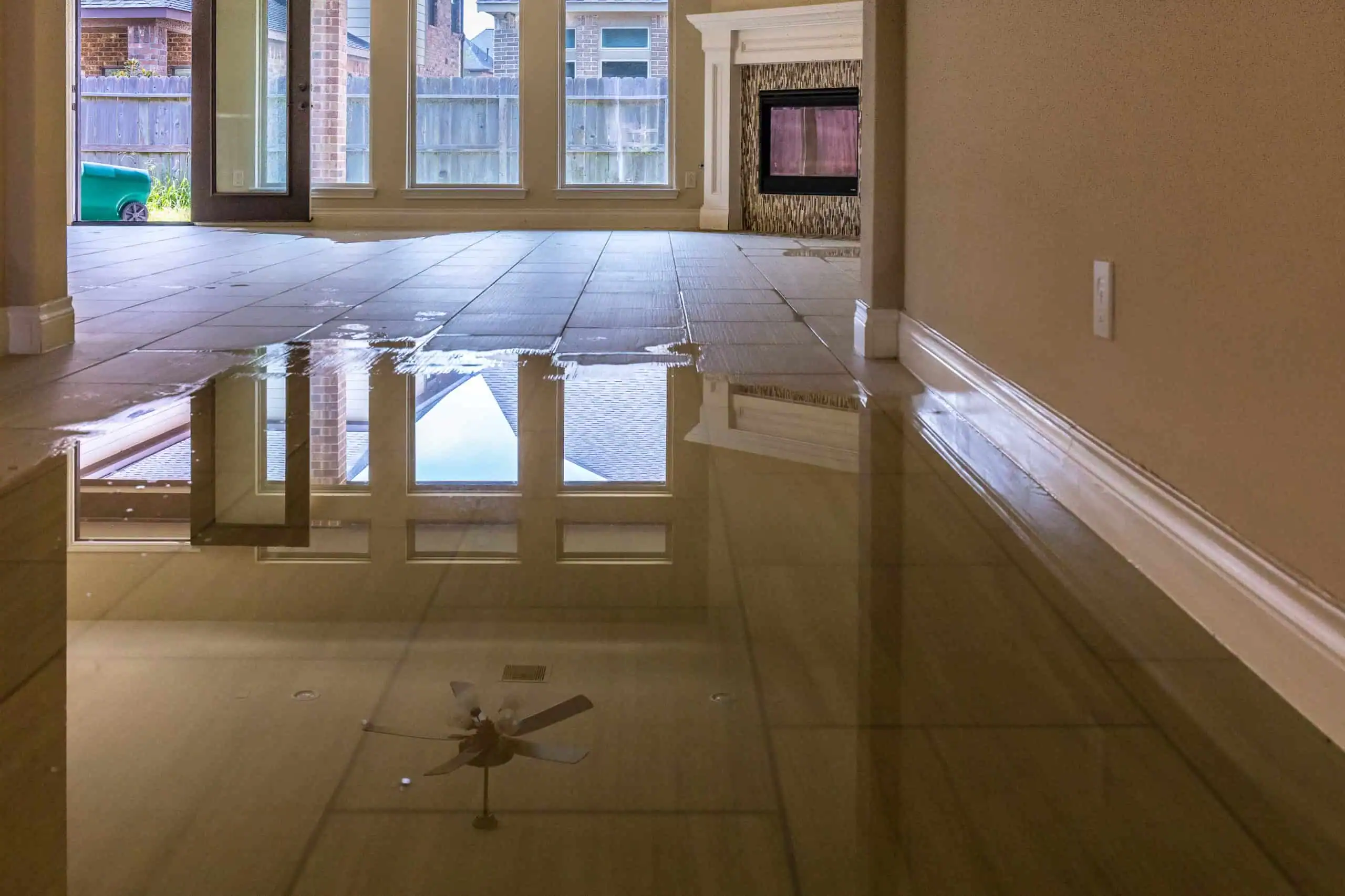
The first few hours after a burst pipe determine how much damage you’ll face. Water spreads fast—soaking into floors, walls, carpets, and anything else in its path. That’s why emergency extraction starts the moment we arrive at your Nassau or Suffolk County home.
Our team shows up with industrial-grade pumps and extractors, not the basic shop vacuums you’d rent from a hardware store. These machines remove thousands of gallons quickly, pulling water from carpets, hardwood floors, and other surfaces before it has time to seep deeper into your home’s structure. Speed matters here because the longer water sits, the more it penetrates into places you can’t see.
How We Find Hidden Water You Can't See
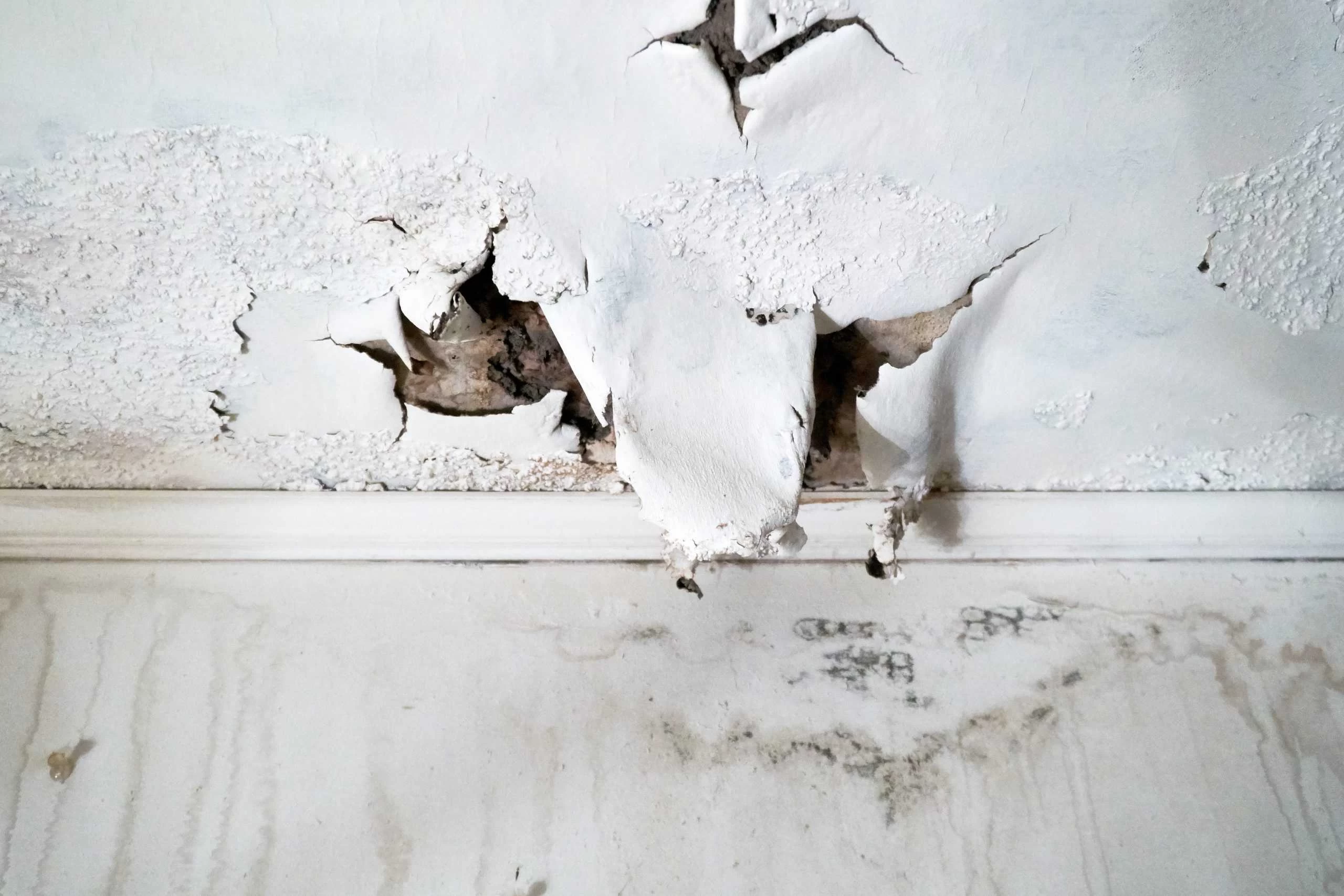
Here’s what most homeowners don’t realize: the water you see on your floor is only part of the problem. Water travels through wall cavities, under flooring, into insulation, and behind baseboards. You could mop up every visible drop and still have gallons of moisture trapped inside your walls.
That’s why we use moisture meters and thermal imaging cameras. Moisture meters measure the water content in different materials—drywall, wood, concrete—giving our technicians precise readings on what’s wet and what’s dry. Thermal imaging cameras detect temperature differences that reveal hidden moisture pockets you’d never spot with your eyes.
This technology matters especially in Long Island homes. Many houses in Nassau and Suffolk County were built decades ago with construction methods that create hidden spaces where water can pool. Older homes often have unique architectural features that trap moisture in hard-to-reach areas. Without professional detection equipment, you’d be guessing about whether your walls are actually dry—and that guess could cost you thousands in mold remediation later.
Once we map out all the moisture, we know exactly where to focus the drying equipment. Nothing gets missed. Nothing gets left to chance. We’re not just removing water we can see; we’re eliminating every trace of moisture that could cause problems down the road.
Why Standard Fans Won't Dry Your Home Properly
You might be tempted to set up some box fans and call it a day. That approach will fail, and here’s why.
Household fans move air around, sure. But they don’t create the specific conditions needed for proper structural drying. Professional restoration uses industrial air movers positioned strategically throughout affected areas. These aren’t just bigger fans—they’re designed to create airflow patterns that pull moisture out of materials at the molecular level.
The science behind this is called psychrometry. It’s the study of how air and moisture interact. We calculate exactly how many air movers and dehumidifiers you need based on the size of your space, the types of materials affected, and current humidity levels. Too little equipment and your home stays damp. Too much in the wrong configuration and you’re wasting time without improving results.
Dehumidifiers work alongside air movers to capture moisture from the air. As the air movers pull water out of your walls and floors, that moisture evaporates into the air. If you don’t remove it from the air, it just gets reabsorbed into other materials. Dehumidifiers prevent that cycle, constantly pulling moisture out of the environment and collecting it for disposal.
Temperature control also plays a role. Maintaining the right temperature—typically between 70 and 90 degrees—speeds up evaporation without damaging materials or equipment. This is especially important in Long Island’s humid climate, where summer humidity can slow the drying process and create perfect conditions for mold growth.
The drying phase typically takes 3 to 5 days for most residential water damage. During this time, our technicians monitor moisture levels continuously using data loggers that track temperature and humidity 24/7. We adjust equipment placement and settings based on real-time data, ensuring optimal drying conditions around the clock. You’re not guessing when things are dry—you’re seeing documented proof that moisture levels have returned to normal.
How Mold Prevention Works During Water Damage Restoration
Mold doesn’t wait. It starts growing within 24 to 48 hours after water damage occurs. That narrow window is why we treat mold prevention as urgent, not optional.
The humid climate in Nassau and Suffolk County makes this even more critical. High humidity levels, especially during summer months, accelerate mold growth. Salt air from coastal areas can complicate drying and create additional moisture issues. Many Long Island homes have basements that are naturally prone to moisture problems, creating perfect breeding grounds for mold if water damage isn’t handled correctly.
What We Do to Stop Mold Before It Starts
Mold prevention starts during the drying process, not after. As our technicians work to remove moisture, they’re also applying antimicrobial treatments to affected areas. These treatments prevent mold spores from taking hold while materials are still drying.
Different materials require different approaches. Porous materials like drywall, insulation, and carpeting absorb water quickly and hold onto it. If these materials stay wet too long, they often need to be removed and replaced because mold can establish itself within the material itself. Non-porous materials like tile, metal, and sealed concrete can be cleaned and disinfected more easily.
We understand which materials can be saved and which need to go. We’re not making emotional decisions about your belongings—we’re following science-based guidelines that determine what’s restorable and what poses a health risk. Trying to save a moldy carpet might seem economical, but it could mean breathing in mold spores for years.
Air quality matters too. As water evaporates, it can carry contaminants into the air. We use air scrubbers to remove mold spores, bacteria, and other particles from the environment. These machines filter the air continuously, protecting your family’s health while the restoration work happens.
The continuous monitoring we mentioned earlier also serves mold prevention. By tracking humidity levels 24/7, our technicians ensure conditions never reach the range where mold thrives. If humidity starts creeping up, we adjust dehumidifier settings immediately. This proactive approach stops mold before it becomes visible.
How Insurance Claims Work for Burst Pipe Water Damage
Dealing with insurance while your home is flooded adds stress you don’t need. That’s why we handle insurance coordination as part of our service in Nassau and Suffolk County.
Here’s what typically happens: homeowners insurance covers water damage from burst pipes if the incident was sudden and accidental. That means a pipe that suddenly bursts due to freezing temperatures, age, or pressure usually qualifies for coverage. What doesn’t qualify? Damage from gradual leaks you ignored, poor maintenance, or negligence like turning off your heat during winter and letting pipes freeze.
Insurance companies want to see documentation. Photos of the damage, moisture readings, a clear timeline of what happened—all of this becomes part of your claim. We document everything as we work, creating the paper trail your insurance company needs to approve the claim quickly.
We offer direct billing to insurance companies. This means you’re not paying thousands upfront and waiting for reimbursement. We work directly with your insurance adjuster, providing estimates and documentation, then bill the insurance company for covered services. You typically only pay your deductible.
We know what insurance companies expect because we’ve done this hundreds of times. We understand which documentation matters, how to communicate with adjusters, and what evidence moves claims forward. This expertise can be the difference between a smooth claim process and months of back-and-forth with your insurance company.
Coverage typically includes water extraction, structural drying, mold prevention, damaged material removal, and reconstruction to return your home to its pre-loss condition. Personal property like furniture, electronics, and clothing may also be covered, depending on your policy. Some policies pay actual cash value (factoring in depreciation), while others pay replacement cost (the price of buying new). Knowing which you have helps set expectations.
One thing to note: insurance usually doesn’t cover the cost of repairing the actual burst pipe itself. They’ll pay for the water damage the pipe caused, but fixing the plumbing falls under home maintenance, not sudden damage. Still, the water damage restoration—which is typically the expensive part—gets covered.
What to Do Right After a Pipe Bursts in Your Home
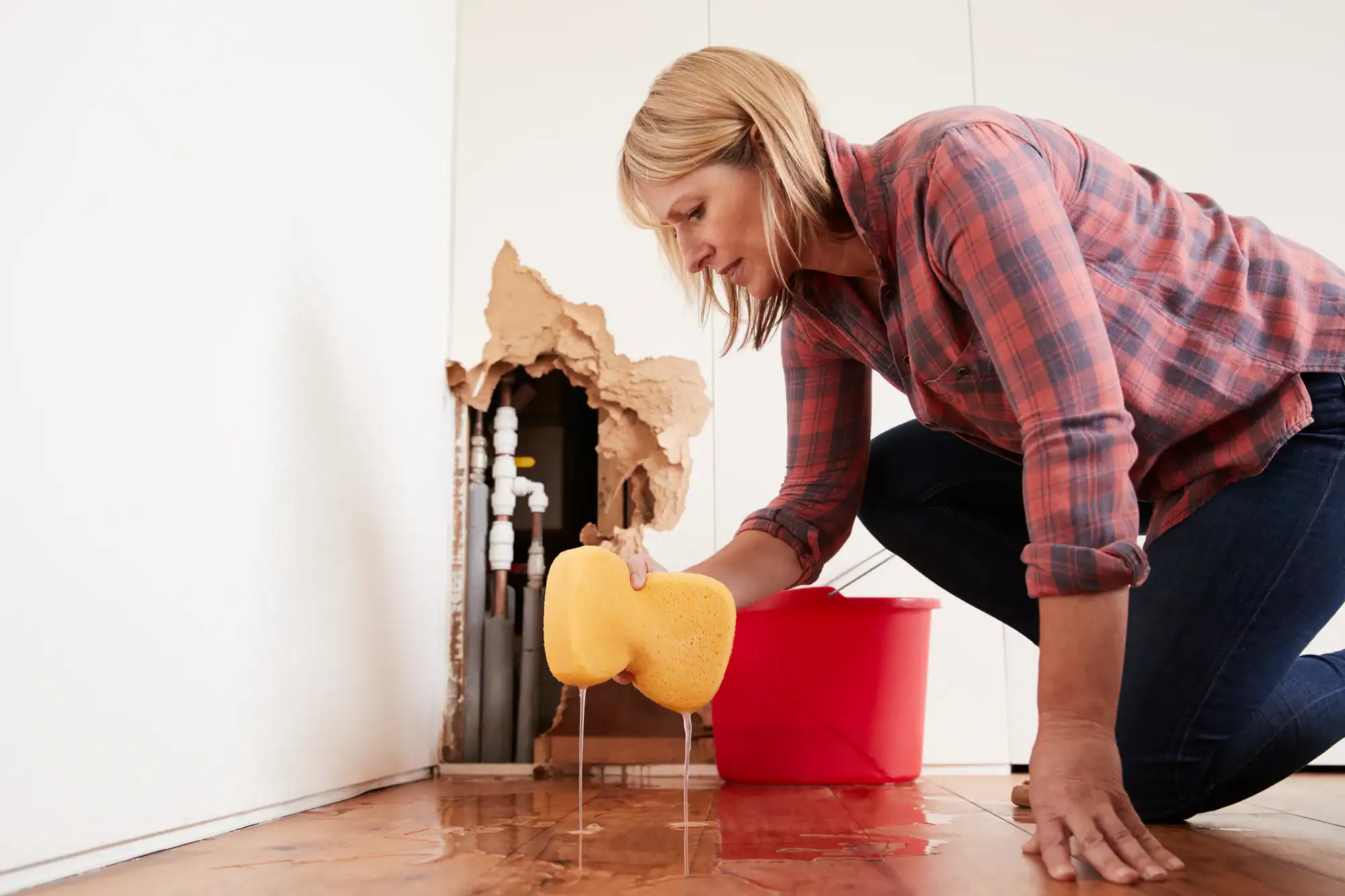
The moment you discover a burst pipe, shut off your main water supply. This stops more water from flooding your home while you wait for help. If you can’t find your main shutoff valve, call a plumber or restoration company—we’ll talk you through it.
Then call a professional water damage restoration company immediately. Every hour you wait increases the damage and the cost. Mold starts growing within 24 to 48 hours, so time is not on your side. While you’re waiting for the team to arrive, move furniture and valuables away from standing water if it’s safe to do so. Take photos of the damage for your insurance claim.
Professional restoration follows the process we’ve outlined here: emergency extraction, moisture detection, structural drying, mold prevention, and reconstruction. You’ll have a clear timeline, documented progress, and insurance coordination that takes the stress off your shoulders. When you choose a company with local Long Island experience, you’re working with professionals who understand Nassau and Suffolk County’s unique challenges—from aging infrastructure to coastal humidity to older home construction methods.
We handle water damage restoration across Nassau and Suffolk County with 24/7 emergency response, industrial-grade equipment, and direct insurance billing. When a burst pipe turns your day upside down, you need a team that shows up fast, works efficiently, and gets your home back to normal without the runaround.