Summary:
Water damage doesn’t wait for a convenient moment. A pipe bursts at 2 a.m., a nor’easter pushes water into your Long Beach basement, or your washing machine decides it’s done — and suddenly you’re dealing with soaked floors, swelling drywall, and a clock ticking toward mold. The first question most Nassau County homeowners ask isn’t “who do I call?” It’s “is this covered?”
That question has a complicated answer, and getting it wrong — or waiting too long to act — can cost you significantly more than the original damage. This guide walks you through how insurance actually works for water damage, what gets denied and why, and what to do when coverage doesn’t go far enough.
Does Home Warranty Cover Water Damage?
This is one of the most common sources of confusion we hear from Nassau County homeowners, and it’s worth getting straight before you file anything. A home warranty and a homeowners insurance policy are not the same thing, and they cover very different parts of the same problem.
A home warranty is designed to cover the repair or replacement of systems and appliances that fail due to normal wear and tear — your HVAC, water heater, plumbing system, dishwasher. If your washing machine breaks down and floods your laundry room, the warranty may cover fixing or replacing the machine. What it will not cover is the water damage that machine caused to your floors, walls, and subfloor. That’s where homeowners insurance is supposed to step in.
Does Homeowners Insurance Cover Flooding From Rain?
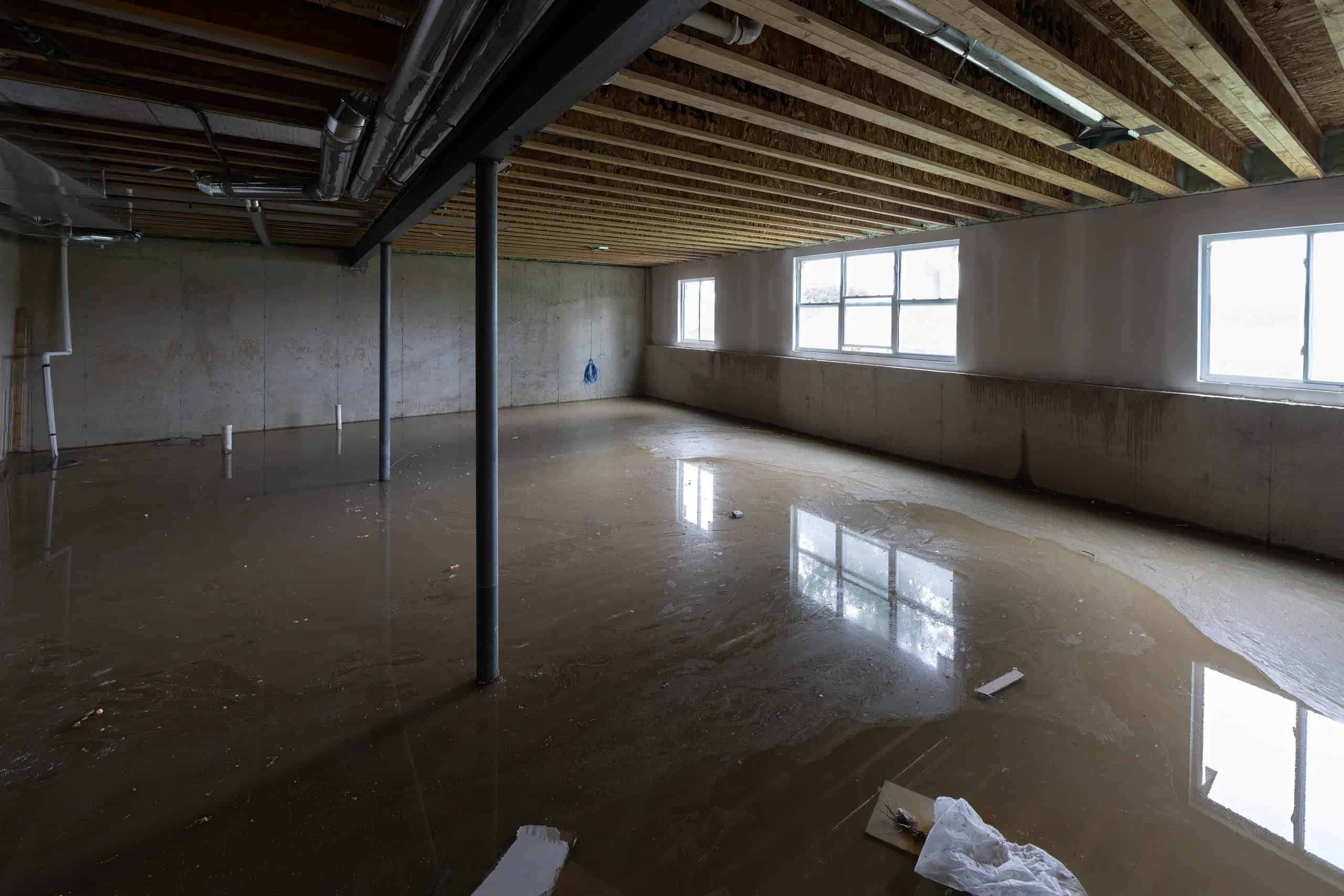
Here’s where a lot of Nassau County homeowners get caught off guard — especially after a hard nor’easter or a storm that pushes water up from Reynolds Channel into South Shore neighborhoods like Oceanside, Freeport, and Island Park. Standard homeowners insurance does not cover flooding from rain. That’s not a loophole or fine print buried on page forty. It’s a fundamental exclusion in virtually every standard policy.
External flooding — water that enters your home from the ground up, from storm surge, from overflowing streets — requires a separate flood insurance policy. Nassau County participates in the National Flood Insurance Program (NFIP), and homeowners in designated flood zones with federally backed mortgages are required to carry it. But many homeowners in communities along the South Shore either don’t have it or don’t realize their standard policy doesn’t fill that gap.
There is one important nuance. If a storm damages your roof and rain enters through that opening — say, a tree limb punches through during a nor’easter — that rain intrusion may be covered under your standard policy as a sudden and accidental event. The distinction is whether water came in from above through a storm-created breach, or whether it rose from outside and came in from below or through the foundation. Insurers draw that line carefully, and so should you when you’re documenting the damage.
If you’re not sure which category your situation falls into, that’s exactly the kind of question we help Nassau County homeowners work through before a claim is filed. Getting the framing right from the start significantly affects how the claim is received.
What Homeowners Insurance Actually Covers for Water Damage
When it does apply, homeowners insurance generally covers water damage that is sudden and accidental — meaning something failed unexpectedly, you didn’t know about it, and you didn’t ignore it. A pipe that bursts overnight. A water heater that gives out without warning. An ice dam that forces water under your shingles. These are the scenarios your policy was written to handle.
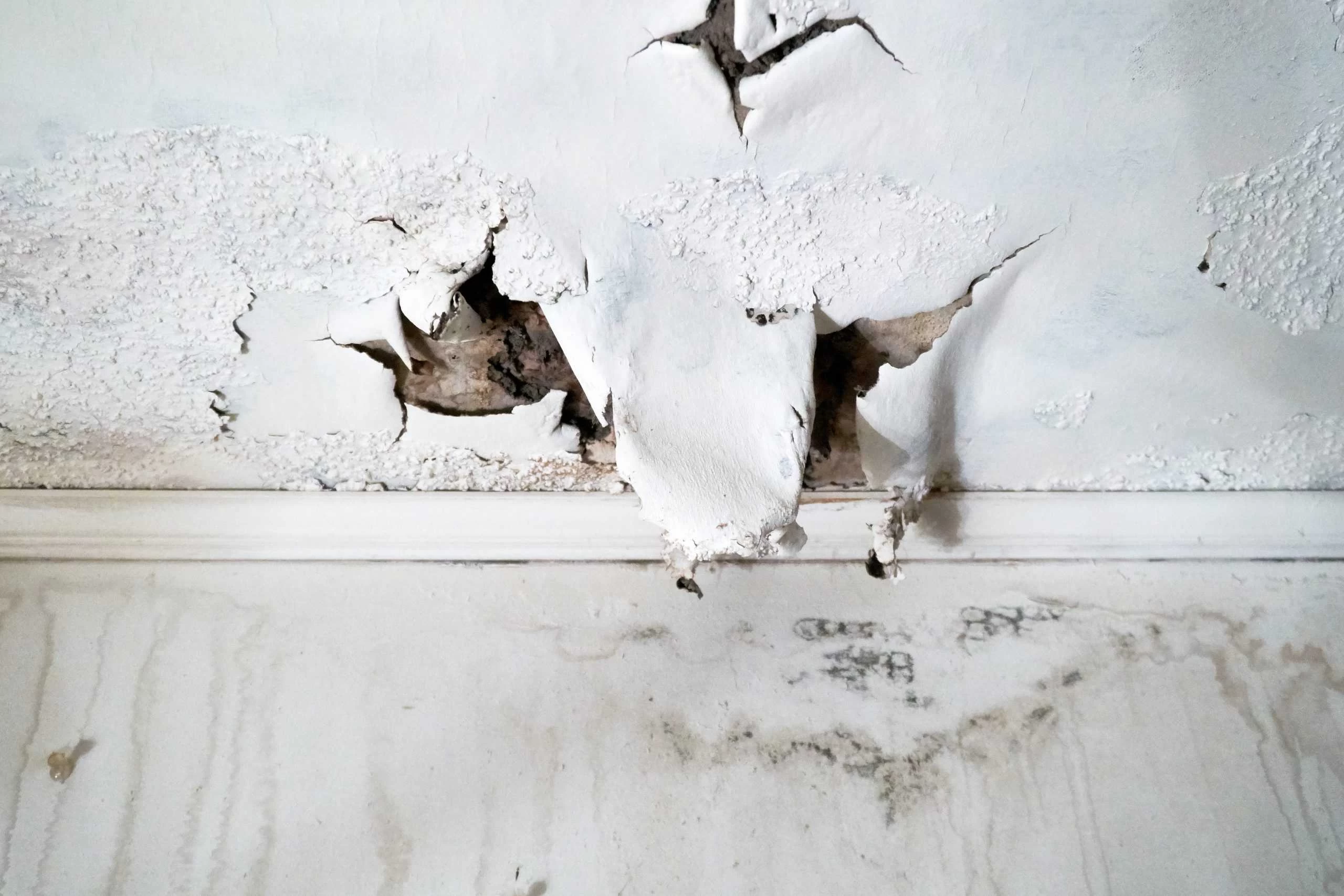
What it does not cover is gradual damage. This is the most common reason claims get denied, and it catches a lot of homeowners off guard. If there’s been a slow drip under your bathroom sink for six months, or a hairline crack in a pipe that’s been seeping into your wall for weeks, the insurer will likely classify that as a maintenance issue — something you should have caught and fixed. The damage isn’t covered because the cause wasn’t sudden.
This matters practically because Nassau County’s older housing stock — most of it built during the postwar boom between 1945 and 1965 — has aging plumbing that fails in exactly these slow, quiet ways. Galvanized steel pipes corrode from the inside. Supply lines behind appliances weaken over years. By the time you notice the water, the damage has been building for a while. That history makes the “sudden and accidental” argument harder to make, which is why thorough documentation from the moment you discover the damage is so important.
There’s also the question of mold. Most policies cover mold remediation only when it’s a direct result of a covered water damage event — and only if you acted quickly enough. Mold can begin growing within 24 to 48 hours of water exposure. Nassau County’s humid summers accelerate that window. Waiting several days before calling a restoration company, or trying to dry things out yourself with a shop vac and fans, can give an insurer grounds to argue that the mold resulted from your inaction rather than the original event.
When Your Insurance Company Denied Your Claim — What Comes Next
A denial isn’t necessarily the end of the road, but it does require you to act deliberately. The most important thing to understand is why the claim was denied, because the reason determines your options. Insurers are required to provide a written explanation, and that explanation tells you whether the denial is based on a policy exclusion, a documentation gap, or a factual dispute about the nature of the damage.
If the denial is based on a factual dispute — the insurer says the damage was gradual, but you believe it was sudden — that’s an argument you can make. If it’s based on an exclusion that doesn’t actually apply to your situation, that’s grounds for appeal. Neither path is simple, but both are available.
The Most Common Reasons Nassau County Water Damage Claims Get Denied
Across Nassau County, the denial reasons we see most often fall into a few consistent patterns. Gradual damage is the most frequent — the insurer argues the damage accumulated over time and should have been caught during routine maintenance. Lack of documentation is the second most common issue, where the homeowner can’t prove the extent or the cause of the damage because nothing was photographed or measured before cleanup began.
Flood exclusions catch a significant number of South Shore homeowners who didn’t realize their standard policy doesn’t cover storm surge or rising groundwater. After Hurricane Sandy reshaped FEMA’s flood zone maps across Nassau County, thousands of properties were added to official flood zones — and some homeowners still haven’t updated their coverage accordingly. If your home is in one of those newly designated zones in Long Beach, Island Park, or along the Freeport waterways, and you filed a standard homeowners claim for flooding, a denial based on the flood exclusion is likely.
Failure to mitigate is a less obvious but important denial reason. Insurance policies typically require you to take reasonable steps to prevent further damage after an event occurs. If you discovered water damage and waited several days before addressing it — maybe hoping the insurer would send an adjuster first — the company may argue that additional damage resulted from your inaction. This is why starting emergency mitigation immediately, even before the adjuster visits, is not just practical advice. It’s a policy requirement in most cases.
How to Appeal a Denied Water Damage Claim — and What Actually Helps
The appeal process starts with the denial letter. Read it carefully and identify the specific exclusion or reasoning the insurer cited. Then gather everything that contradicts or complicates that reasoning — photographs taken immediately after the damage occurred, moisture readings, a detailed written estimate from a certified restoration contractor, and any maintenance records that show the property was reasonably maintained.
IICRC-certified restoration contractors write estimates and document damage using the same standards that insurance adjusters use to evaluate claims. When your restoration company’s documentation speaks the insurer’s language — moisture levels, affected square footage, damage categories — it’s harder to dismiss. Vague descriptions and incomplete photos give adjusters room to minimize claims. Specific, technical documentation narrows that room considerably.
If your appeal is denied at the insurer level, New York State offers additional recourse through the Department of Financial Services. You can file a complaint, request an external review, or work with a licensed public adjuster who negotiates on your behalf. Public adjusters work on contingency — they take a percentage of the final settlement — so they’re most useful when the disputed amount is significant.
One thing worth knowing: if your claim was denied because of a flood exclusion and you don’t have a separate flood policy, an appeal won’t change the outcome. The gap there isn’t a documentation problem — it’s a coverage problem. In those situations, we offer financing up to $200,000 at 0% APR specifically because coverage gaps and denied claims shouldn’t mean leaving your home damaged while you figure out next steps. The work needs to happen regardless of what the insurer decides.
Water Damage Repair in Nassau County: What to Do Right Now
If there’s one thing to take from this guide, it’s that timing matters at every stage. Acting quickly after water damage occurs protects your home from mold, strengthens your insurance claim, and keeps your options open. Waiting — whether to see if things dry out on their own or to get the adjuster’s opinion before starting cleanup — almost always makes the situation harder and more expensive.
Know what your policies actually cover before something goes wrong. If you’re in a South Shore community, confirm whether you have flood insurance separate from your standard homeowners policy. If you’re in a post-WWII home with older plumbing, understand that gradual damage exclusions may apply, and document any maintenance you do.
And if you’re already dealing with damage — whether your claim was approved, denied, or still pending — we’ve been handling water damage repair and insurance claims for Nassau County homeowners for over 12 years. We document everything, work directly with adjusters, and handle the full restoration from extraction through final repairs. Reach out and we’ll help you figure out the next right step.