Summary:
What Actually Happens When a Pipe Bursts
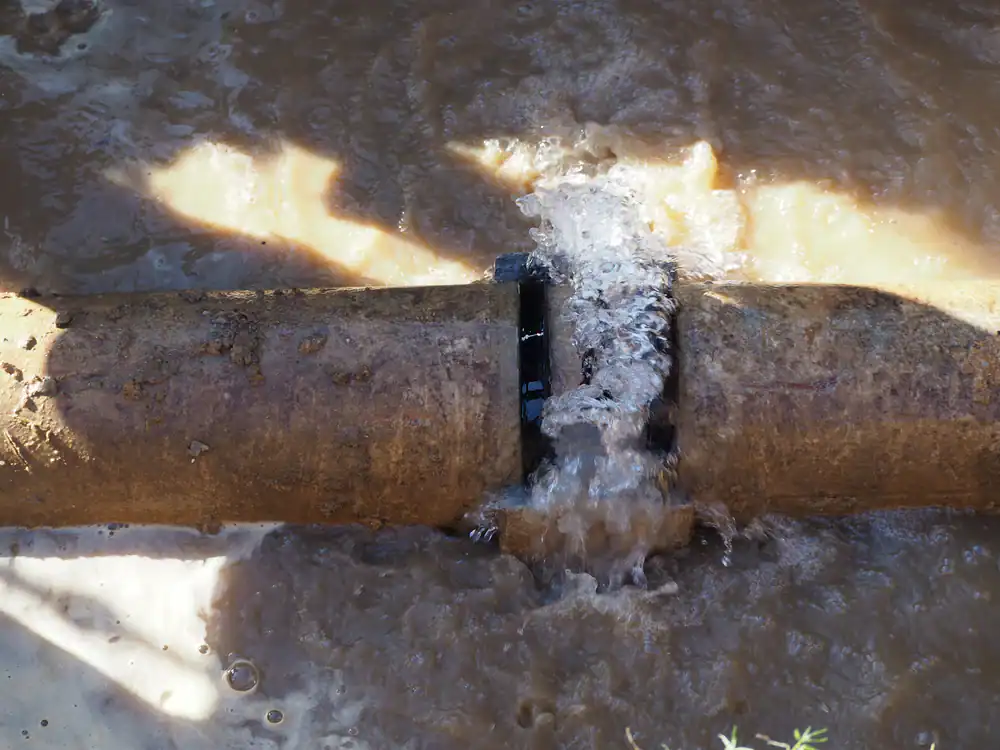
A burst pipe releases more water than most people expect. Even a small pipe can dump hundreds of gallons into your home within hours. That water doesn’t just sit on the surface waiting for you to mop it up.
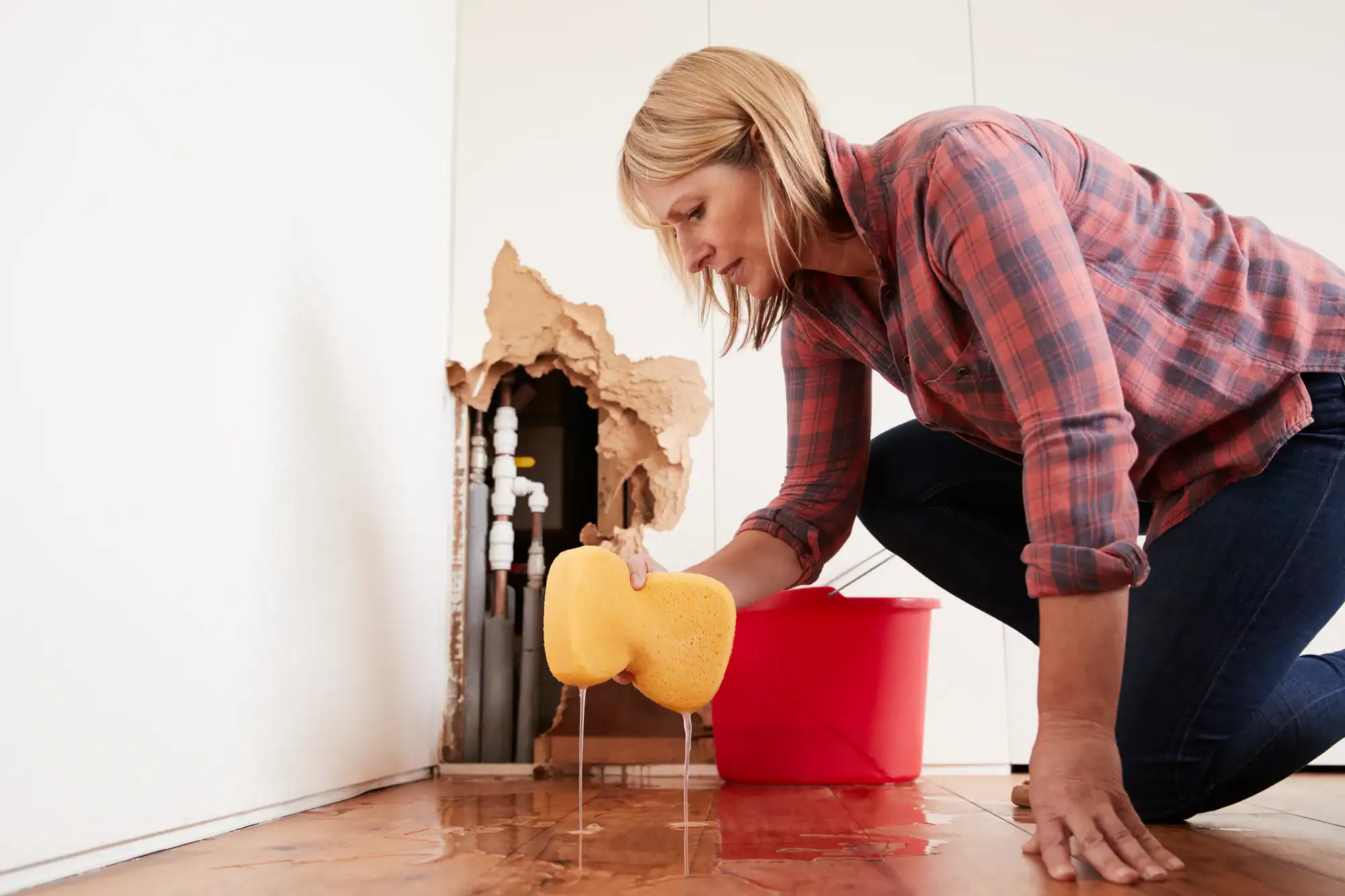
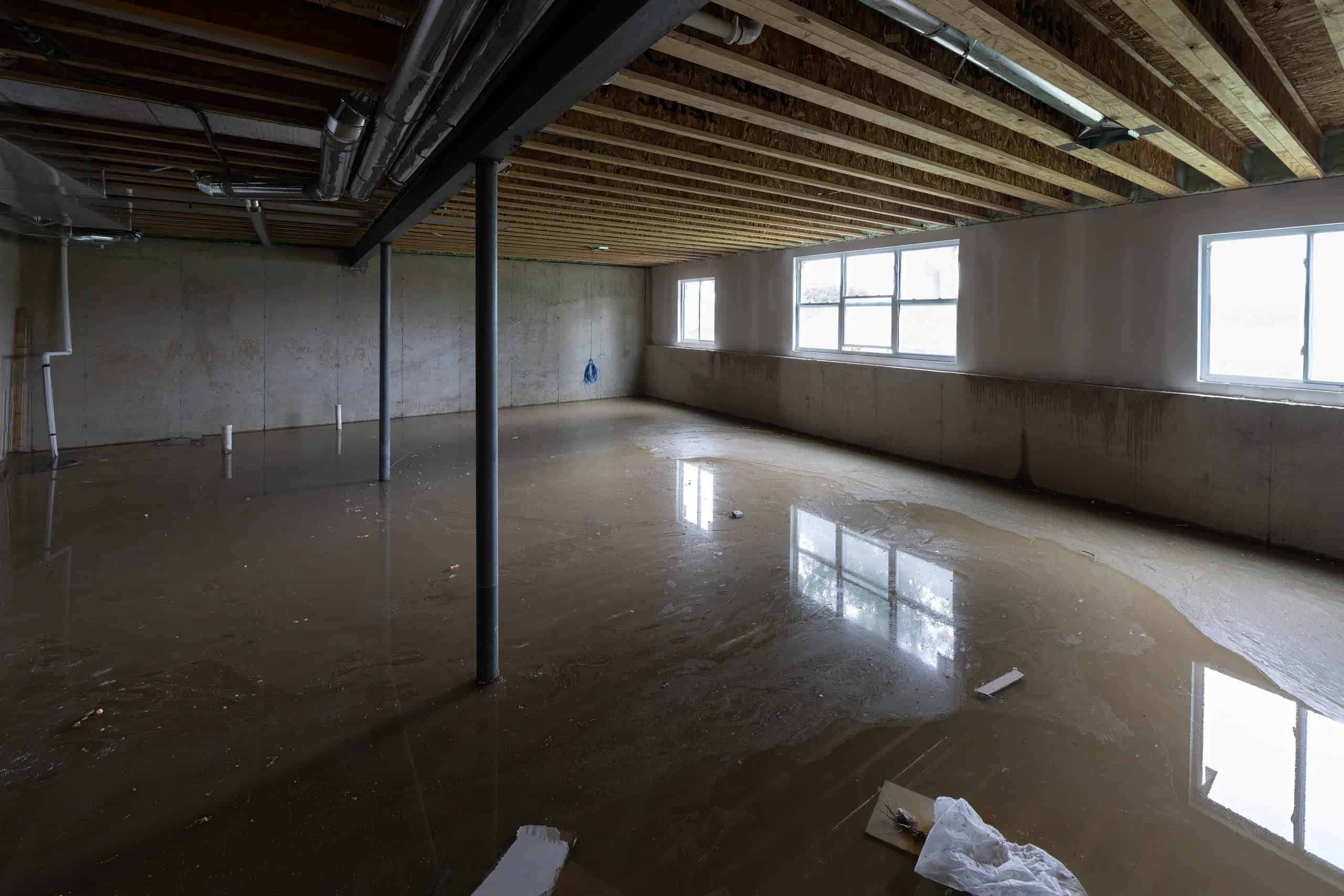
Water moves. It follows gravity, seeps through porous materials, and travels along structural elements you can’t see. The water that pools on your basement floor also soaks into drywall, runs down inside wall cavities, and saturates insulation. It finds every crack, gap, and opening in your home’s structure.
The real problem starts after you’ve cleaned up the visible water. Materials like drywall, wood framing, and insulation hold moisture like sponges. Even when surfaces look dry, trapped moisture continues causing damage behind the scenes.
Hidden Moisture Spreads Through Your Home's Structure
The water you can’t see causes more damage than what’s visible on your floor. When a pipe bursts, water doesn’t respect boundaries. It travels horizontally through wall cavities, moves vertically between floors, and collects in spaces you’d never think to check.
Wall cavities become highways for water movement. Once moisture enters the space between your drywall and exterior wall, it can travel the entire length of that wall. Insulation inside those walls absorbs water and stays wet for weeks without proper drying equipment. That wet insulation loses its effectiveness and creates perfect conditions for mold growth.
Floors present another hidden problem. Water that seems to disappear from your floor surface has actually soaked into the subfloor underneath. Depending on your flooring type, moisture can sit trapped between layers for extended periods. Hardwood floors might look fine on top while the wood underneath warps and deteriorates.
Ceilings hide damage particularly well. When a pipe bursts on an upper floor or in an attic, water travels through ceiling materials and collects in spaces above rooms below. You might not notice water stains on your ceiling until days after the initial burst, and by then, significant damage has already occurred.
This hidden moisture doesn’t just sit there harmlessly. It actively degrades building materials, weakens structural components, and creates environments where mold thrives. Professional moisture detection using thermal imaging technology can identify these problem areas before they become visible disasters. Without that detection, you’re essentially hoping the moisture dries on its own—and it rarely does in time to prevent problems.
Nassau County homes face additional challenges with hidden moisture. The high humidity levels, especially during summer months, slow down natural evaporation. Coastal salt air can complicate the drying process and accelerate corrosion of metal components. Older Long Island homes often have construction methods that create more spaces where water can hide and cause problems.
Burst Pipe Mold Growth Timeline: The 24-48 Hour Window
Mold doesn’t wait around. Once moisture is present, you’re on a clock that’s ticking faster than most homeowners realize. Mold spores exist everywhere—in your home, in the air, on surfaces. They’re dormant until they find moisture, and then they activate fast.
Within the first 24 hours after a pipe burst, water spreads and absorbs into materials. Mold spores that land on wet surfaces begin absorbing that moisture and swelling. Under the right conditions—which a burst pipe creates perfectly—spores start germinating toward the end of this first day.
The 24 to 48-hour mark is when active mold colonization begins. Germinated spores develop thread-like structures that penetrate materials and start digesting organic compounds. Colonies establish themselves and begin spreading. You won’t see anything yet, but mold is actively growing behind your walls, under your floors, and in your insulation.
Days three through seven bring visible growth. Under ideal conditions—and burst pipe situations create ideal conditions—mold colonies expand rapidly enough to become visible. Small spots of discoloration appear. Fuzzy growth develops. Surfaces start darkening. The distinctive musty odor shows up as mold releases compounds into the air.
By days seven through fourteen, you’re dealing with extensive colonization. What started as small spots becomes large patches. Mold spreads across surfaces and begins affecting adjacent materials. If conditions remain favorable, mold can cover substantial square footage within two weeks of the initial water exposure.
This timeline explains why professional water damage restoration emphasizes speed so heavily. The difference between drying out your home within 24 hours versus letting it sit wet for several days can mean the difference between a straightforward cleanup and a major mold remediation project costing thousands more.
Long Island’s climate accelerates this timeline. High humidity levels during summer months provide additional moisture that helps mold grow faster. The combination of burst pipe moisture and ambient humidity creates particularly aggressive mold growth conditions. Many Nassau County homes also have basements and crawl spaces that are naturally prone to moisture problems, giving mold even more favorable environments to colonize.
We understand this timeline intimately. We know that every hour counts. That’s why services like thermal imaging for moisture detection and industrial-grade drying equipment aren’t optional luxuries—they’re essential tools for beating the mold growth clock. When we talk about responding within hours, we’re not being dramatic. We’re working within the biological reality of how fast mold colonizes wet materials.
Structural Damage From Burst Pipes Compounds Over Time
Water doesn’t just make things wet—it actively destroys building materials. The longer moisture stays in contact with structural components, the more damage accumulates. What starts as a manageable situation can quickly become a reconstruction project if water isn’t removed properly.
Drywall loses its structural integrity when saturated. The gypsum core softens, and the paper backing becomes a breeding ground for mold. Even after drying, water-damaged drywall often needs replacement because it loses strength and develops permanent deformities.
Wood framing presents serious concerns. Prolonged moisture exposure causes wood to swell, warp, and eventually rot. Load-bearing components like studs and joists can lose their structural capacity, creating safety issues. Wood rot doesn’t reverse—once it starts, the only solution is replacing the damaged wood.
How Thermal Imaging Detects Hidden Water Damage
You can’t fix what you can’t find. That’s where thermal imaging technology changes everything about burst pipe water damage restoration. Traditional methods relied on visual inspection and educated guessing about where moisture might be hiding. Thermal imaging removes the guesswork.
Thermal imaging cameras detect temperature differences on surfaces. Wet materials cool differently than dry ones as moisture evaporates, so wet spots appear as cooler areas on the thermal image. This temperature contrast makes it possible to identify where moisture is hiding without tearing anything open.
The technology works by measuring infrared radiation emitted by objects and surfaces. When moisture is present, evaporative cooling creates temperature variations that show up clearly in thermal images. We can scan entire rooms in minutes, identifying problem areas that would take hours to find through traditional methods.
This matters enormously for burst pipe situations. Water travels unpredictably through structures. A pipe that bursts in one location can send moisture to areas far from the original leak. Without thermal imaging, restoration teams would need to make invasive cuts into walls and ceilings just to check for moisture. With thermal imaging, we can see through surfaces and target exactly where moisture exists.
The scanning process is non-invasive and quick. We move through affected areas with handheld thermal cameras, capturing images that show temperature variations. Cool spots indicate potential moisture. We then confirm those findings with moisture meters that measure actual water content in materials. This combination of thermal imaging for identification and moisture meters for confirmation provides accurate assessment without unnecessary demolition.
For Nassau County homeowners, thermal imaging provides particular value. Long Island homes often have complex layouts with multiple levels, finished basements, and renovated spaces where plumbing runs through various structural elements. Thermal imaging can identify moisture problems in these complicated spaces without requiring extensive exploratory demolition.
The technology also proves essential for insurance documentation. Thermal images provide visual proof of moisture extent, helping support insurance claims. Adjusters can see exactly what areas are affected, which speeds up the claims process and helps ensure appropriate coverage for necessary repairs.
Beyond initial assessment, thermal imaging plays a crucial role during the drying process. We use follow-up scans to monitor drying progress. As moisture levels decrease, thermal images show the change. This allows us to adjust drying equipment placement for maximum effectiveness and confirm when materials have reached acceptable moisture levels before reconstruction begins.
Why Industrial Drying Equipment Matters After Burst Pipe Repair
Once you’ve repaired the burst pipe and removed standing water, the real work begins. Getting materials truly dry requires more than opening windows and running household fans. Professional water damage restoration relies on industrial-grade equipment specifically designed to remove moisture from building materials.
Standard household fans and dehumidifiers can’t handle the volume and depth of moisture that burst pipes create. They’re designed for normal household humidity control, not emergency water extraction from saturated building materials. Using inadequate equipment leaves moisture behind, which leads directly to the mold and structural problems we’ve been discussing.
Industrial air movers push massive volumes of air across surfaces and through materials. These aren’t the fans you buy at a hardware store. They’re purpose-built machines that create airflow patterns designed to maximize evaporation from wet materials. Proper placement matters enormously—we position air movers based on understanding how air moves through spaces and where moisture tends to accumulate.
Commercial dehumidifiers work on a completely different scale than residential units. They can remove hundreds of pints of moisture from the air per day, versus the 30-50 pints that residential dehumidifiers handle. This capacity matters when you’re trying to dry out walls, floors, and ceilings before mold growth starts.
The equipment works together as a system. Air movers increase evaporation from wet materials, releasing moisture into the air. Dehumidifiers pull that moisture out of the air, preventing it from reabsorbing into materials or condensing on other surfaces. This continuous cycle of evaporation and dehumidification is what actually dries building materials thoroughly.
Drying timelines depend on multiple factors. Material types absorb and release moisture at different rates. Hardwood floors, drywall, insulation, and carpeting all have different drying requirements. Ambient temperature and humidity affect drying speed. The extent of saturation determines how long equipment needs to run. We monitor moisture levels continuously and adjust equipment based on actual readings, not arbitrary timelines.
Suffolk County’s coastal climate adds complexity to the drying process. High humidity levels mean the air already contains significant moisture, which slows evaporation from wet materials. Industrial dehumidifiers become even more critical in these conditions because they actively remove moisture from the air rather than relying on natural evaporation into already-humid air.
Incomplete drying creates long-term problems that cost far more than proper restoration. Materials that feel dry to the touch can still contain enough moisture to support mold growth. Wood framing that seems okay can harbor moisture that causes rot months later. Insulation that appears functional can remain damp and ineffective. Professional drying with industrial equipment and moisture monitoring prevents these delayed problems.
The investment in proper drying equipment pays off by preventing much larger expenses down the road. Mold remediation alone can cost thousands of dollars. Structural repairs from wood rot and deteriorated materials cost even more. When you compare these potential costs to the expense of proper professional drying, the math becomes obvious. Thorough drying isn’t an optional upgrade—it’s essential protection for your home and your finances.
Protecting Your Home From Burst Pipe Water Damage
A burst pipe creates problems that extend far beyond the water you can see on your floor. Hidden moisture spreads through your home’s structure, mold begins growing within 24 to 48 hours, and structural damage compounds over time. The difference between a manageable situation and a disaster often comes down to how quickly you get professional help with proper equipment.
Thermal imaging technology finds moisture hiding in walls, floors, and ceilings before it causes permanent damage. Industrial drying equipment removes that moisture thoroughly, preventing mold growth and structural deterioration. We understand the timelines involved and work within the critical windows that determine whether you’re looking at a straightforward repair or extensive remediation.
If you’re dealing with a burst pipe in Nassau or Suffolk County, time matters more than you might think. Every hour that moisture remains in your home’s structure increases the risk of mold growth and structural damage. We provide 24/7 emergency response with the advanced equipment and local expertise needed to protect your home from the hidden damage that burst pipes cause.