Summary:
Stop All Work and Secure the Area Immediately
The moment you suspect asbestos in your Nassau County home, your first priority is containment. The best thing to do with asbestos material in good condition is to leave it alone, as disturbing it may create a health hazard where none existed before.
Stop any ongoing work in the area immediately. If you were in the middle of a renovation project, put down your tools and step away. Seal off the area if possible, and keep family members and pets out of the space.
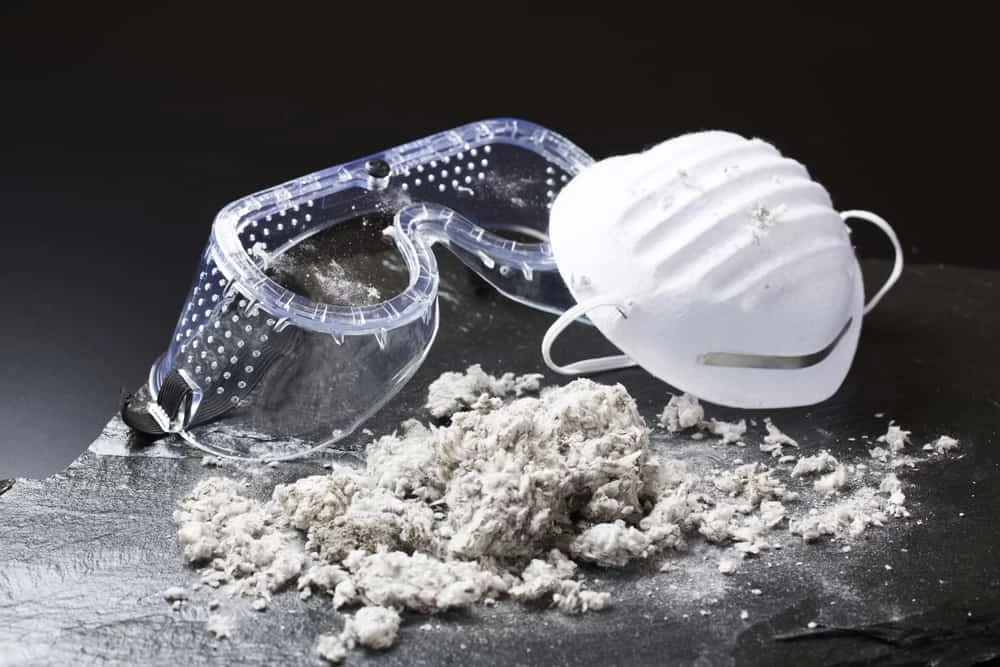
When asbestos-containing products are disturbed, tiny fibers are released into the air. When breathed in, they can get trapped in the lungs and remain there for a long time, accumulating and causing scarring and inflammation that affects breathing and leads to serious health problems.
Understanding Nassau County's Unique Asbestos Risks
Nassau County presents particular challenges when it comes to asbestos exposure. The county has a vast majority of housing stock built before the 1980s, when asbestos was commonly used in construction materials.
In Nassau County’s pre-war homes, asbestos can be found in numerous locations that homeowners might not expect, including insulation around pipes, boilers, and ductwork, older vinyl floor tiles, ceiling tiles, cement board siding, roofing shingles, plaster, and even window glazing.
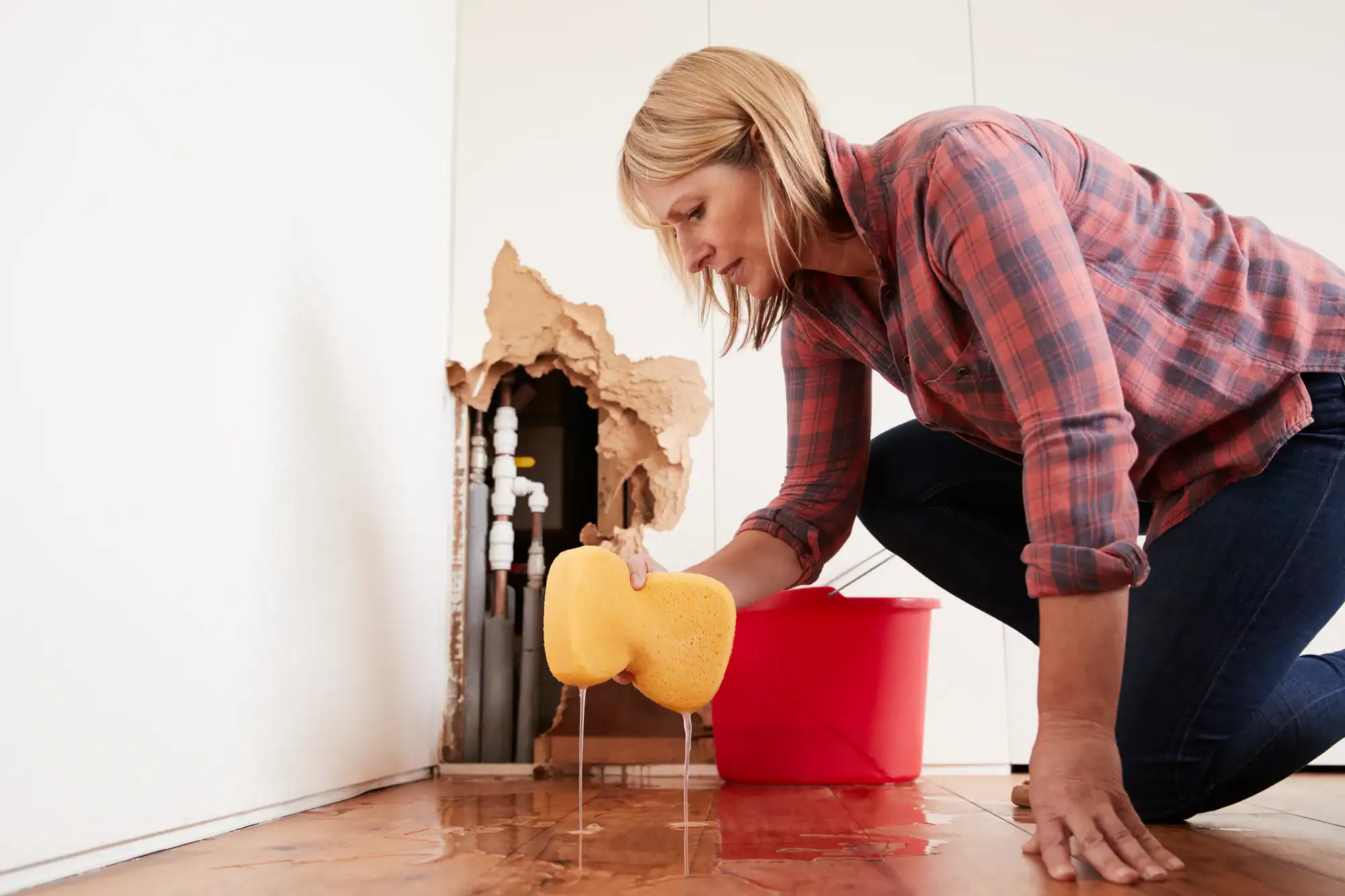
The challenge for Nassau County homeowners is that many of these materials look perfectly normal until they’re disturbed. Asbestos exposure can happen during DIY renovation activities like drilling through drywall, replacing old pipes, or removing popcorn ceilings, which can release tiny fibers into the air.
What makes Nassau County different from other areas is the strict regulatory environment. New York State Department of Labor Industrial Code Rule 56 strictly governs asbestos removal, and Nassau County adds an additional layer with EHRP/EHRT regulations, requiring licensed professionals who adhere to both state and county-specific requirements.
This isn’t just about following rules—it’s about protecting your investment and your family’s health. Violations of U.S. EPA regulations and state asbestos laws can result in daily civil penalties reaching $25,000. For most Nassau County homeowners, that’s a financial disaster that’s completely avoidable with the right approach.
When Professional Testing Becomes Non-Negotiable
Here’s the reality that many Nassau County homeowners learn the hard way: you cannot identify asbestos by looking at it. Asbestos may still be found in many different building materials and products, regardless of their age. Therefore, the only way to definitively know is to have samples of the material in question analyzed.
Professional testing becomes absolutely critical in several situations. If you’re planning any renovation work, properties built before 1980 should have asbestos inspection before renovations. This isn’t optional—it’s required by law in many circumstances.
New York City has strict asbestos laws regarding forms and processes when building materials affected by a project may include asbestos-containing materials. Even minor alterations like taking down a wall could need an asbestos inspection to verify that no asbestos will be disturbed. Nassau County follows similar protocols.
The testing process involves trained professionals who know how to collect samples safely without creating additional contamination. Professionals take samples by lightly wetting the area with a fine water mist where the sample is to be taken, with a small amount of detergent added to help penetrate the asbestos fibers better.
A professional should take samples for analysis, since they know what to look for and there may be increased health risk if fibers are released. If done incorrectly, sampling can be more hazardous than leaving the material alone. Taking samples yourself is not recommended.
Navigate New York's Asbestos Regulations and Requirements
New York State doesn’t mess around when it comes to asbestos regulations, and Nassau County adds its own layer of requirements that can confuse even experienced contractors. Understanding these regulations helps you make informed decisions and avoid costly violations.
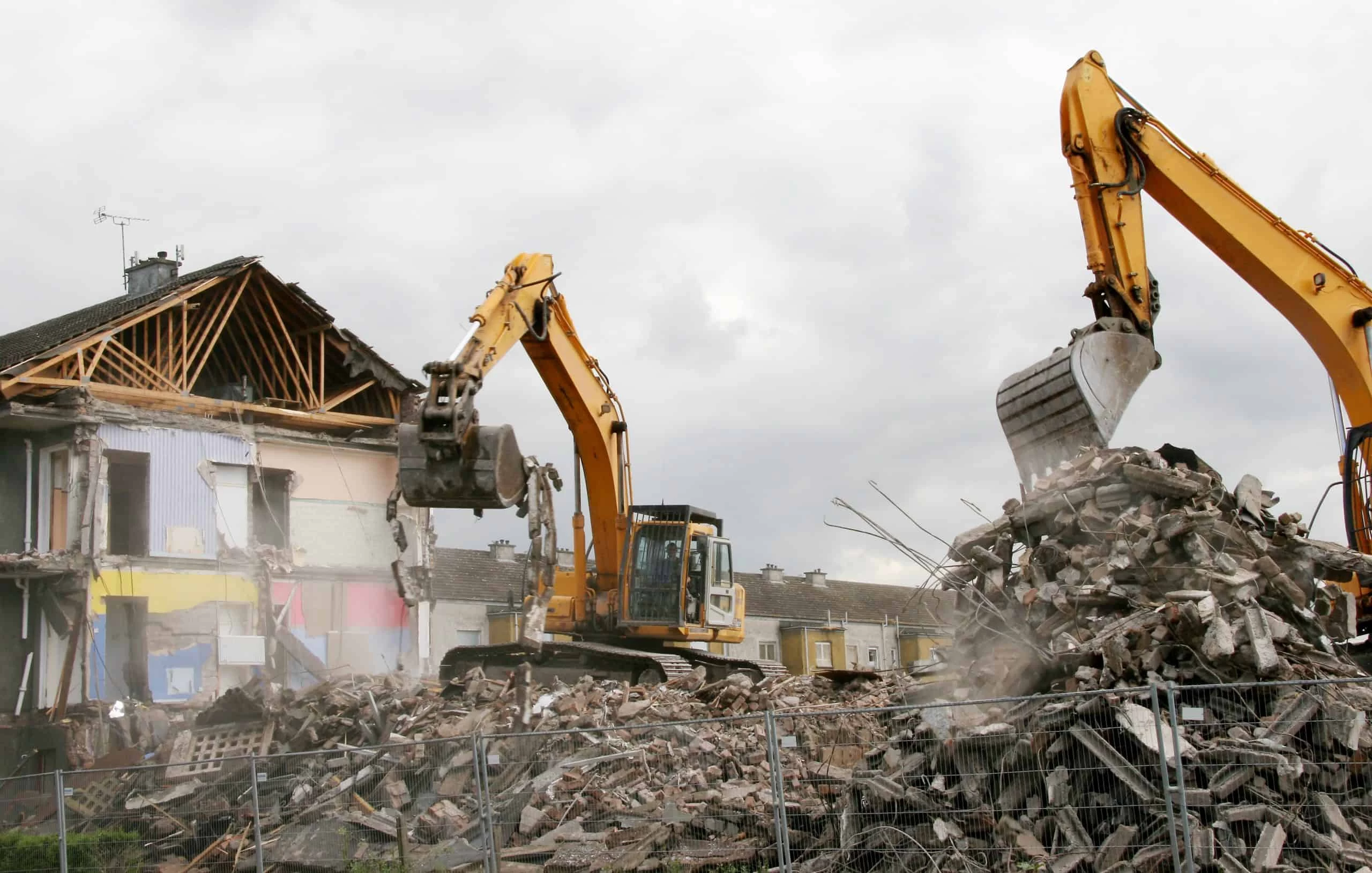
The Asbestos Control Bureau oversees the abatement of toxic hazards associated with asbestos fiber by performing inspections during rehabilitation, reconstruction, or demolition of buildings, while enforcing New York State Labor Law and Industrial Code Rule 56.
For Nassau County specifically, asbestos abatement work falls under the county’s Environmental Hazard Remediation regulations, requiring contractors to hold an EHRP license and technicians an EHRT license, with strict containment procedures, air monitoring, proper safety protocols, and legal disposal methods being mandatory.
Choosing the Right Licensed Contractor in Nassau County
Not all asbestos contractors are created equal, and in Nassau County, the stakes are particularly high. Given the strict state and county regulations, potential health hazards, and complexities of remediation, hiring qualified, licensed professionals is paramount for Nassau County homeowners. We understand and adhere to NYS laws and specific Nassau County requirements, helping you avoid violations and fines.
When evaluating contractors, verify their credentials carefully. Compliance means we understand and adhere to NYS laws (ICR 56 for asbestos) and specific Nassau County requirements (EHRP/EHRT licenses). Safety means our certified technicians use proper containment, personal protective equipment, air monitoring, and established procedures to protect your family’s health during work.
Licensed inspectors, project designers, and management planners should be certified by the New York State Department of Health and accredited under the federal Asbestos Hazard Emergency Response Act. Don’t accept anything less than full certification and licensing.
The process should include comprehensive planning. Our professional services include conducting a comprehensive site survey to identify asbestos-containing materials, performing bulk, air, and soil sampling, providing a detailed report on location, quantity, and condition of materials, developing a prioritization plan if full removal isn’t feasible, creating an asbestos abatement plan for remediation companies, and conducting clearance testing to confirm cleanup meets EPA standards.
Look for contractors with local experience and a proven track record. We understand Nassau County’s unique housing stock, from historic homes in Garden City to post-war developments in Levittown, bringing valuable expertise to your project. We know which materials were commonly used in different eras and can anticipate potential complications before they become expensive problems.
Understanding the Professional Abatement Process
Professional asbestos abatement follows strict protocols designed to protect your family and comply with regulations. Understanding this process helps you know what to expect and ensures your contractor is following proper procedures.
Our site-specific plan includes pre-samples taken in appropriate areas prior to any abatement activity, air samples taken during setup and actual abatement, final clearance samples taken according to all applicable regulations upon completion, visual inspection to determine completeness of abatement and cleanup, aggressive sampling performed as necessary, and air monitoring present during abatement to ensure regulatory compliance with the right to stop all activity if problems exist.
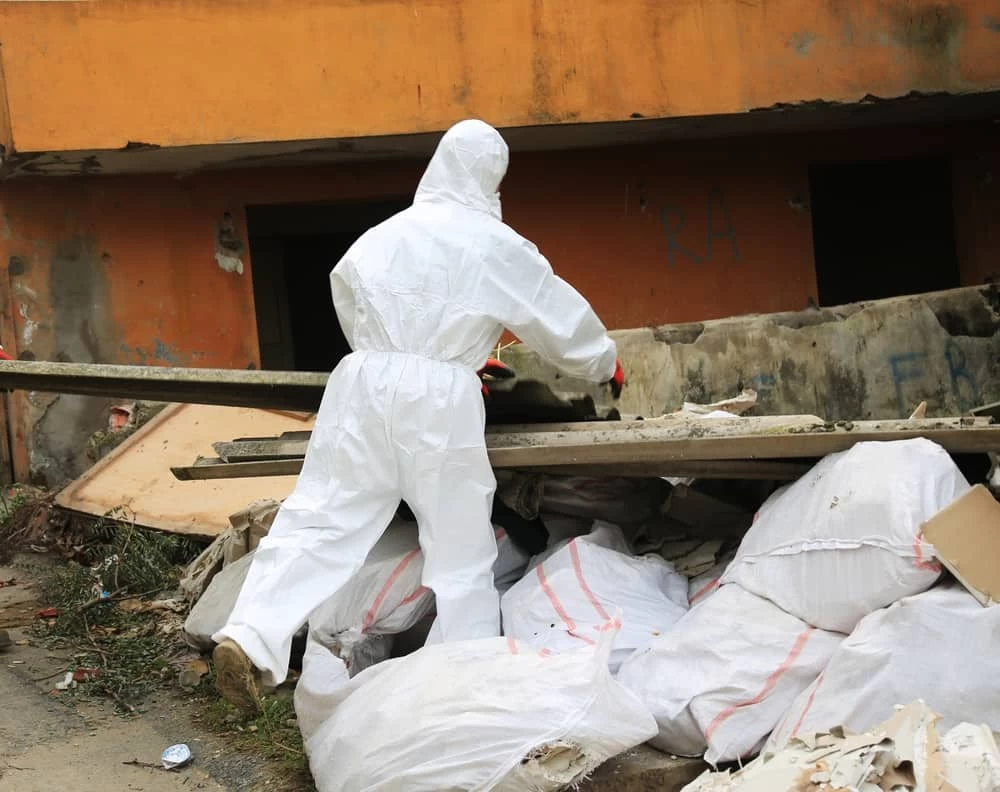
The containment process is critical. We create sealed work areas using plastic sheeting and negative air pressure systems to prevent fibers from spreading to other parts of your home. Our workers wear full protective equipment including respirators with HEPA filters.
Our professional asbestos removal prioritizes safety using industry-leading techniques to safely remove asbestos while minimizing property disruption, with containment methods that prevent the spread of hazardous fibers. This approach allows homeowners to proceed with confidence, knowing their family’s health is protected.
After removal, thorough cleaning and air testing ensure your home is safe for reoccupation. Clearance testing confirms cleanup meets EPA standards before the containment barriers come down.
Protect Your Family and Property with the Right Response
Finding asbestos in your Nassau County home isn’t the end of the world—it’s the beginning of making informed decisions that protect your family’s health and your property’s value. The key is responding appropriately rather than panicking or ignoring the problem.
Remember that while health risks from asbestos exposure increase with heavier and longer exposure, investigators have found asbestos-related diseases in individuals with only brief exposures. Those who develop asbestos-related diseases show no signs of illness for a long time after exposure, with symptoms taking 10 to 40 years or more to appear.
This timeline means that taking action now—the right action—can prevent decades of worry and potential health problems down the road. Professional assessment, proper removal when necessary, and compliance with regulations aren’t just legal requirements; they’re investments in your family’s future.
When you need professional asbestos abatement services in Nassau County, Green Island Group brings the expertise, licensing, and track record you need for complete peace of mind.